The correct oil for a gas lawn mower depends on the engine type and operating temperature. Most modern 4-stroke lawn mowers use SAE 30 or SAE 10W-30 small engine oil, while 2-stroke engines require a specific oil-and-gasoline mixture.
Across the United States, homeowners use gas lawn mowers in a wide range of conditions, from cool spring mornings in northern states to hot summer mowing seasons in southern regions. Choosing the right oil helps protect the mower engine from friction, overheating, and premature wear during these demanding conditions.
Before adding oil, identify whether your mower has a 2-stroke or 4-stroke engine and check the owner’s manual for the manufacturer’s recommended oil type and viscosity. Using the wrong oil or incorrect fuel mixture can reduce engine performance and may cause damage over time.
A gas lawn mower usually uses either SAE 30 small engine oil or SAE 10W-30 oil for a 4-stroke engine, but the exact recommendation depends on the mower manufacturer, engine model, and expected temperature conditions.
Gas lawn mower engines are commonly divided into two categories: 4-stroke engines with separate oil reservoirs and 2-stroke engines that burn an oil-and-fuel mixture. These two systems require different lubrication methods.
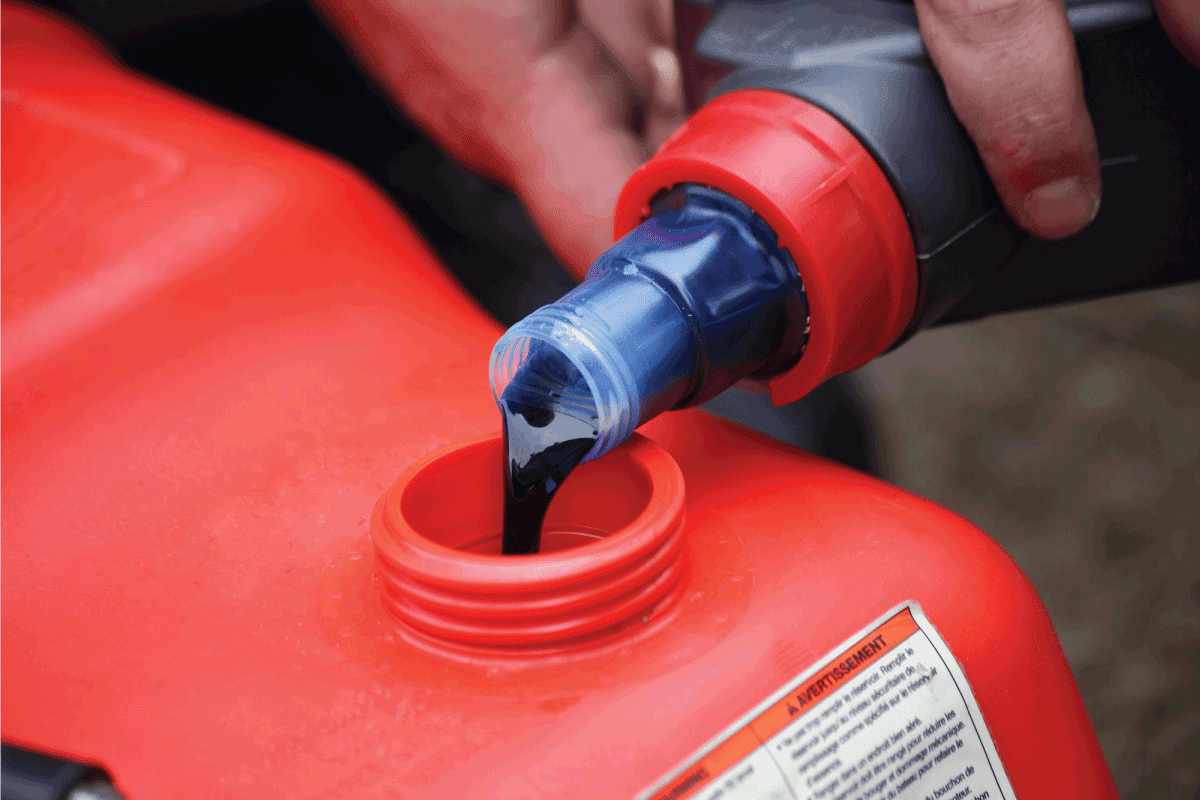
Source: powersmartusa.com
4-stroke lawn mower oil
A 4-stroke engine stores oil separately in the crankcase. The oil is checked and changed independently from gasoline.
2-stroke lawn mower oil
A 2-stroke engine requires specially formulated oil mixed with gasoline because it does not have a separate oil reservoir.
How to Identify Your Lawn Mower Engine Type
Check the owner’s manual, engine label, or fuel instructions on the mower. If the mower requires oil to be added directly into the fuel tank, it is likely a 2-stroke design. If it has a separate oil fill cap and dipstick, it is typically a 4-stroke engine.
Separate oil fill cap
Usually indicates a 4-stroke engine that uses crankcase oil.
Fuel and oil mixture instructions
Usually indicates a 2-stroke engine requiring a specific gasoline-to-oil ratio.
Best Oil Types for a 4-Stroke Gas Lawn Mower
The best oil for a 4-stroke gas lawn mower is the viscosity grade recommended by the engine manufacturer. Common choices include SAE 30, SAE 10W-30, and synthetic small engine oils.
Oil viscosity describes how easily oil flows at different temperatures. A mower used in varying weather conditions may benefit from a multi-viscosity oil such as 10W-30, while many traditional small engines commonly specify SAE 30 for warmer mowing seasons.
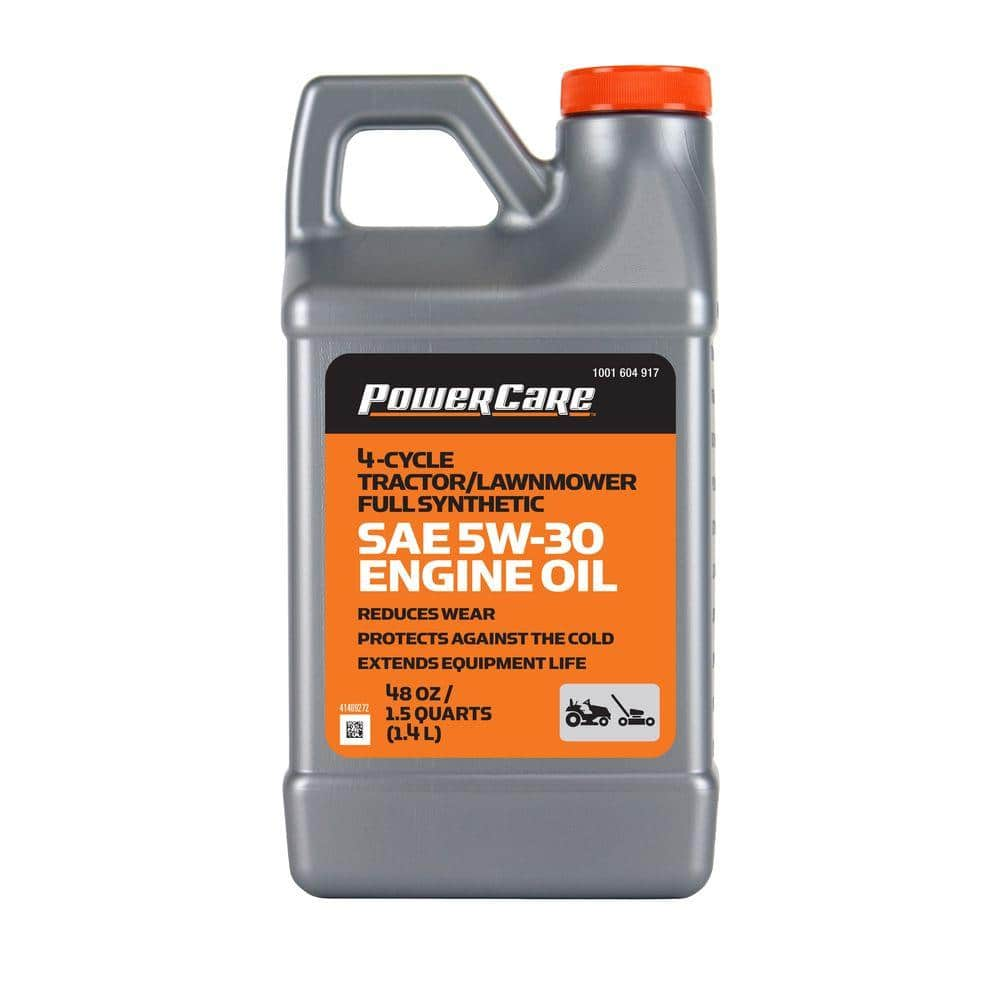
Source: images.thdstatic.com
SAE 30 oil
A common choice for many lawn mower engines operating in warmer temperatures.
SAE 10W-30 oil
Provides better cold-temperature flow compared with straight SAE 30 oil and is used by many mower manufacturers.
Synthetic oil
Can provide stable lubrication across a wider temperature range when approved for the specific engine.
Some automotive oils may work in certain lawn mower engines if they meet the manufacturer’s requirements, but small engines have different operating conditions than car engines. Always follow the engine manual before using a substitute oil.
Check specifications
Confirm the oil grade and performance requirements before adding any oil.
How to Add Oil to a Gas Lawn Mower
Adding oil to a gas lawn mower requires checking the current oil level, using the correct oil type, and avoiding overfilling. Too little oil can increase friction, while too much oil can affect engine operation.
Source: outdoorguide.com
Park on a level surface
A flat surface allows a more accurate oil level reading.
Check the dipstick
Remove and clean the dipstick before checking the oil level according to the manufacturer’s instructions.
Add oil slowly
Pour small amounts at a time and recheck the level to prevent overfilling.
Signs Your Mower May Need an Oil Change
Dark, dirty oil, reduced engine performance, unusual engine noise, or a low oil level can indicate that maintenance is needed. Follow the maintenance schedule in the mower manual because oil change intervals vary by engine model and usage.
Dirty oil appearance
Oil that appears heavily contaminated may no longer provide effective lubrication.
Low oil level
A low reading means the engine may need oil added before further operation.
Common Mistakes When Choosing Lawn Mower Oil
Using the wrong oil type is one of the most common maintenance mistakes among gas lawn mower owners. The engine design and climate conditions should guide the oil selection.
Source: res.cloudinary.com
Using oil without checking the manual
Different engines have different lubrication requirements, even among similar mower models.
Confusing 2-stroke and 4-stroke oil systems
Adding regular crankcase oil to a 2-stroke fuel system or mixing fuel incorrectly can damage the engine.
Overfilling the engine
Excess oil can cause operational problems and should be avoided.
What Happens If You Use the Wrong Oil?
The wrong oil may reduce lubrication performance, increase engine deposits, or affect how the mower operates. If incorrect oil has been added, consult the mower manual or a qualified small engine technician for the appropriate correction.
Poor lubrication
The engine may experience increased friction and wear.
Many manufacturers recommend changing lawn mower oil after a specific number of operating hours or at least once during the mowing season, but the exact schedule depends on the engine model and usage conditions.
Heavy mowing, dusty environments, and frequent use can require more frequent maintenance. Always follow the maintenance schedule provided by the mower manufacturer.
Source: lawnsmartkc.com
Seasonal maintenance
Many homeowners check and change oil as part of spring mower preparation.
Heavy use conditions
Long mowing sessions and harsh conditions may require additional checks.
Simple Oil Maintenance Checklist
Regular oil maintenance includes checking the oil level before use, using the recommended oil grade, keeping the fill area clean, and replacing old oil according to the manufacturer’s schedule.
Before mowing
Check oil level and inspect for visible leaks.
After the season
Prepare the mower for storage according to manufacturer recommendations.
Frequently Asked Questions
Q
What is the best oil for a gas lawn mower?
The best oil depends on the mower engine specifications. Many 4-stroke gas lawn mowers use SAE 30 or SAE 10W-30 oil, but the owner’s manual provides the most accurate recommendation.
Q
Can I use 10W-30 oil in my lawn mower?
Many lawn mower engines can use 10W-30 oil, especially when the manufacturer approves it. Always verify the recommended viscosity for your specific engine model.
Q
Do gas lawn mowers need oil mixed with gasoline?
Only 2-stroke lawn mower engines require oil mixed with gasoline. Most modern 4-stroke lawn mowers use separate gasoline and engine oil systems.
Q
How much oil does a gas lawn mower need?
Oil capacity varies by engine size and model. The correct amount should be taken from the owner’s manual and checked using the mower’s dipstick or fill markings.
Q
What happens if my lawn mower runs without enough oil?
Running a mower with insufficient oil can increase friction and heat, potentially causing engine damage. Stop operation and check the oil level before continuing.
✦ Wrapping Up
Conclusion
Choosing the correct oil for a gas lawn mower starts with identifying the engine type and following the manufacturer’s specifications. Most 4-stroke mowers use dedicated small engine oil such as SAE 30 or SAE 10W-30, while 2-stroke engines require an oil-and-fuel mixture.
Regular oil checks and proper maintenance help keep a gas lawn mower operating efficiently throughout the mowing season. Avoid guessing when selecting oil because the correct product and amount depend on the specific engine design.
💡 Key Takeaway
Check your lawn mower owner’s manual before adding oil, confirm whether the engine is 2-stroke or 4-stroke, and use the recommended oil grade for reliable performance.
Finding the right Replacement Battery Toro Lawn Mower option can feel confusing, especially when your mower refuses to start on a busy weekend. I know the feeling well because many homeowners only think about their battery when it fails at the worst moment. The good news is that you can avoid these annoyances by understanding…
Every homeowner knows that a lawn’s beauty depends on more than just regular mowing — it depends on the quality of the blade beneath the deck. If you own a Craftsman 21-inch lawn mower, chances are you’ve admired its powerful cut, precise handling, and easy maintenance. But even the best mower loses its magic when…
When your riding lawn mower won’t start, it always seems to happen at the worst time — right when the grass is growing fast and your weekend plans depend on getting the yard done. It’s frustrating, but the good news is that most Riding Lawn Mower Not Starting issues come down to simple things like…
When your lawn mower blade is not spinning freely, mowing your yard can quickly turn from relaxing weekend maintenance into a frustrating battle with your equipment. The smooth hum of a mower slicing through grass suddenly becomes a grinding, uneven sound—or worse, silence. The blade feels tight, hard to turn, or even stuck. This issue…
Maintaining your lawn mower might not be the most glamorous chore, but it’s essential if you want a pristine, well-manicured lawn. One of the most overlooked components of a Honda mower is the belt. A worn, cracked, or broken belt can lead to uneven cutting, poor blade engagement, and even added stress on your mower’s…
Learn how to start a gas lawn mower safely with this step-by-step guide. Find preparation tips, starting procedures, troubleshooting advice, and common mistakes to avoid.