


The best garden hose material for most homes is flexible, UV-resistant rubber or reinforced hybrid polymer.
Dragging a stiff hose across hot concrete can turn a simple watering job into a chore. A poor hose may kink, leak, crack, or feel too heavy before you reach the garden bed. I tested and compared the key traits that matter most, including flexibility, strength, weight, fittings, sun resistance, and storage. The picks below cover daily watering, small patios, long yards, and light cleaning jobs.
Flexzilla 50-Foot Hybrid Garden Hose
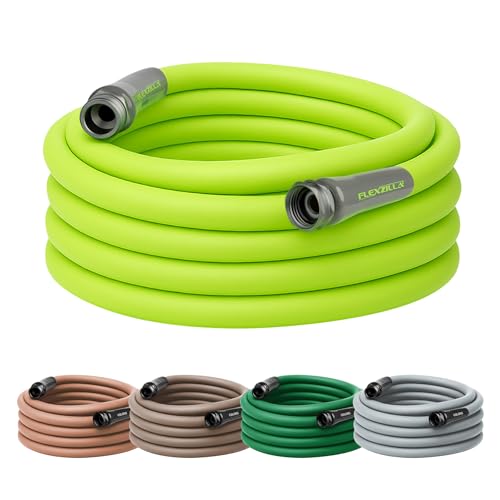
The Flexzilla 5/8-inch, 50-foot hose uses a flexible hybrid material made for regular outdoor work. It feels lighter than many thick rubber hoses, yet it has enough body for watering beds, washing a car, and filling a pool. The bright color also makes it easy to spot on grass or a driveway. In my view, this is one of the most balanced choices for a busy home.
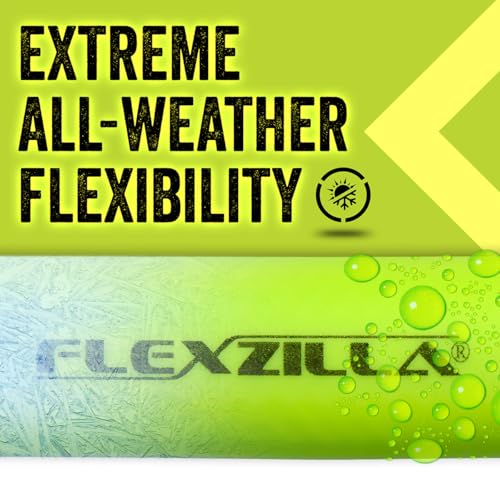
The hose is designed to stay flexible in changing weather, although every hose lasts longer when stored out of harsh sun. Its fittings are made for a secure connection, which helps reduce drips at the spigot and nozzle. The 50-foot length suits many medium-size yards without creating a large storage bundle. If you want the best garden hose material with a strong mix of light weight and durability, this hybrid design is a smart place to start.
Pros:
- Flexible hybrid material feels easy to carry
- Useful 50-foot length for most home yards
- Resists common kinks during watering
- Bright color improves visibility outdoors
- Suitable for watering, washing, and filling tasks
- Solid connection points help limit leaks
Cons:
- The bright color may not suit every garden
- It still needs shade and proper storage for the longest life
- It may feel less rugged than a very thick rubber commercial hose
My Recommendation
I recommend this Flexzilla hose for homeowners who want one hose for many jobs. It is a strong fit for medium yards, raised beds, porch cleaning, and car washing. The hybrid material gives you a useful middle ground: less weight than many rubber hoses and more structure than a thin vinyl hose. For many buyers, that balance makes it the best garden hose material choice for everyday use. Its value is especially good when you want a dependable hose without moving a heavy coil.
PLYPLYE 25-Foot Ultra-Light Garden Hose

The PLYPLYE 25-foot hose focuses on low weight and easy handling. A short hose like this can save time when the faucet sits close to a patio, balcony, greenhouse, or small garden. The gray finish looks calm and blends well with many outdoor spaces. I see it as a handy utility hose rather than a long-range yard hose.
Its compact length makes it simple to coil and store in a small shed or deck box. It can help older users, children, or anyone who dislikes dragging a heavy hose across the yard. Still, light designs need care around sharp corners, rough concrete, and hot surfaces. When the goal is a small, easy-to-manage hose, this material and size combination can work very well.
Pros:
- Short 25-foot length is easy to control
- Light design reduces arm and shoulder strain
- Good fit for patios, decks, balconies, and small beds
- Simple to coil and store
- Neutral gray color hides light dirt
- Convenient for quick watering tasks
Cons:
- Limited reach for large lawns
- Lightweight construction may need more careful handling
- Not the best choice for frequent long-distance dragging
My Recommendation
I recommend the PLYPLYE 25-foot hose for apartment patios, small gardens, and hose bibs near the work area. It is also a good choice for users who need to lift and store a hose with little effort. The best garden hose material is not always the thickest material; the right choice depends on the job. For short tasks, this compact hose can offer better daily comfort than a long, heavy model. Check the current Amazon listing if you need a simple hose for light outdoor work.
Pocket Hose Ballistic 100-Foot Expandable Hose

The Pocket Hose Ballistic is a 100-foot expandable hose designed for users who need broad reach without storing a full-size rigid coil. Expandable hoses usually rely on a flexible inner tube and an outer protective layer. The hose grows when water flows and shrinks after the water drains. That makes it appealing for large yards, RV storage, and homes with limited shed space.
Its no-kink design aims to make setup less frustrating than a stiff conventional hose. Even so, expandable hoses perform best when you turn off the water before moving or storing them. Avoid pulling the hose over sharp rocks, nails, or rough edges. If you value compact storage and long reach, this is a useful alternative to heavy rubber, though it needs more careful use than a commercial-grade hose.
Pros:
- 100-foot reach suits large yards
- Expands for use and contracts for storage
- Needs less storage space than many standard hoses
- Lightweight feel reduces dragging effort
- No-kink design helps with setup
- Useful for gardens, RVs, and wide outdoor areas
Cons:
- Expandable material needs careful handling
- Should not remain under pressure during storage
- May not suit rough commercial work or sharp surfaces
My Recommendation
I recommend this Pocket Hose Ballistic model for people who need 100 feet of reach but do not want a bulky coil. It works well for large lawns, distant garden beds, and RV owners who value compact storage. It is not my first pick for dragging over rough ground every day. Still, its layered expandable material can be the best garden hose material style for users who place storage and reach above maximum ruggedness. Follow the care instructions, and avoid leaving it pressurized in the sun.
50-Foot Ultra-Light Non-Expanding Hose

This 50-foot non-expanding garden hose aims to keep outdoor chores light and simple. Its standard shape stays the same during use, so it feels familiar to anyone who has used a traditional hose. The 50-foot size offers a practical reach for front yards, back patios, and medium garden areas. I like this type for users who want low weight without switching to an expandable design.
A non-expanding hose can feel more predictable when you connect a spray nozzle or move around flower beds. It may also be easier to place on a reel than some highly flexible expandable models. As with any light hose, keep it away from hot metal edges and sharp landscaping stone. For general watering, its balance of reach and portability makes it a reasonable value.
Pros:
- Useful 50-foot length for regular home use
- Lightweight design is easy to move
- Non-expanding shape feels familiar during use
- Simple choice for lawns, beds, and patios
- Easy to pair with common spray nozzles
- More manageable than many heavy-duty hoses
Cons:
- Light construction may not handle severe abuse
- Can still kink if left in a tight bend
- May need a reel or hanger for neat storage
My Recommendation
This hose is best for homeowners who want a simple, light, 50-foot option for routine watering. It suits people who prefer the feel of a standard hose over an expandable model. The best garden hose material for you should match how often you move it and where you store it. Choose this one for light to moderate use on a lawn, patio, or small vegetable garden. It offers practical reach without making storage feel like a workout.
Flexi Hose 50-Foot Expandable Hose

The Flexi Hose combines an expandable body with an eight-function spray nozzle. That pairing gives you a ready setup for flowers, lawn care, rinsing, and light cleaning. Its double latex core is covered by a protective outer layer, and the hose uses 3/4-inch solid brass fittings. These features target users who want flexibility, simple control, and useful accessories in one package.
The expandable form makes the hose easier to store than a long, stiff coil. The nozzle can also save a separate purchase, though its small settings are best suited to normal household work. I advise draining the hose before storage and keeping it away from sharp edges. If you want the best garden hose material for compact storage and flexible handling, this model is worth considering.
Pros:
- Includes an eight-function spray nozzle
- Expandable body stores in a smaller space
- Double latex core supports flexible use
- Solid brass fittings offer a sturdy connection
- 50-foot working length fits many yards
- Useful for watering and light cleaning
Cons:
- Expandable hoses need more care than thick rubber hoses
- Should be drained before storage
- The included nozzle may not replace a heavy-duty metal sprayer
My Recommendation
I recommend this Flexi Hose for a homeowner who wants a hose and nozzle in one package. It is a good fit for flower beds, lawn edges, deck rinsing, and basic car care. The flexible core helps reduce the storage burden, while the brass fittings add a sturdy touch at the ends. For users who value convenience, this may be the best garden hose material design in this group. It offers good everyday value when you treat an expandable hose with care.
50-Foot 5-Layer Heavy-Duty Garden Hose

This 50-foot hose is built around a five-layer PTE latex core and a stated 96D outer material. It also includes a 10-pattern spray nozzle and reinforced brass connectors. The layered build aims to provide more strength than a very thin, light hose. I would consider it for homeowners who want extra structure for repeated watering, rinsing, and outdoor cleanup.
The hose offers a useful mix of reach and accessories without the length of a 100-foot model. A multi-layer body may resist everyday wear better than a basic single-layer tube, but no garden hose should drag over nails or sharp stone. Its fittings are important because a strong body cannot prevent leaks caused by poor connections. If durability is your first concern, this design deserves a close look.
Pros:
- Five-layer core is designed for added strength
- Includes a 10-pattern spray nozzle
- Reinforced brass connectors support secure attachment
- 50-foot length suits many medium-size properties
- Useful for watering and cleaning chores
- Layered construction may improve daily wear resistance
Cons:
- More layers can add weight compared with ultra-light hoses
- May take more space to store than an expandable hose
- Connector care still matters to prevent leaks
My Recommendation
I recommend this model for users who put strength ahead of the lightest possible feel. It can suit larger flower beds, frequent rinsing, garden cleanup, and homes where the hose sees regular use. The layered construction gives it a more protective feel than many basic lightweight designs. In my comparison of the best garden hose material, this is a practical pick for buyers who want extra body and a nozzle included. It is a solid option when you want more toughness without moving to an extremely heavy commercial hose.
PLYPLYE 100-Foot Ultra-Light Garden Hose

The 100-foot PLYPLYE hose gives you long reach in an ultra-light format. That can help when the faucet sits far from a garden bed or when you need to cross a wide yard. The gray color looks understated, and the long length can reduce the need for extensions or extra hoses. I see it as a convenience-first choice for routine home watering.
A 100-foot hose can cover a lot of ground, but the trade-off is storage and handling. Even a light hose needs a wide loop or reel to prevent tight bends. I would use it on grass, mulch, and smooth paths rather than rough gravel. For shoppers who need distance but dislike heavy coils, this is a useful example of how the best garden hose material can focus on portability.
Pros:
- 100-foot length reaches distant planting areas
- Ultra-light design is easier to pull than many long hoses
- Gray color gives a clean, subtle look
- Good for large yards and wide outdoor spaces
- Reduces the need for hose extensions
- Useful for users who value reach and low weight
Cons:
- Long length needs careful storage
- Lightweight material may need protection from rough ground
- May be more hose than needed for a small patio
My Recommendation
Choose the PLYPLYE 100-foot hose if your main problem is distance. It works for large gardens, broad lawns, and homes with one outdoor faucet serving many areas. I would not choose it for a tiny yard, where extra length can become a storage nuisance. Among the best garden hose material options, this one favors reach and easy carrying over heavy-duty toughness. A reel, hanger, or large storage tub will help keep it neat and ready.
Flexzilla 25-Foot Hose With SwivelGrip

This Flexzilla hose measures 25 feet and adds a SwivelGrip connection design. The shorter length works well near a faucet, while the flexible body helps it move around planters and outdoor furniture. A swivel connection can make attachment less frustrating because the hose can turn without twisting the entire coil. I like this format for small jobs where control matters more than maximum reach.
The hose can handle routine watering, porch washing, and small vehicle cleanup. Its smaller size also makes it easier to hang in a shed or carry from one faucet to another. As with every flexible hose, I recommend releasing pressure after use and avoiding long exposure to intense sunlight. If you need a compact hose with a thoughtful connection point, this is a strong daily-use candidate.
Pros:
- Compact 25-foot size is easy to manage
- SwivelGrip helps reduce twisting at the connection
- Flexible body moves around small spaces
- Good for patios, balconies, and nearby beds
- Easy to carry and store
- Works well for quick watering tasks
Cons:
- Too short for many large lawns
- May not replace a longer hose for car washing
- Still needs shade and proper storage for long service
My Recommendation
This Flexzilla is best for small yards, patios, balconies, and hose bibs close to the work area. The SwivelGrip feature is helpful for users who dislike fighting a twisted connector. I would choose it for quick jobs rather than whole-yard watering. If you are comparing the best garden hose material for comfort and easy storage, this short hybrid hose is a sensible option. Its compact size can make everyday watering feel more like a quick walk than a tug of war.
How to Choose the Best Garden Hose Material
Garden hose material affects weight, flexibility, service life, water flow, and price. A hose is not just a tube. It is a working tool that must bend, move, connect, and survive outdoor weather. The right material depends on your yard, water pressure, storage habits, and the kind of work you do.
I look at five main materials and designs: rubber, vinyl, hybrid polymer, expandable fabric, and reinforced multi-layer construction. Each one has a place. The best garden hose material for a small balcony may be very different from the best material for a large yard or workshop.
Rubber Garden Hoses
Rubber hoses are known for strength and a solid feel. They usually resist heat and wear better than low-cost vinyl. A good rubber hose can handle frequent use and may remain flexible across a broad range of outdoor conditions. Many professional users prefer rubber when durability matters most.
The main drawback is weight. A thick rubber hose can feel like a long belt when you pull it around a yard. Rubber may also cost more than vinyl or light hybrid options. If you want a hose for daily use and do not mind extra weight, rubber remains one of the best garden hose material choices.
Vinyl Garden Hoses
Vinyl hoses often cost less and feel light in the hand. They work well for small watering jobs and occasional use. Some include a mesh layer to add strength and help hold their shape. A basic vinyl hose can be a good fit for a renter or a small garden.
Low-cost vinyl can kink, split, or become brittle when left in strong sun. It may also flatten more easily than rubber or a reinforced hybrid hose. Check the number of layers and the fitting design before you buy. A reinforced vinyl hose is usually a better choice than the thinnest bargain model.
Hybrid Polymer Hoses
Hybrid polymer hoses try to combine the best traits of rubber and plastic. They often feel light, stay flexible, and resist common kinks. Many modern home hoses use a hybrid material because it offers a pleasant balance for daily work.
Flexzilla is a well-known example in this category, but buyers should still inspect the fittings and storage advice. Hybrid does not mean indestructible. The best garden hose material for most homes is often a reinforced hybrid polymer because it gives useful strength without the full weight of thick rubber.
Expandable Fabric Hoses
Expandable hoses use a flexible inner tube with a woven or protective outer cover. They grow when filled with water and shrink when empty. This design can save storage space and reduce the effort needed to carry a long hose.
Expandable models need more careful handling. Do not drag them over sharp stone, leave them pressurized for long periods, or store them in intense heat. They are convenient, but they may not be the best choice for rough work. For compact storage, though, expandable fabric can be the best garden hose material style for many homes.
Multi-Layer Hose Construction
Layers can add support, protect the inner tube, and help a hose hold its shape. A five-layer hose may include an inner water tube, reinforcement, and an outer wear layer. The exact materials differ by brand, so the layer count alone does not prove quality.
Look for strong fittings, clear care instructions, and a useful warranty. A heavy multi-layer hose may last well, but it can be harder to move. I favor this design for people who use a hose often and want more structure than an ultra-light model provides.
Rubber vs. Vinyl vs. Hybrid Hose Material
Rubber is the tough work boot of garden hose materials. It handles regular use well, but it can tire your arm. Vinyl is more like a light sneaker. It feels easy to carry, but a cheap version may not last under hard use.
Hybrid polymer sits between them. It often feels smoother and lighter than rubber while offering more support than basic vinyl. That balance explains why hybrid hoses are popular for home use. If I had to choose one general category for most homeowners, I would start with a reinforced hybrid hose.
Expandable fabric is different rather than simply better. It solves storage and weight problems, but it requires gentle care. The best garden hose material is the one that fits your habits. A careful user may love an expandable hose, while a rough user may need rubber or a thick multi-layer build.
Key Features That Matter More Than Material Alone
Hose Diameter
A 5/8-inch hose is a common home size. It offers a useful balance of water flow, weight, and handling. A 3/4-inch hose can carry more water, but it may feel heavier and may need matching fittings. A smaller diameter can feel light, yet it may provide less flow for large jobs.
Do not buy a large hose only because it sounds more powerful. Your faucet, nozzle, and water pressure also affect results. For most garden beds and home washing, 5/8 inch is a practical starting point.
Length
Buy only the length you need. Extra hose adds weight, storage bulk, and more chances to kink. A 25-foot hose is useful near a patio or balcony. A 50-foot hose fits many medium yards. A 100-foot hose helps reach far corners but needs careful storage.
I prefer two shorter hoses over one very long hose when a property has separate work areas. This setup can reduce dragging and make storage easier. It also lets you use the right hose for each task.
Fittings
Fittings connect the hose to the spigot, nozzle, reel, or sprinkler. Brass fittings often feel sturdy and resist crushing better than thin plastic. Aluminum can also work well, but inspect the design and finish. A swivel connector may reduce twisting and make attachment easier.
Washers matter too. A worn washer can cause a leak even when the hose body is fine. Replace the washer before blaming the hose. A small leak wastes water and can make the connection corrode over time.
Kink Resistance
No hose is truly impossible to kink. Kink resistance means the hose can bend without sharply blocking water flow. Flexible hybrid materials often perform well here. Expandable hoses can also resist some kinks when used as directed.
Coil the hose in wide loops. Do not make tight bends near the faucet. A reel can help, but it cannot fix poor storage habits. I also avoid driving over any hose, since vehicle weight can damage the inner tube.
Sun and Weather Exposure
Ultraviolet light can weaken many plastics and fabric covers. Heat can make a hose soft, brittle, or misshaped. Store your hose under shade when possible. Drain it before freezing weather, because trapped water can expand and damage the tube or fittings.
Weather resistance does not mean you should leave a hose outside all year. A simple wall hook, reel, or storage box can add useful protection. These small habits often matter as much as the original material.
Drinking Water Use
Do not assume that every garden hose is safe for drinking water. If you fill a pet bowl, camper tank, or outdoor drinking container, look for a product clearly labeled for potable water use. Letting water sit in a hot hose can also affect taste and quality.
For normal plants, lawns, and outdoor cleaning, a standard garden hose is usually suitable. Read the label and follow local guidance for drinking water tasks. Material alone does not confirm potable-water safety.
How I Compare Garden Hoses
I judge a hose by how it feels during the full job, not only when it is new in the package. I connect it, uncoil it, walk it around common obstacles, and check how easily it returns to storage. I also inspect the ends because a strong tube is not useful if the fittings drip.
I pay attention to weight once the hose fills with water. A hose that feels light when empty may feel different under pressure. I also consider whether the design suits a real user. An older gardener may value weight, while a landscaper may value a thick wall and strong fittings.
I do not treat marketing words such as “heavy duty” or “no kink” as proof by themselves. The material, layers, diameter, fittings, and care instructions all matter. This method helps me identify the best garden hose material for a specific need rather than naming one winner for every yard.
Care Tips to Make Any Hose Last Longer
- Turn off the faucet and release pressure before storing the hose.
- Drain standing water, especially before freezing weather.
- Store the hose in shade or under cover when possible.
- Use wide loops instead of tight, sharp bends.
- Keep the hose away from nails, sharp rocks, and hot metal.
- Replace damaged washers before they cause leaks.
- Do not drag a hose by the nozzle or connector.
- Use a reel or hanger that supports the hose without crushing it.
- Do not leave an expandable hose pressurized after use.
- Rinse dirt from the hose before putting it away.
Best Garden Hose Material: Quick Comparison
| Best for | Why |
|---|---|
| Most home watering jobs | Reinforced hybrid polymer balances weight, flexibility, and durability. |
| Maximum heavy-duty use | Rubber or thick multi-layer material offers a stronger, more solid build. |
| Small storage space | Expandable fabric shrinks after use and is easy to store. |
FAQs Of best garden hose material
What is the best garden hose material for most homes?
Reinforced hybrid polymer is the best all-around choice for many homes. It usually feels lighter than rubber and stronger than basic vinyl. It works well for watering, washing, and general outdoor use.
Is rubber better than a hybrid garden hose?
Rubber can be better for heavy, frequent use because it offers a strong and solid build. A hybrid hose may be better for everyday homeowners who want less weight. Your yard size and handling needs should guide the choice.
Are expandable hoses durable?
Expandable hoses can last well when you drain them, store them in shade, and protect them from sharp surfaces. They are not ideal for rough dragging or constant pressure. Treat them gently for the best service life.
Is vinyl a good garden hose material?
Vinyl can work well for light and occasional watering. Choose a reinforced model instead of the thinnest option. Cheap vinyl may kink or crack sooner under strong sun and heavy use.
What hose size should I buy?
A 5/8-inch hose is a practical size for most home tasks. Choose 25 feet for a nearby patio, 50 feet for a medium yard, and 100 feet for distant areas. Avoid buying extra length unless you truly need it.
Final Verdict: Which Should You Buy?
The Flexzilla 50-foot hybrid hose is my top pick for most homes. It offers a strong mix of light weight, reach, flexibility, and easy daily use.
The best garden hose material depends on your yard, but reinforced hybrid polymer is a smart all-around choice. Store any hose well, and it can serve you for many seasons.
