


The best garden bed material is durable metal, paired with safe soil, good drainage, and a strong weed barrier.
If your garden soil is hard, wet, or full of weeds, a raised bed can feel like a fresh start. I have tested and reviewed many garden setups, and the right material can make the work easier from spring through fall. Metal beds offer long life and clean lines, while landscape fabric helps control weeds below. Garden netting, hoops, and a good guide can also protect young plants. Below, I compare seven useful garden bed products so you can build a bed that fits your space, crops, budget, and skill level.
Rakukiri Oval Galvanized Garden Bed

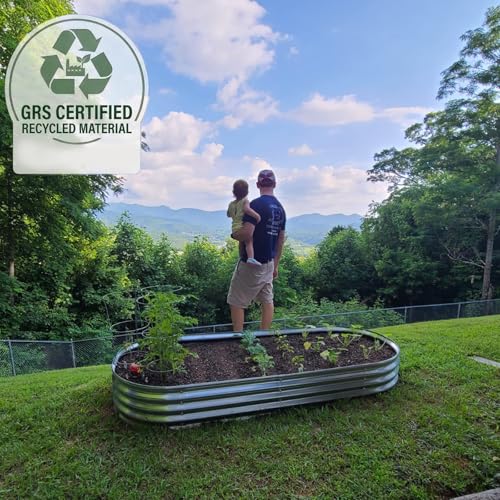
The Rakukiri raised garden bed gives you a strong metal frame with a soft oval shape. Its galvanized steel design suits gardeners who want a bed that does not rot like untreated wood. The five-foot length offers useful room for herbs, flowers, lettuce, peppers, and other compact crops. Its rounded ends also make the bed look neat beside a path or patio.
I like this style for small yards because it gives plants a clear home without making the area feel crowded. The recycled material claim may appeal to shoppers who want to reduce the use of new raw materials. As with any metal bed, I would place it on level ground and fill it with a quality soil blend. This is a practical choice when you want the best garden bed material for long-term outdoor use.
Pros:
- Galvanized metal resists rot and common outdoor wear
- Oval shape creates a neat look around paths and patios
- Five-foot size fits many small and medium garden spaces
- Works well for vegetables, herbs, and flowers
- Raised height helps define the growing area
- Recycled material design may suit eco-minded shoppers
Cons:
- Metal may warm faster than wood in strong summer sun
- Oval sides can make row planting less simple
- Assembly may take patience on the first setup
My Recommendation
I recommend this Rakukiri bed for apartment gardeners, new gardeners, and anyone who wants a tidy raised bed with a lasting frame. It is especially useful where rot, termites, or damp soil can shorten the life of wooden beds. Use mulch on top of the soil to help slow moisture loss during hot days. For many small gardens, this metal design is one of the best garden bed material options because it balances strength, size, and style.
| Best for | Why |
|---|---|
| Small yards | The oval five-foot shape uses space well. |
| Herbs and flowers | The raised frame gives plants a clear, tidy home. |
| Long-term use | Galvanized metal does not decay like untreated wood. |
FEED GARDEN Heavy-Duty Weed Barrier
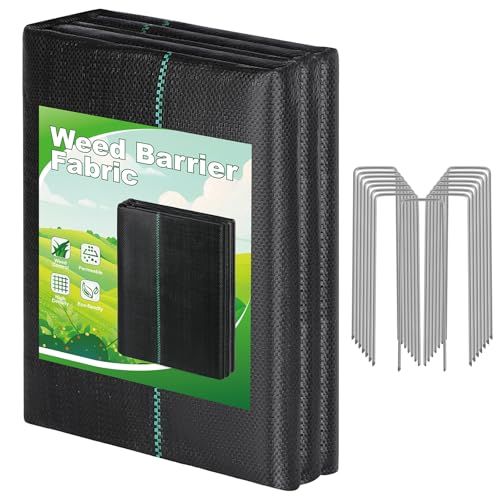
The FEED GARDEN weed barrier comes in a four-foot by fifty-foot roll. Its woven geotextile design suits garden beds, paths, gravel areas, and mulch zones. The package also includes 15 garden staples, which can save a separate trip to the store. I see this as a support product rather than a bed frame, but it can make a major difference in how clean a raised bed stays.
I would lay this fabric under a bed or around the outside edge before adding mulch. Cut it with sharp scissors, overlap seams, and secure each edge well. The fabric can slow many weeds, but it cannot replace hand removal of deep roots or weeds that grow through open holes. Used with the best garden bed material, it helps create a cleaner and lower-work garden base.
Pros:
- Large 4-by-50-foot roll covers many garden projects
- Woven fabric suits beds, paths, mulch, and gravel areas
- Included staples help hold the material in place
- Can reduce routine weed pulling around raised beds
- Easy to cut around bed frames and garden borders
- Useful for new beds and landscape repairs
Cons:
- Fabric does not remove weeds that already sit beneath it
- Staple count may not cover a large, complex layout
- It needs careful placement to avoid exposed edges
My Recommendation
This barrier is best for gardeners who fight weeds around raised beds, gravel paths, or mulch. It can also help when you build a new bed over grass, although I still recommend mowing low and removing large roots first. Do not use a solid barrier where plant roots need to grow into native soil. For bed borders and paths, this is a useful partner to the best garden bed material and a simple way to cut down on weekly chores.
| Best for | Why |
|---|---|
| Weedy yards | The broad roll helps cover large problem areas. |
| Garden paths | It works below mulch, gravel, and other surface covers. |
| New bed layouts | Included staples make early installation easier. |
Best Choice Products Deep Metal Garden Bed
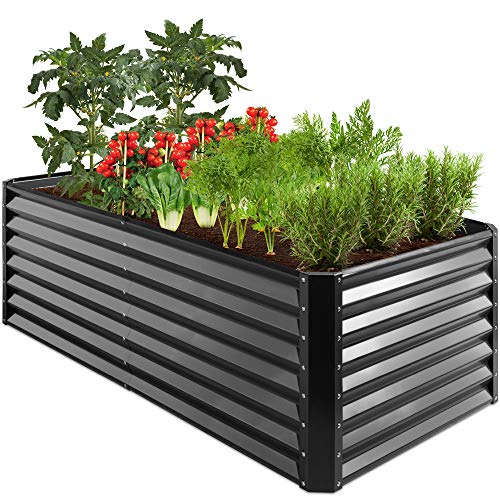
The Best Choice Products bed offers a large six-by-three-foot growing area with two feet of depth. That depth gives you more room for crops with deeper roots, such as tomatoes, carrots, beets, and some squash varieties. The listed capacity is 269 gallons, so plan your soil purchase before delivery. Its gray metal body creates a clear border for a serious vegetable garden.
This bed suits gardeners who want more space than a small oval planter can provide. A deep bed can also reduce bending when you add a thick layer of healthy soil, though the final height depends on the location and fill level. I would place it on a flat site with good drainage and leave enough space to reach every plant. If you need a large, deep option for the best garden bed material, this one deserves close attention.
Pros:
- Large six-by-three-foot footprint supports many plants
- Two-foot depth suits crops with deeper root systems
- Metal construction avoids the rot concerns of untreated lumber
- Useful for vegetables, flowers, and herbs
- High listed capacity supports a full growing mix
- Gray finish blends with many outdoor spaces
Cons:
- Large soil capacity can make filling costly
- Deep beds need careful planning for access and drainage
- Metal sides may feel warm in direct afternoon sun
My Recommendation
I recommend this deep bed for families, serious vegetable growers, and gardeners who want one large growing zone. It works well when you want to separate rich soil from poor native ground. Fill it with a balanced mix of compost, topsoil, and a suitable growing medium rather than plain compost alone. This model is among the best garden bed material choices for deep roots and high output, provided you have room and a plan for the soil.
| Best for | Why |
|---|---|
| Deep-rooted crops | Two feet of depth gives roots more growing room. |
| Large harvests | The six-by-three-foot layout offers a broad planting area. |
| Families | Its size supports several crop types in one bed. |
Grenebo Non-Woven Weed Barrier Fabric

The Grenebo landscape fabric offers another way to manage weeds below and around a raised bed. Its four-by-fifty-foot format gives you a long strip for paths, bed borders, and landscape zones. Non-woven fabric has a different feel from woven fabric, so I would use it where you want broad ground coverage under a suitable top layer. It can help create a clean line between your garden and the surrounding lawn.
Before you install it, clear sharp sticks, large stones, and living weeds from the soil. A smooth base helps the fabric lie flat and reduces tears. Secure the edges before you add mulch or gravel, and check the cover each season for gaps. In my view, this is a sensible add-on when you choose the best garden bed material but still need a plan for weeds outside the bed.
Pros:
- Four-by-fifty-foot roll covers long borders and paths
- Non-woven construction offers broad ground coverage
- Helps create a neat edge around raised beds
- Can reduce sunlight reaching many surface weeds
- Simple to cut for custom garden layouts
- Useful under mulch, stone, and other landscape covers
Cons:
- It needs a clean, smooth base for the best fit
- It may require extra staples for windy sites
- Not a substitute for good soil preparation
My Recommendation
I would choose the Grenebo fabric for gardeners who want to cover a broad area around beds without using chemicals. It is a good fit for paths, side strips, and beds placed over former lawn areas. Keep it out of the main root zone unless the design allows water and roots to move as needed. Paired with the best garden bed material, this fabric can make the space look more finished and keep maintenance under control.
| Best for | Why |
|---|---|
| Wide garden borders | The 50-foot roll handles long strips with fewer seams. |
| Mulch areas | A top cover can hold the fabric in place and hide it. |
| Former lawn sites | It helps separate new garden work from grass growth. |
Raised Bed Garden Netting for 4-by-2-Foot Beds

This two-pack of garden netting is made to fit four-by-two-foot rectangular raised beds. Netting gives you a light shield against birds and some garden pests without blocking all air movement. It can also protect young plants from curious pets and light nibbling. The compact size makes it a good match for small beds on decks, patios, and narrow side yards.
To use it well, I would place the net above the plants rather than directly on tender leaves. A simple hoop frame can keep the mesh raised and allow the plants to grow. Check the edges often because small gaps can let pests enter. While netting is not the best garden bed material for a frame, it is a smart protection layer that helps your chosen bed material perform better.
Pros:
- Two-pack offers protection for more than one small bed
- Designed for common four-by-two-foot raised bed sizes
- Helps discourage birds from eating young plants
- Light material allows airflow around crops
- Useful for patios, decks, and compact yards
- Can be removed quickly for watering and harvest
Cons:
- It does not create a rigid cover without support hoops
- Small openings may not stop every pest
- Fit can vary if your bed has a different size
My Recommendation
I recommend this netting for small raised beds that grow greens, strawberries, seedlings, or other crops that attract birds. It is especially helpful for gardeners who want a simple barrier instead of sprays. Measure your bed before ordering, then anchor the edges so wind cannot lift the mesh. As part of a full setup, it complements the best garden bed material by protecting the harvest after the frame and soil are in place.
| Best for | Why |
|---|---|
| Small raised beds | The listed size suits four-by-two-foot layouts. |
| Bird protection | Mesh creates a simple barrier over tender crops. |
| Patio gardens | It adds protection without a heavy permanent structure. |
Fiberglass Hoops and Clips for Raised Beds

This set includes 60 fiberglass hoops, stakes, and 40 clips for making grow tunnels over raised beds. The hoops can support garden netting, row covers, frost cloth, or light plastic covers. Fiberglass does not rust, which makes it useful in damp garden conditions. The eight-foot length gives you room to shape different tunnel heights, depending on how deeply you set each end.
I see this kit as a flexible frame system rather than a garden bed itself. It can help extend the season, shield seedlings, and give climbing plants light support. Use a cover made for the weather, and remove heavy snow or strong wind loads before the frame bends. If you are building the best garden bed material system, these hoops add protection without requiring a costly greenhouse.
Pros:
- Large set supports several beds or replacement parts
- Fiberglass hoops do not rust in wet conditions
- Clips help hold netting and covers in place
- Supports frost cloth, row covers, and garden netting
- Can help protect seedlings and extend the growing season
- DIY design lets you adjust tunnel width and height
Cons:
- Heavy covers may need stronger supports
- Hoop spacing requires your own garden plan
- Strong wind can lift a tunnel without firm anchors
My Recommendation
This hoop kit is best for hands-on gardeners who enjoy building a custom cover system. It is a smart add-on for beds that need protection from birds, light frost, or harsh sun. I would pair it with clips and a breathable cover, then inspect the tunnel after storms. For gardeners who want more than a frame alone, it helps turn the best garden bed material into a more complete growing system.
| Best for | Why |
|---|---|
| Season extension | Hoops can support frost cloth and row covers. |
| DIY growers | The flexible shape allows custom tunnel designs. |
| Wet climates | Fiberglass avoids the rust found on some metal supports. |
Gardener Scott’s Guide to Raised Bed Gardening

A book may seem different from metal, fabric, or netting, but good planning often saves more money than a cheap frame. Gardener Scott’s Guide to Raised Bed Gardening can help readers think through bed design, soil, crop choice, planting, and care. That matters because even the best frame can fail when the bed sits in shade or holds poor soil. A clear guide can turn scattered ideas into a workable garden plan.
I recommend reading a guide before buying a large bed, especially if this is your first growing season. Think about sun, water access, walking space, drainage, and the mature size of each plant. Then choose the frame and cover that match your plan. In my experience, knowledge is part of the best garden bed material because it helps every physical product work as intended.
Pros:
- Helpful planning resource for new raised bed gardeners
- Can support better choices about space and crop layout
- Useful before buying soil or a large frame
- Encourages attention to sunlight, water, and drainage
- Works alongside both metal and wooden bed designs
- May reduce costly trial and error for beginners
Cons:
- A book cannot replace local climate knowledge
- Readers still need hands-on practice in their own yard
- Digital or print availability may vary by seller
My Recommendation
This guide is best for beginners, busy homeowners, and gardeners who want a clear plan before they spend money. It can also help experienced growers refresh their layout and improve bed care. Use its advice with local extension guidance because planting dates and crop choices vary across the United States. If you want the best garden bed material for your needs, start with a plan, then choose the product that fits it.
| Best for | Why |
|---|---|
| First-time gardeners | It can make bed planning feel less confusing. |
| Budget planning | Good layout choices may prevent wasted soil and supplies. |
| Crop planning | It encourages you to match plants with space and care. |
How to Choose the Best Garden Bed Material
Choosing the best garden bed material starts with your site, not the product photo. Walk around your yard at different times and note where the sun falls. Most vegetables need several hours of direct sun, while leafy greens may handle a little less. Place the bed near a water source, but do not place it where water pools after rain.
Next, decide whether you need a frame, a ground cover, or a crop shield. A metal bed holds soil above the ground. Weed fabric controls growth under paths and borders. Netting protects plants from birds, while hoops hold the netting or a row cover above the plants. These products solve different problems, so the best garden bed material may be a combination rather than one item.
Metal Garden Beds
Galvanized metal is popular because it does not decay like untreated wood. It can support a clean, modern look and often needs little care. However, metal can heat in full sun, especially in hot regions. Thick mulch, healthy soil moisture, and afternoon shade can help reduce stress near the bed wall.
Check the material details before you buy. Look for a clear product description, safe-use claims, solid edges, and a size that fits your space. Avoid placing a large bed where you cannot reach the middle. A bed should be easy to plant, weed, water, and harvest. If it is too wide, the center can become a small island that you ignore.
Wood Garden Beds
Wood gives a warm, natural look and can be easy to build with common tools. Cedar and redwood often last longer outdoors than soft, untreated wood. Wood may also stay cooler to the touch than metal. Still, every wood bed eventually needs inspection, and wet soil can speed decay.
If you build with reclaimed lumber, learn what it held in the past. Do not use wood with unknown chemical treatment or paint that may flake into the soil. For food crops, many gardeners choose untreated lumber or a product clearly marked for garden use. The best garden bed material is not only strong. It should also fit your crop plans and comfort level.
Composite and Plastic Beds
Composite boards can resist rot and offer a wood-like look. Plastic beds are often light and easy to move. These materials may suit renters or gardeners who want a fast setup. Their quality varies, so inspect the wall thickness, support points, and outdoor-use information.
Light beds can move in strong wind when empty. Fill them before judging their stability, but remember that a full bed can be hard to relocate. Set the final location first. Good drainage remains important, no matter which material you choose.
Weed Barrier Fabric
Landscape fabric can work well under paths, gravel, and mulch. It can also help separate a bed from a lawn during installation. Yet fabric has limits. Soil and wind can bring weed seeds to the top, and some weeds can grow through openings or seams.
I prefer a clean cut, wide overlaps, and strong edge pins. Cover the fabric with the material listed for the area, such as mulch or stone. Do not assume fabric removes the need for soil care. Healthy beds still need compost, mulch, water, and regular checks.
Raised Bed Covers
Netting and row covers can protect crops from birds, insects, wind, and light frost. The right cover depends on the problem. Bird netting is not the same as insect mesh, and frost cloth is not the same as clear plastic. Read the opening size and use the cover for its intended job.
Always leave enough room for the plant to grow. A cover pressed against a wet leaf can cause damage or create a place for disease to spread. Hoops solve this issue by lifting the cover above the crop. They also make watering and harvesting easier.
What Makes a Raised Garden Bed Last?
Good installation matters as much as the frame. Clear grass and large roots before placing a bed. Level the site so water does not collect on one side. If the ground drains poorly, improve the location before you add hundreds of pounds of soil.
Use soil that drains well but still holds moisture. Many gardeners use a mix of quality topsoil, finished compost, and another material that improves structure. Avoid filling the whole bed with pure compost because it can settle and change as it breaks down. Soil should support roots, air, water, and helpful soil life.
Keep an eye on the bed wall, fasteners, and corners. Tighten loose parts when needed. Remove weeds before they seed. Add a light mulch layer around plants, but leave space near stems to reduce rot. These simple steps can extend the useful life of almost any best garden bed material.
Metal or Wood: Which Is Better?
Metal often wins for long life and low rot risk. It is a strong choice for damp yards, busy gardeners, and clean modern designs. Wood wins for a natural look and easy custom building. The better choice depends on your climate, budget, style, and how long you want the bed to last.
I would choose metal when I want a ready-to-use frame with less concern about decay. I would choose untreated garden-safe wood when I want a custom shape or a softer look. Neither material fixes poor soil, poor light, or bad drainage. A strong frame is only the shell; the garden inside still needs care.
How Much Soil Does a Raised Bed Need?
Measure the length, width, and depth in feet, then multiply them to find cubic feet. For example, a bed that is four feet long, two feet wide, and one foot deep needs eight cubic feet before settling. Large deep beds may need far more soil than a new gardener expects.
Buy a little extra because soil settles after watering and rain. Do not pack it down hard, since roots need air spaces. Add compost as a top dressing each season instead of rebuilding the whole bed. If a product lists a large gallon capacity, use that number to plan bags or bulk delivery.
Raised Bed Drainage and Safety Tips
Raised beds should drain excess water. Do not seal the bottom unless the product is designed as a container. A bed that sits on soil can let roots and water move down. A bed on concrete may need a different design, with drainage holes and a liner that does not block them.
Inspect sharp metal edges before filling the bed. Wear gloves during assembly. Keep tools and small clips away from children and pets. If you use covers, check that birds and small animals cannot become trapped. Safe garden design protects both the crop and the people who enjoy it.
Best Garden Bed Material Buying Tips for 2026
In 2026, shoppers have more choices than ever, but more choices can make buying harder. Start with the dimensions, then compare the material, depth, hardware, and stated use. Do not select a bed only because it looks good in a staged image. Think about where you will sit, kneel, water, and carry soil.
Read recent customer feedback for clues about assembly, missing parts, fit, and weather exposure. A review cannot predict every result because yards differ. Still, repeated comments can reveal patterns. I also check the return policy and seller details before ordering large or heavy products.
Look for clear claims rather than vague promises. A product that lists its size, material, included parts, and intended use gives you more useful information. If the product is metal, check whether the finish is galvanized or coated. If it is fabric, check the size and whether staples are included. These details help you choose the best garden bed material with fewer surprises.
Common Raised Bed Mistakes to Avoid
The first mistake is building too wide. If you cannot reach the center without stepping into the soil, you may compact the root zone. The second mistake is placing the bed in too much shade. Plants cannot fix a poor site with extra fertilizer.
Another mistake is filling a bed with cheap, unknown soil. Contaminated or salty soil can hurt plants. Buy from a trusted source and use compost that is fully finished. Finally, avoid planting too close together. Crowded plants compete for light and air, and they can make pest checks harder.
FAQs Of best garden bed material
What is the best garden bed material for vegetables?
Galvanized metal is a strong choice for many vegetable gardens because it resists rot and lasts for years. Untreated garden-safe wood can also work well. Choose based on your climate, budget, bed size, and comfort with upkeep.
Is galvanized metal safe for raised garden beds?
Many gardeners use galvanized metal beds for flowers, herbs, and vegetables. Check the product details and follow the maker’s instructions. Use clean, suitable soil and avoid materials with unknown coatings or past chemical use.
Should I put weed fabric under a raised bed?
It can help when the bed sits over grass or a weedy area. Mow and clear the site first, then secure the fabric well. Do not block drainage or root growth when the bed design needs contact with native soil.
Do metal raised beds get too hot?
Metal can become warm in strong sun, but many plants still grow well in metal beds. Mulch the soil, keep moisture steady, and use afternoon shade in very hot areas. Deep soil also helps protect roots from quick temperature changes.
Do I need garden netting for a raised bed?
You may need it if birds, rabbits, or other pests damage your crops. Netting works best when held above the plants with hoops. Anchor the edges and check often for gaps or trapped animals.
Final Verdict: Which Should You Buy?
The Best Choice Products deep metal bed is my top pick for gardeners who want space, depth, and a lasting frame. For smaller yards, the Rakukiri oval bed is easier to fit. The best garden bed material is durable metal paired with healthy soil and good site planning.
Add weed fabric, netting, or hoops only when your garden needs them. Choose the size you can fill and care for with ease. A well-planned raised bed can make growing food simpler and more rewarding.
