Best Garden Bed Material: Choose The Right Option
The best garden bed material depends on your soil, crop type, climate, budget, and need for long-term weed control.
A new garden can lose its charm fast when weeds spread, pests eat young plants, or poor soil slows growth. I have found that the best results come from matching each material to the job. Woven fabric helps control weeds, galvanized steel creates a strong raised bed, and fine netting protects crops. The products below cover those needs, so you can build a cleaner, stronger, and more productive garden with less daily work.
See the differences between my top picks at a glance.
| Product | Material | Best Use | Size / Coverage | Key Strength | Link |
|---|---|---|---|---|---|
| Groweco Fabric | Woven ground cover | Beds and paths | 1.4 ft x 50 ft | Heavy 3.2 oz fabric | View on Amazon |
| Greenhouse Hoops | Fiberglass | Covers and tunnels | Six 8-ft sets | Rust-free frame | View on Amazon |
| FEED GARDEN Barrier | Woven geotextile | Large beds and paths | 4 ft x 50 ft | Includes 15 staples | View on Amazon |
| AGGAFA Barrier | Woven fabric | Landscape coverage | Check listing | UV-stabilized material | View on Amazon |
| Rakukiri Raised Bed | Galvanized metal | Vegetables and herbs | 5-ft oval | Rot-resistant design | View on Amazon |
| Best Choice Elevated Bed | Galvanized steel | Accessible gardening | 72 x 24 x 30 in | Tall working height | View on Amazon |
| Best Choice 8 x 4 Bed | Galvanized steel | Large raised beds | 8 x 4 x 2 ft | Open bottom design | View on Amazon |
| Raised Bed Garden Net | Ultra-fine mesh | Small beds | Fits 4 x 2 ft beds | Drawstring fit | View on Amazon |
| RIFNY Garden Netting | Fine mesh | Rows and crop covers | Two 10 x 33-ft pieces | Large coverage | View on Amazon |
| FEED GARDEN Netting | PE ultra-fine mesh | Beds and rows | 8 x 10 ft | Bird and animal barrier | View on Amazon |
Groweco Heavy-Duty Weed Barrier
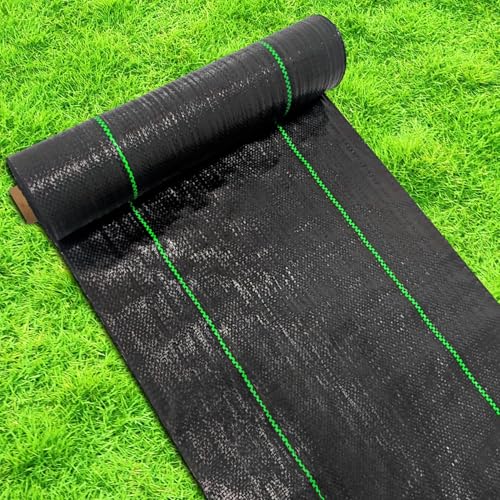
The Groweco barrier uses a heavy 3.2-ounce fabric in a narrow 1.4-foot by 50-foot roll. That shape works well around rows of vegetables, flower beds, and narrow paths. The woven surface helps block light while still allowing water to pass through. I like this type of material when I want a tidy bed without covering a large open area.
Good installation matters more than most buyers expect. I would clear weeds first, lay the fabric flat, and secure every edge before adding mulch or gravel. A narrow roll can also make cutting around plants easier. This is a weed-control layer, not a replacement for rich soil or a complete raised-bed frame.
Pros:
- Heavy 3.2-ounce construction
- Useful 50-foot roll length
- Good fit for narrow rows
- Allows water to reach soil
- Works under mulch and gravel
Cons:
- Narrow width may not suit large beds
- Needs staples for strong wind resistance
- Must be cut around growing plants
What Amazon Buyers Are Saying
Buyer feedback for heavy landscape fabric often focuses on its weight, ease of cutting, and weed-control value. Some gardeners like the clean look under mulch. Common concerns with this product type include frayed edges, difficult cuts, and weeds growing through uncovered seams. Actual results depend on careful ground preparation and secure placement.
My Recommendation
I recommend Groweco for narrow vegetable rows, flower borders, and garden paths. It is a practical choice when you need a strong weed barrier rather than a bed wall. The limited width is the main trade-off.
| Category | Rating |
|---|---|
| Fabric Strength | 4.5/5 |
| Weed Control | 4/5 |
| Ease of Use | 4/5 |
| Value | 4.2/5 |
| Overall Rating | 4.2/5 |
Greenhouse Hoops Grow Tunnel Frame

These fiberglass hoops add structure above a garden bed. The package lists six sets of 8-foot hoops, with 36 pieces in total. Fiberglass will not rust like untreated metal, which makes it useful in wet gardens. I would use this frame with row cover, shade cloth, insect netting, or plastic suited to garden use.
The hoops do not form a complete greenhouse by themselves. You still need a cover and a way to anchor it. Their value comes from creating a simple tunnel over plants. This setup can protect young crops from harsh sun, light frost, and some pests when paired with the right cover.
Pros:
- Rust-free fiberglass material
- Long 8-foot hoop pieces
- Supports many cover types
- Useful for DIY bed protection
- Can support taller crops than flat netting
Cons:
- Cover material is not included in the frame
- Needs firm anchoring in wind
- Hoop spacing affects cover support
What Amazon Buyers Are Saying
Buyers of garden hoop kits commonly value the light weight and quick setup. Many use them for frost cloth, bird netting, or shade fabric. The usual complaints concern unclear assembly, flexible pieces, and the need for extra clips or stakes. A strong result depends on the bed width and the cover chosen.
My Recommendation
This is a useful add-on for gardeners who already own a raised bed or ground plot. It does not replace the best garden bed material, but it improves protection around that material. I would buy it for a custom tunnel project.
| Category | Rating |
|---|---|
| Frame Material | 4.3/5 |
| Versatility | 4.5/5 |
| Setup | 4/5 |
| Value | 4.2/5 |
| Overall Rating | 4.2/5 |
FEED GARDEN 4 x 50-Foot Weed Barrier
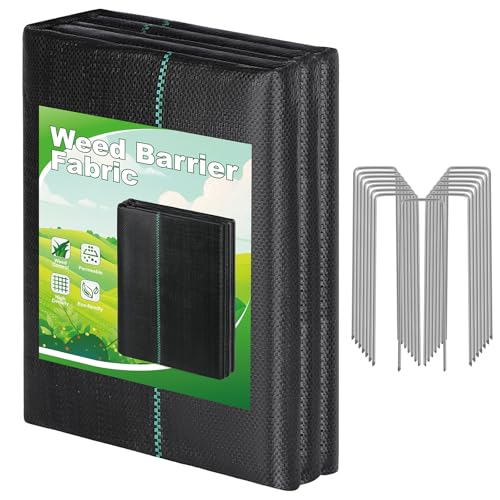
This FEED GARDEN roll gives you 4 feet of width and 50 feet of length. That makes it a better match for broad beds, long paths, mulch zones, and gravel areas. The woven geotextile design aims to block weeds while letting water drain. The included 15 garden staples add useful value because they help hold the first installation in place.
I would measure the area before ordering and overlap seams by several inches. Small gaps can let weeds return quickly. The fabric works best under a cover such as mulch, bark, or gravel. It can reduce maintenance, but it cannot stop weeds that grow from soil placed on top.
Pros:
- Wide 4-foot coverage
- Long 50-foot roll
- Includes 15 garden staples
- Fits beds, paths, and gravel areas
- Water-permeable woven design
Cons:
- Staple count may not cover a large project
- Requires accurate seam planning
- Needs a top layer for best hold
What Amazon Buyers Are Saying
Garden fabric buyers often praise wide rolls because they reduce the number of seams. Included staples also make the first setup easier. Reported problems with this product class usually include wind lifting loose edges and weeds appearing through uncovered overlaps. Buyers should view the fabric as part of a full weed-control system.
My Recommendation
This is one of the more useful choices for a larger garden footprint. The width, length, and staples give it strong practical value. I recommend it for gardeners who need ground cover under mulch or gravel.
| Category | Rating |
|---|---|
| Coverage | 4.6/5 |
| Weed Control | 4.2/5 |
| Installation | 4.3/5 |
| Value | 4.5/5 |
| Overall Rating | 4.4/5 |
AGGAFA Heavy-Duty Woven Weed Barrier

AGGAFA uses woven fabric made from virgin material, according to the product details. It also lists UV stabilization and water permeability. Those traits matter when fabric must stay outside through sun, rain, and regular watering. This material can work below mulch, around ornamentals, and in vegetable garden areas.
A woven barrier is usually easier to handle than a thick solid sheet. It can be trimmed around plants and shaped along straight borders. I would still secure the edges well and cover the surface soon after installation. UV protection can slow outdoor wear, but no fabric lasts forever when left exposed.
Pros:
- Woven construction for outdoor use
- UV-stabilized material
- Water-permeable surface
- Useful for landscape and garden beds
- Can be cut to fit different layouts
Cons:
- Product size should be checked before checkout
- May need separate staples
- Not a substitute for soil improvement
What Amazon Buyers Are Saying
Customers who buy woven landscape fabric often look for a balance of strength and easy handling. Positive comments tend to focus on water flow and reduced weed work. Common concerns include cutting cleanly, holding the corners, and confirming the roll size. These points make careful installation and product measurement important.
My Recommendation
AGGAFA is a solid option for buyers who place high value on UV-stabilized, water-permeable fabric. I would choose it for a landscape project where the exact roll size matches the plan. It earns a strong value rating.
| Category | Rating |
|---|---|
| Material Design | 4.4/5 |
| Outdoor Use | 4.4/5 |
| Water Flow | 4.2/5 |
| Value | 4.2/5 |
| Overall Rating | 4.3/5 |
Rakukiri Galvanized Oval Raised Bed

The Rakukiri planter uses galvanized metal in a 5-foot oval form. It is designed for vegetables, flowers, and herbs. Metal does not rot like untreated wood, so it can offer a long service life with little frame care. Its oval shape also gives the bed a softer look than a plain rectangle.
The GRS certification and recycled-material claim may appeal to buyers who consider material sourcing. I would place this bed on level ground and fill it with a good soil blend. Metal beds can warm faster in strong sun, so gardeners in hot areas should monitor moisture. The open planting area makes it easy to reach the center from both sides.
Pros:
- Galvanized metal resists rot
- Distinctive 5-foot oval shape
- Suitable for herbs, flowers, and vegetables
- Recycled-material claim adds appeal
- Requires less frame upkeep than wood
Cons:
- Metal edges need careful handling during assembly
- Oval space may be harder to plan than a rectangle
- Soil can dry faster in hot sun
What Amazon Buyers Are Saying
Buyers of metal raised beds often like the clean appearance and freedom from wood rot. Many also value simple seasonal upkeep. The most common concerns with metal beds involve assembly, edge handling, and heat in sunny locations. Always follow the supplied instructions and check the surface after setup.
My Recommendation
This is a good pick for a compact decorative garden. I especially like it for herbs and flowers near a patio. It is worth buying when an oval footprint fits your space.
| Category | Rating |
|---|---|
| Frame Durability | 4.5/5 |
| Garden Access | 4.3/5 |
| Appearance | 4.5/5 |
| Value | 4.2/5 |
| Overall Rating | 4.4/5 |
Best Choice 72 x 24 x 30-Inch Bed

This elevated planter measures 72 by 24 by 30 inches. Its tall format can reduce bending and make daily plant care easier. The listing describes galvanized steel and non-toxic materials. That makes it attractive for gardeners who want a dedicated vegetable, flower, or herb station.
The narrow 24-inch depth allows access from both sides in many locations. I would still check the final placement before filling it because soil becomes heavy. Elevated beds need careful drainage planning and regular watering. Their smaller root zone may also limit very deep crops.
Pros:
- 30-inch working height
- Good access for many gardeners
- Galvanized steel construction
- Non-toxic material claim
- Fits patios and compact yards
Cons:
- Requires more soil than a low planter
- May need extra stability on uneven ground
- Not ideal for deep-rooted crops
What Amazon Buyers Are Saying
Elevated planter buyers often praise the reduced need to kneel and bend. Compact gardeners also like the fit on patios and small yards. Typical concerns include soil cost, assembly time, and stability after filling. These are normal planning points for any tall raised planter.
My Recommendation
I recommend this bed for accessibility and small-space use. It is not the lowest-cost option after adding soil, but the working height can justify the expense. It earns a high comfort score.
| Category | Rating |
|---|---|
| Accessibility | 4.7/5 |
| Frame Quality | 4.3/5 |
| Space Efficiency | 4.4/5 |
| Value | 4.1/5 |
| Overall Rating | 4.4/5 |
Best Choice 8 x 4 x 2-Foot Raised Bed
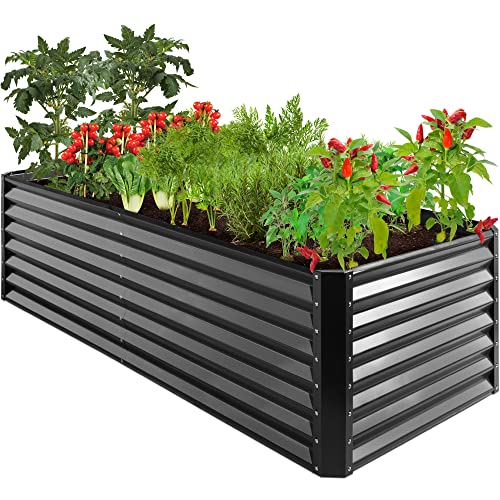
This large raised bed measures 8 by 4 by 2 feet and lists a 478-gallon capacity. Its open-bottom design lets the bed sit over soil while giving roots room to extend downward. Galvanized steel avoids the rot concerns linked to untreated lumber. The gray finish also fits many modern yard layouts.
The large footprint gives you room for several crops, but it also creates a major soil requirement. I would build the bed in its final location before filling it. An open bottom helps drainage, yet the site still needs level, healthy ground. Plan crop spacing carefully so the center remains reachable.
Pros:
- Large 8 x 4-foot growing area
- Deep 2-foot profile
- Open-bottom design
- Galvanized steel construction
- Useful for mixed vegetable planting
Cons:
- Needs a large amount of soil
- Heavy and difficult to move after filling
- Requires a level installation site
What Amazon Buyers Are Saying
Large raised-bed buyers usually like the planting room and clean metal look. They often mention that assembly and placement require planning. The most practical concern is the quantity and cost of soil. Some gardeners also note that a wide bed needs paths around it for easy access.
My Recommendation
This is my strongest choice for a full-size vegetable garden. It offers more growing space than the smaller beds and avoids wood rot. Buy it only after measuring the site and planning the soil budget.
| Category | Rating |
|---|---|
| Growing Space | 4.8/5 |
| Drainage Design | 4.5/5 |
| Durability | 4.5/5 |
| Value | 4.4/5 |
| Overall Rating | 4.6/5 |
2-Pack Fine Mesh Netting for Raised Beds

This two-pack of ultra-fine mesh fits 4 by 2-foot rectangular beds. The drawstring design helps pull the cover around the bed edges. It is intended to reduce access by birds, pests, and small animals. For a small raised bed, a fitted cover can be easier to manage than a loose sheet.
Netting must not rest heavily on fragile plants. I would use supports when crops grow tall or when the cover faces snow and strong wind. Fine mesh can also reduce access by helpful pollinators, so remove it during flowering when appropriate. Check the cover often for gaps and trapped wildlife.
Pros:
- Designed for 4 x 2-foot beds
- Two-piece pack
- Ultra-fine mesh
- Drawstring helps secure the edge
- Useful against birds and small animals
Cons:
- Limited fit for larger beds
- Needs removal for some pollination
- Can tear if pulled over rough edges
What Amazon Buyers Are Saying
Small-bed netting buyers often like the fitted shape and simple drawstring. Many use it when birds or small animals damage young crops. Typical issues include incorrect bed measurements, snagging, and the need for added support. Buyers should measure the outside of the bed before ordering.
My Recommendation
This is a smart accessory for a small rectangular raised bed. It is not garden bed material by itself, but it protects the best garden bed material you choose. I recommend it when the listed dimensions match your planter.
| Category | Rating |
|---|---|
| Fit | 4.5/5 |
| Pest Protection | 4.2/5 |
| Ease of Use | 4.4/5 |
| Value | 4.2/5 |
| Overall Rating | 4.3/5 |
RIFNY 10 x 33-Foot Garden Netting

RIFNY provides two pieces of 10 by 33-foot ultra-fine mesh. That large amount of material suits long rows, wide beds, and custom covers. The mesh can help block birds, insects, and other crop pests when you install it with no open gaps. It gives gardeners more freedom than a cover made for one exact bed size.
I would cut the netting only after measuring the frame. Leave enough extra material for anchoring and plant growth. A hoop frame can keep the mesh above foliage and make watering easier. Like all insect mesh, it can affect pollination, so plan when to uncover flowering crops.
Pros:
- Large 10 x 33-foot pieces
- Two-piece package
- Works on custom bed layouts
- Useful for rows and tunnels
- Fine mesh helps limit pest access
Cons:
- Needs cutting or folding for small beds
- Requires separate support and anchors
- Fine mesh can restrict pollinator access
What Amazon Buyers Are Saying
Buyers who manage several beds often value the generous coverage. They use it for row crops, fruit, and young plants. Common concerns include measuring, tying the loose edges, and making room for plant growth. Large netting works best when paired with a simple support frame.
My Recommendation
RIFNY is my choice for gardeners who need flexible, large-area crop protection. It gives you enough material for several small projects. It offers better value than a fitted cover when your bed sizes vary.
| Category | Rating |
|---|---|
| Coverage | 4.7/5 |
| Mesh Use | 4.4/5 |
| Flexibility | 4.6/5 |
| Value | 4.5/5 |
| Overall Rating | 4.5/5 |
FEED GARDEN 8 x 10-Foot Mesh Cover

This FEED GARDEN cover measures 8 by 10 feet and uses ultra-fine PE mesh. The size fits many medium raised beds and simple row covers. It aims to protect vegetables and fruit from birds and animals. Compared with a small fitted cover, it gives you more room to drape and anchor around the edges.
I would use hoops or stakes so the mesh does not crush tender plants. Secure the bottom all around the bed because even a small gap can let pests enter. The material is best for physical protection, not for frost insulation. Store it dry and out of direct sun when the growing season ends.
Pros:
- Useful 8 x 10-foot coverage
- Ultra-fine PE mesh
- Fits many medium beds
- Helps deter birds and animals
- Works as a flexible row cover
Cons:
- Needs anchors or a support frame
- Does not provide strong frost protection
- Loose edges require careful securing
What Amazon Buyers Are Saying
Buyers commonly choose this type of cover for a medium bed or short row. They like the balance between coverage and easy storage. The main complaints tend to involve wind, loose edges, and confusion between insect netting and frost cloth. Correct use and firm anchoring improve results.
My Recommendation
This is a practical middle-size crop cover. I would choose it for one medium bed where a fitted net is not needed. It is affordable protection when installed with a frame or strong anchors.
| Category | Rating |
|---|---|
| Coverage | 4.4/5 |
| Crop Protection | 4.2/5 |
| Handling | 4.3/5 |
| Value | 4.3/5 |
| Overall Rating | 4.3/5 |
How to Choose Best Garden Bed Material
Choosing the best garden bed material starts with the job you need it to do. A bed frame holds soil. Landscape fabric blocks weeds. Netting protects plants. A hoop frame supports a cover. First define the problem, then choose the material that solves it.
1. Match the Material to the Garden Job
Choose galvanized steel when you need a raised wall that will not rot like untreated wood. Choose woven fabric when weeds are the main concern. Choose mesh when birds or insects damage crops. Use fiberglass hoops when you need height for a cover. These products work together, but they do not perform the same task.
2. Check Size, Drainage, and Access
Measure the site before you buy. A wide bed needs paths on all sides or a design that lets you reach the center. Open-bottom beds need healthy ground and good drainage. Tall beds need a stable base. For fabric and netting, plan seams, overlaps, and anchor points before cutting.
3. Compare Long-Term Value
Look past the first price. A metal bed may cost more than wood but can reduce rot concerns. A wide fabric roll may cover more ground with fewer seams. Netting with a fitted drawstring can save setup time. Also budget for soil, staples, hoops, clips, mulch, and replacement covers. The best garden bed material is the one that fits both your growing plan and your maintenance budget.
Final Verdict: Which Should You Buy?
For a large vegetable garden, the Best Choice 8 x 4 x 2-foot galvanized steel bed is my top pick. For weed control, FEED GARDEN 4 x 50-foot fabric offers the best coverage.
The best garden bed material depends on your space and goal. Pair a durable metal frame with quality soil, weed fabric, and crop netting for a productive 2026 garden.
FAQs Of best garden bed material
What is the best material for a raised garden bed?
Galvanized steel is a strong choice because it resists rot and needs little frame care. Untreated wood costs less but can decay sooner.
Is woven landscape fabric good for garden beds?
Yes. Woven fabric can block weeds while allowing water to pass. Install it tightly and cover it with mulch or gravel.
Does galvanized metal make soil too hot?
Metal can warm in strong sun. Check soil moisture more often during hot weather, especially in shallow beds.
Should garden netting touch plants?
It is better to support netting above plants. This reduces rubbing and leaves room for growth.
What should I put under a raised garden bed?
For an open-bottom bed, choose level ground with good drainage. Remove aggressive weeds first, then add quality soil and compost.


2 Comments