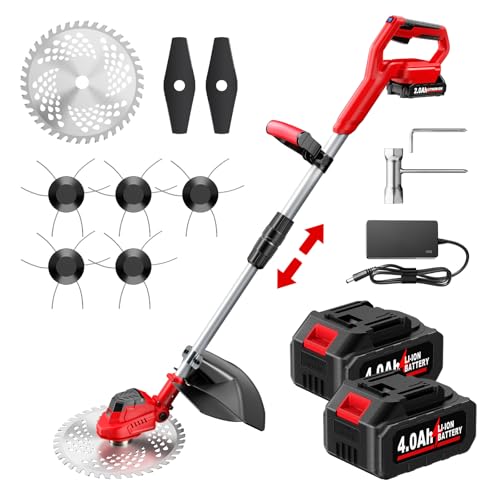
Weed eaters typically cost between $30 and $500 in the USA, with most homeowners spending about $80 to $250 for a reliable string trimmer. The price depends on the power source, cutting performance, battery system, brand, and whether the tool is designed for residential or commercial use.
Across the United States, homeowners use weed eaters, also called string trimmers or weed trimmers, to maintain grass edges, remove weeds around fences, and clean areas a lawn mower cannot reach. The cost of a weed eater varies widely because simple electric models and heavy-duty gas-powered machines are designed for very different yard conditions.
A budget homeowner model may handle small yards for under $100, while professional-grade gas or battery-powered trimmers can cost several hundred dollars. Understanding the differences between these categories helps buyers avoid paying for more power than they need or choosing a model that cannot handle their property.
The average cost of a weed eater depends on the type of machine and the job it needs to perform. Entry-level electric models can start around $30 to $70, while dependable homeowner models commonly fall between $100 and $250. Professional-grade equipment can reach $300 to $500 or more.
The biggest price differences come from motor power, battery technology, cutting width, durability, and intended use. A small suburban yard usually does not require the same equipment as a landscaping business maintaining multiple properties every week.
Source: gardengotime.com
Budget weed eaters: $30 to $100
These models are generally designed for light trimming, small yards, and occasional maintenance. They may have lower power and shorter operating times.
Mid-range weed eaters: $100 to $250
This category includes many homeowner-friendly battery and electric models with better durability, performance, and convenience.
Premium and commercial weed eaters: $250 to $500+
Heavy-duty trimmers provide stronger motors, larger cutting systems, and features designed for frequent or demanding use.
Typical Weed Eater Price Range by Type
Different weed eater types have different purchase costs because each uses a different power system and is built for specific lawn conditions.
Corded electric weed eaters
Usually cost about $30 to $100 and work well for small yards near an outdoor electrical outlet.
Battery-powered weed eaters
Often cost about $80 to $300, depending on battery voltage, battery capacity, and whether a charger and battery are included.
Gas-powered weed eaters
Commonly range from about $150 to $500 because they are built for longer runtime and tougher vegetation.
What Factors Affect Weed Eater Prices?
The price of a weed eater is influenced by more than the brand name. Features that improve performance, convenience, or durability generally increase the purchase price.
Before buying, consider how often you will use the tool, the size of your property, and the type of vegetation you need to cut.
Source: lawngrowth.com
Power source
Gas engines usually provide the most power, while battery and corded electric models often have lower maintenance requirements.
Battery system
Battery-powered models may cost more because lithium-ion batteries and chargers add significant value and replacement cost.
Cutting capability
Larger cutting widths, stronger motors, and heavier-duty cutting lines generally increase the price.
Build quality
Commercial equipment often uses stronger components designed to handle frequent operation.
A higher price does not automatically guarantee a longer lifespan. Durability depends on construction quality, maintenance, storage conditions, and how closely the tool matches the workload.
A homeowner who trims a small yard several times each month may get many years of use from a mid-range model, while a cheaper model used commercially may wear out quickly.
Weed Eater Cost Comparison Table
The following comparison shows common price ranges for different weed eater categories. Actual prices vary by brand, included accessories, seasonal discounts, and retailer availability.
Source: boomandbucket.com
Small yard homeowner
A basic corded or battery-powered model around $50 to $150 is often enough for trimming grass edges and light weeds.
Average suburban property
A battery-powered or entry-level gas model around $150 to $300 can provide better performance and convenience.
Large property or frequent use
A commercial-quality gas or high-end battery trimmer around $300 to $500 or more may be more suitable.
Additional Costs to Consider
The purchase price is only part of the total cost. Replacement parts and operating expenses can affect long-term ownership costs.
Replacement trimmer line
String replacement is a routine expense for all string trimmers.
Extra batteries
Battery users may buy additional batteries to extend runtime.
Fuel and maintenance
Gas models require fuel and regular maintenance such as cleaning filters and servicing engine components.
Which Type of Weed Eater Should You Buy?
The best weed eater depends on your property size, trimming frequency, and preference for convenience or maximum power. There is no single model type that works best for every homeowner.
Small residential yards often benefit from lightweight electric models, while large properties with thick vegetation may require stronger equipment.
You have a small yard and do not mind working near an electrical outlet.
Choose battery-powered if
You want quieter operation, easier starting, and less maintenance.
Choose gas-powered if
You need extended runtime and stronger performance for large areas or heavy weeds.
Common Buying Mistakes to Avoid
Many buyers spend too much by purchasing equipment designed for professional use when their yard only requires occasional trimming. Others choose inexpensive models that struggle with their property conditions.
Ignoring yard size
Match the tool’s runtime and power to the amount of trimming you need to complete.
Forgetting battery costs
Check whether batteries and chargers are included before comparing prices.
Buying based only on price
The cheapest option may have lower durability or insufficient power for your needs.
Weed eaters use rapidly spinning cutting lines or blades, so proper safety practices are necessary during operation. Protective equipment and correct handling reduce the risk of injury from flying debris.
Source: qaqooking.wiki
Wear protective gear
Use safety glasses, sturdy footwear, and hearing protection when recommended by the manufacturer.
Inspect the work area
Remove rocks, sticks, and objects that could be thrown by the cutting head.
Follow manufacturer instructions
Use the correct line size, attachments, and operating procedures for your specific model.
Frequently Asked Questions
Q
How much should I spend on a weed eater?
Most homeowners should expect to spend between $100 and $250 for a reliable weed eater. Smaller yards may only require a lower-cost model, while larger properties may justify a more powerful machine.
Q
Are battery weed eaters worth the money?
Battery weed eaters can be worth the cost for many homeowners because they are quiet, easy to start, and require less maintenance than gas models. They are best suited for yards within the tool’s runtime limits.
Q
Why are gas weed eaters more expensive?
Gas weed eaters often cost more because they use engines designed for stronger performance and longer operation. They are commonly used where extra power is needed.
Q
Do weed eaters come with batteries and chargers?
Some battery models include batteries and chargers, while others are sold as tool-only products. Always check the package contents before comparing prices.
Q
How long does a weed eater usually last?
A weed eater’s lifespan depends on the model quality, maintenance, storage, and frequency of use. Proper care can significantly extend the useful life of the equipment.
✦ Wrapping Up
Conclusion
Weed eater prices in the USA range from about $30 for basic models to more than $500 for professional equipment. The right choice depends on your yard size, the type of weeds you need to remove, and how often you plan to use the tool.
For most homeowners, a mid-range battery or electric weed eater offers a practical balance of price, convenience, and performance. Buyers with larger properties or demanding trimming jobs may benefit from investing in a more powerful gas or premium battery model.
💡 Key Takeaway
Before buying a weed eater, estimate your yard size, compare total ownership costs, and choose a model that matches your actual trimming needs rather than simply choosing the highest-priced option.
If you’ve ever tried mowing your lawn and your mower sputtered, refused to start, or coughed out clouds of smoke, chances are the carburetor is the culprit. The Honda Lawn Mower Carburetor Replacement process might sound intimidating, but in reality, it’s one of the most rewarding repairs a homeowner can learn. Think of your mower’s…
Learn how to sharpen lawn mower blades without removing them using safe methods, the right tools, preparation steps, and tips for better cutting performance.
There’s nothing more frustrating than pulling your mower cord and hearing… nothing. You tug again, a little harder this time, and suddenly the rope snaps back—or worse, breaks completely. Now, instead of mowing your yard, you’re stuck diagnosing a new problem. The truth is, lawn mower starter cord replacement is one of those maintenance tasks…
When your DeWalt electric lawn mower not starting moment strikes, it often happens on the worst possible day—sunny weather, tall grass, and your schedule packed. You press the start button, expecting that familiar hum, but instead, nothing happens. No sound, no movement—just silence. Whether you’re using a DeWalt 20V, 40V cordless, or corded mower, this…