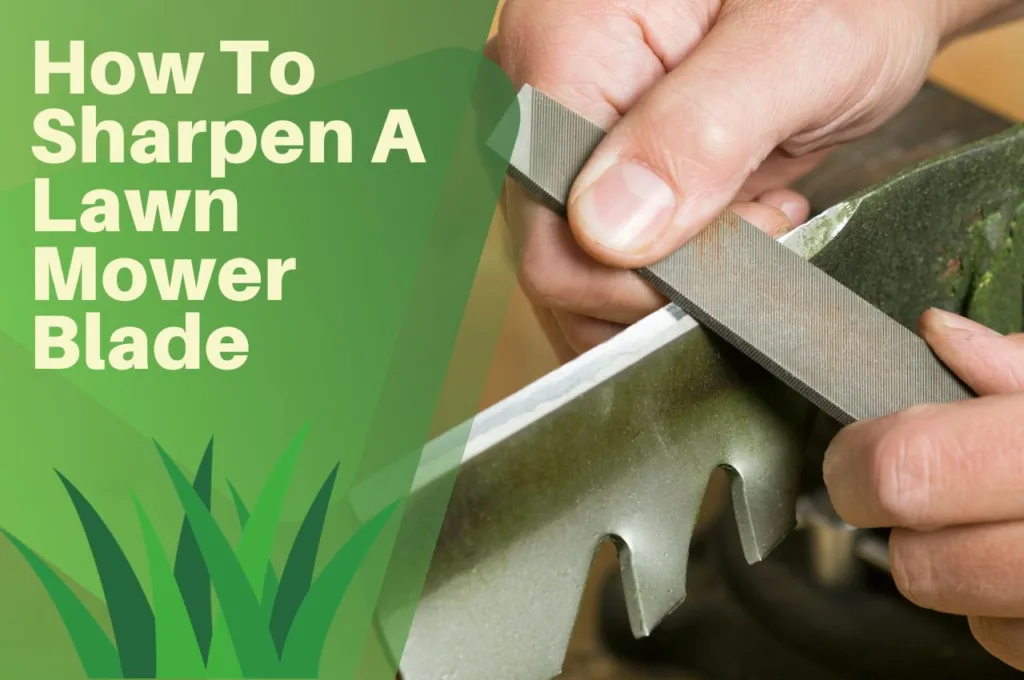
You can sharpen a mower blade by hand by removing the blade, securing it safely, filing or grinding the cutting edge at the original angle, checking the balance, and reinstalling it correctly.
For homeowners across the United States, a sharp lawn mower blade is essential for maintaining a healthy-looking lawn during the growing season. Whether you maintain a small suburban yard or a larger property, a dull mower blade can tear grass instead of cutting it cleanly, leaving uneven growth and brown tips.
Sharpening a mower blade by hand is a practical maintenance task that requires basic tools, careful technique, and attention to safety. The goal is not to create a razor-sharp edge but to restore the manufacturer’s cutting angle while keeping the blade balanced and structurally sound.
What You Need Before Sharpening a Mower Blade by Hand
Before starting, gather the correct tools and prepare a safe workspace. Most standard lawn mower blades can be sharpened manually with simple equipment, but the blade must be removed first because sharpening underneath an assembled mower creates unnecessary safety risks.
The exact tools depend on the blade condition and your preferred method. A hand file provides control and removes metal slowly, while a sharpening stone or manual grinder can speed up the process for moderately dull blades.
Source: www.pinterest.com
Safety equipment
Wear work gloves and safety glasses to protect your hands and eyes from sharp edges and metal particles.
Blade removal tools
Use the correct wrench or socket size for your mower blade bolt and follow the mower manufacturer’s instructions when available.
Sharpening tool
A mill file, blade sharpening file, or sharpening stone works well for controlled hand sharpening.
Blade holding method
Use a vise, clamp, or another stable method to prevent the blade from moving during sharpening.
Check Whether the Blade Can Be Sharpened
Inspect the blade before sharpening. Normal dullness, small nicks, and minor edge wear can usually be corrected. However, a blade with cracks, major bends, missing sections, or excessive rust damage should be replaced instead of repaired.
Sharpenable condition
The blade has a dull edge but maintains its original shape and structural strength.
Replacement condition
The blade is cracked, bent, heavily damaged, or too thin from repeated sharpening.
Step-by-Step: How to Sharpen a Mower Blade by Hand
The sharpening process involves restoring the cutting edge without changing the blade shape. Remove only enough metal to create a clean edge because excessive grinding can weaken the blade or affect balance.
Follow the original bevel angle on the blade. Most mower blades are designed with a specific cutting angle, and changing that angle can reduce cutting performance.
Source: theturfdoctor.co.uk
Step 1: Disconnect the mower safely
For gas mowers, disconnect the spark plug wire before working. For electric or battery models, remove the battery or unplug the power source.
Step 2: Remove the blade
Tilt the mower safely, mark the blade orientation if needed, and remove the mounting bolt carefully.
Step 3: Secure the blade
Place the blade in a vise or clamp so it cannot move while filing.
Step 4: Sharpen the cutting edge
Push the file along the cutting edge in one direction while maintaining the existing angle.
Step 5: Smooth and balance the blade
Remove rough edges, then check that both sides weigh evenly before reinstalling.
Hold the file at the same angle as the existing bevel and move it from the inside of the blade edge toward the outside. Avoid back-and-forth sawing motions because they can create an uneven edge.
A properly sharpened mower blade should have a consistent cutting edge without becoming dangerously sharp like a knife.
Maintain the factory angle
Keeping the original bevel preserves the blade design and cutting efficiency.
Remove equal amounts of material
Sharpen both ends evenly to maintain blade balance.
How to Know If Your Mower Blade Is Sharp Enough
A properly sharpened mower blade cuts grass cleanly and allows the mower to operate without excessive vibration. The edge should be smooth and consistent, but it does not need to be polished or extremely sharp.
After reinstalling the blade, observe mower performance. Improved cutting quality, fewer missed patches, and cleaner grass tips are signs that sharpening was successful.
Source: www.youtube.com > Chris Notap
Clean grass cuts
Grass blades appear cut rather than torn or shredded.
Reduced vibration
A balanced blade helps the mower run more smoothly.
Even mowing results
The mower produces a more consistent cut across the lawn.
Common Mistakes When Sharpening a Lawn Mower Blade by Hand
Many mower blade sharpening problems happen because homeowners remove too much metal, ignore blade balance, or sharpen without proper safety preparation.
Avoiding these mistakes helps extend blade life and prevents poor mowing performance.
Source: fyojrvmrx.blob.core.windows.net
Sharpening without removing the blade
Working under the mower can increase injury risk and makes it harder to sharpen evenly.
Sharpening is not a solution for every damaged blade. If inspection reveals structural damage, replacement is usually the safer option because a mower blade spins at high speed during operation.
Visible cracks
Cracks can spread during operation and create a dangerous failure point.
Severe bending
A bent blade may create vibration even after sharpening.
Frequently Asked Questions
Q
How often should I sharpen a mower blade?
Many homeowners sharpen mower blades several times during the mowing season, but the ideal frequency depends on lawn size, mowing conditions, and how often the mower is used. Inspect the blade when cutting quality decreases.
Q
Can I sharpen a mower blade without removing it?
Although some people attempt this, removing the blade is generally safer and allows better control. It also makes it easier to check for cracks, bends, and balance problems.
Q
What angle should I sharpen a mower blade?
Sharpen the blade at the same angle as the existing factory bevel. Avoid creating a new angle because mower blades are designed to work with their original cutting geometry.
Q
How do I balance a mower blade after sharpening?
Place the blade on a blade balancer or a horizontal support point. If one side drops lower, remove a small amount of metal from that heavier side until the blade balances.
Q
Can a dull mower blade damage grass?
Yes. A dull blade often tears grass instead of making a clean cut, which can leave damaged-looking tips and may affect lawn appearance.
✦ Wrapping Up
Conclusion
Learning how to sharpen a mower blade by hand is a useful lawn maintenance skill that can improve mowing results and help extend blade life. The process requires careful preparation, the correct sharpening angle, and a final balance check.
Regular inspection and proper sharpening can keep a mower cutting efficiently, but damaged blades should be replaced rather than repaired.
💡 Key Takeaway
Remove the blade safely, sharpen only the cutting edge at its original angle, check the balance, and reinstall it correctly before mowing again.
Learn how to install riding mower blades safely with this detailed step-by-step guide. Understand blade direction, required tools, safety steps, common mistakes, and troubleshooting tips.