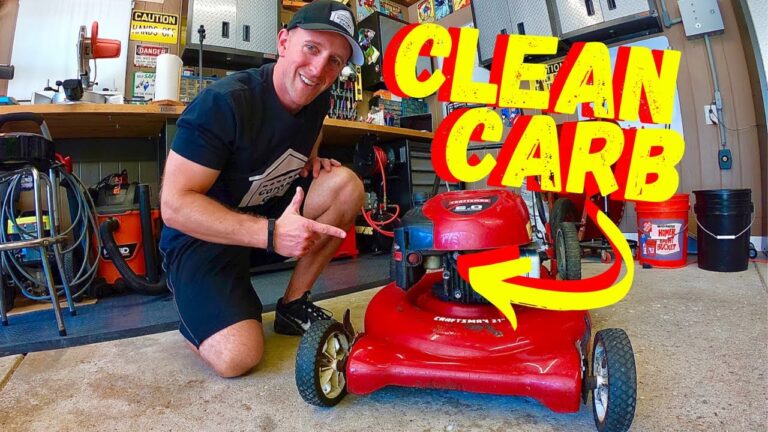
Bad gas can cause a lawn mower to run poorly, fail to start, lose power, or stop unexpectedly. The most effective fix is usually to drain the old fuel, clean the fuel system if needed, and refill the mower with fresh gasoline.
Across the United States, many homeowners store lawn mowers in garages, sheds, or outdoor storage areas during the winter or between mowing seasons. When the mower is started again, stale gasoline left in the fuel tank can be one of the most common reasons for hard starting, rough running, or engine failure.
Bad gas in a lawn mower usually means fuel that has degraded from age, moisture contamination, oxidation, or improper storage. Modern gasoline containing ethanol can absorb water from the air over time, which may contribute to fuel separation and poor engine performance. Identifying the fuel problem early can help prevent unnecessary damage to the carburetor and other small engine components.
Bad gas is gasoline that has changed enough that it no longer works properly as engine fuel. In a lawn mower, degraded gasoline may burn poorly, leave deposits, restrict fuel flow, or create starting and performance problems.
Gasoline quality declines over time because lighter fuel components evaporate and chemical reactions occur when fuel is exposed to oxygen. Fuel stored for long periods, especially in a partially filled tank, is more likely to develop problems.
Source: shirdisaibabakripa.org
Old fuel
Gasoline that remains in a mower for many months can become stale and less effective.
Water contamination
Moisture entering the fuel system can affect combustion and may cause engine problems.
Ethanol-related issues
Gasoline containing ethanol can attract moisture, which may increase the risk of fuel separation during storage.
How Long Does Gas Last in a Lawn Mower?
Gasoline storage life depends on fuel quality, storage conditions, temperature, and whether fuel stabilizer is used. Fuel left in a mower through a long storage period may become unreliable, especially when exposed to temperature changes and air inside the tank.
Short storage periods
Fresh fuel is generally less likely to cause problems when used regularly.
Long storage periods
Fuel sitting through an entire off-season may need inspection before operating the mower.
Signs Your Lawn Mower Has Bad Gas
The symptoms of bad gasoline often appear as starting difficulties or poor engine performance. However, these signs can also come from other problems, so fuel should be checked along with basic maintenance items such as the air filter and spark plug.
Source: shirdisaibabadevotees.com
Engine will not start
Old or contaminated fuel may prevent the engine from receiving a proper fuel mixture.
Rough running
The mower may sputter, surge, or run unevenly because the fuel does not burn consistently.
Loss of power
Poor-quality fuel can reduce combustion efficiency and make mowing difficult.
Unusual fuel smell
Stale gasoline may have a different odor compared with fresh fuel.
A mower that will not start does not always have bad gas. Checking the fuel condition first is practical, but other causes such as a dirty carburetor, faulty spark plug, or blocked air filter may produce similar symptoms.
Fuel problem
Old gasoline, water contamination, or restricted fuel flow may be responsible.
Mechanical problem
Engine parts may require cleaning, adjustment, or repair if fresh fuel does not solve the issue.
How to Fix a Lawn Mower With Bad Gas
The safest approach is to remove questionable fuel before attempting more complicated repairs. Working with gasoline requires care because fuel is flammable and should be handled away from sparks, flames, and heat sources.
Source: shirdisaibabadevotees.com
Step 1: Turn off the mower
Allow the engine to cool before handling fuel components.
Step 2: Remove old gasoline
Drain the fuel tank using an appropriate container and follow the mower manufacturer’s guidance.
Step 3: Inspect the fuel system
Check for water, debris, damaged fuel lines, or signs of contamination.
Step 4: Add fresh fuel
Refill with fresh gasoline suitable for the mower engine and operate according to the owner’s manual.
What If Fresh Gas Does Not Fix the Mower?
If the mower still runs poorly after replacing old fuel, the issue may have moved beyond the gasoline itself. Old fuel can leave deposits inside the carburetor, which may require cleaning or professional service.
Check the carburetor
Fuel deposits may restrict proper fuel delivery.
Check the spark plug
A worn or dirty spark plug can prevent reliable ignition.
Check the air filter
A clogged filter can affect the air-fuel mixture.
How to Prevent Bad Gas Problems in a Lawn Mower
Preventing bad gas is easier than repairing fuel-related problems. Proper fuel storage and seasonal maintenance can help keep a lawn mower ready for the next mowing season.
Source: shirdisaibabadevotees.com
Use fresh gasoline
Avoid keeping fuel stored longer than necessary.
Store fuel correctly
Keep gasoline in an approved container designed for fuel storage.
Use fuel stabilizer when appropriate
A stabilizer may help preserve fuel quality during longer storage periods when used according to product instructions.
Follow seasonal storage steps
Prepare the mower before long periods without use.
Winter storage practices vary depending on the mower manufacturer, fuel type, storage conditions, and maintenance recommendations. Following the owner’s manual is the best way to choose between draining fuel and using properly treated fuel.
Manufacturer guidance
Always prioritize instructions for the specific mower model.
Common Mistakes When Dealing With Bad Lawn Mower Gas
Many fuel problems become worse when old gasoline is ignored or when unsafe fuel handling practices are used. Understanding common mistakes can help protect both the mower and the person performing maintenance.
Source: shirdisaibabadevotees.com
Adding fresh gas on top of old fuel
Mixing new gasoline with heavily degraded fuel may not solve the underlying problem.
Running contaminated fuel repeatedly
Continuing to operate the mower with questionable fuel can increase deposits and performance issues.
Ignoring safety
Gasoline should always be handled carefully because vapors can ignite.
Frequently Asked Questions
Q
How do I know if my lawn mower has bad gas?
Common signs include difficulty starting, sputtering, poor power, engine stalling, and fuel that smells different from fresh gasoline. These symptoms can also come from other engine problems, so fuel condition should be checked along with basic maintenance items.
Q
Can old gas damage a lawn mower?
Old gasoline can contribute to fuel system problems by leaving deposits or causing poor combustion. If contaminated fuel remains in the mower for a long time, cleaning or repair of fuel system components may become necessary.
Q
Can I mix old gas with new gas in a lawn mower?
Mixing a small amount of older fuel with fresh fuel may not always cause problems, but heavily degraded or contaminated gasoline should be removed rather than diluted.
Q
Why does my lawn mower start after adding gas but then die?
A mower that starts briefly and stops may have a fuel delivery problem caused by bad gas, clogged passages, or carburetor issues. Fresh fuel is a good first check, but continued problems may require additional inspection.
Q
When should I get professional help for bad gas problems?
Seek professional assistance if the mower continues to fail after replacing fuel, if fuel system parts appear damaged, or if you are uncomfortable handling gasoline or performing repairs.
✦ Wrapping Up
Conclusion
Bad gas is a common reason a lawn mower becomes difficult to start or runs poorly, especially after long storage periods. Checking the fuel condition and replacing old gasoline are practical first steps before moving to more complex repairs.
Regular fuel management, proper storage, and following the mower manufacturer’s maintenance instructions can reduce fuel-related problems and help keep the engine operating reliably.
💡 Key Takeaway
If you suspect your lawn mower has bad gas, stop using the old fuel, drain and replace it safely, then check other engine components if performance problems continue.
If you’ve ever spent a Saturday morning tugging at your mower’s cord only to hear sputters instead of a roar, you know how frustrating it feels when your lawn mower engine gives out. It’s like the heart of your machine suddenly stopped beating. You’ve sharpened the blades, cleaned the deck, and checked the fuel —…
Affiliate Disclosure: As an Amazon Associate, we may earn a small commission on qualifying purchases made through links in this article — at no extra cost to you. When your lawn mower blades will not engage, it feels like the whole mowing day is wasted before it even starts. You pull the lever, flip the…
Maintaining your lawn mower might not be the most glamorous chore, but it’s essential if you want a pristine, well-manicured lawn. One of the most overlooked components of a Honda mower is the belt. A worn, cracked, or broken belt can lead to uneven cutting, poor blade engagement, and even added stress on your mower’s…
Can you use old gas in a lawn mower? Learn how gasoline age affects mower performance, when old fuel is still usable, how to fix bad gas problems, and when to replace it.
When your Toro lawn mower starts feeling hard to push, slips on hills, or struggles to move evenly across your lawn, chances are the problem isn’t with the engine — it’s with the wheels. Many homeowners overlook this simple yet critical component. A worn or cracked wheel can turn mowing into a workout, reducing traction…