


Affiliate Disclosure: As an Amazon Associate, we may earn a small commission on qualifying purchases made through links in this article — at no extra cost to you.
When your lawn mower blades will not engage, it feels like the whole mowing day is wasted before it even starts. You pull the lever, flip the PTO switch, or press the control handle — and nothing happens. The engine hums, but the blades sit still. It’s frustrating, especially when the grass is tall and time is short.
If this sounds familiar, you’re not alone. Thousands of homeowners face this same issue each season, whether they’re using a push mower, self-propelled model, or riding mower. The good news? The fix is often simple — a loose belt, stuck pulley, tripped safety switch, or just a weak battery.
This guide will walk you through every step to find and fix why your lawn mower blades won’t engage. We’ll start with basic checks, then move into mechanical, electrical, and safety-related issues. By the end, you’ll know exactly what to look for — and how to prevent it from happening again.
Understanding Why Lawn Mower Blades Won’t Engage
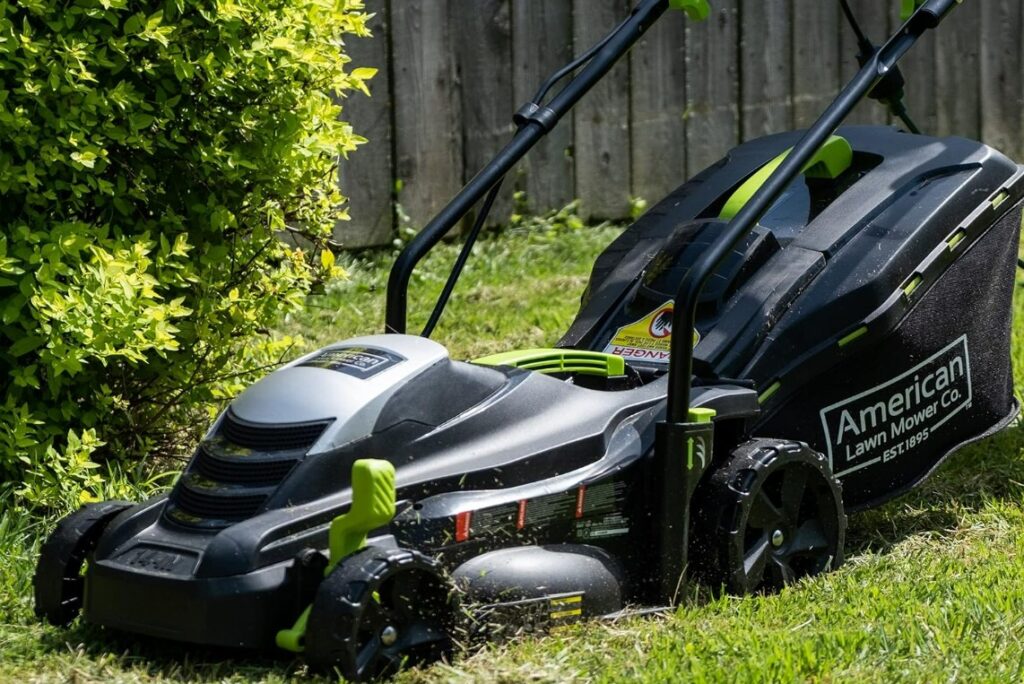
Before jumping into fixes, it helps to understand how blade engagement works. When you engage the blades, a system of switches, belts, and pulleys connects the engine’s power to the cutting deck. If any part of that system fails — whether mechanical or electrical — the blades won’t spin.
Here are the most common causes when lawn mower blades do not engage:
| Cause | Description |
|---|---|
| PTO or engagement lever not activated | Handle or switch isn’t pulled fully or malfunctioning |
| Safety interlock not satisfied | Parking brake on, seat switch not pressed, or control arms not in position |
| Worn or broken deck belt | Belt slips or breaks under tension |
| Faulty idler pulley or spring | Belt loses tension and can’t drive the blades |
| Bad PTO clutch or switch | Electric clutch won’t engage due to low voltage or failure |
| Blown fuse or weak battery | Power never reaches the clutch |
| Debris or jammed spindle | Grass buildup or foreign objects block the blades |
| Stretched cable (manual mowers) | Engagement cable no longer pulls the brake arm fully |
| Corroded connectors or damaged wiring | Prevents clutch from receiving current |
Think of your mower like a chain of small systems — mechanical, electrical, and safety. If even one link is weak, the whole chain breaks.
Step 1: Quick Safety and Interlock Checks
Sometimes, the problem isn’t mechanical at all — it’s the safety system doing its job. Modern mowers are designed with multiple safety interlocks that prevent the blades from spinning under unsafe conditions.
Before reaching for tools, start with these simple safety checks:
1. Check Your Position
- Riding Mowers: Sit fully in the seat. Most riding mowers use a seat switch that cuts power to the PTO clutch if you stand or shift your weight.
- Zero-Turn Models: Make sure both control levers are in the “drive” position and the parking brake is off. If the arms are outward or the brake is on, the mower won’t engage the blades.
- Push or Self-Propelled Mowers: Firmly squeeze and hold the bail lever (also called the blade control handle). Some models require a very tight grip for the cable to pull the brake arm properly.
2. Verify the PTO Switch or Lever
Cycle the PTO switch (pull it up, push it down) a few times. Dust or oxidation inside can interrupt contact. On manual models, ensure the lever moves freely without stiffness or grinding.
3. Check the Battery and Fuse
For mowers with an electric PTO clutch, low voltage is a silent killer. Even if the engine cranks, there might not be enough power to pull in the clutch.
- Turn off the engine and measure the battery: it should read 12.6V or higher.
- Start the engine: a healthy charging system should read 13.8V to 14.4V. Anything below 12.2V can prevent engagement.
- Check the inline fuse (often 10A–20A near the battery or under the dash). Replace it if blown.
4. Inspect Safety Switches
- Seat switch: Wiggle slightly while trying to engage the blades. If they briefly engage, the switch is likely faulty or misaligned.
- Brake switch: Make sure the pedal is fully released; if the switch is out of adjustment, it might still “think” the brake is on.
- Handle switch: On walk-behinds, ensure the control cable actually pulls the brake release arm.
If everything checks out and your lawn mower blades still will not engage, move to the mechanical side of things.
Step 2: Inspect the Belt, Pulleys, and Tensioner
The deck belt is the heart of blade movement. When the belt wears, slips, or breaks, your blades simply won’t spin. This is one of the most common causes of blade engagement failure across all mower types.
Diagnosing Belt Problems
Turn off the engine, remove the key, and disconnect the spark plug (or battery terminal). Then, inspect under the deck.
Look for these signs:
- Belt looks glazed or shiny — it’s slipping.
- Edges are frayed or cracked — it’s worn out.
- Belt sits too deep in pulley grooves — it’s stretched.
- Belt is off-track or twisted — likely misrouted or loose.
You can press the belt midway between pulleys: there should be about ½ to ¾ inch of deflection. Anything looser means your tensioner spring or idler pulley isn’t holding tension.
Checking the Pulleys
Spin each pulley by hand. A healthy pulley spins freely without grinding or wobbling. If you hear noise or feel resistance, that bearing is failing.
Also, check if the idler arm (the spring-loaded arm that tightens the belt) moves smoothly. Stiff or rusty pivots are common after winter storage. Apply dry lubricant or replace the spring if it feels weak.
Correcting Belt Issues
- Replace the belt only with OEM parts. Off-brand belts often stretch or slip more easily.
- Clean out debris or clumps of dried grass from under guards.
- If the belt routing decal is missing, take a picture before removal for reference.
Once reinstalled, start the engine and test at mid-throttle. If the engine bogs or the belt squeals, something’s still binding — check the pulleys again.
Step 3: Free Up the Blades and Remove Debris
Sometimes, the fix is as simple as clearing out built-up grass. A mower deck packed with wet clippings or small twigs can jam the blades before they even start spinning.
How to Check for Jams
With the engine off and the plug wire removed, try turning the blades by hand (wear gloves). If they resist or feel uneven, debris might be wedged between the blade and the deck housing.
Scrape the underside of the deck with a plastic or wooden tool (avoid metal that could chip the paint). Clear around the discharge chute and under any belt guards.
Inspect the Blades and Spindles
Bent blades or damaged adapters can also prevent engagement. If a blade looks uneven, replace it immediately — a bent blade puts stress on the spindle bearings.
- Check the spindle by holding the blade tip and wiggling gently up and down. Any movement or grinding noise means the bearing is shot.
- Dull blades can cause strain when engaging. A quick sharpen and balance can make a world of difference.
When testing again, engage the blades at full throttle. Low RPM engagement can make even a healthy deck stall or slip.
Step 4: Diagnosing the Electric PTO Clutch (Riding & Zero-Turn Mowers)
If you hear no click when trying to engage the blades on a riding or zero-turn mower, the electric PTO clutch is the next suspect. This component is basically a magnetic coupling that pulls in when voltage is applied.
When lawn mower blades will not engage electrically, here’s what to check:
1. Fuse and Wiring
Inspect the PTO fuse (usually between 10A–20A). If it’s blown, replace it — but if it blows again, you likely have a shorted clutch coil or damaged wire rubbing against the frame.
Follow the wiring harness from the dashboard to the clutch at the bottom of the engine. Look for frayed wires, melted insulation, or corrosion in connectors. Use dielectric grease on terminals to prevent future problems.
2. Test the PTO Switch
With the key ON (engine off), toggle the PTO switch and listen for a click. If you don’t hear one:
- Test the output terminal of the switch with a multimeter. You should see battery voltage (around 12V) when switched ON.
- If voltage goes into the switch but doesn’t come out, the switch itself is faulty — replace it.
3. Test the Clutch Coil
Disconnect the clutch connector and test resistance across the two wires. Most clutches should read 2 to 4 ohms.
- Infinite resistance = open circuit (bad clutch).
- Below 1.5 ohms = shorted coil (may blow fuses).
You can also bench test it by briefly applying 12V from a battery — the clutch should “snap” audibly when energized.
4. Check the Air Gap
The clutch’s air gap (space between the rotor and armature) should be about 0.012 to 0.018 inch. If the gap is too wide, the magnet can’t pull in fully. Use a feeler gauge to adjust evenly at the three screws around the clutch.
5. Verify the Charging System
Even a perfect clutch won’t engage if your charging system is weak. Check that the running voltage is 13.8–14.4V at the battery. If it’s below 13.5V, your alternator or regulator may need replacement.
Step 5: Manual and Cable-Driven Engagement Systems (Push & Self-Propelled Mowers)
Not every mower uses an electric PTO clutch. Many walk-behind and self-propelled mowers use a mechanical cable system to engage the blades. When your lawn mower blades will not engage, this setup is often to blame for slack cables, rusted brake arms, or worn internal parts.
1. Check the Cable Condition
The cable connects the handle lever (the bail you squeeze) to a brake or clutch arm near the deck. Over time, the cable can stretch, fray, or rust inside its sheath. If it feels loose or fails to return smoothly, it needs attention.
- Follow the cable from the handle to its mounting point on the engine or deck.
- Check both ends for frayed wires or bent brackets.
- If adjustable, tighten the cable slightly until it pulls the brake arm firmly when you squeeze the handle.
2. Inspect the Brake Arm and Spring
When you release the lever, a spring-loaded brake pad presses against the flywheel to stop the blade quickly. If this brake arm rusts or seizes, the blade won’t spin freely even if the cable moves.
- Lubricate pivot points with light oil.
- Replace weak or stretched return springs — they’re cheap and easy to swap.
3. Blade Brake Clutch (BBC) Systems
Some premium walk-behind mowers use a Blade Brake Clutch mechanism that lets you stop the blade while keeping the engine running. If your mower runs fine but the blade never engages, the BBC may be worn out internally.
Unfortunately, this usually requires professional service or part replacement, since the clutch unit is sealed.
Once the cable, spring, and brake arm are all moving freely, test engagement at full throttle. A strong, smooth sound from the deck means your fix worked.
Step 6: Engine Stalls When Engaging Blades
Sometimes, your lawn mower blades will not engage properly because the engine dies the moment you try. This usually means excessive load, poor fuel delivery, or clogged airflow — not a mechanical blockage.
1. Reduce Load on the Deck
If you’re mowing wet or overgrown grass, the sudden load might be too much. Raise the deck height and take slower passes. Engage the blades at full throttle, not idle — most small engines are designed for engagement at higher RPMs to reduce clutch strain.
2. Tune the Engine
A weak engine can’t handle the stress of blade engagement. Check these items:
- Air filter: Clean or replace if clogged.
- Fuel: Use fresh gas (stale fuel causes rough idle and surging).
- Spark plug: Replace if fouled or worn.
- Carburetor jet: Clean it if you notice sputtering or low power.
- Oil level: Low oil can cause loss of power and even safety shutoffs on some models.
3. Inspect for Deck Obstructions
Go back under the deck — even small clumps of grass or tangled string can overload the blades at startup. Clean thoroughly and check that each blade spins easily by hand.
Once done, restart the engine and engage the blades at high throttle. If the engine still bogs or stalls, deeper issues like carburetor or governor failure may be involved.
Preventive Maintenance to Avoid Blade Engagement Failures
Prevention is cheaper and faster than repair. Regular care not only keeps your mower running smoothly but also extends its lifespan. Here’s how to prevent future problems with lawn mower blades not engaging:
1. Clean the Deck After Each Use
After mowing, let the deck dry slightly, then scrape off any buildup. Wet clippings can harden into a thick layer that traps moisture, rusts steel decks, and adds resistance to blade motion.
2. Inspect and Replace Belts Seasonally
Look at your belts every 25 hours of use or once per season. Replace if they show any cracks, glazing, or stretching. Store spares in a cool, dry place — belts degrade faster in humidity.
3. Lubricate Pulleys and Idlers
A single drop of dry lubricant or silicone spray on the pulley bearings and idler pivots each season can prevent corrosion and seizure.
4. Keep the Battery Charged
A weak battery can cause the electric clutch to disengage mid-mow. If your mower sits for months, use a trickle charger to keep it above 12.6 volts.
5. Engage at the Right Speed
Never engage blades at idle speed — it stresses the clutch. Always rev to mid or high throttle first, then engage smoothly.
6. Store Indoors
Moisture and rodents are the enemies of wiring and pulleys. If you can, store your mower in a dry shed or garage, and use rodent deterrents near wiring harnesses.
Pro Tips From Experience
These are practical lessons many homeowners (and even pros) learn the hard way. Keeping them in mind can save you time and frustration next season.
- Use OEM parts. Belts and pulleys from third-party brands may look identical, but even a ¼-inch size difference can cause constant slipping.
- Photo before disassembly. Take a quick picture of your belt routing before removal — it’s easy to forget exact pulley paths.
- Set PTO clutch gap yearly. The magnetic gap widens as the clutch wears. Adjusting it back to spec can restore proper pull.
- If fuses blow repeatedly, test clutch resistance before blaming wiring. A shorted coil is the most common cause.
- Avoid mowing wet grass. It’s not just messy — it overloads the engine, clogs the deck, and stretches belts faster.
- Torque blade bolts properly. Loose blades vibrate, damage spindles, and even shear keys in the adapter.
When to Call a Professional
Even with good troubleshooting, sometimes you’ll hit a wall. These signs suggest it’s time to bring your mower to a repair shop:
| Symptom | Possible Cause | Why to Get Help |
|---|---|---|
| Burning rubber smell or smoke | Belt misrouted or pulley seized | Could damage deck bearings or clutch |
| Electric clutch clicks but won’t hold | Weak magnet or worn clutch plates | Requires clutch replacement and air gap setting |
| Repeated fuse blowing | Shorted clutch coil or grounded wire | Electrical tracing needed |
| Spindle grinding or wobble | Bearing failure | Needs press-fit replacement |
| Engine stalls repeatedly on engagement | Carburetor or governor issue | Requires internal adjustment |
Professional service typically costs between $80–$150 per hour, but complex fixes (like a new PTO clutch) are often worth it for high-end mowers.
Typical Replacement Costs
| Part | Estimated Price Range |
|---|---|
| Deck Belt | $25 – $80 |
| Idler Pulley | $15 – $40 each |
| PTO Switch | $25 – $60 |
| Electric PTO Clutch | $120 – $300 |
| Seat or Brake Switch | $10 – $30 |
Always check your warranty before major repairs — bypassing safety switches or using non-OEM parts can void coverage.
FAQs About Lawn Mower Blades Not Engaging
1. Why do my mower blades not engage even though the engine runs fine?
Usually, it’s due to a safety interlock, bad PTO switch, weak battery, or worn deck belt. Check that the parking brake is off, you’re fully seated, and the PTO switch is on. Then inspect the belt and measure battery voltage.
2. My blades engage for a few seconds and stop — why?
That’s a classic sign of weak voltage or loose wiring. Your charging system may not supply enough power for the clutch to stay engaged. Test for 13.8–14.4 volts at the battery while running.
3. How tight should my mower deck belt be?
When properly routed, you should see about ½ to ¾ inch of slack under firm pressure. If it’s looser, replace the idler spring or the belt.
4. Can I bypass the seat switch to test the PTO?
Only for diagnosis — and restore it immediately afterward. Permanent bypassing is unsafe and voids most warranties. Use it just to confirm whether the switch is bad.
5. How do I know if my PTO clutch is bad?
A failed clutch won’t make a clicking sound when energized. If power is reaching the clutch (12V) and it still doesn’t engage, check resistance: 2–4 ohms is normal. Anything higher or infinite means it’s worn out.
6. What if my walk-behind mower’s blade won’t engage after winter storage?
Check that the control cable moves freely, the brake arm releases fully, and the deck is clear of rust or debris. Often, a stuck spring or dried grass under the blade cover is the cause.
7. Is it okay to engage blades at idle?
No. Always engage at mid to high throttle. Low RPM puts too much strain on the clutch and may cause premature failure.
8. My mower runs but the belt keeps slipping. What should I do?
Clean the pulleys, replace the belt with an OEM one, and check the idler spring tension. Dirt or grass buildup often causes slippage even with new belts.
Alternative Solutions and Upgrade Options
Sometimes, repairs cost almost as much as a new mower. Here are a few smart upgrade paths depending on your situation:
| Solution | Pros | Cons | Best For |
|---|---|---|---|
| Replace with OEM belt/pulleys | Reliable and long-lasting | Slightly higher cost | Regular maintenance users |
| Upgrade to heavy-duty clutch | Handles heat and load better | Higher price, requires voltage check | Large lawns or frequent mowing |
| Professional deck rebuild | Fixes multiple issues at once | Labor intensive | Older mowers with worn bearings |
| New mower purchase | Warranty, new safety tech | High upfront cost | Old units with repeated failures |
If your mower is 10+ years old and needs both a clutch and spindle replacement, upgrading may actually save you time and money in the long run.
Get Your Mower Back in Action
When your lawn mower blades will not engage, it’s rarely a mystery once you know where to look. Every fix starts with small steps — checking safety switches, inspecting belts, and verifying voltage. Most issues can be solved in under an hour with a multimeter, a wrench, and a bit of patience.
