
How To Advertise Robot Lawn Mowers Online: SEO Tips
To advertise robot lawn mowers online in the U.S., combine search ads, shopping listings, social video, local dealer marketing, and useful lawn-care content. Focus each ad on a clear buyer need, such as less mowing time, quiet operation, slope handling, boundary setup, or smart control. Support every claim with product data, clear prices, shipping terms, and safety details.
A strong campaign does not treat every lawn mower as the same. A small suburban yard, a large estate, a commercial property, and a steep lawn need different messages. Start with one audience, one product benefit, and one clear action.

Define the Product and Target Buyer
Robot lawn mowers are autonomous electric machines that cut grass on a set schedule. Depending on the model, they may use a boundary wire, GPS, camera vision, radio positioning, or another navigation method.
Before creating ads, document the facts that affect a buyer’s decision:
- Recommended lawn size
- Maximum slope
- Cutting width
- Cutting height range
- Battery type and run time
- Charging method
- Boundary setup
- Weather limits
- App and smart-home support
- Theft protection
- Warranty terms
- Installation options
- Service and repair access
- Replacement blade and battery costs
Use the product manual and manufacturer specifications as your main sources. Do not rely only on a distributor’s product page. Retail listings can contain outdated or incomplete data.
Match the offer to the buyer
| Buyer | Main concern | Useful ad message |
|---|---|---|
| Suburban homeowner | Saving time | “Set a mowing schedule and spend less time behind a mower.” |
| Small-lot owner | Noise and storage | “A compact electric mower for routine lawn care.” |
| Large-property owner | Coverage and charging | “Check lawn size, zone limits, and charging needs before you buy.” |
| Pet owner | Safe operation | “Review the safety system and supervise pets during use.” |
| Landscaper | Labor and route planning | “Explore whether autonomous mowing fits your service model.” |
| Property manager | Reliable upkeep | “Compare coverage, service, and remote monitoring options.” |
| Smart-home user | App control | “Control schedules and mower status from a compatible app.” |
Do not promise that a robot mower will work on every lawn. Trees, narrow passages, steep grades, wet grass, poor satellite visibility, rough ground, and multiple lawn zones can change the result.
Build a Search Strategy Around Buyer Intent
Search advertising works best when the keyword matches the buyer’s stage. Someone searching for “what is a robot lawn mower” needs education. Someone searching for “robot mower for 1 acre” may be close to a purchase.
Organize keywords into intent groups:
Informational searches
These searches show early interest:
- How do robot lawn mowers work?
- Are robot lawn mowers worth it?
- How does a robotic mower cut grass?
- Do robot lawn mowers need a boundary wire?
- Can a robot mower work on hills?
Send these users to guides, videos, and comparison pages. Avoid sending every visitor directly to a product checkout page.
Commercial searches
These users are comparing options:
- Best robot lawn mower for a large yard
- Robot mower with GPS
- Wire-free robot lawn mower
- Quiet robot lawn mower
- Robot mower for steep slopes
- automatic lawn mower comparison
Use landing pages that explain trade-offs. A comparison page should show lawn size, slope limits, setup, app needs, service, and total ownership costs.
Transactional searches
These searches show stronger buying intent:
- Buy robot lawn mower
- Robot lawn mower sale
- Robot mower near me
- Robot lawn mower installation
- Robot mower dealer in [state or city]
Send these users to a product page, dealer page, or installation booking page. The page should show price, stock status, shipping, returns, warranty, and support details.
Use negative keywords
Negative keywords stop ads from appearing for poor-fit searches. Possible examples include:
- Free
- Used, if you sell only new products
- Repair, if you do not offer repair service
- Manual
- Toy
- Job
- DIY, if you do not sell installation parts
- Rental, if you do not rent equipment
Review search terms often. Add negative keywords only after checking what people meant by the search.

Create Landing Pages That Convert Without Overpromising
An ad can earn a click, but the landing page must answer the buyer’s next questions. The page should repeat the core offer in plain language and show whether the mower fits the lawn.
Place these elements near the top:
- Product name and model
- Main use case
- Lawn-size limit
- Slope limit
- Setup method
- Starting price or full price
- Delivery or installation information
- Main call to action
A good call to action is specific:
- Check lawn fit
- Compare models
- Get an installation quote
- Find a local dealer
- View current price
- Book a product demo
Show the real buying conditions
A product page should explain what the buyer needs before purchase. This may include:
- A suitable outdoor power outlet
- Wi-Fi or cellular coverage
- A clear charging area
- Boundary wire installation
- A subscription for selected features
- A compatible phone
- A level path between lawn zones
- Seasonal storage
- Routine blade replacement
Do not hide setup costs in small print. If professional installation costs extra, state that near the price. If a feature needs a paid plan, state the plan requirement and its renewal terms.
Build a simple fit checker
A fit checker can ask:
- How large is the lawn?
- Is the lawn divided into zones?
- What is the steepest slope?
- Are there narrow paths?
- Are there ponds, drops, play areas, or garden beds?
- Does the buyer want self-installation?
- Is app or remote control important?
The result can suggest a product category, not an unsupported guarantee. Add a message such as, “Confirm measurements and site limits before ordering.”
Use Google Search and Shopping Ads Carefully
Google Search ads can capture active demand. Shopping ads can show product images, names, prices, and store details. Both depend on accurate product data and a landing page that matches the advertisement.
Use separate campaigns for different goals:
- Brand campaign: Protect searches for your company or dealer name.
- Non-brand campaign: Reach people searching for robot mower solutions.
- Shopping campaign: Promote eligible products with accurate feeds.
- Local campaign: Help nearby buyers find a store, installer, or demo.
- Remarketing campaign: Reconnect with visitors who viewed a product but did not buy, where permitted by platform rules and privacy settings.
Use official Google Ads and Merchant Center guidance when setting up campaigns. Requirements can change, especially for product feeds, returns, shipping, destination pages, and restricted content.
Write specific ad copy
Weak copy:
The best robot lawn mower for every yard.
Stronger copy:
Compare robot mowers by lawn size, slope, setup, and app control. View models and installation options.
The second version gives the reader a reason to click without making a universal claim.
Useful ad components include:
- Lawn-size coverage
- Boundary-wire or wire-free setup
- Local installation
- Quiet electric operation
- App scheduling
- Multi-zone support
- Warranty information
- Seasonal service
Only use a feature when the advertised model includes it. Do not use “wire-free,” “GPS,” “AI,” “maintenance-free,” or “all-weather” as broad labels unless the product documentation supports the exact meaning.
Improve your product feed
Check each product feed for:
- Correct model name
- Current price
- Availability
- High-quality product image
- Brand and product identifiers
- Shipping cost
- Return policy
- Warranty details
- Accurate product URL
- Consistent currency
- Clear tax treatment where required
A feed error can cause disapproval or confuse the buyer. Test the product page on a phone before sending paid traffic.
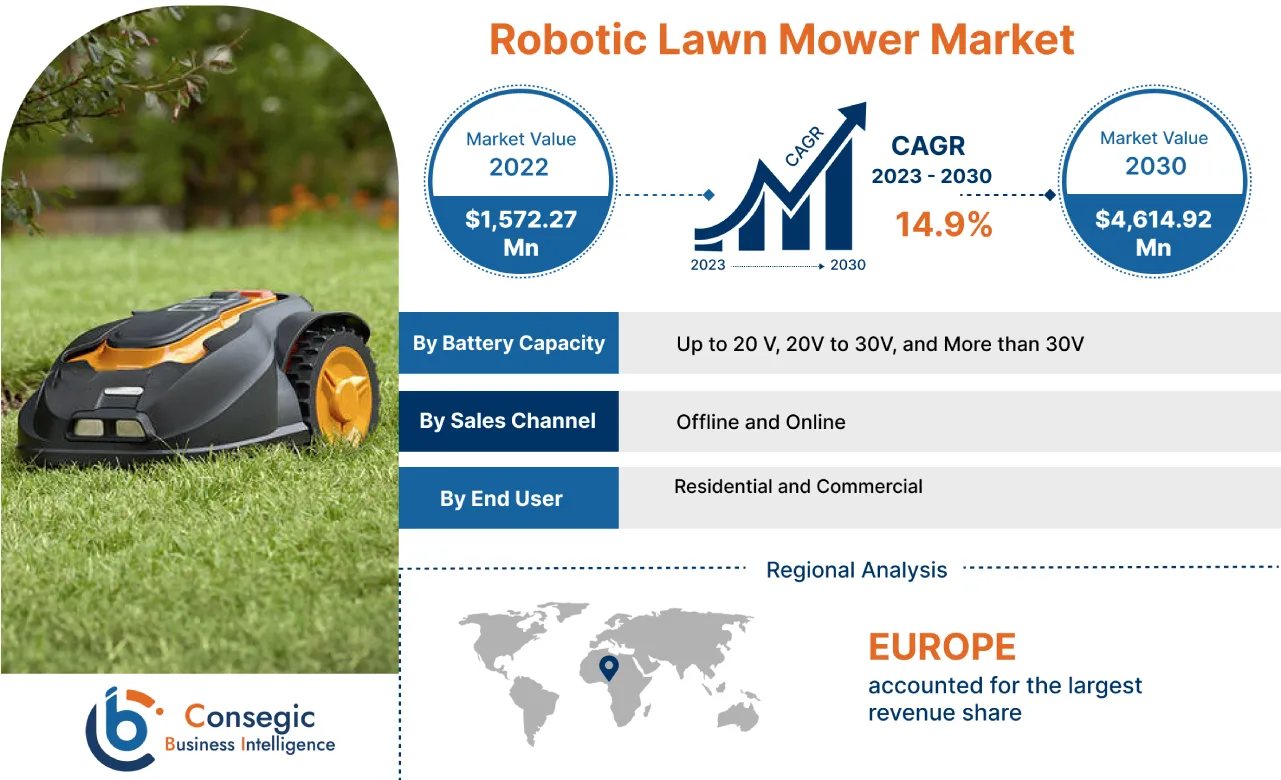
Use Video and Social Ads to Show the Mowing Routine
Robot lawn mowers are visual products. A short video can explain the product faster than a block of text.
Show the complete routine:
- The mower leaves the charging station.
- It cuts a defined lawn area.
- It handles a turn or narrow section.
- It returns to charge.
- The user checks the schedule or status.
- The mower resumes work when appropriate.
Avoid staged footage that hides important conditions. If the mower works only on a flat test lawn, do not imply the same result on a steep or rough property.
Choose the right format
Short vertical video works well for:
- A quick product demonstration
- Setup steps
- Noise comparisons
- App scheduling
- Before-and-after lawn care routines
Longer video works well for:
- Boundary installation
- Multi-zone setup
- Cleaning and blade replacement
- Seasonal storage
- Slope and obstacle testing
- A full product comparison
Carousel ads can explain one buying factor per card:
- Lawn size
- Slope
- Navigation
- Setup
- App control
- Support and warranty
Use a clear video script
A simple 20-second script might be:
“Still mowing the same lawn every week? This robot mower follows a set schedule, returns to its charger, and can be managed from a compatible app. Check the lawn-size and slope limits before you choose a model.”
This script avoids a promise of perfect performance. It also tells the viewer what to check before buying.
On social platforms, follow current rules for endorsements, paid partnerships, music, user data, and targeted advertising. The Federal Trade Commission requires clear disclosure when a creator has a material connection to a brand. See the FTC Endorsement Guides.
Advertise Through Local Dealers and Service Providers
Local marketing can be more effective than broad advertising when installation, support, or lawn assessment matters. A local dealer can answer questions that a national product page may not cover.
Create location pages only for real service areas. Each page should include:
- Store or company name
- Address or service area
- Phone number
- Business hours
- Installation availability
- Products carried
- Service and repair details
- Delivery information
- Map or directions
- A clear contact option
Do not create thin pages for every nearby city if you do not serve those locations. That can frustrate users and weaken trust.
Build local partnerships
Potential partners include:
- Lawn-care companies
- Landscape designers
- Irrigation installers
- Garden centers
- Home technology installers
- Property management firms
- Outdoor power equipment dealers
Use a written agreement when a partner receives payment or another benefit for a referral. Explain the relationship in a visible way.
Local demonstrations can also create useful content. Record the lawn type, mower model, weather, slope, setup method, and test limits. A clear demonstration is more useful than a vague claim that the mower “handles anything.”

Use Email, SMS, and Retargeting With Permission
Email can help shoppers who need time to compare products. A short sequence may include:
- A lawn-fit guide
- A setup and installation explanation
- A comparison of product models
- A maintenance guide
- A reminder about a quote or saved cart
Each email should have one main action. Avoid sending repeated discounts when the buyer still lacks basic product information.
For U.S. email marketing, follow the FTC CAN-SPAM guidance. Include a valid postal address, identify the sender, avoid deceptive subject lines, and provide a clear opt-out method.
Treat SMS as a separate channel. Obtain the required consent before sending marketing messages, state what the subscriber is agreeing to receive, and provide a simple way to stop messages. Review applicable Federal Communications Commission rules and obtain legal advice for campaigns with complex consent or automated messaging needs.
Retarget responsibly
Retargeting can remind a shopper about a product page, comparison guide, or installation quote. It should not reveal sensitive information or make the user feel watched.
Use frequency limits. Exclude people who already purchased when the message is no longer relevant. Review platform privacy rules, consent tools, and regional requirements before using tracking pixels or customer lists.
Track the Metrics That Reflect Business Value
Clicks alone do not show whether robot mower advertising works. Track the full path from ad view to qualified lead or sale.
Useful metrics include:
| Metric | What it shows |
|---|---|
| Click-through rate | How often people click after seeing an ad |
| Cost per click | Average cost of traffic |
| Landing-page engagement | Whether visitors review useful content |
| Quote requests | Interest in a higher-value action |
| Installation bookings | Demand for local service |
| Add-to-cart rate | Product consideration |
| Conversion rate | Share of visitors who complete the chosen action |
| Cost per qualified lead | Cost of a lead that fits your service |
| Return on ad spend | Revenue compared with ad cost |
| Refund or cancellation rate | Whether the offer matches expectations |
A lead is not always equal to a sale. A person asking about a five-acre property may not fit a product designed for a smaller lawn. Add lead-quality fields such as lawn size, location, slope, and installation needs.
Use clean conversion events
Possible events include:
- Product view
- Fit-checker completion
- Dealer call
- Quote request
- Installation booking
- Add to cart
- Purchase
- Warranty registration
Do not count every page view as a conversion. A useful conversion represents a real business action.
If sales happen offline, connect dealer or phone sales to the original campaign when the system supports it. Use privacy-safe methods and follow platform and legal requirements.

Follow Advertising and Product-Claim Rules
Robot lawn mower advertising must be truthful and clear. The FTC states that advertising claims should be supported before they are made. This matters for claims about performance, savings, safety, durability, noise, and environmental benefits.
Avoid claims such as:
- “Works on every lawn”
- “Zero maintenance”
- “Completely safe for pets”
- “Never gets stuck”
- “Cuts your mowing cost by 80%”
- “The quietest mower in America”
- “No setup required”
Use qualified wording when the result depends on conditions:
- “Designed for lawns up to [documented size] under the manufacturer’s stated conditions.”
- “Noise may be lower than a gasoline mower, but results vary by distance and surface.”
- “Review the safety instructions before using the mower around children or pets.”
- “Professional installation is available in selected service areas.”
Be careful with environmental claims
Electric equipment may have different operating emissions from gasoline equipment, but an ad should not imply that the product has no environmental impact. Battery production, electricity use, shipping, and replacement parts still matter.
The FTC’s Green Guides explain how to approach environmental marketing claims. Use specific, supportable statements instead of broad terms such as “eco-friendly” or “zero impact.”
Treat safety as a buying factor
A robot mower is outdoor power equipment. Ads should not encourage unsafe use or imply that a safety feature removes the need for supervision.
Make room for:
- Child and pet safety instructions
- Blade handling warnings
- Wet-weather limits
- Slope limits
- Safe lifting and cleaning steps
- Theft protection limits
- Emergency stop instructions
- Local installation requirements
Direct buyers to the official manual for complete instructions. If an installation involves electrical work, advise the customer to use a qualified professional where local rules require it.

Test One Variable at a Time
Start with a small test budget and a limited set of ads. The goal is to learn which message attracts qualified buyers, not to spend as much as possible.
Test variables such as:
- “Save time” versus “quiet electric mowing”
- Product video versus lawn-fit guide
- Product page versus comparison page
- Online purchase versus dealer consultation
- Homeowner audience versus property manager audience
- Broad keyword group versus exact problem-based keyword group
Keep the product, audience, and measurement method stable while testing one main change. Otherwise, you may not know what caused the result.
Read the results by funnel stage
If impressions are low, check keyword volume, targeting, bids, budget, and ad approval.
If clicks are high but leads are low, check:
- Page speed
- Product fit information
- Price clarity
- Mobile layout
- Form length
- Shipping details
- Trust signals
- Message match between ad and page
If leads are high but sales are low, check:
- Lead quality
- Lawn-size mismatch
- Installation cost
- Product availability
- Dealer follow-up time
- Warranty concerns
- Hidden subscription or setup fees
Do not replace a campaign only because one day of data looks weak. Allow enough time for a meaningful pattern, while stopping ads quickly if they produce misleading leads, policy issues, or unexpected costs.

Common Mistakes to Avoid
Using one message for every lawn
A mower for a small yard may not suit a large or divided property. Make lawn size and terrain part of the first buying conversation.
Hiding setup requirements
Boundary wire, Wi-Fi, charging access, and installation can affect the total cost. State them before the buyer reaches checkout.
Relying on stock footage
A clean lawn with no obstacles may not represent real use. Show conditions that match the product’s documented limits.
Making unsupported “best” claims
“Best” needs a clear basis, such as best for a defined lawn size or use case. Otherwise, use neutral wording such as “compare,” “designed for,” or “a fit for.”
Ignoring service after the sale
A buyer may need blade replacement, winter storage, software support, battery service, or repairs. Advertise support as part of the ownership experience when it is genuinely available.
Sending all traffic to the homepage
A focused landing page usually gives the visitor a clearer next step. Match each ad group to a relevant page.
Forgetting older and less technical buyers
Not every buyer wants an app or complex setup. Explain manual controls, dealer support, installation, and phone assistance when available.
Failing to update ads
Remove outdated prices, discontinued models, expired promotions, and inaccurate stock messages. A stale ad damages trust and can create compliance problems.
Frequently Asked Questions
How much does it cost to advertise a robot lawn mower online?
There is no single correct budget. Costs depend on competition, location, keyword intent, product price, conversion rate, and sales margin. Start with a test budget that you can review without relying on immediate sales. Track qualified leads and completed purchases, not clicks alone.
What is the best online channel for robot lawn mowers?
Search and Shopping ads often fit buyers who are already comparing products. Social video helps explain how the mower works and can create demand. Local listings and dealer ads matter when installation or service affects the purchase. The best mix depends on your audience and sales process.
Should I advertise a robot mower by price?
Price can attract attention, but it should not be the only message. Buyers also need to understand lawn coverage, setup, slope limits, support, warranty, and ownership costs. Show the total offer clearly, including installation or subscription charges where applicable.
Can I use customer reviews in my ads?
You can use reviews only when they are genuine, accurately presented, and collected and displayed in line with applicable rules. Do not edit a review to change its meaning. If a customer receives compensation or another benefit, disclose the relationship clearly.
Should I target “robot lawn mower near me”?
Use local targeting when you have a real store, installer, demo location, or service area. Make the landing page prove the local connection with accurate business details. Do not target locations that you do not serve.
How can I advertise a robot mower to pet owners?
Show the product’s documented safety features without promising that it is risk-free. Explain the need to follow the manual and supervise pets during operation. A pet-owner campaign should educate first and sell second.
Conclusion
The most effective way to advertise robot lawn mowers online is to connect a specific buyer problem with a documented product capability. Use search ads for active demand, video for product education, local pages for installation and support, and email for shoppers who need more time.
Make lawn size, slope, setup, price, warranty, and service easy to find. Measure qualified leads and sales, then improve the campaign based on real buyer behavior. Clear claims and honest limits will help attract customers who are more likely to choose the right mower and remain satisfied after purchase.


