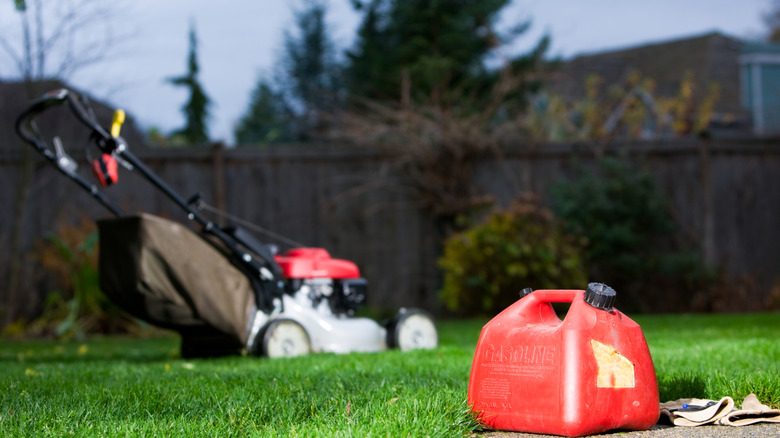
Most gas-powered lawn mowers in the United States use fresh unleaded gasoline with an octane rating of 87 or higher and no more than 10% ethanol. Always check your mower owner’s manual because fuel requirements can vary by engine manufacturer and model.
For homeowners across the United States, choosing the right gasoline for a lawn mower helps maintain reliable starting, steady engine performance, and longer equipment life. Most residential walk-behind and riding mowers are designed to run on regular unleaded gasoline, but fuel quality, ethanol content, and storage practices can affect how well the engine operates.
The correct fuel choice depends mainly on the engine specifications provided by the manufacturer. Using the wrong fuel, stale gasoline, or gasoline with excessive ethanol can contribute to problems such as hard starting, poor performance, fuel system deposits, and engine damage. Understanding the differences between fuel types helps you avoid common lawn mower maintenance mistakes.
Most modern gasoline-powered lawn mowers use regular unleaded gasoline. In the United States, many small-engine manufacturers recommend gasoline with an octane rating of 87 or higher and an ethanol content of no more than 10% (E10).
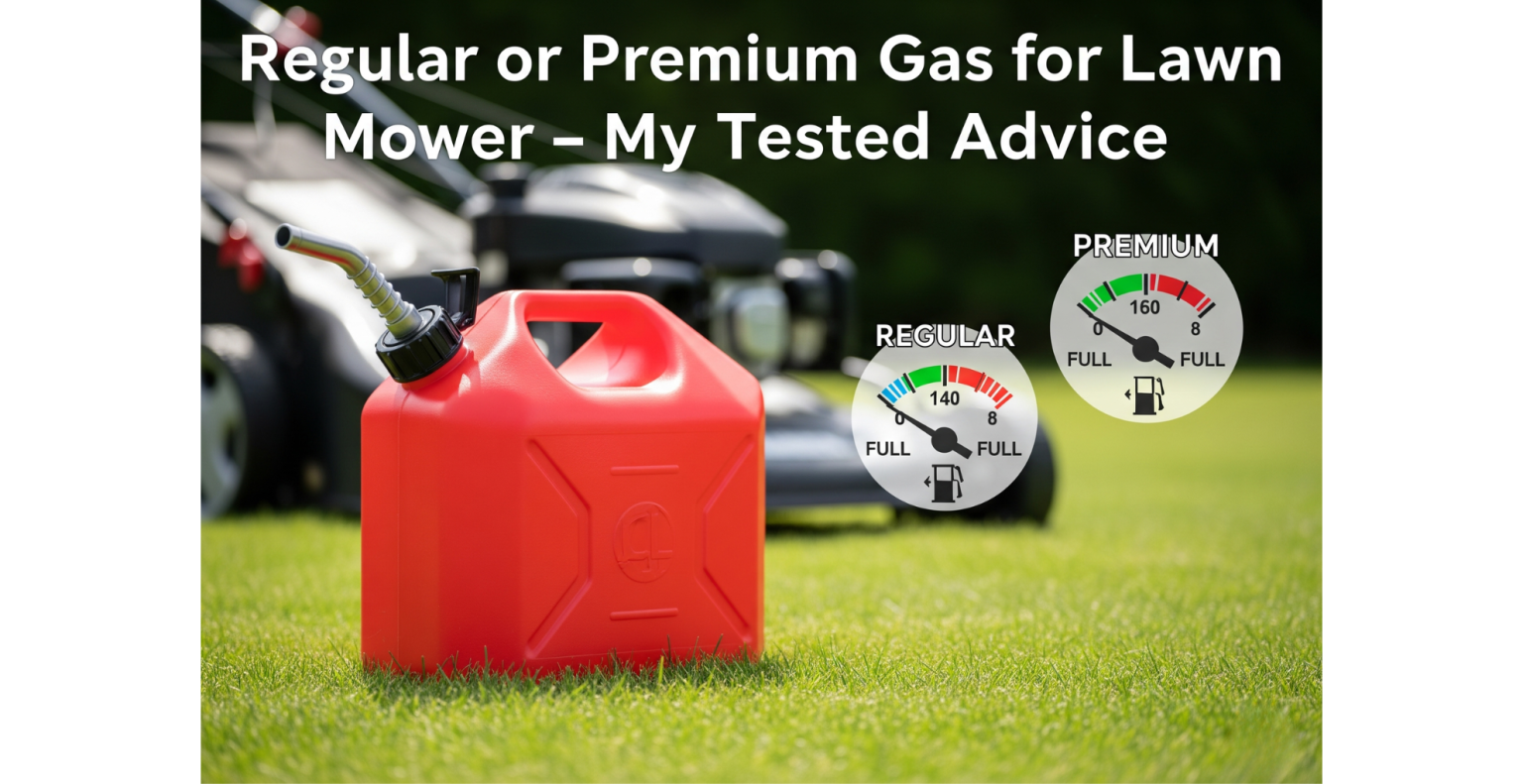
Octane rating measures gasoline’s resistance to premature combustion, but a higher octane fuel does not automatically improve lawn mower performance. Unless the manufacturer requires premium fuel, using a higher octane gasoline usually provides no practical benefit for a standard mower engine.
Source: housedigest.com
Regular unleaded gasoline
A common fuel choice for residential lawn mowers because it meets the requirements of many small gasoline engines.
E10 gasoline
Gasoline containing up to 10% ethanol is commonly available and approved for many mower engines.
Ethanol-free gasoline
May be useful for equipment stored for long periods because it can reduce some fuel-related storage concerns, although availability varies by location.
Why Lawn Mower Fuel Requirements Matter
Small engines operate differently from automobile engines. Lawn mower engines often sit unused for weeks or months, making fuel stability an important factor. Old or unsuitable gasoline can affect carburetors, fuel lines, and other fuel system components.
Engine protection
Using the recommended fuel helps reduce unnecessary stress on small engine components.
Can You Put Regular Gas in a Lawn Mower?
Yes, regular unleaded gasoline is the correct fuel for many lawn mowers. The word regular refers to the gasoline grade, not a lower-quality product. Most mower engines are designed around standard unleaded fuel rather than premium gasoline.
Before filling the tank, confirm the recommended fuel type in the owner’s manual. Some specialized equipment may have different requirements, and manufacturers’ instructions should always take priority.
Source: storables.com
Recommended approach
Use fresh regular unleaded gasoline that meets the engine manufacturer’s specifications.
Avoid unnecessary upgrades
Premium gasoline is not usually needed unless the manufacturer specifically recommends it.
Ethanol is an alcohol-based fuel component commonly blended into gasoline in the United States. E10 gasoline, which contains up to 10% ethanol, is widely available and approved for many lawn mower engines.
Higher ethanol blends such as E15 or E85 may not be suitable for many small engines. Always check the mower manufacturer’s guidance before using any fuel with a higher ethanol percentage.
Source: mowerliving.com
E10 gasoline
A common gasoline blend that many lawn mower manufacturers allow.
High ethanol blends
Fuel with higher ethanol content can create compatibility concerns for engines not designed to use it.
Should You Use Ethanol Free Gas in a Lawn Mower?
Ethanol-free gasoline can be a practical option for some owners, especially when storing equipment for extended periods. However, it is not required for every mower, and the best choice depends on manufacturer recommendations, availability, and how often the mower is used.
Best for occasional use
Owners who store equipment for long periods may consider ethanol-free fuel if it is available and suitable for their mower.
How to Choose the Right Gas for Your Lawn Mower
Choosing mower fuel is mainly about matching the gasoline to the engine requirements and maintaining fuel quality. A simple checklist can prevent most fuel-related problems.
Source: cuttingresource.com
Check the owner’s manual
The manual provides the manufacturer’s approved fuel type and ethanol limits.
Buy fresh gasoline
Avoid using fuel that has been stored for long periods because gasoline quality decreases over time.
Use the correct container
Store gasoline in an approved fuel container designed for gasoline storage.
Fuel Choice Examples
A typical residential push mower may run well on fresh 87-octane unleaded E10 gasoline if approved by the manufacturer. A mower that sits unused during winter may benefit from a fuel storage plan, such as using stabilized fuel according to product instructions.
Frequent mowing
Fresh regular unleaded gasoline is often sufficient when fuel is used quickly.
Seasonal storage
Fuel preparation becomes more important when the mower will sit unused for months.
Many lawn mower starting problems are connected to fuel mistakes rather than mechanical failures. Avoiding a few common errors can improve reliability and reduce unnecessary repairs.
Source: outdoorguide.com
Using old gasoline
Gasoline that has degraded during storage may cause difficult starting or uneven engine operation.
Using the wrong ethanol blend
Fuel with more ethanol than recommended can create compatibility issues for some small engines.
Mixing gasoline and diesel
Diesel fuel is not suitable for gasoline lawn mower engines and can prevent proper operation.
Overfilling the tank
Leave space for fuel expansion and follow the manufacturer’s filling instructions.
Frequently Asked Questions
Q
Can I use premium gas in my lawn mower?
Premium gasoline usually will not harm a mower engine if the manufacturer allows unleaded gasoline, but it generally does not provide extra performance unless the engine specifically requires a higher octane fuel.
Q
Is E10 gas safe for lawn mowers?
Many modern lawn mowers are designed to operate on E10 gasoline, but you should confirm the ethanol limit in your mower owner’s manual before use.
Q
How long does gasoline last in a lawn mower?
Gasoline quality decreases during storage, and old fuel can contribute to starting and performance problems. Store fuel properly and follow manufacturer recommendations for storage periods.
Q
What happens if I put the wrong gas in my lawn mower?
Using unsuitable fuel can cause poor operation, starting problems, or fuel system issues. If you accidentally add the wrong fuel, avoid running the engine and consult the mower manufacturer or a qualified repair professional.
Q
Does a riding mower use the same gas as a push mower?
Many riding and push mowers use similar gasoline requirements, but the exact fuel recommendation depends on the specific engine model and manufacturer instructions.
✦ Wrapping Up
Conclusion
The best gas to use in a lawn mower is usually fresh unleaded gasoline with the octane rating and ethanol content recommended by the manufacturer. For many residential mowers in the United States, regular 87-octane gasoline with up to 10% ethanol is an appropriate choice.
Fuel quality, storage habits, and correct handling are just as important as selecting the right gasoline. Checking your owner’s manual before filling the tank is the safest way to protect your mower engine and maintain dependable performance.
💡 Key Takeaway
Before your next mowing session, check your mower manual, fill it with fresh approved gasoline, and avoid storing old fuel in the tank for long periods.
If you’ve ever been halfway through mowing your yard and suddenly heard that awful squeal followed by silence, you know the frustration of a broken mower belt. The replacement belt for riding lawn mower isn’t just another part—it’s the lifeline that keeps your blades spinning and your lawn looking clean and even. Yet, many homeowners…
Learn the best gas for lawn mower engines, including recommended octane, ethanol limits, fuel types, storage tips, and common mistakes that damage small engines.
Every homeowner who owns a Honda lawn mower knows one truth—your mower is only as good as the blades spinning underneath. No matter how powerful the engine or how advanced the design, dull or damaged blades will always lead to uneven cuts, ragged edges, and unhealthy grass. That’s where Replacement Honda Lawn Mower Blades come…
When the snow melts and the grass finally peeks through, most homeowners are excited to pull their mowers out and start the season. But that excitement can quickly turn to frustration when your lawn mower will not start after winter. It’s one of those common spring headaches that every homeowner faces at least once. The…
Few things are as frustrating as a lawn mower that refuses to start, especially when your weekend yard work is calling. You turn the key, expecting the familiar hum, but instead, you hear a click—or worse, nothing at all. Often, the culprit is not the battery or the starter motor itself but a small, powerful…