How Long Does A Lawn Mower Battery Last: Lifespan Guide
A lawn mower battery can last anywhere from two to five years in normal use. Some lithium-ion batteries may last longer when stored well and charged with the correct charger. A single charge often powers a battery mower for about 30 to 60 minutes, but grass height, slope, blade condition, battery size, and mowing speed can change that time.
The battery is only one part of the picture. A mower may run well for many seasons if you keep the deck clean, sharpen the blade, store the battery at a safe temperature, and avoid cutting wet or overly tall grass. Poor care can shorten battery life, reduce runtime, and turn a simple mowing job into a stop-and-charge chore.
This guide explains how long a lawn mower battery lasts, what affects runtime, how to maintain different battery types, and when replacement makes more sense than repair. It also covers push mowers, self-propelled mowers, riding mowers, robotic mowers, gas equipment, and the needs of small yards, hilly lawns, seniors, renters, and first-time homeowners.
Quick answer: How long does a lawn mower battery last?
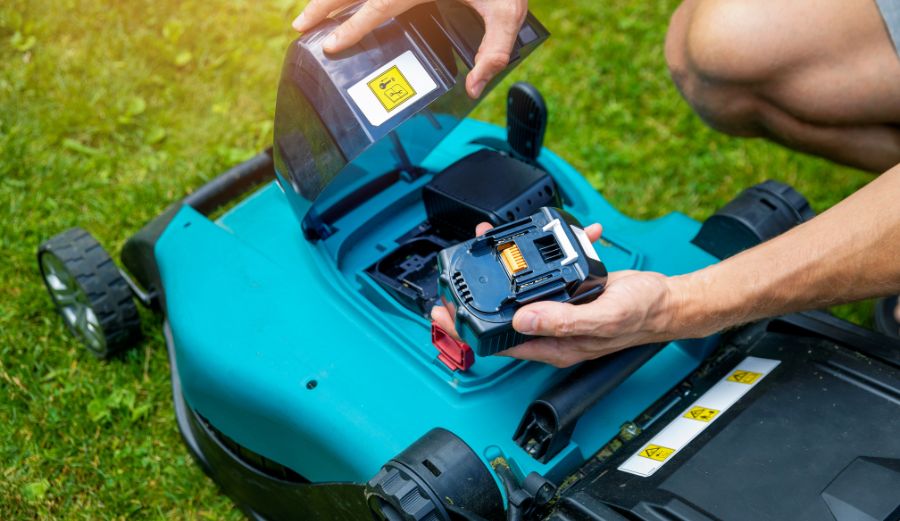
A rechargeable lawn mower battery usually lasts two to five years, or about 300 to 1,000 full charge cycles, depending on its chemistry, use, storage, and care. A fully charged battery mower commonly runs for 30 to 60 minutes. Larger batteries with higher amp-hour ratings can run longer, while self-propelled use, thick grass, hills, dull blades, and wet turf shorten runtime.

The best way to estimate your own mower’s runtime is to check the battery’s voltage and amp-hour rating, then compare those figures with the manufacturer’s stated runtime. Treat that number as a guide, not a promise. Manufacturers may test on dry, short grass with a clean blade and a flat yard.
| Battery question | Typical answer | What changes it |
|---|---|---|
| Battery lifespan | 2–5 years | Heat, storage, charge cycles, and care |
| Runtime per charge | 30–60 minutes | Grass, slope, mower width, and drive system |
| Full charge time | 30 minutes–4 hours | Battery size and charger type |
| Useful cycle life | About 300–1,000 cycles | Battery chemistry and depth of discharge |
These figures fit many residential battery mowers, but they do not replace the owner’s manual. Always confirm battery compatibility, voltage, charger type, and replacement part numbers before buying.
What determines a lawn mower battery’s lifespan?
Battery life depends on chemistry, heat, charge habits, workload, and storage. The same battery can last for years in a cool garage with light use, then fail much sooner when left in a hot shed or drained after every cut.
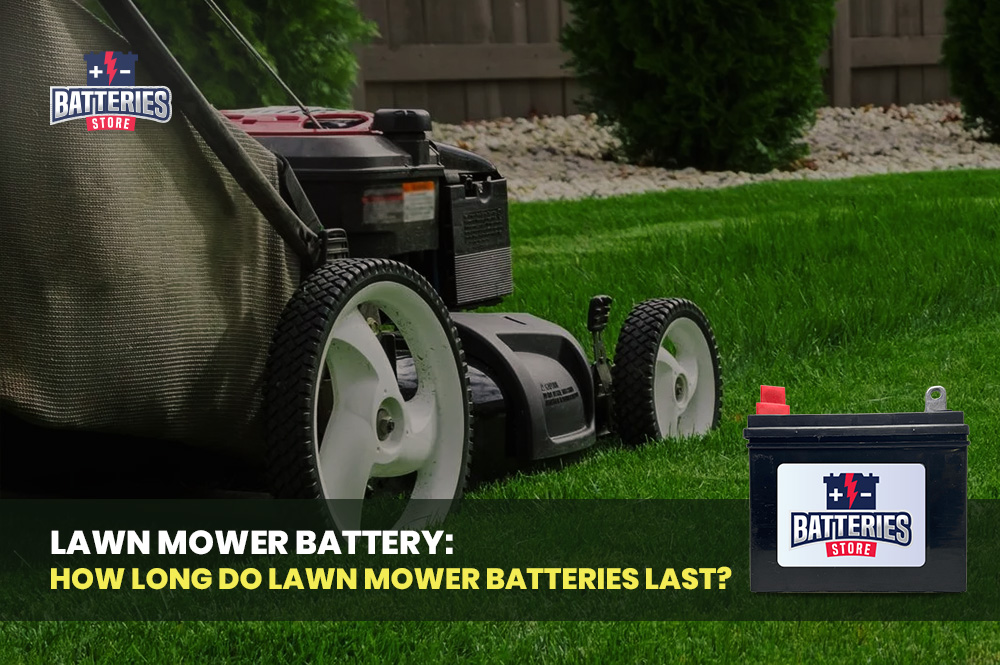
Battery-powered lawn mowers use one of three common battery types. Newer models mostly use lithium-ion packs, while older equipment may use lead-acid or sealed lead-acid batteries.
Lithium-ion batteries
Lithium-ion batteries are common in modern electric and battery mowers. They offer good energy storage for their weight and do not need fuel, oil, spark plugs, or air filters. Many packs use a battery management system that helps control heat, charging, and discharge.
A lithium-ion battery can lose capacity over time even if you use it only a little. Heat is one of its main enemies. Leaving a fully charged pack in a hot shed or a freezing vehicle can speed up wear.
Lithium batteries also have a limited number of charge cycles. One cycle means using an amount equal to the battery’s full capacity. Using 50% today and 50% tomorrow may count as about one full cycle, not two.
Lead-acid batteries
Lead-acid batteries are still found in some riding mowers, lawn tractors, and older electric equipment. They are heavy and often less energy-dense than lithium-ion packs. They may also be more sensitive to deep discharge.
A lead-acid battery can last about two to four years with proper charging. Leaving it empty for weeks can cause permanent damage. A smart maintainer can help during long storage, but use only a charger designed for that battery type.
Sealed batteries in riding equipment
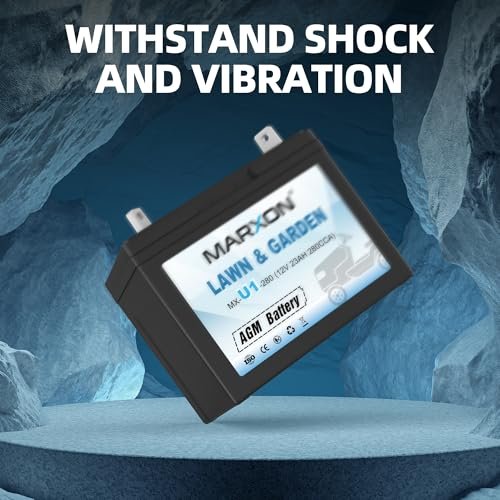
Some riding mowers use sealed lead-acid designs. These do not require routine water filling, but they still need clean terminals, correct charging, and protection from extreme temperatures.
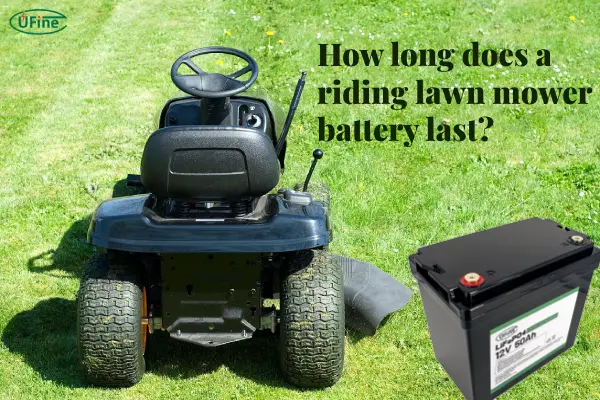
A riding mower battery may start the engine for years without powering the blade. That means its runtime is not measured in mowing minutes. Its useful life is better judged by starting strength, voltage, and how well it holds a charge.
| Battery type | Common mower use | Main care need |
|---|---|---|
| Lithium-ion | Push, self-propelled, robotic, and some riding mowers | Avoid heat, deep discharge, and wrong chargers |
| Lead-acid | Riding mowers and older equipment | Keep charged and prevent long periods of discharge |
| Sealed lead-acid | Lawn tractors and riding equipment | Clean terminals and use the correct maintainer |
The key point is simple: a battery does not wear out only from age. Heat, hard work, and poor storage can shorten its life just as much as the calendar.
What does amp-hours mean on a mower battery?
Amp-hours, written as Ah, describe how much electrical charge a battery can store. A higher Ah rating usually means more runtime, but it also often means more weight, cost, and charging time.
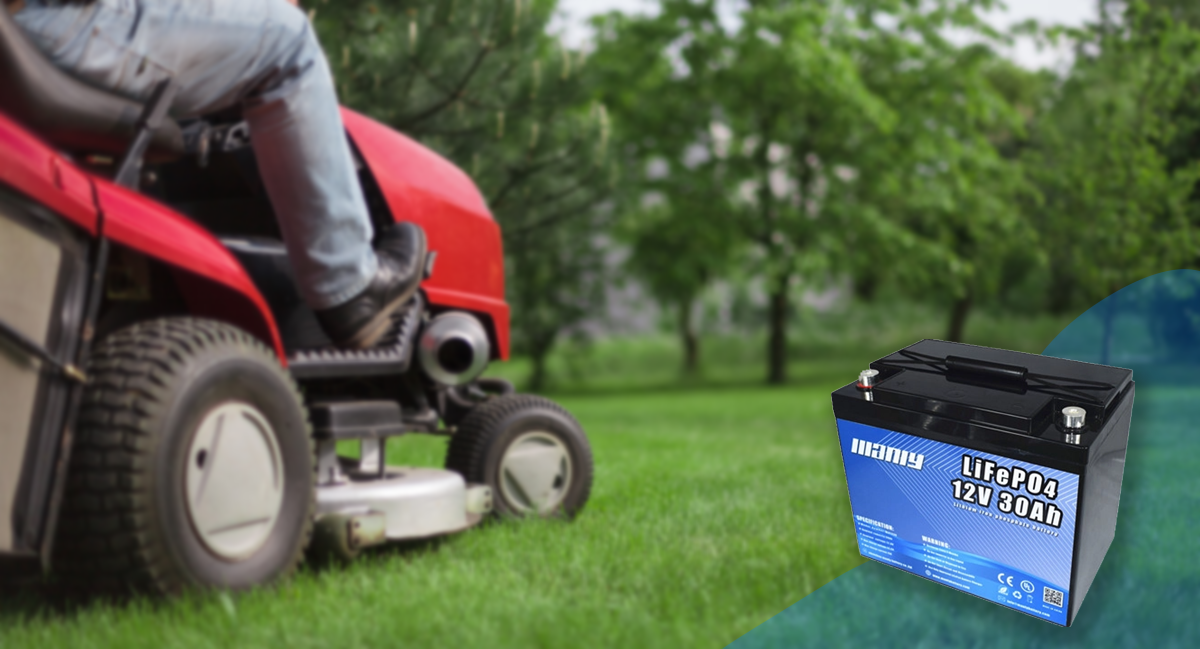
For example, a 5.0 Ah battery may run longer than a 2.5 Ah battery on the same mower platform. This is not a direct promise of twice the mowing time. The motor may draw power at different rates as grass gets thick, the blade meets resistance, or the self-propelled drive climbs a slope.
Voltage also matters. Voltage is the electrical pressure supplied by the battery. A 40-volt battery is not normally interchangeable with a 56-volt battery, even if both slide into a similar-looking mower.
Why battery size affects runtime
A mower with a wider deck may cover more lawn in one pass, but it can also need more power. A 21-inch mower may use less energy per minute than a heavy self-propelled mower with a steel deck and powered wheels.
Tall cool-season grass, damp blades, and thick thatch create more resistance. The motor must work harder to keep the blade moving. This drains the pack faster than mowing short, dry grass at the correct height.
Why advertised runtime can differ
Manufacturers may list runtime under a light load. Your yard may have slopes, dense turfgrass, weeds, leaves, or long stretches of overgrown grass. You may also use a grass catcher, which can add load and require more passes to empty.
Mowing speed matters too. Driving slowly with a self-propelled mower can use energy for the drive motor. If you are comfortable pushing on level ground, turning off self-propelled mode can extend runtime.
| Mowing condition | Effect on battery runtime |
|---|---|
| Short, dry grass on level ground | Usually uses the least power |
| Tall or wet grass | Uses much more power |
| Self-propelled drive on hills | Reduces runtime |
| Dull or bent blade | Increases motor load |
| Full grass catcher | May increase cutting and drive load |
For a small, flat yard, a compact battery may be enough. For a large or sloped yard, look for a larger Ah rating, a dual-battery design, or a riding mower with a larger energy system.
How long does a battery lawn mower run per charge?
Most residential battery push mowers run for about 30 to 60 minutes per charge, although actual results vary. That may cover a small or medium yard, but it may not cover a large lawn with hills, thick grass, and many obstacles.
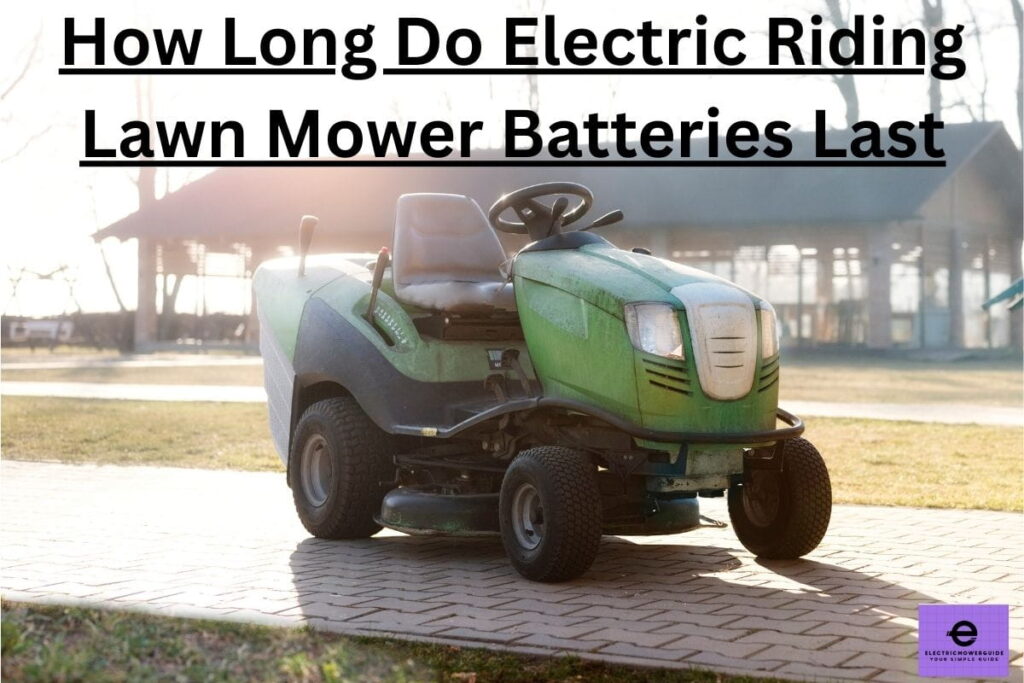
A 16- to 18-inch push mower may suit a small city lot, townhouse yard, or narrow side yard. A 20- to 22-inch mower can reduce the number of passes on a larger lawn. A wider deck is not always better if gates, trees, beds, or storage doors limit access.
Self-propelled battery mowers often use more energy than push models. They suit slopes, larger yards, and users who need help moving the mower. They may also suit seniors, but weight and control matter. A heavy mower can be difficult to turn, lift, or store even when the drive system moves it forward.
Runtime by yard and user
| Yard or user | Mower and battery setup to consider | Why |
|---|---|---|
| Small flat yard under about 5,000 square feet | 16–20-inch push mower with one compact battery | Light, easy to store, and simple to guide |
| Medium yard with mild slopes | 20–22-inch self-propelled mower with 5 Ah or larger battery | Reduces pushing effort |
| Large yard over about 10,000 square feet | Dual-battery mower or riding mower | Helps reduce charging stops |
| Senior user with limited strength | Self-propelled model with simple controls | Less physical effort, but check weight and braking |
| Narrow yard with gates | Compact push mower | Easier to move through tight spaces |
These are starting points, not fixed rules. Measure the lawn, note the slope, check gate width, and consider the time you can spend mowing. A gift buyer should also ask where the mower and battery will be stored.
💡 Pro Tip: If your battery mower barely finishes the lawn, do not assume you need a new mower first. Sharpen the blade, raise the mowing height, clean the deck, and mow more often. These steps can reduce load and improve practical runtime.
What shortens battery mower runtime?
The main causes of short runtime are tall grass, wet turf, dull blades, slopes, self-propelled drive, cold temperatures, and an aging battery. Most of these causes are easy to spot.

Wet grass
Wet grass bends instead of standing tall. It can stick under the deck and clog the grass chute. The blade must work harder, and the mower may leave clumps behind.
Wet grass is also a safety risk. It can make slopes slippery and increase the chance of a fall. Wait until the lawn dries, especially on hills.
Tall grass and incorrect mowing height
Removing too much grass at once places heavy stress on the motor. A good rule is to avoid cutting more than about one-third of the grass blade at one time. If the lawn is overgrown, raise the deck and make two cuts over separate days.
Mowing height depends on grass type and season. Warm-season grasses often tolerate a shorter cut than cool-season grasses, but local turf guidance should guide your setting.
Dull, bent, or damaged blades
A sharp mower blade cuts grass with less resistance. A dull blade tears the tips and makes the motor work harder. A bent blade can create vibration and may damage the mower.
Inspect the blade at least several times each season. Replace it if it is cracked, badly worn, or bent. Confirm the correct blade type and part number before ordering.
Hills and self-propelled drive
A slope increases the work required from both the blade motor and the wheel motor. Thick grass on a hill can drain a battery quickly. On mild slopes, use a slower pace and mow across the slope if the manual permits. Never use a walk-behind mower in a way the manufacturer forbids.
Cold weather
Battery capacity drops in cold conditions. A lithium-ion pack may show shorter runtime when stored in a cold shed or used on a chilly morning. Let the battery reach room temperature before charging if the manual recommends it.
Do not use a damaged, swollen, cracked, or wet battery. Place it away from heat sources and contact the manufacturer or a qualified recycling center.
How should you maintain a battery lawn mower?
The best battery mower maintenance plan is simple: clean the deck, inspect the blade, check the battery, keep the vents clear, and store everything in a dry place. Most owners can handle these tasks with basic tools.

Battery mowers need less engine service than gas mowers. They have no spark plug, fuel filter, oil, carburetor, or fuel stabilizer. However, the cutting system, wheels, handle, blade, wiring, and battery still need care.
Maintenance checklist
| Task | How often | Why it matters |
|---|---|---|
| Clear grass from the deck | After each use or when buildup appears | Helps airflow and reduces drag |
| Check blade sharpness | Every 20–25 hours or as needed | Supports clean cuts and lower load |
| Inspect battery and contacts | Before each use | Finds damage, dirt, or poor connection |
| Clean cooling vents | Monthly in heavy use | Helps prevent heat buildup |
| Tighten handle and wheel hardware | Each season | Maintains safe control |
| Inspect cables and switches | Each season | Helps find wear before failure |
Use a dry brush or cloth for routine cleaning. Follow the manual before tipping a mower. Some models must remain in a specific position to protect the motor, battery compartment, or electronics.
Caring for the blade and deck
Remove the battery before working near the blade. Wear work gloves when handling the blade, but do not rely on gloves alone to prevent cuts. Block the mower securely if the manual permits tipping.
Do not spray a strong stream of water into the motor housing, battery slot, control panel, or electrical connectors. A damp cloth can remove surface dirt. Let all parts dry before installing the battery.
A clean deck helps grass move through the mower. It can also reduce clumps and lower the load on the motor. Do not scrape the deck while the battery is installed.
Caring for battery contacts
Dust and grass can prevent a good connection. Inspect the contacts for dirt, corrosion, melted plastic, or signs of heat. Never use a damaged pack or force a battery into the slot.
Use only the charger made for the battery system. A charger with the wrong voltage or chemistry can damage the pack and create a fire risk.
Caring for a riding mower battery
For a riding mower, check the battery terminals for corrosion. Tighten loose connections, but do not over-tighten them. Keep the battery secure so vibration does not damage the case or cables.
If the mower will sit for several weeks, follow the manual for storage charging. A battery maintainer may help lead-acid batteries, but it must match the battery type and voltage.
⚠️ Safety Warning: Wear safety glasses, hearing protection, closed-toe shoes, and work gloves when appropriate. Clear sticks and stones before mowing. Keep children and pets away. Remove the battery or disconnect the spark plug before servicing, never refuel a hot engine, and follow the owner’s manual.
How should you charge and store a lawn mower battery?
Store a mower battery in a dry, moderate-temperature location and use the correct charger. Avoid leaving lithium-ion packs in direct sun, a hot car, a damp shed, or freezing conditions.
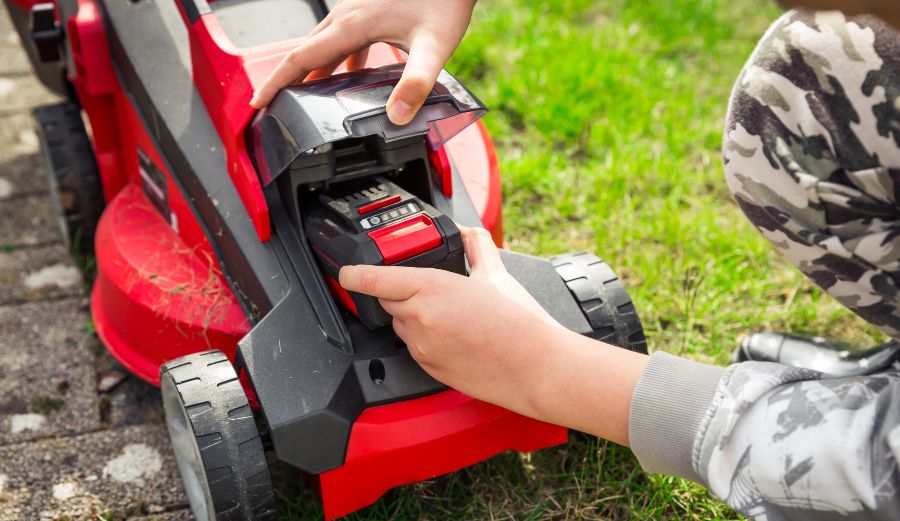
A garage or indoor utility space may work well if it is dry and protected from children, pets, sparks, and moisture. Do not store batteries near a furnace, water heater, open flame, or other heat source.
Lithium-ion storage
Check the manual for the recommended storage charge. Some makers advise storing a pack partly charged instead of full. Others provide specific instructions for their battery system.
Remove the battery from the mower if the mower will sit unused for a long time. Keep the pack clean and dry. Do not cover a damaged or swollen battery. Move it away from flammable materials only if you can do so safely, then contact the manufacturer or local emergency service for guidance.
Lead-acid storage
Lead-acid batteries usually fare better when kept charged. A long period of low charge can cause sulfation, which reduces the battery’s ability to accept and hold power.
Use a compatible maintenance charger. Disconnect it according to the product directions. Do not use a trickle charger meant for a different voltage or chemistry.
Winter storage
Before winter, clean the mower and remove grass from the deck. Inspect the blade, handle, wheels, and cable. Store the mower where moisture will not collect.
For gas mowers and riding mowers, follow the fuel instructions in the manual. You may need fresh fuel, fuel stabilizer, or fuel-system draining. Never store gasoline in an unsafe container or place. Check local fuel storage rules.
| Storage location | Suitable for battery storage? | Notes |
|---|---|---|
| Dry garage shelf | Usually | Keep away from heat and impact |
| Hot vehicle trunk | No | Heat can damage battery cells |
| Damp outdoor shed | Risky | Moisture and temperature swings cause problems |
| Indoor closet | Sometimes | Only if the manual allows it and the area is safe |
| Near a furnace | No | Heat and fire risk |
A battery mower can be a good choice for a home with limited storage because it avoids gasoline cans and oil bottles. Still, the battery needs a safe place of its own.
🌿 Eco or Disposal Note: Do not put lithium-ion or lead-acid batteries in household trash. Use a designated battery drop-off or household hazardous-waste program. Take old gas and oil to an approved hazardous-waste site. Usable mowers can often be donated, repaired, or recycled.
When should you replace a lawn mower battery?
Signs it is time to replace a mower battery include sharply reduced runtime, sudden power loss, failure to reach a full charge, excessive heat, physical swelling, leakage, and repeated charger errors.

A battery that once finished the yard now stops after a few minutes may have lost capacity. First, check simpler causes. A dirty contact, dull blade, clogged deck, incorrect charger, or tight wheel can mimic battery failure.
Signs of battery wear
- Runtime is much shorter than it was when new.
- The charger reports an error with a clean, undamaged battery.
- The battery becomes unusually hot during normal use.
- The pack will not hold a charge overnight.
- The mower cuts out under a light load.
- The battery case is cracked, swollen, or leaking.
- The battery no longer fits securely.
Never open a lithium-ion battery pack. The cells can hold dangerous energy even when the pack seems empty. Do not try to repair damaged cells with tape, glue, or replacement parts unless you are a qualified technician with the correct equipment.
Is a replacement battery worth the money?
The answer depends on mower age, battery price, deck condition, and your yard. If the mower has a sound deck, good wheels, a working motor, and a battery platform you already use for a string trimmer or leaf blower, a replacement pack may be sensible.
If the replacement battery costs close to a new mower, compare warranty coverage, included batteries, cutting width, and current safety features. A new mower may offer better value if your old unit also needs a blade, switch, charger, and wheel parts.
| Situation | Likely choice |
|---|---|
| Mower is fairly new and only the battery is weak | Replace the battery with the exact approved pack |
| Mower has a clean deck and shared tool battery system | Replacement may offer good value |
| Mower and charger are both old or damaged | Compare the cost of a new kit |
| Battery is swollen, cracked, or hot | Stop using it and arrange safe disposal |
| Runtime is low but blade and deck are dirty | Service the mower before buying a battery |
Confirm the battery model number, voltage, terminal design, and charger before ordering. Similar-looking batteries are not always compatible.
How does battery mower life compare with gas mower life?
A well-maintained gas mower may last 10 years or more, while a battery mower’s body can also last many years but may need one or more battery replacements. The main difference is the power system, not always the deck or handle.

Gas mowers require engine oil, spark plugs, air filters, fuel care, and carburetor maintenance. They can run as long as you have fuel and may suit large yards or thick grass. They are louder, produce exhaust, and may face local restrictions.
Battery mowers start with a button or switch, create no tailpipe exhaust during use, and need less routine engine care. They are often quieter, though the blade and motor still make noise. Neighbor-friendly operation depends on time of day, yard layout, and local rules.
Battery mower versus gas mower
| Feature | Battery mower | Gas mower |
|---|---|---|
| Routine engine care | Low | Higher |
| Fuel storage | Not needed | Required |
| Noise | Usually lower | Usually higher |
| Runtime | Limited by battery | Limited by fuel |
| Cold start issues | No engine cold start | Possible |
| Heavy overgrowth | Depends on model and battery | Often handles long work well |
| Exhaust at the mower | None during use | Yes |
A battery push mower suits small and medium yards where quiet use and easy starting matter. A gas mower may suit larger properties, heavy growth, or users who do not want charging delays.
Corded mowers can work for very small, flat yards with a safe outdoor outlet and a properly managed extension cord. They are not a good fit for large lawns, many trees, wet areas, or users who dislike cord management.
Which mower type fits your yard and user?
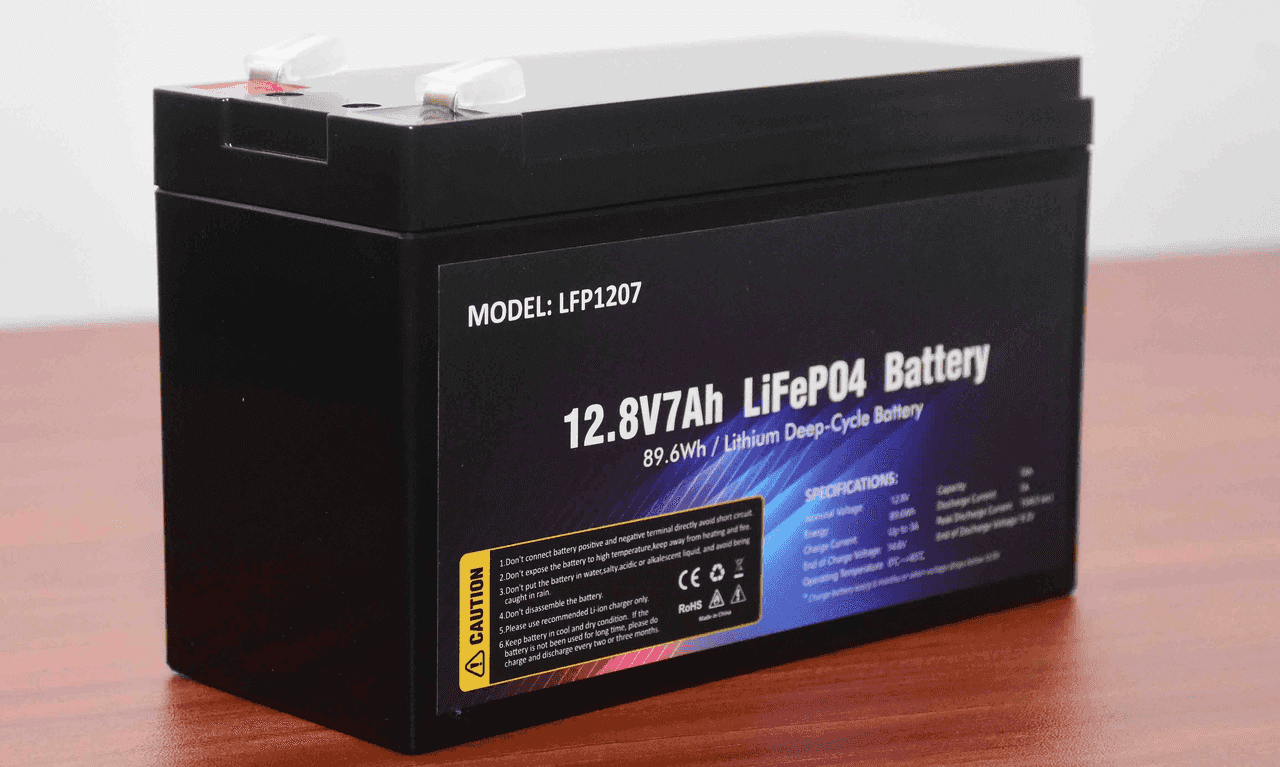
The right mower depends on lawn size, slope, grass type, gate width, storage, and physical ability. A small push mower may be a smart choice for one homeowner and a poor choice for another.
Push mowers
A battery push mower suits small yards, flat lots, and users who want a lighter machine. It can be easier to store in an apartment garage or small shed. A 16- to 20-inch deck often helps with tight gates and beds.
The drawback is that you must supply the pushing force. Skip a basic push mower if the lawn has steep slopes or you cannot comfortably control its weight.
Self-propelled mowers
A self-propelled mower uses a motor to drive its wheels. It suits mild slopes, larger lawns, and users who want less pushing. Variable speed control can help match the mower to your walking pace.
The drive system adds weight, cost, and battery use. It may also make the mower harder to lift into a vehicle. Test the controls if shopping for a senior or anyone with limited hand strength.
Riding mowers
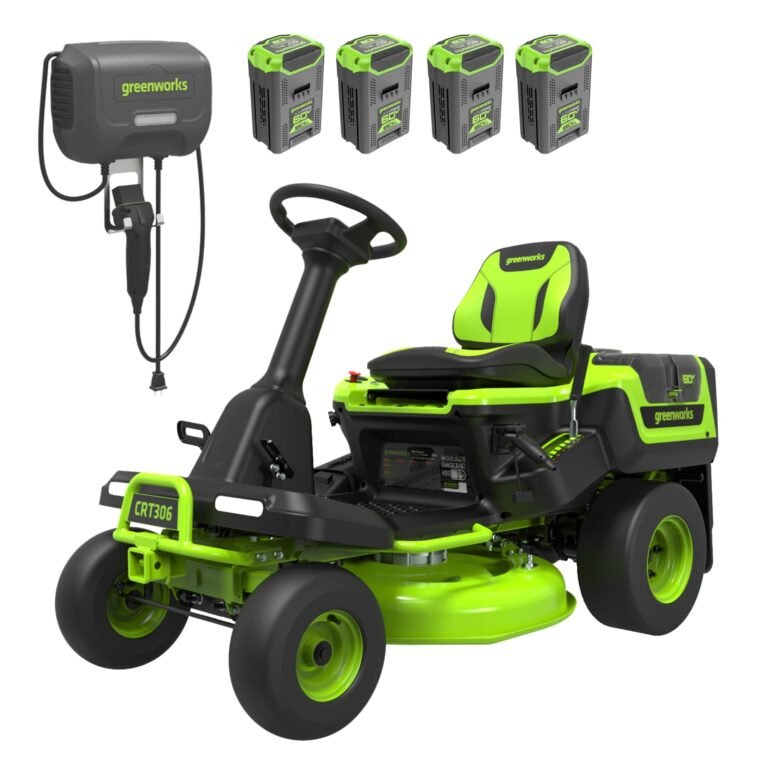
Riding mowers suit larger lawns where walking would take too long. Battery riding mowers can reduce fuel and engine maintenance, but their battery packs are costly and charging needs are greater.
Measure the storage space, door width, turning area, and charging location. A riding mower is not a good gift if the recipient has no secure place to keep it.
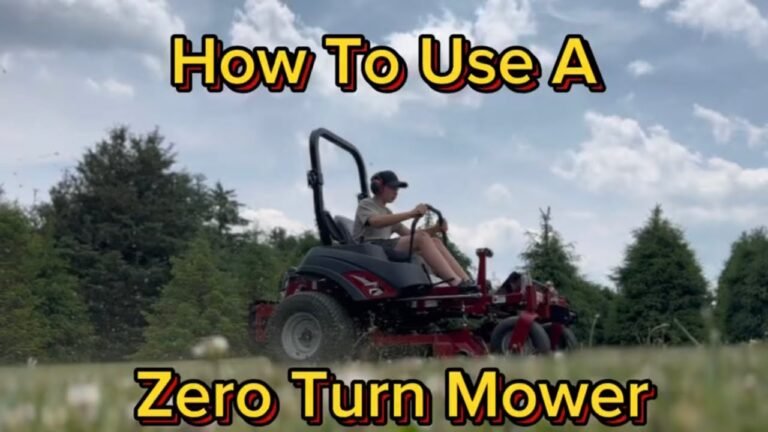
Zero-turn mowers
Zero-turn mowers use two drive wheels and can turn within a small area. They suit larger, open lawns with many trees or beds. They are not automatically the best choice for hills. Some slopes can be unsafe, especially when wet.
Read the slope limits in the manual. A zero-turn mower also needs more storage space and a larger budget than a walk-behind model.
Robotic mowers
Robotic mowers cut small amounts of grass often. They may suit homeowners who prefer scheduled mowing and have a fairly simple lawn. Installation can involve boundary wire, a charging station, or setup through an app.
They may struggle with complex borders, steep slopes, wet areas, toys, and poor signal coverage. Keep children and pets safe around any automated mower and follow the product’s operating rules.
Reel mowers
A reel mower uses a manual spinning cylinder blade. It can suit a small, flat yard and users who enjoy quiet exercise. It does not use a battery, gas, or electricity.
It may not suit tall grass, rough ground, weeds, or large yards. It also needs correct mowing height and a sharp reel.
What maintenance schedule helps a mower battery last?
A short routine after each mowing session can add up to years of better service. The goal is to prevent heat, dirt, deep discharge, and extra motor load.
After every mow
- Remove the battery before cleaning or inspecting the mower.
- Brush grass from the deck and wheels.
- Check for sticks, wire, or stones.
- Wipe dirt from the battery and contacts.
- Store the battery according to the manual.
- Note any change in runtime, vibration, or sound.
Every few mowing sessions
- Check blade sharpness.
- Inspect the grass chute and catcher.
- Make sure wheels turn freely.
- Check the handle and safety control.
- Look for loose hardware.
- Clean cooling vents.
Once or twice each season
- Sharpen or replace the blade.
- Inspect cables, switches, and connectors.
- Check the charger cord.
- Clean the underside of the deck.
- Inspect tire pressure on riding equipment.
- Review the owner’s manual for service items.
A professional landscaper may service equipment more often because commercial use places much more demand on the battery and deck. A homeowner with a small lawn may need less frequent service, but the basic checks still matter.
Common battery mower mistakes to avoid
Many battery problems begin with simple habits. Avoiding these mistakes can protect both the mower and the person using it.

Cutting wet grass
Wet grass adds drag and can clog the deck. It also increases slip risk. Wait for dry conditions, especially on any slope.
Letting the blade stay dull
A dull blade does not only affect appearance. It can increase power use and tear grass tips. Sharpen it with the correct angle, or have a mower shop do the work.
Using a larger battery without checking compatibility
A higher Ah battery may fit physically but still be wrong for the mower or charger. Follow the brand’s compatibility list. Do not mix battery systems just because the voltage appears close.
Storing the battery in a hot shed
Summer heat can shorten battery life. Choose a cooler, dry location that follows the manufacturer’s storage instructions.
Washing electrical parts
Water can enter the motor, controls, charger port, and battery slot. Use the cleaning method listed in the manual.
Leaving the mower overgrown and unserviced
Grass buildup acts like a blanket under the deck. It can hold moisture and make the motor work harder. Clean the deck before storage.
Ignoring local rules
Some cities limit gas equipment use or set hours for outdoor power equipment. HOAs may restrict noise, storage, or visible equipment. Confirm local rules before buying.
📜 Check Local Rules: Ask your city, county, or HOA about noise ordinances, gas-equipment restrictions, battery charging rules, and fuel storage laws. Quiet battery equipment can help reduce disturbance, but it does not remove all time-of-day rules.
Is a battery lawn mower worth it?
A battery mower is often worth the money for a small or medium yard, especially when quiet use, easy starting, and low routine maintenance matter. It may be less attractive for very large lawns, heavy overgrowth, or users who need long continuous runtime.
The value improves when the battery also powers a string trimmer, edger, leaf blower, or hedge trimmer from the same tool system. One battery platform can reduce charger clutter and make a set of outdoor tools easier to manage.
The value drops when replacement batteries are expensive, the yard needs several packs, or the mower has to work through wet, tall grass every week. Compare the total cost of the mower, batteries, charger, blade, storage, and likely replacement parts.
Who should choose a battery mower?
A battery mower may suit:
- First-time homeowners with small or medium yards.
- Renters who need compact outdoor equipment.
- Seniors who prefer push-button starting and less engine work.
- Gift recipients who already own tools on the same battery platform.
- Families in areas with gas-equipment limits.
- Users who mow at times when lower noise is helpful.
Who should consider another type?
A gas mower, riding mower, or commercial-grade electric model may suit:
- Large properties with long mowing sessions.
- Very thick or frequently overgrown turf.
- Users without a safe charging location.
- Yards with steep slopes that require specialized equipment.
- People who do not want to plan around battery charging.
Do not choose a mower only by battery voltage. Check deck size, weight, cutting height range, bag capacity, wheel design, slope limits, warranty, replacement blades, and service support.
How to dispose of an old mower battery
Old batteries need proper handling. Lithium-ion and lead-acid batteries can cause fires or release harmful materials when damaged, crushed, or placed in normal trash.

Remove the battery from the mower if the product allows it. Cover exposed terminals only as directed by the recycling program. Keep a damaged battery away from paper, gasoline, and other flammable items.
Contact your local recycling center, household hazardous-waste program, battery retailer, or manufacturer. Rules vary by location. A mower repair shop may also know approved collection sites.
For old gas mowers, drain or manage fuel only as the manual and local rules allow. Take old gasoline and oil to a hazardous-waste collection site. Do not pour either material on soil, into a drain, or into the trash.
Donate or recycle a working mower when possible. A repairable machine may help another household avoid a new purchase.
Frequently asked questions
Q: How many years should a lawn mower battery last?
A: A lawn mower battery commonly lasts two to five years. Lithium-ion batteries may last longer with moderate use, cool storage, and correct charging. Heat, deep discharge, wet storage, and heavy mowing can shorten that range.
Q: How do I know if my mower battery is bad?
A: A battery may be near the end of its life if runtime drops sharply, the charger shows repeated errors, the pack becomes unusually hot, or the mower stops under a light load. Check the blade, deck, contacts, and charger first. Replace a swollen, cracked, leaking, or damaged battery rather than using it.
Q: Can I leave my lawn mower battery on the charger?
A: Follow the battery and charger manual. Some systems manage charging automatically, but that does not mean every pack should remain connected for weeks. Unplug the charger during long storage unless the manufacturer specifically recommends a maintenance mode.
Q: Should I remove the battery after mowing?
A: Removing the battery can improve storage safety and prevent accidental starting. It also lets you inspect the pack and mower separately. Follow the manual, especially if the mower has a built-in charging port or special storage instructions.
Q: Does a bigger Ah battery make a mower more powerful?
A: A higher Ah rating usually provides more stored energy and longer possible runtime. It does not always increase motor power. Voltage, motor design, controller limits, blade condition, and battery platform all affect cutting performance.
Q: Can I use a different brand’s battery?
A: Usually, no. Battery connections, voltage, communication systems, and safety controls vary by brand. Use only batteries approved for the mower. A battery that fits the slot may still be unsafe or incompatible.
Q: Why does my battery mower stop in tall grass?
A: Tall grass can overload the blade motor. The mower may shut down to protect its electronics. Raise the deck, mow when the grass is dry, make slower passes, and avoid removing more than about one-third of the grass height at once. Inspect the blade and deck for problems.
Q: How long does it take to charge a mower battery?
A: Charging may take about 30 minutes to four hours, depending on battery size, charger output, and battery temperature. Check the charger label and owner’s manual. Do not use an unapproved fast charger.
Q: Is a battery mower good for hills?
A: A self-propelled battery mower can help on mild slopes, but the correct choice depends on the mower’s slope rating and your ability to control it. Never mow wet grass on a slope. Avoid a mower that feels too heavy to stop, turn, or transport safely.
Q: How long does a lawn mower itself last?
A: A well-maintained walk-behind mower may last many years. The deck, wheels, blade, controls, charger, and battery can age at different rates. Gas mowers also need engine service. Replacing a battery may extend the life of an otherwise sound electric mower.
Q: Can cold weather ruin a mower battery?
A: Cold weather can reduce temporary runtime and charging performance. Extreme temperatures can cause permanent damage, especially if the battery is charged while too cold or stored in poor conditions. Follow the manufacturer’s temperature guidance.
Q: Should I buy a battery mower for a senior?
A: It can be a good choice for a senior with a small or medium yard if the mower is easy to start, control, and store. A self-propelled model may reduce pushing, but it can add weight. Test the handle, speed control, brake, and battery removal system before buying.
Q: Is a battery mower better than a gas mower?
A: Neither is best for every yard. Battery mowers suit users who value quiet operation, low engine maintenance, and simple starting. Gas mowers may suit large lawns, long sessions, and heavy growth. Compare the full cost and local rules.
Q: How often should I sharpen a mower blade?
A: Many homeowners sharpen a blade once or twice per season, or after about 20 to 25 hours of cutting. Rocky yards may require more frequent checks. Replace a cracked or badly bent blade. Confirm the blade part number before ordering.
Final thoughts
A lawn mower battery often lasts two to five years, while runtime commonly falls between 30 and 60 minutes per charge. The real answer depends on battery size, mower type, grass height, terrain, weather, and maintenance.
For a small, flat yard, a light push mower with a compact battery may be all you need. A self-propelled mower can suit mild hills or users who need less pushing. Large lawns may call for multiple batteries, a riding mower, or a different power system.
Keep the blade sharp, mow dry grass, clear the deck, store the battery safely, and use the correct charger. Before buying, measure the yard, gate, slope, and storage area. Confirm the deck size, battery voltage, amp-hours, charger, blade type, replacement part numbers, warranty, and local equipment rules.
A carefully chosen battery mower can make routine lawn care simpler. The key is to match the machine to the yard and treat the battery as a service part, not an afterthought.
Affiliate disclosure
This article may contain affiliate links. If you purchase through one of those links, we may earn a commission at no extra cost to you. Product details, compatibility, runtime, prices, and availability can change, so confirm current information on the manufacturer’s product page and in the owner’s manual before buying.