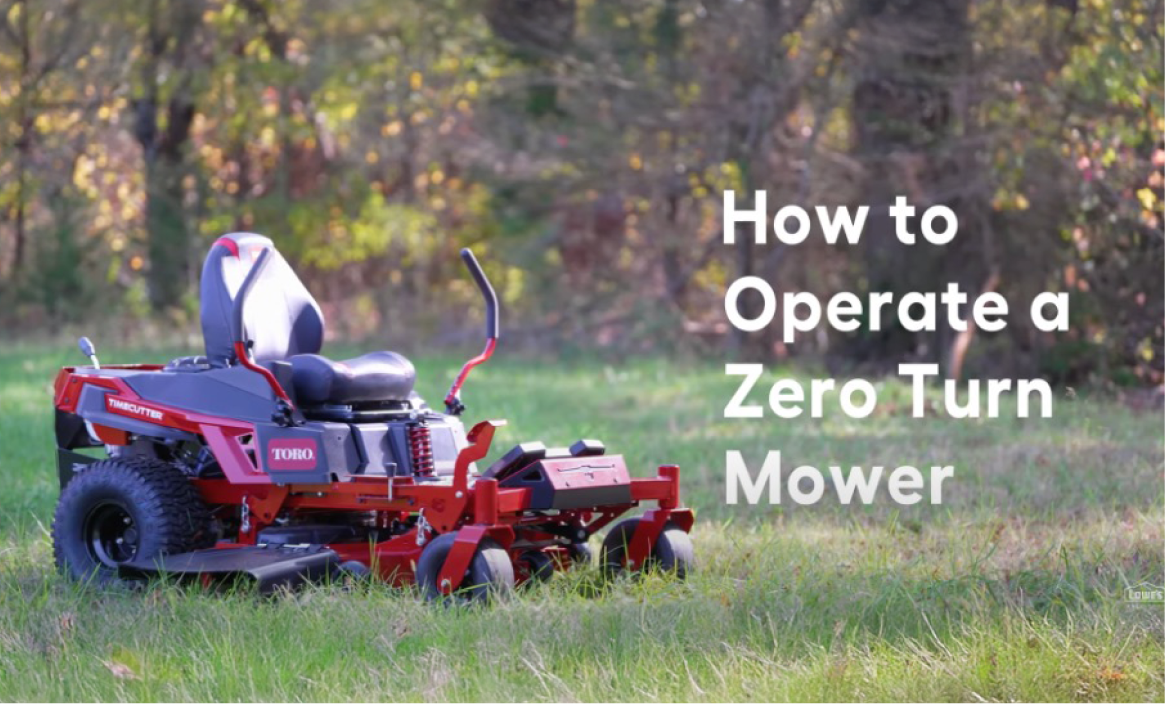
To operate a zero turn mower, learn the steering levers, safety controls, and mowing functions before starting. Begin on flat ground, practice slow movements, and gradually learn forward, reverse, turning, and cutting techniques.
Across the United States, zero turn mowers are widely used by homeowners, landscapers, and property managers to maintain large lawns efficiently. These machines are different from traditional riding mowers because they use two independent drive wheels controlled by lap bars or steering levers, allowing the mower to turn within its own footprint.
Operating a zero turn mower correctly requires understanding the controls, following safe starting procedures, and practicing smooth movements. Unlike a steering-wheel mower, a zero turn mower responds to separate left and right controls, so beginners should learn the machine’s behavior before mowing large areas or uneven terrain.
Understand How a Zero Turn Mower Works Before Operating It
A zero turn mower is a riding lawn mower designed with independent drive systems for the left and right wheels. Each drive wheel can move at different speeds or directions, allowing the mower to rotate almost completely in place.
The main advantage of this design is maneuverability. Operators can cut around trees, landscaping beds, fences, and other obstacles with fewer passes compared with many traditional riding mowers.
Source: mobileimages.lowes.com
Lap bars or steering levers
These controls regulate the movement of each drive wheel. Pushing both forward moves the mower ahead, while moving one lever differently creates a turn.
Mower deck controls
The deck engagement switch or lever activates the cutting blades. The deck height adjustment changes how short the grass is cut.
Safety systems
Most zero turn mowers include features such as seat switches, parking brakes, and blade shutoff mechanisms to reduce operating risks.
Know the Main Controls Before Starting
Before using a zero turn mower, sit in the operator seat with the engine off and identify every control. Familiarity with the controls helps prevent sudden movements when the mower is running.
Ignition switch
Starts and stops the engine.
Throttle and choke controls
Manage engine speed and starting conditions depending on the mower model.
Parking brake
Keeps the mower stationary during startup, shutdown, and parking.
Prepare the Zero Turn Mower Before Use
Proper preparation reduces the chance of accidents and mechanical problems. Before mowing, inspect the machine and the mowing area.
Remove objects such as sticks, rocks, toys, and metal debris from the lawn because rotating mower blades can throw objects at high speed.
Source: i.ytimg.com
Check fuel and fluids
Confirm that the fuel level, engine oil, and other required fluids meet the manufacturer’s recommendations.
Inspect tires
Proper tire condition and pressure help maintain control and even cutting performance.
Adjust the seat
Set the seat position so you can comfortably operate the controls without stretching or losing control.
Wear Appropriate Safety Equipment
Operators should wear closed-toe shoes, eye protection when needed, and hearing protection during extended mowing sessions. Avoid loose clothing that could interfere with controls.
Foot protection
Sturdy footwear improves control and protects feet from debris.
Eye and hearing protection
Helps reduce exposure to flying debris and engine noise.
Start the mower only when you are seated properly and the controls are in the correct position. Starting procedures can vary by manufacturer, so always follow the owner’s manual for your specific model.
Most zero turn mowers require the parking brake to be engaged, steering levers positioned correctly, and the blades disengaged before starting.
Source: classicturfequipment.com
Step 1: Sit in the operator seat
Confirm you are positioned comfortably and all controls are within reach.
Step 2: Engage safety controls
Set the parking brake and ensure the mower deck is not activated.
Step 3: Start the engine
Use the ignition system according to the mower manufacturer’s instructions.
Check That Everything Works Before Mowing
After starting the mower, allow the engine to warm briefly if required. Test the steering controls at low speed in an open area before engaging the blades.
Test movement
Confirm that forward, reverse, and turning controls respond correctly.
Engage and disengage the mower deck before beginning normal mowing.
Learn How to Drive and Steer a Zero Turn Mower
Driving a zero turn mower requires gentle control movements because the steering levers directly control wheel speed. Sudden movements can cause sharp turns or uneven mowing.
Practice on a flat, open section of lawn before mowing around obstacles. The goal is to develop smooth control rather than maximum speed.
Source: i.ytimg.com
Moving forward
Push both steering levers forward evenly to move straight ahead.
Moving backward
Pull both levers backward slowly while checking the area behind the mower.
Turning
Move one lever differently from the other to control the direction of the turn.
How to Make Smooth Zero Turn Movements
Avoid aggressive steering inputs. Smooth adjustments protect the turf and help prevent wheel marks, especially when turning on soft grass.
Slow down near obstacles
Reduced speed improves accuracy around trees, landscaping, and structures.
Practice zero turns carefully
Spinning in place can damage grass when the surface is wet or delicate.
The best mowing technique combines a suitable cutting height, consistent speed, and planned mowing patterns. Begin by mowing around the perimeter, then work through the main lawn area.
Avoid cutting too much grass at once because removing excessive leaf material can stress the lawn.
Source: poweredoutdoors.com
Choose a mowing pattern
Alternating mowing directions can help reduce soil compaction and improve lawn appearance.
Maintain steady speed
Consistent speed helps the deck cut grass evenly.
Avoid wet grass
Wet conditions can reduce traction and create uneven cuts or turf damage.
Operating on Slopes and Uneven Ground
Slopes require extra caution because zero turn mowers can react differently than traditional riding mowers. Follow the owner’s manual guidance for slope limits and avoid situations where traction or stability is uncertain.
Reduce speed
Lower speeds provide better control.
Avoid sudden turns
Sharp movements can reduce stability on uneven surfaces.
Frequently Asked Questions
Q
Is a zero turn mower difficult for beginners to operate?
A zero turn mower may feel unfamiliar at first because it uses independent steering controls. Most beginners can learn basic operation by practicing slowly in an open area before mowing normally.
Q
How fast should I drive a zero turn mower while cutting grass?
The ideal mowing speed depends on the mower model, grass conditions, and lawn type. Slower speeds usually provide better cut quality in thick grass or around obstacles.
Q
Can I use a zero turn mower on hills?
Zero turn mowers can have limitations on slopes. Always follow the manufacturer’s safety instructions and avoid operating where the mower feels unstable.
Q
Why does my zero turn mower leave grass uncut?
Common causes include driving too fast, dull blades, incorrect deck height, uneven tire pressure, or mowing conditions that overwhelm the mower deck.
Q
How do I stop a zero turn mower?
To stop, reduce movement gradually, return the steering controls to the neutral position, disengage the blades, set the parking brake, and shut off the engine according to the manufacturer’s instructions.
✦ Wrapping Up
Conclusion
Learning how to operate a zero turn mower starts with understanding the controls, practicing safe movements, and building confidence gradually. These machines can make lawn maintenance faster and more precise when operated correctly.
Regular inspections, careful driving, and attention to safety guidelines help protect both the operator and the lawn while extending the mower’s useful life.
💡 Key Takeaway
Practice operating your zero turn mower at low speed in an open area before cutting your entire lawn. Master smooth steering and safe stopping techniques first.
When your lawn mower starter not working becomes the reason your weekend yard project stops before it starts, frustration sets in fast. You tug the rope or turn the key—and nothing happens. The mower just sits there, mocking you in silence. Whether it’s a battery-powered starter refusing to crank or a pull-start rope stuck in…
A well-kept lawn starts with a reliable mower. But if your Honda lawn mower rear wheels have worn out, you’ll quickly notice uneven cutting, weak traction, or jerky movement on hills. Over time, even the best machines lose their grip—literally. That’s when a Honda lawn mower rear wheel replacement becomes essential. Replacing the rear wheels…
Learn how a lawn edger works, including manual, electric, and gas-powered models, blade movement, edging techniques, common mistakes, and safety tips for creating clean lawn borders.
If you’ve ever been halfway through mowing your lawn when your mower suddenly stops moving or the blades quit spinning, you already know how frustrating that moment feels. Often, the culprit is simple—a worn or broken belt. The Craftsman Lawn Mower Belt Replacement might sound like a small maintenance task, but it’s one of the…