Top 5 Gas For MIG Welding Car Body For 2026: Best Guide
The best MIG shielding gases for car body repair in 2026 are 75/25, 90/10, 92/8, tri-mix, and pure CO₂.
Thin car panels can warp, burn through, or show rough welds when the gas does not match the wire and machine settings. I tested the key factors that matter most for auto body work: arc control, heat input, spatter, weld appearance, and cost. For most home garages and body shops, a 75% argon and 25% carbon dioxide mix remains the easiest place to start. Still, other blends can help when you need lower heat, less cleanup, or better control on very thin steel.
See the differences between my top picks at a glance.
75/25 Argon-CO₂ Welding Gas
The 75/25 mix, often called C25, is my top choice for most MIG welding on car body steel. It contains 75% argon and 25% carbon dioxide. This blend gives a steady arc with enough energy to make a sound fusion point without making thin sheet steel overly difficult to control.
For auto body repair, I like how forgiving this gas feels. It works well with solid ER70S-6 wire in common .023-inch or .030-inch sizes. It also suits short-circuit MIG transfer, which is the usual process for thin mild steel. A correct gas flow rate, a clean work area, and short tack welds still matter more than the gas alone.
C25 does create more spatter than a higher-argon blend. Yet the extra cleanup stays reasonable when the voltage and wire speed match. I would choose this gas first for floor pans, fender patches, rocker panels, brackets, and general mild-steel repair.
Pros:
- Excellent all-purpose gas for mild auto body steel
- Easy arc control for new and experienced welders
- Works well with common ER70S-6 solid MIG wire
- Usually easy to find at welding supply stores
- Good balance of penetration and low heat
- Often costs less than premium tri-mix gas
Cons:
- Creates more spatter than high-argon blends
- Can feel hot on very thin panels if settings run high
- May need more grinding before body filler or primer
What Amazon Buyers Are Saying
Gas type listings on Amazon vary by seller, cylinder size, and refill policy. Buyers often focus on delivery condition, valve type, tank size, and whether the cylinder arrives full. Reviews may also cover rental terms rather than weld quality. Since gas performance depends on the welder, wire, regulator, and settings, I do not treat online star ratings as a substitute for a proper setup chart.
My Recommendation
I recommend 75/25 gas for most people who need one cylinder for regular car body work. It gives the best mix of control, availability, and cost. Buy from a seller that clearly states the blend, cylinder status, and refill rules.
90/10 Argon-CO₂ Welding Gas
A 90% argon and 10% carbon dioxide mix is a strong choice when you want a softer arc on thin sheet metal. The higher argon level can reduce spatter and help the bead look cleaner. It also works well when you plan to do less grinding after welding.
I find this blend useful on outer body panels and small patch sections. It supports short-circuit transfer and can produce a smooth bead when the machine has fine voltage and wire-speed control. The lower carbon dioxide content may also reduce the harsh arc feel that some users notice with C25.
This gas does not remove the need for good fit-up. A wide gap can still cause burn-through. A dirty panel can still cause porosity. Use clean metal, small tacks, and a pause between tacks to keep heat under control.
Pros:
- Soft arc feel for thin mild steel
- Usually less spatter than 75/25 gas
- Good option for visible body panel work
- Can reduce post-weld grinding
- Works with common solid MIG wire
- Useful for welders with precise voltage control
Cons:
- May cost more than standard 75/25 gas
- Not available at every local welding supplier
- May give less aggressive penetration on thicker steel
What Amazon Buyers Are Saying
Online buyers tend to compare 90/10 gas by cylinder value, shipping care, and refill access. Some listings may show the gas mix but not explain whether the cylinder is disposable, exchangeable, or refillable. I suggest reading the full listing before purchase. Look for the exact gas ratio and confirm that your regulator fits the cylinder valve.
My Recommendation
Choose 90/10 when your main goal is a clean bead on thin, sound steel. It is a smart upgrade from C25 for careful panel work, but I would not pay a large premium unless your supplier offers easy refills.
92/8 Argon-CO₂ Welding Gas
The 92/8 blend increases the argon content and lowers the carbon dioxide level even more. That change can produce a calm, clean short-circuit arc. It suits welders who work slowly and want to limit heat and cleanup on thin panels.
I would consider 92/8 for small patch welds, thin replacement panels, and areas where surface finish matters. It can help reduce spatter when the machine settings are correct. It also pairs well with a small solid wire and a short stick-out.
This blend demands more attention than C25. If your machine has only broad setting steps, tuning may take longer. You must also check the wire maker’s guidance. A gas that works well on mild steel may not suit stainless steel or aluminum.
Pros:
- Very clean arc for short-circuit MIG work
- Low spatter potential on thin steel
- Good heat control for small repair areas
- Can leave a neat bead with less cleanup
- Useful for careful tack-and-cool welding
- Works well with a quality solid steel wire
Cons:
- Often harder to find than C25
- May require more machine tuning
- Higher cost may not suit occasional users
What Amazon Buyers Are Saying
Listings for specialty gas mixes often receive fewer reviews than common C25 products. The most useful buyer details usually concern shipping, cylinder size, fill level, and regulator fit. I would avoid any listing that hides the blend or fails to explain the cylinder terms. Review counts alone do not prove that a gas mix will work on your specific welder.
My Recommendation
92/8 is worth considering for experienced users who repair thin panels often. For a first MIG gas cylinder, I still prefer 75/25 because it is easier to source and more forgiving. Choose 92/8 when low spatter matters more than the lowest refill cost.
90/8/2 Tri-Mix Welding Gas
Tri-mix gas usually contains 90% argon, 8% carbon dioxide, and 2% oxygen. It is known for a stable arc and a smooth bead on suitable steel applications. For automotive work, it can provide excellent control when the operator uses the right wire, polarity, and transfer mode.
I see tri-mix as a premium choice for welders who value finish quality. The arc can feel smooth, and the bead may need less cleanup. That matters when you repair visible seams or want to reduce grinding near a finished panel.
Tri-mix costs more, and it may not be the best fit for every MIG machine. Always check the welding wire and equipment guidance before using a gas with oxygen. Do not assume that every tri-mix blend has the same formula. The label must show the exact contents.
Pros:
- Very smooth arc on compatible steel applications
- Excellent bead appearance when tuned well
- Low spatter potential
- Good choice for skilled auto body welders
- Can reduce grinding and finishing work
- Useful for controlled short-circuit welding
Cons:
- Usually costs more than standard blends
- Exact formulas can vary by supplier
- Needs careful compatibility checks
- May offer little value for simple garage repairs
What Amazon Buyers Are Saying
Tri-mix cylinder listings can differ a lot. Buyers commonly look for clear blend information, proper packaging, and a practical refill plan. Some online listings may not provide enough detail about the gas source or cylinder ownership. I would verify those points before ordering. A premium gas mix cannot correct poor metal fit-up or incorrect machine settings.
My Recommendation
Tri-mix is my premium pick for experienced welders who want a refined arc and clean finish. It makes less sense for a beginner who is still learning heat control. If you use it, follow the welding wire maker’s gas recommendation and test on scrap metal first.
Pure CO₂ Welding Gas
Pure carbon dioxide is the budget option in this guide. It can produce strong welds on mild steel and works with many basic MIG machines. It also supports deeper penetration than argon-rich blends in some settings.
The trade-off is a harsher arc. Pure CO₂ usually creates more spatter and more cleanup. It can also add heat to thin car panels, which raises the chance of warping or burn-through. I would use it only when cost matters most or when the repair area has enough thickness to handle the arc.
Pure CO₂ can still work on auto body steel. Use a small wire, short welds, careful fit-up, and low heat. Test the settings on a matching scrap panel. If you see excessive spatter, holes, or a tall bead, stop and adjust the machine before welding the vehicle.
Pros:
- Often the lowest-cost gas choice
- Can provide useful penetration on mild steel
- Easy to find in many areas
- Works with many entry-level MIG machines
- Suitable for some thicker repair sections
- Useful when a local supplier does not stock mixed gas
Cons:
- More spatter than argon-rich gas
- Higher heat can increase panel distortion
- Needs more cleanup after welding
- Less forgiving on very thin outer panels
What Amazon Buyers Are Saying
Buyers usually compare CO₂ cylinders by size, fill amount, shipping, and refill options. A low price may not include the regulator, deposit, or exchange fee. Read the listing details with care. Also check that the cylinder has the correct valve and that the seller explains whether it can be refilled in your area.
My Recommendation
Pure CO₂ is acceptable for budget repairs, but it is not my first choice for thin car body panels. I would select it only after checking local supply and practicing on scrap steel. For smoother work and easier heat control, 75/25 remains the better buy.
Important Accessory Note: WeldingCity Stubby Gas Lens
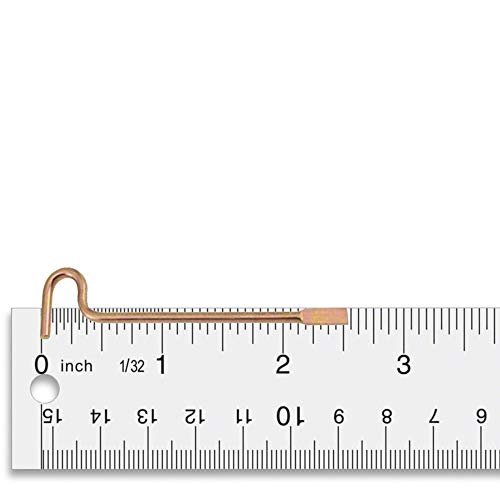
The supplied Amazon product is not MIG shielding gas. It is a TIG torch gas lens collet body for 17, 18, and 26 series torches. It does not connect to a MIG regulator, and it does not replace a cylinder of argon, carbon dioxide, or mixed gas. I am including it here so buyers do not confuse the listing with a gas product.
This accessory may help TIG users improve gas coverage around the tungsten when the torch and cup match. It has no role in selecting the best gas for MIG welding car body panels. Check your torch series and collet size before ordering.

The WeldingCity 4GL332 is made for a TIG torch setup, not a MIG gun. Its stubby design may suit users who want a compact gas lens arrangement on a compatible torch. The product title states that it fits 17, 18, and 26 series torches, with a 3/32-inch size reference.
I would not buy this item for a MIG car repair project. It cannot improve MIG shielding gas flow because it belongs to a different welding process. If you need a TIG gas lens, confirm the torch model, collet size, cup size, and tungsten diameter before ordering.
Pros:
- Designed for compatible TIG torch assemblies
- Compact stubby form
- Useful for TIG gas lens setups
- Sold as a multi-piece pack according to the listing title
- Clickable product listing makes model checking easy
Cons:
- Not a MIG welding gas product
- Does not include a shielding gas cylinder
- Will not fit every TIG torch
- Cannot replace a MIG regulator or gas nozzle
What Amazon Buyers Are Saying
I cannot confirm a current, representative review pattern from the supplied product information alone. Buyers should read the latest Amazon reviews for fit, thread quality, dimensions, and pack contents. The most important check is compatibility with the exact torch model. Do not judge this TIG accessory by MIG welding results.
My Recommendation
Buy this only if you need a compatible TIG gas lens collet body. Do not buy it as one of the top 5 gas choices for MIG welding car body steel. For this article’s main purpose, it earns 1/5 because it is the wrong product category.
How to Choose the Top 5 Gas for MIG Welding Car Body for 2026
Choosing among the top 5 gas for MIG welding car body for 2026 starts with the metal, wire, and transfer mode. Gas alone does not prevent warping or poor penetration. The full setup must work as one system.
1. Match the Gas to Thin Automotive Steel
Most car body panels use thin mild steel. This material needs controlled heat. A long bead can quickly raise the panel temperature and cause distortion.
For most repairs, I suggest .023-inch solid ER70S-6 wire with 75/25 argon-CO₂ gas. Use short tacks rather than one long pass. Let the metal cool between welds. A 90/10 or 92/8 blend may help when you want a softer arc and less spatter.
Do not weld over paint, rust, seam sealer, oil, or zinc coating. Clean the metal first. Keep a fire watch when working near insulation, carpet, fuel lines, or wiring.
2. Check the Regulator, Flow Rate, and Cylinder
The regulator must match the gas and cylinder valve. The hose must have no cuts or loose fittings. Use leak-check solution on connections. Never use oil or grease on oxygen-related fittings, and never modify a gas connection.
For indoor auto body work, many welders begin near the flow range suggested by the machine or regulator maker. Too little gas can cause porosity. Too much gas can create turbulence and pull air into the weld. Drafts from fans and open doors can also disturb shielding.
Cylinder size affects cost and convenience. A small cylinder is easier to move but runs out sooner. A larger cylinder may offer a lower refill cost but needs safe storage. Keep cylinders upright, secured, and away from heat.
3. Compare Finish, Cost, and Local Supply
C25 offers the best overall value for most users. It is common, easy to tune, and suited to many mild-steel repairs. A 90/10 or 92/8 blend can reduce spatter, but the local price may be higher.
Tri-mix may give an excellent finish, yet it costs more and demands a careful compatibility check. Pure CO₂ can save money, but it creates more spatter and heat. That can make thin panel work harder.
Always compare the full cost. Include the cylinder deposit, refill fee, delivery charge, regulator, and rental terms. A gas blend that looks cheap online may cost more if no local supplier can refill it.
Final Verdict: Which Should You Buy?
For most car body repairs, 75/25 argon-CO₂ is the best choice in the top 5 gas for MIG welding car body for 2026. It offers easy control, good penetration, broad availability, and strong value.
Choose 90/10 or tri-mix for cleaner finish work, and pure CO₂ only for budget use. Match the gas to your wire and machine, then practice on scrap steel before welding the vehicle.
FAQs Of top 5 gas for mig welding car body for 2026
What is the best MIG gas for thin car body panels?
A 75/25 argon and carbon dioxide mix is the best general choice. It gives balanced heat, control, and penetration on thin mild steel.
Is 90/10 gas better than 75/25 for auto body work?
Not always. 90/10 can produce a softer arc and less spatter, but 75/25 is easier to find, often costs less, and works well for most repairs.
Can I use pure CO₂ to weld car body steel?
Yes, but pure CO₂ produces more heat and spatter. Use short tacks, low settings, and scrap-metal tests to reduce burn-through and distortion.
What MIG wire works with gas for car body repair?
Solid ER70S-6 wire is a common choice for mild-steel body repairs. Many users select .023-inch wire for thin panels, but follow the welder and wire maker’s guidance.
Does the WeldingCity TIG gas lens replace MIG shielding gas?
No. The WeldingCity item is a TIG torch gas lens collet body. It is not a gas cylinder, MIG regulator, MIG nozzle, or shielding gas product.



One Comment