


The best hose timers save water, protect plants, and make garden care simple every day.
Have you ever remembered the sprinkler only after the lawn turns into a small pond? I have, and that is exactly where a hose timer helps. It connects to an outdoor faucet and turns water on and off at set times. A good model can keep flowers, beds, grass, and drip lines watered while you sleep, work, or travel. In this guide, I compare the best hose timers for simple yards, busy gardeners, low-water setups, and multi-zone needs. I also explain what I would check before buying, so you can choose with confidence.
RAINPOINT Programmable Sprinkler Timer
 programmable sprinkler timer for garden hose”>
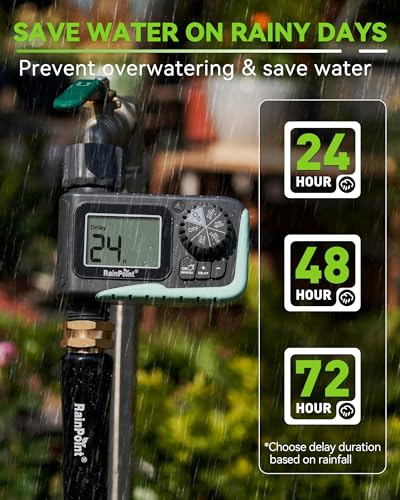
The RAINPOINT Sprinkler Timer is a strong starting point for gardeners who want automatic watering without a complex setup. It uses a digital control panel and a single outlet, so it works well with one hose, sprinkler, soaker hose, or drip line. I like this layout for small lawns, raised beds, and flower borders where one watering schedule does the job. The screen also makes the settings easier to review than a dial with tiny marks.
This timer includes automatic watering, manual control, and a rain-delay function. Those modes matter because weather can change fast, and a fixed schedule should not keep running after a storm. I would still place the timer under a small cover when possible, even though it is made for outdoor use. For the 2026 gardening season, it remains a practical pick for anyone who wants useful features without moving into a smart watering system.
Pros:
- Digital controls make schedules easy to set
- Rain-delay mode helps avoid needless watering
- Manual mode gives quick access to the faucet
- One outlet suits most small garden zones
- Works with sprinklers, soaker hoses, and drip lines
- Useful choice for busy homeowners and new gardeners
Cons:
- One outlet cannot run two separate zones independently
- Digital settings may take a short learning period
- It needs battery care for dependable seasonal use
My Recommendation
I recommend this RAINPOINT model for a homeowner who wants one of the best hose timers for a normal yard or garden bed. It offers the key controls most people need: automatic watering, manual watering, and rain delay. I would choose it over a basic mechanical timer when I wanted more control over start times and repeat days. It is also a sensible gift for a gardener who often forgets to move the hose.
The value is strongest when one outlet covers your watering area. It can help reduce overwatering, but the final result still depends on sprinkler flow, soil type, and plant needs. Check the price and current availability before buying, since Amazon stock and package details can change.
Orbit 62061 Digital Hose Watering Timer

The Orbit 62061 is a familiar one-outlet hose timer built for people who want a clear digital screen and simple automatic watering. Its LCD display lets you check the schedule without guessing where a dial points. I find that helpful when I adjust watering as summer heat rises or fall weather arrives. The battery-powered design also avoids the need for a nearby electrical outlet.
A built-in rain delay gives you a quick way to pause a schedule after rainfall. The water-resistant housing is suited to outdoor faucet use, but I would not treat any hose timer as fully waterproof or leave it exposed to harsh winter weather. The 62061 fits a standard single-zone job and works well with a lawn sprinkler or garden hose. It is a straightforward option for users who prefer a known brand and a familiar control style.
Pros:
- Easy-to-read LCD screen
- Built-in rain delay supports smarter watering
- Battery power allows flexible faucet placement
- Single outlet keeps setup simple
- Water-resistant design fits outdoor use
- Good match for lawns, beds, and container plants
Cons:
- It does not control two zones separately
- Users must replace batteries as needed
- The screen and buttons may feel small for some users
My Recommendation
I would suggest the Orbit 62061 to shoppers who want one of the best hose timers from an established irrigation brand. It is best for a single outdoor faucet and a predictable watering plan. The LCD screen is useful for older gardeners or anyone who dislikes small mechanical dials. It also suits renters because the timer can add automatic watering without changing the yard’s plumbing.
This model offers good everyday value when you need one controlled line. It does not offer the zone flexibility of a two-outlet timer, but that simpler design can be a benefit. If you want an easy digital timer with a rain pause, this Orbit model deserves a close look.
RAINPOINT Two-Zone Water Timer

The RAINPOINT two-zone water timer is made for a common garden problem: one faucet, but two areas with different watering needs. You might need a short cycle for pots and a longer cycle for a lawn sprinkler. With two controlled outlets, this timer gives you more room to build a useful plan. I see it as a practical step up from a single-outlet timer, especially for medium-size yards.
Rain delay, manual watering, and automatic irrigation modes make the unit more flexible during changing weather. The two zones can help separate thirsty plants from drought-tolerant plants, which may reduce waste when the schedules are set well. Installation remains simple because the timer connects at the outdoor faucet and uses hose fittings. Before buying, check that your water pressure and hose layout can support both outlets as planned.
Pros:
- Two outlets support separate watering zones
- Useful for lawns and garden beds at one faucet
- Rain-delay mode helps stop watering after storms
- Manual mode allows quick spot watering
- Automatic schedules reduce daily hose work
- Good fit for mixed plants with different needs
Cons:
- Two-zone setup takes more planning than one outlet
- Water pressure may affect performance on both lines
- More controls can feel less simple for new users
My Recommendation
This is one of the best hose timers for a medium yard, raised beds beside a lawn, or any home with two watering tasks. I would pick it when one schedule cannot serve every plant. For example, I could run a drip line for vegetables at one time and a sprinkler for grass at another. That control can save time and help avoid giving every plant the same amount of water.
Its value comes from flexibility rather than the lowest price. If you only water one small bed, a one-outlet timer may be easier. If you want two areas managed from one faucet, this RAINPOINT model is a strong and useful choice.
Orbit 62034 Mechanical Hose Timer

The Orbit 62034 takes a different path from the digital models in this review. It uses a mechanical dial and does not need batteries, which makes it appealing for simple watering jobs. I like this style when I want to turn a hose on for a set period and avoid screens, menus, or battery warnings. Its large grip also feels natural when my hands are wet or dirty.
This timer works as an adjustable irrigation shutoff, and its manual bypass lets you use the faucet without waiting for the timed cycle. It is best for short, clear watering tasks rather than complex weekly schedules. For example, it can help water a lawn patch, flower bed, or newly planted shrub while you handle another chore. As with all mechanical timers, turn the dial with care and protect the unit from freezing conditions.
Pros:
- Battery-free operation lowers maintenance
- Simple dial is quick to understand
- Easy-grip design helps with wet hands
- Manual bypass supports normal faucet use
- Useful for timed spot watering
- Often suits users who prefer basic controls
Cons:
- It lacks advanced weekly digital scheduling
- One outlet limits the watering area
- Mechanical controls may be less precise than a screen
My Recommendation
I recommend the Orbit 62034 for anyone who wants one of the best hose timers without batteries or digital settings. It is especially useful for a small garden, a temporary watering job, or a homeowner who values simple tools. I would choose it for an elderly family member who may find programming menus frustrating. It also makes sense as a backup timer in a shed or garage.
This is not the best choice for several start times or different days of the week. Its strength is easy, battery-free shutoff. If your needs are modest, the mechanical design offers dependable value and fewer parts to manage.
Programmable Hose Timer for Automatic Watering

This programmable hose timer targets shoppers who want automatic watering in a compact, easy-to-use package. It can take over a daily chore and help maintain a steady routine for plants. A regular schedule is often better than rushing outside with a hose after work. I see this type of timer as a useful tool for lawns, small beds, containers, and basic drip irrigation.
The main benefit is convenience, but good setup still matters. I would test the hose connection, watch for leaks, and place a rain gauge or simple soil check near the plants. A timer cannot know when soil is already wet unless it has a separate sensor system. Used with care, this model can help make watering more consistent through hot parts of the 2026 growing season.
Pros:
- Automatic watering reduces daily effort
- Programmable operation supports a regular routine
- Useful for gardens, containers, and lawn areas
- Can work with common hose-based watering tools
- Helps travelers keep plants on a schedule
- Compact design should fit most faucet areas
Cons:
- Exact features should be checked before purchase
- It may not suit users needing multiple zones
- Battery care remains part of normal ownership
My Recommendation
I would point this model toward a shopper who wants a basic automatic hose timer at a practical price. It is best for a small yard, patio garden, or group of containers that need regular watering. It can also help a person who travels for a few days and wants more peace of mind. Among the best hose timers, this type of simple programmable unit is often the easiest path from hand watering to automatic care.
Choose it after confirming the schedule range and connection details that fit your system. Its value depends on matching the timer to your watering area. For simple needs, it can remove a surprisingly large task from your week.
Outdoor Garden Hose Faucet Timer

This outdoor garden hose faucet timer is designed around the core needs of home watering. It supports automatic operation, manual watering, and a rain-delay setting in a one-outlet format. That combination gives me enough control for most small gardens without making the setup feel like a control panel. It is a good match for a hose sprinkler, soaker hose, or drip line connected to one faucet.
I especially like the rain-delay feature for areas with changing summer weather. When a storm drops a lot of water, pausing the timer can protect roots and prevent runoff. The manual mode is also handy when I want to fill a bucket or rinse a patio without removing the timer. I would inspect the washer and connector at the start of each season because a tight seal is just as important as the schedule.
Pros:
- Automatic and manual modes add daily flexibility
- Rain delay helps adjust watering after rainfall
- One outlet keeps the installation simple
- Suitable for lawn and garden watering tools
- Useful for people new to hose timers
- Can reduce missed watering on busy days
Cons:
- Single outlet cannot manage separate zones
- It may require regular battery replacement
- Outdoor exposure still calls for seasonal protection
My Recommendation
This timer is best for a homeowner who wants the essential features of the best hose timers in a one-outlet design. I would use it on a front flower bed, backyard lawn, or vegetable patch with one clear watering plan. It is also a nice fit for someone who wants a rain pause but does not need app control. The manual button adds comfort during everyday chores.
Its overall value is strongest for simple installations. If your yard has several zones, move up to a two-outlet model. If your yard has one hose and one schedule, this outdoor faucet timer can be a convenient and affordable helper.
Automatic Water Timer for Outdoor Hose
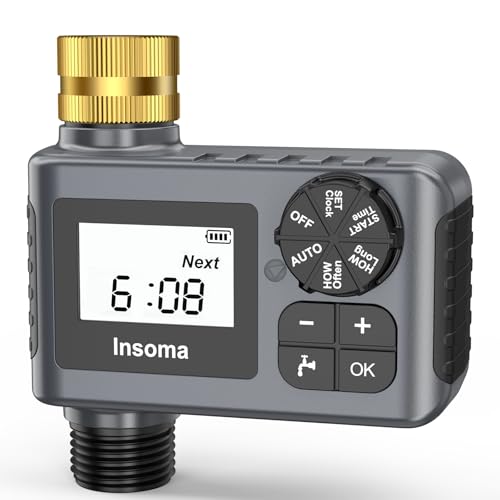
This automatic water timer is made for gardeners who want a set schedule with a manual option when needed. It can help keep watering steady when work, school, or travel gets in the way. I consider that consistency one of the biggest reasons to buy a hose timer. Plants often suffer more from missed watering and sudden soaking than from a calm, measured routine.
The rain-delay feature gives the timer some needed flexibility during wet weather. Manual mode also lets me test a hose, water a new plant, or clean a walkway without changing the saved plan. The unit is best used with a clean filter washer and a secure faucet connection. I would run a short test after installation and place a small container under the sprinkler to check how much water the area receives.
Pros:
- Automatic scheduling supports steady plant care
- Manual mode helps with quick watering tasks
- Rain delay can limit watering during wet weather
- Works well for common outdoor hose systems
- Helpful for travelers and busy households
- Can support lawn, bed, and container watering
Cons:
- It is not a replacement for a full irrigation controller
- One outlet may not cover a large landscape
- Users should verify the included instructions and fittings
My Recommendation
I recommend this model for a shopper seeking one of the best hose timers for routine outdoor watering. It is a good fit for a small property where one hose line can reach the target plants. I would also consider it for new gardeners who need a simple reminder-free system. The rain delay and manual control make it more useful than a timer that only follows a fixed cycle.
It offers solid value when you use it within its limits. Measure the coverage of your sprinkler before purchase, and do not assume a timer can fix poor water distribution. With a good sprinkler and a sound connection, it can make garden care feel much less rushed.
Orbit 62067 Digital Hose Timer, 2-Pack

The Orbit 62067 two-pack is a useful choice when you have two separate outdoor faucets or want a spare timer ready for another area. Each unit uses a one-outlet format, so the pack gives you two independent timers rather than one timer with two zones. That difference matters when the front and back yards need different schedules. I like this arrangement because each faucet can follow its own routine.
A two-pack can also be helpful for a home with containers on a patio and a sprinkler in the backyard. You can place one timer where it is needed instead of running a very long hose from a single point. The digital controls and automatic function are suited to routine watering, while a rain delay can help respond to changing conditions. Store the units indoors during freezing weather to protect the water path and connections.
Pros:
- Two timers cover two separate faucet locations
- Independent schedules suit different garden zones
- Digital operation is easier to review than a basic dial
- Useful for front and back yards
- One unit can serve as a convenient spare
- Good option for homes with several watering areas
Cons:
- The pack does not create two outlets at one faucet
- Two units mean twice the battery maintenance
- It may cost more than one timer for a small yard
My Recommendation
I would choose the Orbit 62067 two-pack for a home with two outdoor faucets or two distant watering points. It is one of the best hose timers for a front-yard and backyard setup because each timer can follow a different plan. It also suits a gardener who wants a backup rather than waiting for a single unit to fail. The separate design makes placement easy and avoids extra hose runs.
Do not buy this pack expecting a two-zone controller at one faucet. If that is your need, select a true dual-outlet timer instead. For two separate locations, however, this pack can deliver strong convenience and useful long-term value.
How I Choose the Best Hose Timers
A hose timer looks small, but it controls a key part of garden health. I do not judge one only by its display or advertised number of settings. I look at the connection, schedule control, rain pause, manual use, battery access, and the way the timer fits a real yard. A pretty screen cannot make up for a poor seal or a schedule that is hard to change.
I also think about the person using it. A first-time gardener may want a simple dial. A busy homeowner may need a digital schedule. A larger yard may need two outlets or two timers. The best hose timers are not the same for every home, so matching the tool to the watering plan matters more than chasing the longest feature list.
Outlet Count
Start with the number of watering areas. A one-outlet timer is enough when one hose reaches one bed or lawn section. A two-outlet model is better when two zones need different run times. A two-pack works well when the home has two separate faucets.
Do not confuse a two-pack with a dual-zone timer. A two-pack gives you two separate units. A dual-zone timer controls two lines from one faucet. That small detail can prevent an expensive mismatch.
Digital or Mechanical Controls
Digital timers usually offer more control over start times, days, and delays. Their screens can also make a schedule easier to check. However, they use batteries and may take a few minutes to program.
Mechanical timers are simple and often battery-free. They work well when you want a short timed watering period. They are less suitable when you need several start times or different watering days.
Rain Delay and Manual Mode
I consider rain delay a key feature, not a luxury. Watering after a heavy storm can waste water and leave soil too wet. A delay lets you pause the routine without deleting the schedule.
Manual mode matters too. It lets you run water for a quick test, fill a bucket, or rinse a tool. Without it, you may need to remove the timer each time you want normal faucet use.
Water Pressure and Flow
A timer opens and closes water flow, but it does not create pressure. If a sprinkler needs more flow than your faucet supplies, the coverage may be weak. Two outlets may also divide available flow, depending on the model and how you use it.
I suggest testing the sprinkler before setting a long schedule. Place shallow cans around the area and compare the water depth. This simple check can show dry spots and help you choose a better run time.
Connections and Seasonal Care
Most hose timer problems begin at the connection. Use the supplied washer, hand-tighten the fitting, and check for drips. Do not use excessive force, since plastic threads can crack.
Before the first freeze, remove the timer and drain water from it. Freezing water can damage the internal valve. Store the unit in a dry place, and install fresh batteries before the next season if needed.
Water-Saving Tips for Hose Timers
A timer can save time, but it does not automatically save water. The sprinkler type, soil, weather, and plant choice still matter. I prefer deep, less frequent watering for established plants when local conditions support it. Short surface watering can encourage shallow roots and may evaporate quickly in hot sun.
Water during the cooler part of the day when possible. Morning often works well because plants have time to dry before evening. Follow local watering rules, especially during drought or heat alerts. Public water agencies and university extension experts commonly advise checking soil moisture and adjusting schedules instead of using one fixed plan all year.
Inspect the hose and fittings each week. A small leak can waste water and lower pressure at the sprinkler. Look for bent hoses, blocked emitters, and spray that hits sidewalks or driveways. These quick checks help the best hose timers perform as intended.
Use rain delay after meaningful rainfall, then check the soil before restarting. A light shower may not reach the root zone, while a long storm may keep the soil wet for days. Let the garden—not the calendar alone—guide the next cycle.
Best For Comparison
| Best for | Why |
|---|---|
| Simple one-zone watering | A one-outlet digital timer keeps setup clear and supports automatic, manual, and rain-delay modes. |
| Two areas with different needs | A dual-zone timer can manage separate lines from one faucet with more schedule flexibility. |
| Battery-free timed watering | A mechanical timer uses a simple dial and works well for short, basic watering tasks. |
FAQs Of best hose timers
Are hose timers worth buying?
Yes. A hose timer can reduce missed watering, stop a sprinkler from running too long, and help maintain a steady routine. It is especially useful for busy people, new plants, raised beds, and short trips. The timer works best when you also check soil moisture and sprinkler coverage.
Can I use a hose timer with a soaker hose?
Yes. Most hose timers can work with a soaker hose when the connections match. Use a filter washer if the system includes one, check for leaks, and test the run time. Soaker hoses may need lower pressure and careful placement for even watering.
How long should I run a hose timer?
There is no single time for every yard. Soil, weather, plant type, sprinkler flow, and hose length all change the result. Start with a short test, check the soil, and use small containers to measure water spread before setting a longer schedule.
Do hose timers work without batteries?
Some mechanical models work without batteries. Digital models usually need batteries to power the screen, controls, and valve. A battery-free timer is simple, while a digital timer usually offers more schedule options.
Should I remove my hose timer in winter?
Yes, if freezing weather is possible. Turn off the faucet, remove the timer, drain trapped water, and store it indoors. This simple step can help prevent freeze damage and extend the life of the valve and fittings.
Final Verdict: Which Should You Buy?
For most homes, I would choose the RAINPOINT one-outlet digital timer for its useful controls and rain delay. Choose the two-zone RAINPOINT when one faucet must serve two areas. Pick the Orbit mechanical model for simple, battery-free watering.
The best hose timers make garden care calmer and more consistent. Match the outlet count, schedule style, and water flow to your yard, then adjust the plan as weather changes.
