


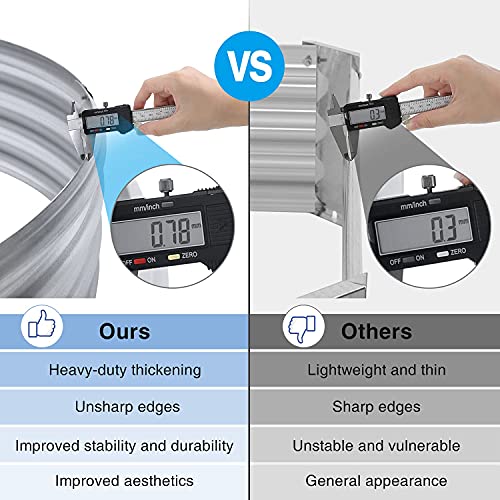
The best raised garden bed kit combines strong materials, smart depth, easy setup, and enough room for healthy roots.
Maybe you want fresh tomatoes, herbs, or flowers, but your yard has poor soil, weeds, or little space. A raised garden bed can solve those problems without a full yard makeover. I reviewed these kits for build quality, size, depth, drainage, setup, and everyday value. I also looked at how each style may fit a patio, small yard, family garden, or large planting plan. The right kit can turn a hard patch of ground into a small, tidy growing space.
Land Guard Galvanized Oval Garden Bed
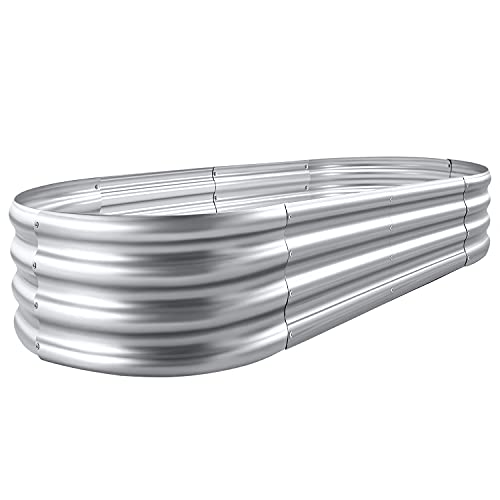
The Land Guard galvanized oval bed is a practical choice for gardeners who want a roomy metal planter without a complex shape. Its oval design removes sharp outside corners, which can make it easier to walk around in a small garden. The steel panels create a clear border between garden soil and lawn soil. That border helps keep your planting area neat.
I like this style for vegetables, herbs, and flowers that need more soil than a small pot can hold. Galvanized metal does not rot like untreated wood, so it can be a smart long-term choice when placed on level ground. Still, metal beds can warm in strong sun, so I would add a thick soil layer and monitor moisture during hot weather. The kit is most useful for people who want a simple, open bed with a clean look.
Pros:
- Oval shape provides a smooth, tidy garden outline
- Galvanized steel resists rot and common outdoor wear
- Open top gives plants plenty of light and air
- Works well for vegetables, herbs, and flowers
- Clear bed walls help separate garden soil from weeds
- Metal construction is lighter to maintain than many wood beds
Cons:
- Metal may heat up in direct summer sun
- Assembly can take time when joining several panels
- It may need extra bracing if filled with heavy, wet soil
My Recommendation
I recommend this Land Guard kit for new gardeners who want a large, simple bed with a soft oval profile. It suits a backyard grower who plans to plant common crops such as lettuce, peppers, squash, and flowers. It also works well when you want a strong visual border without building a wood frame.
As a best raised garden bed kit option, it offers a good mix of useful space, simple care, and durable metal panels. Measure your yard first, and place it where water can drain freely. Its value is strongest for gardeners who prefer an open bed over a tall planter.
SnugNiture Three-Piece 4-by-2-Foot Beds

This SnugNiture set includes three raised beds, each measuring about 4 by 2 feet with a tall profile. That layout gives you more planting zones than one large box. I find several smaller beds easier to organize because you can place herbs in one, salad crops in another, and flowers in the third. The brown finish also gives the set a warmer look than plain silver metal.
The taller wall can reduce bending while you plant and weed. It also gives you room to build a deep soil mix for crops with longer roots. A three-bed set may help gardeners rotate crops or separate plants with different water needs. Before filling each bed, I would check the panels, tighten every fastener, and use a level surface to reduce stress on the frame.
Pros:
- Three separate beds support easy crop organization
- Tall sides make planting and weeding more comfortable
- Galvanized metal handles outdoor moisture better than raw wood
- Brown finish blends well with many patios and yards
- Good size for herbs, greens, flowers, and compact vegetables
- Separate boxes make it easier to control soil mixes
Cons:
- Three boxes require more assembly than one bed
- Each 4-by-2-foot section may feel small for sprawling crops
- Tall beds need more soil to fill completely
My Recommendation
This kit is best for gardeners who want several growing areas in one purchase. It can fit a suburban yard, side path, deck edge, or community garden plot. I especially like it for families because each bed can serve a clear purpose, and children can reach the plants from the sides.
Among the options in this review, it is a strong best raised garden bed kit for organized planting and easier access. The three-piece layout gives you flexibility that a single large bed cannot match. Just plan your soil budget before ordering, since three tall beds need a large amount of quality mix.
SnugNiture 8-by-4-Foot Large Metal Bed

The SnugNiture 8-by-4-foot bed gives serious gardeners a broad planting area in one frame. Its footprint is large enough for a mix of vegetables, flowers, and herbs without crowding every row. The two-foot height also creates a deep root zone for many plants. That depth can be helpful when the ground below is hard, rocky, or full of unwanted roots.
A bed this size needs careful planning. I would choose a flat spot with good sun and leave walking room on every side. You should also think about how you will move bags of soil to the bed before assembly. Once filled, the bed becomes heavy and difficult to shift, but its large capacity can make it a productive center for a serious home garden.
Pros:
- Large 8-by-4-foot footprint supports many plants
- Two-foot depth suits crops with deeper root systems
- Raised design can reduce contact with poor native soil
- Galvanized steel avoids the rot concerns of untreated wood
- Wide layout allows several rows and companion plants
- Useful for gardeners who want one main food-growing bed
Cons:
- It requires a large, sunny placement area
- Filling a deep bed can cost more than filling a shallow one
- The wide center may be hard to reach without stepping near the bed
My Recommendation
I would choose this kit for an experienced gardener or a household that wants a productive main bed. It is a better fit for tomatoes, peppers, greens, beans, and flowers than for a very small patio. The two-foot depth may also help people who need more separation from compacted ground.
This is a best raised garden bed kit for capacity and root space, not for tiny yards. Use a soil blend made for raised beds rather than heavy clay. If you can give it sun, stable ground, and room to walk, this large frame can become the backbone of a home garden.
Vego Garden 10-in-1 Modular Metal Bed

The Vego Garden modular bed stands out because its panels can support several layouts. A 10-in-1 design lets you choose a shape that fits your space instead of forcing your garden to match one fixed footprint. The 17-inch height gives plants a useful root zone while making the bed easier to reach than a ground-level plot. Its olive green finish can also look more like planned garden furniture than plain utility metal.
Modular design is helpful when your yard changes over time. You may begin with a compact shape, then adjust the panels as your planting plan grows. I would still check the instructions closely because flexible layouts can make assembly less direct than a simple rectangle. This kit is especially appealing to gardeners who value form, layout choices, and long-term planning.
Pros:
- Multiple layout choices fit different yard shapes
- 17-inch height offers comfortable access for many users
- Deep enough for a wide range of garden plants
- Olive green finish adds a polished outdoor look
- Modular panels can support future garden changes
- Large format gives room for mixed planting plans
Cons:
- More layout choices can make setup take longer
- Large configurations need a clear and level area
- Its higher price may not suit a first small garden
My Recommendation
I recommend the Vego Garden kit for gardeners who want a long-term setup with more design freedom. It suits homeowners who care about both function and appearance. The adjustable shape can help when a yard has an odd corner, a narrow side space, or a changing planting plan.
For many shoppers, this is the best raised garden bed kit when flexibility matters most. It gives you more than a fixed box and can support a neat, planned garden. It may cost more than a basic bed, but the layout choice and solid height can make that extra cost worthwhile for committed gardeners.
Land Guard Two-Pack 6-by-3-Foot Beds

This Land Guard two-pack gives you two large beds with a two-foot depth. That depth is the main attraction for gardeners who want more room below the plant crown. Deep beds can support crops with larger root needs and can reduce the effect of poor soil under the bed. Two separate units also let you place them in different parts of the yard.
The 6-by-3-foot size strikes a useful middle ground. Each bed offers room for a productive planting plan without taking up the footprint of one extra-large frame. I would use one for vegetables and one for flowers or herbs, or keep one bed in reserve for crop rotation. Because deep beds use much soil, consider filling the lower area with clean, safe bulk material where appropriate, then use quality garden mix near the roots.
Pros:
- Two beds offer flexible placement and crop separation
- Two-foot depth supports deeper-rooted plants
- 6-by-3-foot footprint fits many medium-size yards
- Useful for vegetables, flowers, and herbs
- Galvanized panels resist rot from regular outdoor exposure
- Separate boxes can make watering and crop planning easier
Cons:
- Deep beds require a large soil investment
- Two assemblies mean more parts and setup time
- Metal sides may need extra attention in very hot locations
My Recommendation
This set is best for gardeners who want deep soil but do not want one giant bed. It works well for a couple, a small family, or anyone who wants separate zones for food and flowers. The two-pack also gives you more freedom to follow sunlight patterns around your property.
I see it as a best raised garden bed kit for deep planting and flexible yard layouts. It gives more root room than many standard beds while keeping each unit manageable. Be ready to plan the fill material before delivery, because a two-foot bed can hold a surprising amount of soil.
zunatu Two-Pack 10-by-2-Foot Beds
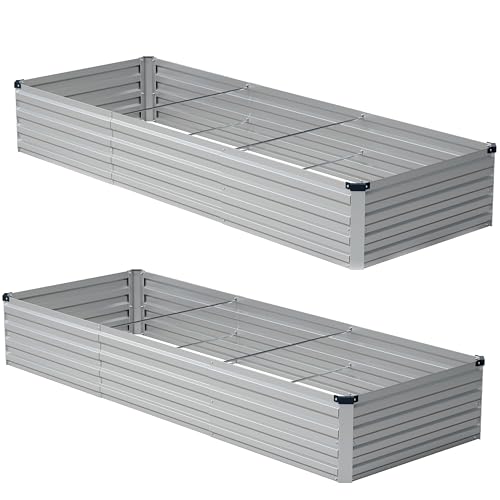
The zunatu two-pack uses a long, narrow shape that can fit along a fence, walkway, or side yard. Each bed is about 10 feet long and 2 feet wide, so you get a large total growing area without making the bed too wide to reach. That narrow profile is useful for gardeners who want long rows of salad greens, herbs, onions, or compact vegetables.
Long beds can also make planting and harvest easy to map. You might place one crop along each section or use a simple row plan from one end to the other. I would leave enough space between the beds for a wheelbarrow or watering can. Since the bed is long, level placement matters, and I would check that the ground does not slope sharply from one end to the other.
Pros:
- Long, narrow shape fits fences and side yards
- Two beds provide a large combined growing area
- Two-foot width keeps many plants within easy reach
- Useful for row crops, herbs, and greens
- Separate beds support simple crop rotation
- Metal walls create a clean edge around long planting rows
Cons:
- Long panels need careful alignment during assembly
- The shape may not suit a round or irregular yard
- Each bed still needs a level base across its full length
My Recommendation
I recommend this kit for gardeners who have more length than width. It is a smart match for a narrow backyard border, a sunny fence line, or a long patio edge. It may also help people who prefer row planting and want every plant easy to reach from the side.
This can be the best raised garden bed kit for narrow spaces and orderly rows. It offers a lot of planting length without a deep center that is hard to access. Before buying, measure the full ten-foot run and confirm that the bed will not block gates, paths, or lawn equipment.
Rakukiri Five-Foot Recycled Metal Garden Bed

The Rakukiri raised bed offers a smaller footprint for gardeners who do not need a full-size food plot. Its five-foot oval form can suit a front yard, patio area, or compact backyard. The rounded shape has a friendly look and gives you room to plant without creating a harsh square outline. The listing also identifies recycled material, which may appeal to shoppers who want a more mindful material choice.
A smaller bed is often easier to fill, place, and maintain than a large kit. It can hold herbs, greens, flowers, strawberries, or a few compact vegetable plants. I would not treat it as a full replacement for a large vegetable garden, but it can be an excellent starting point. Place it near the kitchen if you want quick access to fresh herbs.
Pros:
- Compact size suits small yards and patios
- Oval shape creates a soft, attractive garden outline
- Requires less soil than a large deep bed
- Good for herbs, flowers, greens, and compact crops
- Recycled material claim may appeal to eco-minded shoppers
- Easy footprint for a first raised garden project
Cons:
- Smaller capacity limits the number of large plants
- Oval shape may waste a little space in square corners
- It may not provide enough depth for very large root crops
My Recommendation
This Rakukiri bed is best for beginners, renters with outdoor space, and gardeners who want a small feature near the home. It can also work as a dedicated herb bed or flower bed. Its moderate size makes it easier to manage when you are learning how much water and compost your plants need.
For a small space, this is a best raised garden bed kit because it keeps the project simple. It uses less soil, needs less room, and can still bring fresh growth to a plain corner. Choose a larger model if you plan to grow sprawling crops or a full season of vegetables.
Foxlang Two-Pack 8-by-4-Foot Beds

The Foxlang two-pack gives gardeners two broad 8-by-4-foot beds in a black finish. The pair creates a large planting system for anyone who wants to grow several crops at once. You can use one bed for vegetables and the other for flowers, pollinator plants, or herbs. The black color gives the setup a bold, modern look.
Each bed has a wide footprint, so placement deserves careful thought. I would avoid putting one against a wall where the far side becomes hard to reach. Keep a walking path around each box, and use a simple grid plan to prevent crowding. Two large beds can produce a lot of food, but they also need plenty of soil, regular watering, and a good plan for weeds and plant support.
Pros:
- Two wide beds provide generous total planting space
- Black finish gives the garden a clean modern style
- Separate beds make crop grouping simple
- 8-by-4-foot size supports many vegetables and flowers
- Galvanized construction avoids regular wood sealing
- Useful for gardeners planning a larger home food plot
Cons:
- Large beds need a wide site with good access
- Two beds can require a significant amount of soil
- Black metal may absorb more heat in strong sunlight
My Recommendation
I would choose this Foxlang set for a household that wants two main growing zones. It suits a larger yard, a shared garden, or a gardener who plans to grow food and flowers at the same time. The pair also gives you room to separate plants by watering needs or harvest dates.
It can be the best raised garden bed kit for total growing space when you have room to use it well. The dark finish looks sharp, but hot climates may require closer soil checks. If you can provide sun, paths, and enough soil, this two-pack offers strong garden-building potential.
How I Compare a Raised Garden Bed Kit
Size is the first detail I check, but it is not the only one. A large bed may look impressive, yet it can be hard to reach and expensive to fill. A smaller bed may offer better value if it fits your space and your planting goals. I always measure the site before choosing a kit.
Depth matters too. Shallow beds work for many herbs and greens, while deeper beds give roots more room and can lift plants farther from poor ground. Deep designs also use more soil, so I include the fill cost in the real budget. A good kit should match both the plants and the gardener’s back.
Material is another key point. Galvanized steel does not need the same sealing care as untreated wood, and it will not rot in the usual way. Yet thin metal can flex if the bed is not level or if wet soil pushes hard against the walls. I look for sensible panel connections, stable placement, and clear assembly steps.
Drainage protects the roots. A raised bed should not become a sealed tub that holds water after every storm. Most open-bottom beds drain into the soil below, but the ground still needs to drain well. If your site stays wet, raise the bed on a better base or choose another location.
Sunlight guides the final choice. Most food crops need several hours of direct sun, though exact needs vary by plant. Put the bed where trees, walls, or fences will not cast long shade during the growing season. A perfect bed in the wrong spot still gives poor results.
How to Set Up the Best Raised Garden Bed Kit
Start by opening the box and checking all panels, bolts, braces, and instructions. I like to lay the parts on a tarp before assembly. This makes missing pieces easy to spot and keeps small hardware from disappearing in grass. Wear gloves because thin metal edges can feel sharp before the frame is complete.
Next, choose a level site. Remove grass and large weeds if the bed will sit on soil. You can place cardboard below the bed to smother grass, but avoid printed or coated material that may add unwanted substances to the soil. For beds on hard surfaces, confirm that water can escape and that the surface can support the filled weight.
Assemble the frame loosely at first. Do not fully tighten every fastener until the shape looks even. Check the corners, measure the diagonals when possible, and then tighten the hardware. A level frame puts less strain on the panels and gives water a more even path through the soil.
Do not fill the bed with plain yard dirt alone. Heavy soil can drain poorly and become hard when dry. A common raised-bed mix uses quality topsoil, compost, and a light material that improves air and drainage. The exact blend depends on your local climate and plants, so use clean products made for garden use.
Fill in layers and water as you go. Soil settles after the first few rains, so leave a little space at the top. Add compost later rather than packing the bed too full at the start. Finally, cover bare soil with a safe organic mulch to slow weeds and reduce moisture loss.
Raised Bed Safety and Care Tips
Galvanized metal is popular because it handles outdoor moisture well, but all products need care. Inspect the bed after severe weather and tighten loose hardware. Look for sharp edges, bowed panels, or movement at the base. Fix small issues early before wet soil makes them worse.
Keep the bed away from areas where children or pets may run into the corners. Oval beds reduce sharp corners, while rectangular beds may benefit from a clear path around them. Never use the bed as a seat unless the manufacturer clearly supports that use. A panel can bend under sudden weight.
Water based on the soil and plant needs, not on a fixed calendar. Metal can warm the soil on hot days, and raised soil often dries faster than ground soil. Touch the soil several inches down before watering deeply. Morning watering often gives leaves time to dry and can reduce stress during hot weather.
Rotate crops when possible. Avoid planting the same plant family in the same bed year after year. Rotation can help reduce the buildup of certain pests and soil problems. Remove dead plants at the end of the season, but leave healthy roots to break down unless disease affected the crop.
Best For Comparison
| Best for | Why |
|---|---|
| Small spaces and beginners | Rakukiri offers a compact footprint that is easier to fill and manage. |
| Flexible garden layouts | Vego Garden provides multiple layout options for changing spaces. |
| Large food gardens | SnugNiture and Foxlang offer broad beds for many plants and rows. |
FAQs Of best raised garden bed kit
What is the best raised garden bed kit for beginners?
A compact kit with a simple shape is often best for a beginner. The Rakukiri five-foot bed uses less soil and needs less space. If you want more planting zones, the SnugNiture three-piece set offers separate beds that are still easy to understand.
Are galvanized metal raised beds safe for vegetables?
Galvanized metal beds are widely used for outdoor gardening. Choose a product made for garden use, follow the care instructions, and use clean soil and compost. If you have a specific concern, check the product details and ask a local gardening professional.
How deep should a raised garden bed be?
Many herbs and greens can grow in a shallower bed, while tomatoes, root crops, and larger plants may benefit from more depth. A 17-inch or two-foot bed gives more root space, but it also costs more to fill. Match depth to your plants and budget.
Do raised garden beds need a bottom?
Most outdoor beds work as open-bottom frames. This lets extra water drain into the ground and gives roots more room. Use a bottom only when the product requires it or when you are gardening on a hard surface, and always protect drainage.
How much soil does a raised garden bed need?
The amount depends on the bed’s length, width, and depth. Large and deep models can need many bags or a bulk delivery. Measure the inside dimensions, calculate the volume, and buy a little extra for settling. Planning this cost prevents surprises.
Final Verdict: Which Should You Buy?
I would choose the Vego Garden for flexible layouts and the SnugNiture 8-by-4-foot bed for large planting space. For small yards, the Rakukiri is easier to manage and fill.
The best raised garden bed kit is the one that fits your sun, soil, space, and plants. Measure first, build on level ground, and use a clean soil mix for the best start.
