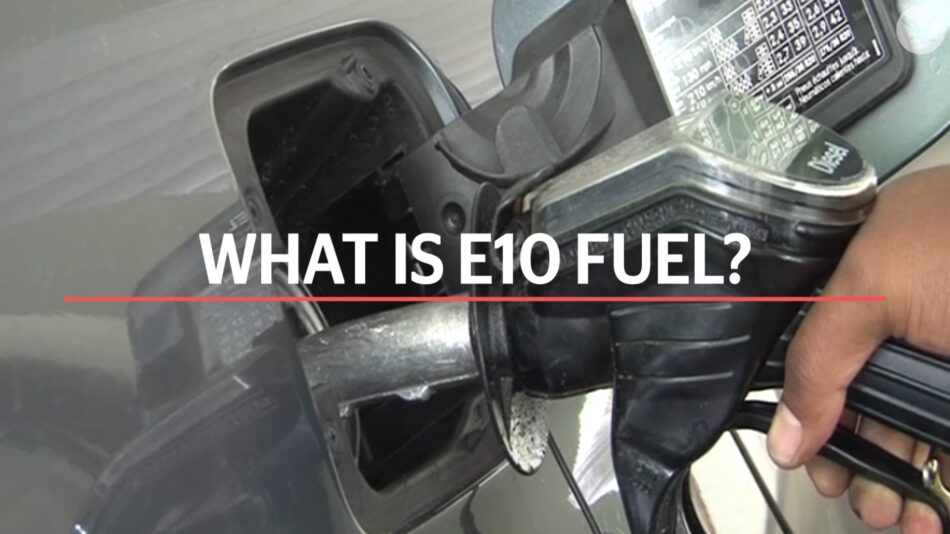
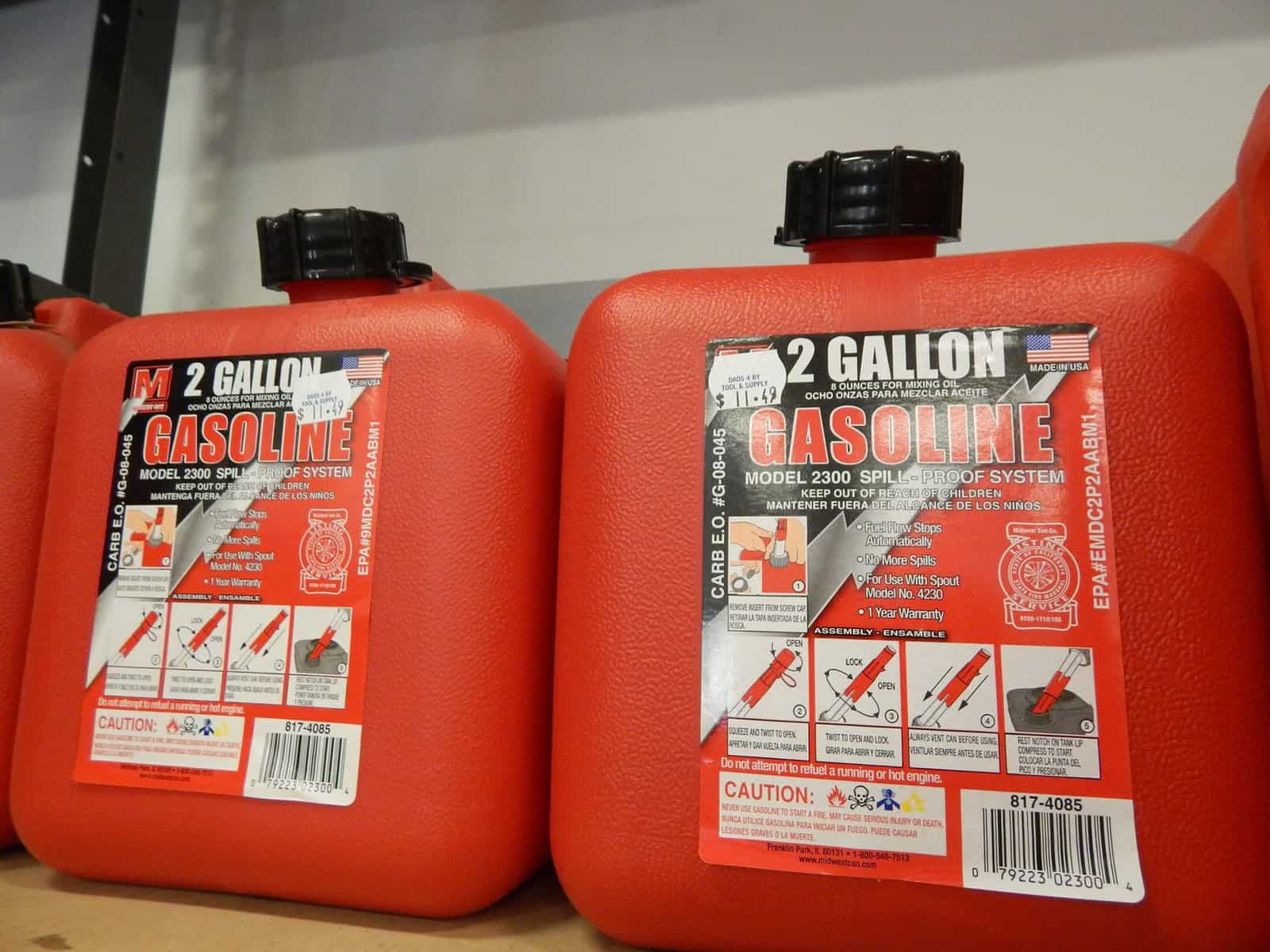
E10 gas is generally safe for most modern lawn mowers in the United States, but you should confirm your mower manufacturer’s recommendation before using it. E10 contains up to 10% ethanol, which can affect older small engines and fuel systems if stored improperly.
Across the United States, E10 gasoline is one of the most common fuels sold at gas stations. Many homeowners use it in lawn mowers, riding mowers, and other outdoor power equipment because it is widely available and approved for many modern engines.
E10 gas means gasoline blended with up to 10% ethanol and at least 90% petroleum gasoline. While most newer lawn mowers are designed to operate on E10, ethanol can absorb moisture and may contribute to fuel system problems when gasoline is left sitting for long periods.
The best fuel choice depends on your mower’s engine design, manufacturer instructions, storage habits, and how frequently you use the equipment. Understanding how E10 works can help you avoid starting problems, corrosion, and unnecessary repairs.
What Is E10 Gas and Why Is It Used in Lawn Mowers?
E10 gas is a fuel blend made with 90% gasoline and up to 10% ethanol. Ethanol is an alcohol-based renewable fuel component commonly added to gasoline in the United States to increase renewable fuel use and improve certain fuel characteristics.
For lawn mower owners, the main benefit of E10 is availability. Most regular unleaded gasoline sold at American fuel stations contains an ethanol blend, making E10 the standard option for many outdoor power equipment users.
E10 is not a special lawn mower fuel. It is the same type of gasoline many vehicles use, but small engines have different fuel system designs and may be more sensitive to fuel quality and storage conditions.
Source: mowerliving.com
Ethanol content
E10 gasoline contains no more than 10% ethanol mixed with gasoline.
Common availability
E10 is widely available at gas stations throughout the United States.
Small engine consideration
Lawn mowers require proper fuel handling because they often sit unused between mowing seasons.
How Ethanol Affects Small Engines
Ethanol has different chemical properties from pure gasoline. It can absorb moisture from the surrounding environment, and this moisture can contribute to corrosion or fuel degradation when fuel is stored for long periods.
The main concern with E10 is usually not immediate engine operation but long-term storage. A mower that uses fresh E10 regularly may operate normally, while a mower that sits for months with old fuel may develop problems.
Possible storage issues
Old ethanol-blended fuel may become less stable and can create starting or performance problems.
Can You Use E10 Gas in a Lawn Mower?
Most modern lawn mowers can use E10 gasoline, but the safest answer depends on the specific engine manufacturer and model. Check the owner’s manual or fuel label before filling the tank.
Many manufacturers of outdoor power equipment design engines to operate on gasoline containing up to 10% ethanol. However, older equipment may have fuel system materials that are less compatible with ethanol blends.
Source: altgov2.org
Newer lawn mowers
Most newer residential lawn mowers are commonly designed to run on E10 fuel.
Older lawn mowers
Older engines may require extra caution because ethanol can affect certain rubber, plastic, or metal fuel system components.
Manufacturer instructions
The owner’s manual is the most reliable source for fuel compatibility information.
E10 vs Ethanol-Free Gas for Lawn Mowers
E10 and ethanol-free gasoline can both be used in lawn equipment depending on manufacturer guidance. The main difference is that ethanol-free fuel does not contain ethanol, which can reduce some moisture-related storage concerns.
For homeowners who use their mower frequently and consume fuel quickly, E10 is often a practical option. For seasonal equipment that sits unused for long periods, some owners choose ethanol-free gasoline to reduce potential storage issues.
E10 fuel
Widely available and suitable for many modern lawn mowers.
Ethanol-free fuel
May be preferred for equipment stored for long periods, although availability varies.
How to Use E10 Gas Safely in a Lawn Mower
Using E10 gas correctly is mostly about preventing fuel deterioration and keeping the engine’s fuel system clean. Fresh fuel and proper storage practices are more important than simply choosing one gasoline type.
Before adding fuel, make sure you use clean gasoline stored in an approved container. Avoid using gasoline that has been sitting for long periods unless it has been properly treated and stored.
Source: mowerliving.com
Use fresh gasoline
Fresh fuel helps reduce starting problems and poor engine performance.
Store fuel correctly
Keep gasoline containers sealed, approved for fuel storage, and protected from extreme conditions.
Avoid contaminated fuel
Water or debris in gasoline can damage small engine components.
Steps Before Filling Your Lawn Mower
Turn off the mower and allow the engine to cool before refueling. Use the correct gasoline type listed in the owner’s manual and avoid mixing fuel with unknown or old gasoline.
After filling the tank, close the fuel cap securely and inspect for spills before starting the mower.
Step 1
Confirm the recommended fuel type for your mower model.
Step 2
Use fresh E10 gasoline from a reliable fuel source.
Step 3
Store remaining fuel properly after use.
Common Problems Caused by Poor E10 Fuel Storage
Many lawn mower fuel problems are related to old or improperly stored gasoline rather than E10 itself. When fuel remains unused for too long, it can lose quality and create engine performance issues.
Recognizing early symptoms can help prevent unnecessary repairs and identify whether the problem is related to fuel, maintenance, or another engine component.
Source: mowerliving.com
Hard starting
Old fuel may make it difficult for the engine to start after storage.
Rough running
Fuel quality problems can contribute to uneven engine operation.
Fuel system deposits
Aging gasoline may leave deposits that affect fuel flow.
If your mower does not start after sitting unused, check the fuel condition first. Replace old gasoline if needed, then inspect other common causes such as the spark plug, air filter, and fuel delivery system.
If basic maintenance does not solve the issue, consult the mower manufacturer or a qualified small engine technician.
Fuel check
Confirm that gasoline is fresh and free from contamination.
Maintenance check
Inspect routine service items according to the owner’s manual.
Mistakes to Avoid When Using E10 Gas in Lawn Equipment
Using the wrong fuel practices can create problems even when the gasoline itself is compatible with the mower. Most issues come from improper storage, contamination, or ignoring manufacturer recommendations.
Source: lawncarepro.co.uk
Using old gasoline
Avoid leaving untreated fuel in a mower for long periods.
Ignoring the owner’s manual
Fuel requirements vary between mower models and engine manufacturers.
Storing fuel in unsuitable containers
Use approved gasoline containers designed for safe storage.
Frequently Asked Questions
Q
Is E10 gas bad for lawn mowers?
E10 gas is not automatically bad for lawn mowers. Many modern lawn mower engines are designed to run on E10 gasoline. Problems are more likely when fuel is stored for long periods or when an engine is not compatible with ethanol blends.
Q
Can I use regular E10 gas in my riding lawn mower?
Many riding lawn mowers can use E10 gasoline, but you should confirm compatibility through the manufacturer’s instructions. Riding mower engines vary by model and engine type.
Q
How long can E10 gas sit in a lawn mower?
The usable life of gasoline depends on storage conditions, fuel quality, and whether stabilizers are used. For seasonal equipment, follow the manufacturer’s storage recommendations and avoid leaving old fuel in the tank for extended periods.
Q
Is ethanol-free gas better than E10 for lawn mowers?
Ethanol-free gasoline may reduce some ethanol-related storage concerns, but E10 is suitable for many lawn mowers. The better option depends on your mower requirements, fuel availability, and how often you use the equipment.
Q
What gas should I avoid putting in a lawn mower?
Avoid gasoline that does not meet the mower manufacturer’s requirements, contaminated fuel, and fuel mixtures containing the wrong additives or incorrect oil ratios unless specifically required by the engine.
✦ Wrapping Up
Conclusion
E10 gas is a common and practical fuel choice for many lawn mowers in the United States. Most modern equipment can operate on gasoline containing up to 10% ethanol, but proper fuel handling is essential for reliable performance.
The best approach is to follow your mower manufacturer’s fuel recommendations, use fresh gasoline, and avoid long-term storage problems. Good fuel practices can help protect your mower engine and reduce maintenance issues.
💡 Key Takeaway
Check your lawn mower manual, use fresh approved E10 gasoline when compatible, and store fuel properly to keep your equipment running smoothly.
When you go outside to mow, you probably expect a clean, smooth result with the clippings neatly collected in the bag. But when the grass starts blowing out of the chute, forming clumps behind the mower, or the bag barely fills at all, it feels frustrating. Many homeowners run into this issue at least once…
Maintaining a lawn mower isn’t just about sharpening blades and changing oil. One often overlooked but critical component is the gas line. Over time, standard rubber hoses can crack, harden, or leak, especially due to modern gasoline blends containing ethanol. A compromised gas line can cause sputtering, fuel leaks, or even a mower that refuses…
Learn where to buy E10 gas for a lawn mower, what E10 fuel means, where to find it in the USA, and how to use it safely in your outdoor power equipment.
If you’ve ever spent a Saturday morning tugging at your mower’s cord only to hear sputters instead of a roar, you know how frustrating it feels when your lawn mower engine gives out. It’s like the heart of your machine suddenly stopped beating. You’ve sharpened the blades, cleaned the deck, and checked the fuel —…
Learn how to get old gas out of a lawn mower safely. This guide explains how to drain stale fuel, clean the fuel system, troubleshoot problems, and restart your mower.
If you’ve ever been halfway through mowing your yard and suddenly heard that awful squeal followed by silence, you know the frustration of a broken mower belt. The replacement belt for riding lawn mower isn’t just another part—it’s the lifeline that keeps your blades spinning and your lawn looking clean and even. Yet, many homeowners…