
10 Best Soil Scoop For 2026: Buying Guide
The 10 best soil scoop for 2026 make potting, transplanting, feeding, and clean soil work faster and easier.
Every gardener knows the mess that starts with a weak scoop. Soil spills across the bench, fertilizer lands in the wrong pot, and a small transplant can damage nearby roots. I reviewed these soil scoops for grip, capacity, control, material, and daily garden use. This guide includes the strongest choices from the supplied product range, with clear notes on where each scoop works best. I also explain what to check before buying, so you can choose the right tool for houseplants, bonsai, raised beds, pet food, or larger soil jobs.
See the differences between my top picks at a glance.
Note: The supplied product list contains five soil scoop models. I review all five rather than inventing extra products or unsupported specifications. Product prices, stock, and customer ratings can change on Amazon.
Sol Soils 8-Inch Small Garden Scoop

The Sol Soils Granola Guy’s Scrumptious scoop is aimed at small planting jobs. Its 8-inch format should feel easy to control around indoor plants, nursery pots, and fresh transplants. The compact shape also helps when a larger hand trowel feels too clumsy. For gardeners who value neat work, this is a practical starting point.
I like the focus on potting, repotting, and plant care. A small scoop lets you add soil in short amounts instead of burying a stem or filling a pot too fast. It can also suit sand and other loose materials, based on the product description. Still, I would use it for light and medium jobs, not for hard, packed ground.
Pros:
- Compact 8-inch size offers good control.
- Useful for transplanting and repotting.
- Works well around small pots and indoor plants.
- Can handle soil, sand, and similar loose materials.
- Easy to store in a small tool box or potting area.
- Short length helps reduce awkward wrist movement.
Cons:
- Small format may require more trips for large containers.
- Not the best choice for breaking hard ground.
- Long-term performance depends on care and material stress.
What Amazon Buyers Are Saying
Amazon shoppers commonly look at this model for small plant tasks and tidy pot work. The compact design is the main appeal for people who do not want a full-size garden tool indoors. Buyers should still read the newest reviews for current comments about finish, stiffness, and handle comfort. Those details can vary by use and by the condition of the scoop on arrival.
My Recommendation
I recommend this scoop for houseplant owners, new gardeners, and anyone who often repots small plants. It is not a bulk soil shovel, but that is also its advantage. The small profile gives better control in tight spaces. I consider it a good buy when precision matters more than capacity.
Sinoer Large Aluminum Comfort Grip Scoop

The Sinoer large aluminum scoop targets gardeners who move more soil with each pass. Aluminum gives this tool a useful mix of low weight and resistance to rust. Its large bowl suits potting soil, compost, fertilizer, and other loose garden materials. The comfort grip should also help during repeated work.
The listed anti-bend structure is important for a large scoop. A wide bowl can carry more material, but it also places more force on the tool when the mix feels damp or compact. I would use this scoop to fill planters, refresh beds, and load containers from a soil bag. I would not use it as a digging trowel in rocky ground.
Pros:
- Large bowl can move more soil per scoop.
- Aluminum construction resists ordinary garden rust.
- Comfort grip supports longer potting sessions.
- Useful for soil, fertilizer, and compost.
- Anti-bend design is helpful for regular handling.
- Good fit for gardeners who want one broad scoop.
Cons:
- Large capacity may feel excessive for tiny pots.
- Aluminum can show marks if used on hard surfaces.
- A broad scoop offers less precision than a narrow tool.
What Amazon Buyers Are Saying
Buyers who choose this model tend to focus on its size, grip, and ability to move loose material quickly. Reviews for large scoops often praise the time saved on bags and planters, while some users may prefer a smaller bowl for delicate plants. Check current customer feedback for comments on the handle fit and the scoop edge. Your experience will depend on whether you use dry mix, damp soil, or heavy material.
My Recommendation
This is one of my better choices for general potting work. I would pick it over a small scoop when I need to fill several containers or handle fertilizer with less bending and fewer passes. It earns strong marks for capacity and value. Choose another style if you mainly care for bonsai or very small houseplants.
13-Inch Stainless Steel Soil Scoop

This 13-inch stainless soil scoop is built for gardeners who want a larger tool with a classic wood handle. The stainless blade has a polished finish, and the ash wood handle adds a warm, traditional feel. Its extra-large capacity can reduce the number of scoops needed for pots, tubs, and soil bins. The longer format may also feel easier to use when reaching into a deep bag.
Stainless steel is a sensible choice for a tool that meets damp soil and fertilizer. I still recommend rinsing off residue and drying the blade after use. The large bowl works best with loose materials, where it can carry a useful load without digging into packed earth. This is a work-focused scoop, not a precision bonsai tool.
Pros:
- Stainless steel blade suits regular contact with damp soil.
- 13-inch format gives useful reach.
- Extra-large capacity speeds up bulk pot filling.
- Ash wood handle offers a natural hand feel.
- Polished blade is easy to wipe clean.
- Good option for soil, fertilizer, and food scooping tasks.
Cons:
- Large size may feel awkward in small pots.
- Wood needs more care than a fully synthetic handle.
- Heavy, wet soil can make repeated lifting tiring.
What Amazon Buyers Are Saying
Amazon buyers generally consider this style when they want a strong, roomy scoop for repeated use. Common points to check in current reviews include the feel of the wood handle, the size of the bowl, and how easily the metal cleans. Some gardeners prefer the classic look, while others want a lighter plastic tool. Review the latest feedback if weight or handle comfort matters to you.
My Recommendation
I recommend this model for serious potting work, larger containers, and gardeners who like metal tools. It offers more reach and capacity than a small transplant scoop. The wood handle adds appeal but also calls for simple upkeep. For a durable, traditional soil scoop, it is worth considering.
Tinyroots Plastic Soil Scoop Set

The Tinyroots set stands out because it gives you three plastic soil scoops instead of one. That choice matters for bonsai, seed starting, houseplants, and other jobs where scoop size affects control. Plastic is also gentle on ceramic pots and less likely to scratch a container than a metal edge. The set format makes it easy to keep one tool at a bench, one in a greenhouse, and one in a garden kit.
Tinyroots is linked with bonsai use in the product title, so I see this set as a precision option. It should work best with loose potting mix, grit, and small amounts of soil. Plastic will not replace a metal scoop for packed ground or heavy loads. If you value variety and light weight, this set offers a smart solution.
Pros:
- Three scoop sizes give more control over each task.
- Plastic is light and easy to handle.
- Less likely to scratch delicate pots.
- Well suited to bonsai and indoor plant work.
- Easy to wash after handling soil or grit.
- Useful for seed starting and small containers.
Cons:
- Plastic may not suit hard or compact soil.
- Small scoops can take longer for large planters.
- Users must store the set together to avoid losing pieces.
What Amazon Buyers Are Saying
Buyers interested in bonsai and small plant care often value the choice of sizes. The set can help with delicate work where one large scoop would spill too much mix. Current reviews are the best place to check comments about plastic stiffness, edge shape, and actual scoop size. Shoppers who need a heavy-duty tool may find that a metal or reinforced scoop better matches their work.
My Recommendation
I recommend the Tinyroots set for indoor growers, bonsai fans, and anyone who wants several small tools. It offers more flexibility than a single scoop. It is not my first pick for moving heavy soil, but it is one of the most useful choices for neat, controlled planting. The set earns its value through variety.
Bully Tools Poly Hand Scoop
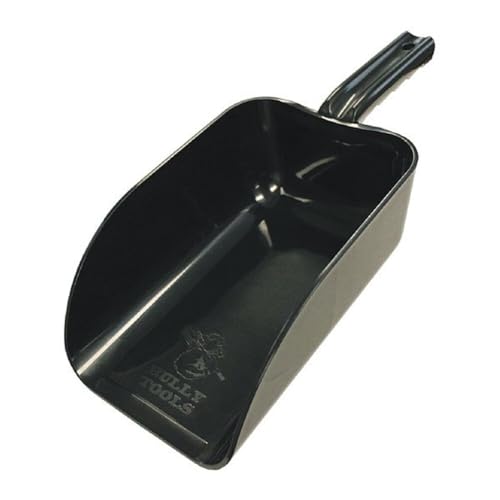
The Bully Tools Poly Hand Scoop is the broadest multipurpose choice in this review. The product description lists uses that include charcoal, ashes, wood pellets, soil, sand, salt, pet food, and birdseed. Its FDA-grade polypropylene construction is designed to resist bending and rust. That makes it useful for gardeners who want one scoop for several areas around the home.
This tool makes sense when moisture, dust, and different materials are part of the job. Polypropylene will not rust like untreated metal, and the smooth body should be simple to clean between uses. I would still avoid cross-use between garden chemicals and animal feed unless I clean it well and follow the product label. It offers function first, with less focus on delicate transplant work.
Pros:
- Multipurpose design suits soil and many loose materials.
- Polypropylene will not rust.
- Product listing states that it resists bending.
- Useful for pellets, salt, sand, feed, and garden mix.
- Easy material choice for damp storage areas.
- Strong option for utility rooms, sheds, and potting benches.
Cons:
- May feel too large for small indoor pots.
- Utility shape offers less precision than bonsai scoops.
- Cross-use requires careful cleaning and storage.
What Amazon Buyers Are Saying
Amazon shoppers often consider this scoop for more than gardening. The main themes to check in current reviews are strength, bowl capacity, and ease of cleaning. Users who need a simple scoop for pellets, salt, or soil may value its broad use. Buyers seeking a narrow transplant tool should compare the shape before ordering.
My Recommendation
I recommend the Bully Tools scoop for people who want one tough utility scoop. It is a strong fit for soil bags, wood pellets, pet food, and other loose materials. It is less suited to delicate root work, but that is not its purpose. For broad household value, it is one of the most practical picks here.
How to Choose the 10 Best Soil Scoop for 2026
The best soil scoop depends on the work, not only the price. A bonsai grower needs control. A gardener filling large planters needs capacity. A homeowner handling pellets, salt, and feed needs a tool that cleans well and resists rust. Use the points below before you choose from the 10 best soil scoop for 2026 search results.
1. Match the Scoop Size to Your Pots
Start with the size of your usual containers. A small scoop works well in narrow pots and around fragile stems. It lets you add soil in short, steady amounts. This helps during transplanting, top dressing, and root cover.
A large scoop saves time when you fill tubs, raised beds, or many pots. It can move more mix with each pass. The trade-off is less control in tight spaces. If you care for both small and large plants, a set of scoops may offer better value than one oversized tool.
2. Choose the Right Material for the Mix
Metal scoops suit repeated garden use and may handle heavier mixes better. Stainless steel offers good resistance to ordinary moisture, but you should still rinse and dry it. Aluminum keeps weight down and works well for loose soil and fertilizer. It may not be the best tool for hard ground.
Plastic and polypropylene scoops offer low weight and easy cleaning. They also reduce the chance of scratching ceramic pots. Plastic works best with loose soil, grit, pellets, and feed. Do not expect a light plastic scoop to replace a digging tool.
3. Check Grip, Reach, and Everyday Value
A comfortable grip matters when you fill many containers. Look for a handle that lets you keep your wrist in a natural position. A short scoop gives control. A longer scoop gives reach into deep bags and bins.
Think about cleaning, storage, and safe use too. A smooth scoop is easier to rinse. A rust-free material helps in damp sheds. If you use one scoop for garden products and animal feed, clean it between jobs and store it in a dry place. The best soil scoop should fit your real routine, not just look good in a product photo.
Final Verdict: Which Should You Buy?
For most large potting jobs, I would choose the 13-Inch Stainless Steel Soil Scoop. For small plants, the Sol Soils scoop gives better control. The Bully Tools model wins for broad household use, while Tinyroots suits bonsai.
These are my practical picks from the 10 best soil scoop for 2026 search. Match size, material, and grip to your work for the best value.
FAQs Of 10 best soil scoop for 2026
What is the best soil scoop for indoor plants?
A small scoop, such as the Sol Soils 8-inch model, works well for indoor plants because it offers control in narrow pots.
Which soil scoop is best for large planters?
The 13-inch stainless steel scoop or the large Sinoer aluminum scoop can move more loose soil per pass than a small transplant scoop.
Are plastic soil scoops strong enough for potting mix?
Yes. Plastic scoops work well with loose potting mix, grit, and fertilizer. They are less suited to hard, compact soil.
Can I use one soil scoop for pet food and garden soil?
You can, but clean it well between uses and store it safely. A scoop used with chemicals should not be used for animal food.
How do I clean and store a metal soil scoop?
Remove soil, rinse the scoop, dry it fully, and store it in a dry place. This helps reduce residue and surface corrosion.



One Comment