


The best raised garden bed design blends strong materials, smart drainage, easy access, and enough depth for healthy roots.
If your yard has poor soil, weeds, standing water, or little room, a raised bed can change the whole gardening experience. I have found that the best raised garden bed design makes planting simpler because you control the soil, spacing, and height from day one. It can also reduce bending, protect plants from compacted ground, and make a small patio feel like a real garden. The models below cover metal beds, elevated wood planters, deep-root boxes, and compact choices for balconies or children.
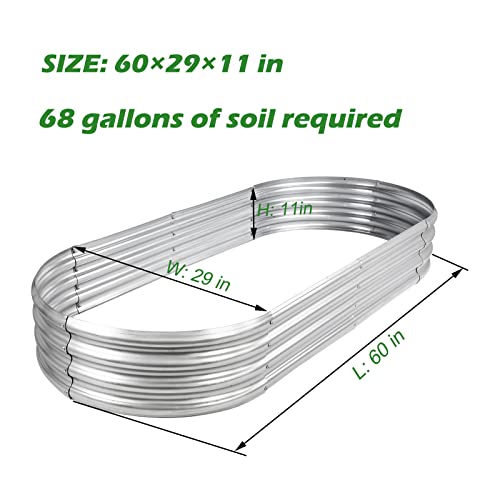
Rakukiri 5-Foot Oval Galvanized Garden Bed

The Rakukiri raised garden bed gives you a clean oval shape and a durable galvanized metal wall. Its five-foot length offers useful room for herbs, leafy greens, flowers, and compact vegetables. The open-bottom layout lets roots reach the native ground when you place the bed on soil. I like this design for gardeners who want a simple frame without a heavy wooden box.
The silver finish also gives the bed a neat look beside a fence, walkway, or patio. Its recycled material construction is a practical choice for shoppers who care about material use. Like any metal planter, it needs good soil preparation and a level base. Still, its rounded sides and manageable size make it easy to fit into many yards.
Pros:
- Durable galvanized metal construction
- Five-foot length gives useful planting space
- Oval shape softens the look of a straight garden row
- Open bottom supports natural drainage
- Works well for vegetables, herbs, and flowers
- Recycled material adds an eco-conscious benefit
Cons:
- Metal can heat up in strong summer sun
- Open-bottom design is less suited to patios
- Assembly may take time for one person
Raised Bed Garden Design Guide

This product is a garden planning guide rather than a physical planter. It focuses on layout, construction, and soil choices for raised beds. That makes it useful for a new gardener who wants to avoid common setup mistakes. A good plan can save money because you buy the right amount of lumber, compost, and topsoil the first time.
I see this book as a helpful companion to any raised bed purchase. It can help you think about sunlight, walking paths, plant spacing, and root depth before you build. The advice is especially useful if you plan several beds or want to create a long-term food garden. It does not replace local growing guidance, so I would still check your state extension service for regional planting dates.
Pros:
- Helps beginners plan before they build
- Covers bed layout and soil basics
- May reduce wasted materials and effort
- Useful for small gardens and larger layouts
- Supports better plant spacing decisions
- Pairs well with metal or wood planters
Cons:
- It is not a physical raised garden bed
- Advice may need adjustment for your climate
- Readers seeking a quick build may want more visual plans
Best Choice 48 x 24 x 30-Inch Wood Bed
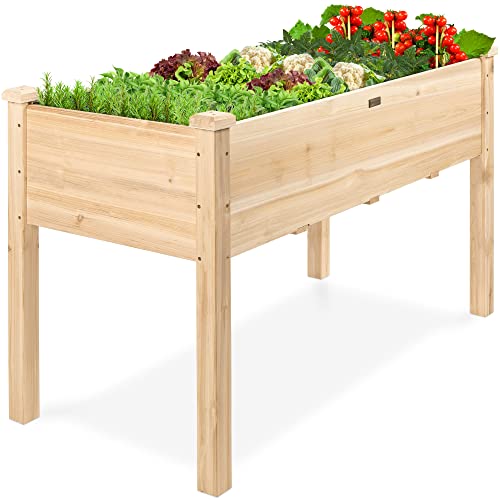
This elevated wood planter raises the growing area about 30 inches above the ground. That height can make daily care much easier for people who dislike kneeling or bending. The 48-by-24-inch surface gives enough room for salad greens, basil, peppers, and seasonal flowers. A bed liner helps hold the growing mix while supporting cleaner use on a patio or deck.
The stand-style design also keeps the garden separate from poor yard soil. That is useful when you garden on concrete, a balcony, or a small porch. Its 200-pound capacity sounds generous, but wet soil is very heavy, so I would fill it carefully and place it on a firm, level surface. This is a strong candidate for the best raised garden bed design when comfort and access matter most.
Pros:
- Comfortable 30-inch working height
- Good size for patios and small yards
- Bed liner helps contain soil and water
- Wood gives the planter a warm, natural look
- Useful for gardeners with limited mobility
- Suitable for herbs, greens, flowers, and small crops
Cons:
- Limited root depth for large crops
- Wet soil can approach the stated weight limit
- Wood needs protection from long-term moisture
Best Choice Scalloped 48-Inch Wood Bed
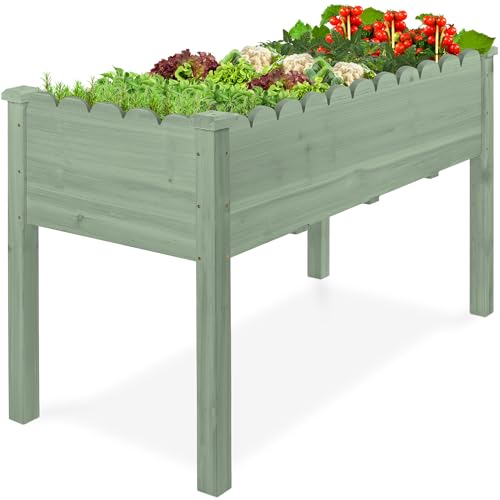
This model shares the useful elevated format of a standard 48-by-24-inch planter, but it adds a scalloped design and sage color. The softer shape can blend nicely with a porch, deck, or cottage-style yard. At 30 inches high, it keeps most planting tasks within easy reach. The included liner helps keep soil in place during watering.
I would choose this bed for someone who wants function without a plain utility-box appearance. It suits herbs, lettuce, radishes, pansies, and other plants with modest root needs. As with other elevated beds, drainage matters, so avoid placing it where water cannot escape. Its 200-pound capacity is useful, but I would not treat it as a deep planter for tomatoes with large root systems.
Pros:
- Decorative scalloped design
- Comfortable elevated planting height
- Good fit for patios, porches, and balconies
- Included liner supports tidy soil control
- Simple size for beginner gardeners
- Sage finish adds visual appeal
Cons:
- Not ideal for deep-rooted vegetables
- Color may not suit every outdoor space
- Requires careful watering in hot weather
Best Choice 34 x 18-Inch Kids’ Garden Bed

This compact elevated planter measures 34 by 18 inches and stands about 30 inches high. Its smaller footprint makes it easy to place near a play area, porch, or sunny kitchen door. The design can give children their own planting space without asking them to work on their knees. It also holds less soil than a full-size bed, so filling and cleaning it takes less effort.
The 150-pound capacity is enough for light garden crops, herbs, and flowers when the bed is filled properly. I would use it as a teaching garden for lettuce, strawberries, marigolds, peas, or basil. Adults should supervise children around tools and soil amendments. For families, this may be the best raised garden bed design when the main goal is a simple, reachable first garden.
Pros:
- Child-friendly working height
- Compact footprint saves outdoor space
- Good starter size for small crops
- Bed liner helps reduce soil spills
- Lower fill cost than a large planter
- Encourages hands-on gardening lessons
Cons:
- Less growing space than adult-size models
- 150-pound capacity limits heavy soil loads
- Not suited to large vegetables or deep roots
Best Choice 72-Inch Wood Bed With Divider

This 72-inch elevated wood bed offers a long planting surface for gardeners who want more room without using a wide footprint. Its divider panel creates separate sections for different herbs, colors, or crop groups. Six legs help spread the load across the base, while the elevated height reduces the need to stoop. The included liner helps keep the soil mix contained.
The long shape works well against a sunny wall, along a deck rail, or beside a walkway. I would use one section for herbs and another for greens or flowers. The 300-pound capacity gives more room for a proper soil mix, though wet soil still creates a major load. This is one of the strongest options in this review for gardeners who want an organized, accessible bed.
Pros:
- Long 72-inch growing area
- Divider panel separates plant groups
- Six-leg base supports the extended frame
- Elevated height improves access
- Good choice for herbs and mixed crops
- 300-pound capacity offers useful support
Cons:
- Needs more floor space than compact beds
- Long planters can be harder to move
- Wood requires care in wet climates
Best Choice 6 x 3 x 2-Foot Metal Deep Bed
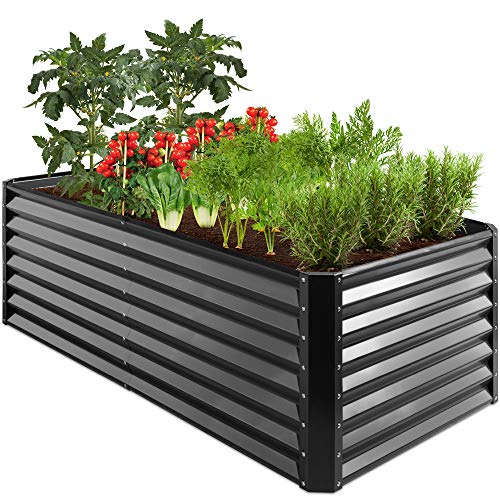
This large metal bed measures six feet by three feet and reaches two feet deep. That depth gives roots more room than a typical 12-inch frame. It can support a wider mix of vegetables, flowers, and herbs, including crops that need more root space. The 269-gallon capacity also allows you to build a substantial growing medium rather than relying on shallow soil.
The deep design is a good match for gardeners dealing with hard, poor, or contaminated ground. It can also reduce the need to kneel because the tall walls make the soil easier to reach. However, filling a bed this size takes a lot of soil and can cost more than expected. I recommend planning delivery, placement, and drainage before assembly because this planter is not easy to move once full.
Pros:
- Two-foot depth supports larger root systems
- Large six-by-three-foot growing area
- Metal frame resists common wood rot
- Useful for vegetables, flowers, and herbs
- Helps isolate plants from poor native soil
- Non-toxic material claim adds peace of mind
Cons:
- Requires a large amount of soil
- Full bed becomes very difficult to move
- Metal may warm the soil in hot weather
Kesfitt 4 x 2-Foot Galvanized Oval Bed

The Kesfitt raised bed uses a 4-by-2-foot oval format with a 12-inch depth. Its galvanized steel walls offer a strong alternative to untreated wood. The open-bottom design supports drainage and lets roots connect with the soil below when placed on the ground. Its size is large enough for a useful herb garden, salad crop, or flower display without taking over a small yard.
The oval ends reduce sharp corners and give the bed a softer profile. I would place it in a sunny area with enough space to walk around both sides. Twelve inches suits many common garden plants, but it may not provide enough depth for deep-rooted crops unless the roots can grow below the frame. For a modest metal bed, this is a practical example of the best raised garden bed design for simple outdoor growing.
Pros:
- Compact 4-by-2-foot footprint
- Galvanized steel supports long outdoor use
- Oval shape has fewer sharp corners
- Open bottom promotes natural drainage
- 12-inch depth suits many herbs and greens
- Uses less soil than a large deep bed
Cons:
- Open bottom is not ideal for hard surfaces
- Only moderate depth for root-heavy crops
- Metal can need extra watering in hot sun
My Recommendation
I recommend choosing based on your space, body comfort, and crop list rather than appearance alone. The 72-inch elevated bed is best for an organized mixed garden, while the 6-by-3-foot metal bed is better for deep roots and serious food growing. The 34-by-18-inch model fits children, and the compact galvanized beds suit gardeners who want a simple ground-level setup.
For most patio gardeners, the 48-by-24-inch elevated wood bed offers the best balance of access, size, and ease. It keeps plants within reach and does not demand a full yard. If you want a durable metal frame, the Kesfitt or Rakukiri models are easier to manage than the extra-large deep box. In my view, the best raised garden bed design is the one that matches your sunlight, soil plan, and daily routine.
| Best for | Why |
|---|---|
| Best overall patio use | The 48-by-24-inch elevated wood bed offers comfortable access, a useful footprint, and a liner for cleaner planting. |
| Best for deep-rooted crops | The 6-by-3-by-2-foot metal bed provides far more root depth and room for a larger vegetable garden. |
| Best for children and beginners | The compact 34-by-18-inch elevated bed is easy to reach, simple to fill, and less intimidating for a first garden. |
How to Choose the Best Raised Garden Bed Design
Start with the place where you will grow. Measure the area and watch it for sunlight during the day. Most vegetables need several hours of direct sun, while some leafy greens can handle light shade. Leave enough room to walk around the bed, water plants, and harvest without stepping into the soil.
Next, choose the right height. A ground-level bed usually costs less and can hold more soil for the money. An elevated bed is kinder to your back and works on many hard surfaces. A tall deep bed can support large roots, but it also needs more soil and a stronger base.
Material affects care and service life. Galvanized steel does not rot like wood, but it may warm faster in direct summer sun. Wood looks natural and may blend better with a home garden, but moisture can shorten its life. Whichever material you choose, check the edges, fasteners, liner, and support legs before adding soil.
Drainage is not a small detail. Plants need air around their roots, and trapped water can cause root damage. The University of Minnesota Extension and other state extension services commonly recommend well-drained soil and proper site selection for raised beds. If you place a planter on concrete, make sure the design includes a safe way for excess water to leave.
Raised Garden Bed Size and Soil Planning
A two-foot-wide bed is often easy to reach from both sides. A wider bed can hold more plants, but the center may become hard to access. I avoid designs that force me to step on the soil because foot traffic compacts the root zone. A narrow path around the bed can protect soil structure and make chores more pleasant.
For soil, avoid filling a raised bed with plain garden dirt alone. It can become heavy and drain poorly in a box. A balanced mix often includes quality topsoil, finished compost, and a material that supports drainage. The exact mix depends on your crop and local conditions, so I suggest checking guidance from a nearby university extension service.
Do not fill every deep planter with expensive potting mix. Potting mix is light and useful for containers, but a large outdoor bed can become costly. Use a suitable raised-bed blend and keep fresh manure away from edible crops unless it has fully composted according to safe gardening guidance. Soil quality is the heart of the best raised garden bed design.
Where to Place a Raised Garden Bed
Place the bed where you can reach it often. A garden that sits too far from the house may become easy to forget. Near a door, hose, or kitchen window is often better than a hidden corner. Still, keep enough distance from tree roots, roof runoff, and areas that stay wet after rain.
Set the frame on firm, stable ground. A small slope can make water collect at one end, while an uneven base can twist the frame. For elevated wooden planters, use a level surface that can safely hold the full weight of wet soil. Remember that soil, water, and plants weigh much more together than the empty bed.
In hot areas, watch how metal walls affect the soil. Mulch can help slow moisture loss, and regular checks can prevent plants from drying out. In cold areas, raised soil may warm earlier in spring but can also cool faster at night. A floating row cover can protect young plants when frost threatens.
Raised Bed Maintenance Tips
Check the bed after heavy rain and strong wind. Look for loose panels, leaning legs, pooled water, or soil spilling from the sides. Tighten hardware before a small problem becomes a full repair. A quick check takes less time than rebuilding a damaged planter.
Add compost between growing seasons to improve soil texture and return organic matter. Do not dig when the soil is wet because that can create hard clumps. Pull weeds while they are small. A thin layer of clean mulch can reduce weeds and help the soil hold water.
Rotate plant families when space allows. For example, do not grow tomatoes in the same section every year if you can move them. Crop rotation can help reduce some pest and disease pressure, although it cannot replace good plant spacing, clean tools, and healthy seedlings. The USDA and university extension programs offer reliable information on safe soil care and plant health.
Common Mistakes to Avoid
The first mistake is choosing a bed that is too large for the site. A big frame may look impressive online, but it can block paths or become hard to water. The second mistake is ignoring the final weight. A deep planter full of damp soil may stress a balcony, deck, or weak stand.
Another mistake is placing the bed in shade and hoping plants will adapt. Some crops will grow, but fruiting plants usually need strong light. I also avoid planting too close together. Small seedlings can look far apart at first, yet mature plants need airflow and room for roots.
Finally, do not assume every raised bed works on every surface. Open-bottom beds belong on soil or another prepared growing area. Elevated beds need a stable support surface. Matching the design to the site is more important than buying the largest or tallest model.
FAQs Of best raised garden bed design
What is the best material for a raised garden bed?
Galvanized steel offers strong rot resistance and a clean look. Wood feels warm and natural but needs more protection from moisture. The best material depends on your climate, budget, and preferred style.
How deep should a raised garden bed be?
A 12-inch bed suits many herbs, greens, and flowers. Two feet gives larger roots more room. If the bed sits on concrete, choose enough depth for the crops you plan to grow.
Are elevated garden beds better for older adults?
They can be. A 30-inch elevated bed reduces bending and kneeling. Make sure the legs and surface can support the weight of wet soil before filling it.
Do raised garden beds need a bottom?
Not always. An open-bottom bed drains well on soil and allows roots to grow down. A bottom or liner may be useful on a patio, but it must still allow excess water to escape.
What soil is best for a raised garden bed?
Use a quality raised-bed mix with topsoil, finished compost, and good drainage. Avoid compacted dirt alone. Test the soil or ask your local extension service for advice suited to your area.
Final Verdict: Which Should You Buy?
For most people, the Best Choice 48-by-24-inch elevated wood bed is the best raised garden bed design. It offers easy access, useful space, and a patio-friendly format.
Choose the deep metal bed for large roots or the compact kids’ model for a first garden. The right size, soil, sunlight, and drainage will help any raised bed thrive.
