Best Garden Bed Layout: Smart Ideas For More Growth
The best garden bed layout balances sunlight, easy access, good drainage, and enough room for healthy plant growth.
Many gardeners lose space because beds sit too close together, paths stay too narrow, or tall crops shade small plants. I have compared raised beds, elevated planters, herb boxes, and layout guides to help solve those problems. The picks below suit large yards, patios, balconies, and small food gardens. They also help you build a garden bed layout that is simple to water, weed, harvest, and expand over time.
See the differences between my top picks at a glance.
| Product | Best Use | Layout Strength | Main Material | CTA |
|---|---|---|---|---|
| 8x4x2ft Galvanized Bed | Large vegetable gardens | Wide growing area | Galvanized steel | View on Amazon |
| The Vegetable Gardener’s Bible | Planning and crop spacing | Wide-row guidance | Book | View on Amazon |
| 72x24x30in Elevated Planter | Patios and accessible gardens | Raised working height | Wood | View on Amazon |
| Raised Bed Gardening Guide | Small-space planning | Container layout ideas | Book | View on Amazon |
| 6x3x2ft Galvanized Bed | Medium garden plots | Compact footprint | Galvanized steel | View on Amazon |
| 48x24x30in Elevated Bed | Small patios and balconies | Easy reach | Wood | View on Amazon |
| 8x2ft Wooden Bed | Long, narrow spaces | Simple row layout | Wood | View on Amazon |
| Mobile Elevated Planter | Flexible patio layouts | Lockable wheels | Wood | View on Amazon |
| 10-Grid Herb Planter | Herbs and small crops | Built-in sections | Wood | View on Amazon |
Best Choice 8x4x2ft Galvanized Garden Bed
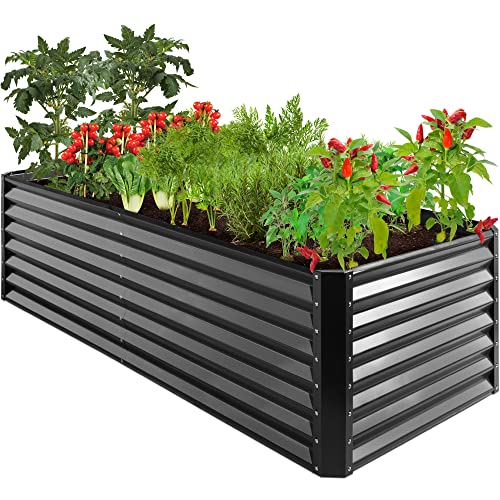
This large galvanized steel bed gives you a broad space for vegetables, flowers, and herbs. Its 8-by-4-foot footprint works well as the center of a backyard garden bed layout. The open bottom lets roots reach the soil below and allows water to drain. The 2-foot wall also helps reduce bending during planting and care.
I like this shape for crop zones because you can divide the bed into sections without wasting much space. Place tall crops along the north side, then put medium and low crops toward the south. Leave clear paths around the outside so you can reach the center from both sides. The bed needs a level site and a large amount of soil, so plan delivery and filling before assembly.
Pros:
- Large area for mixed crops
- Open bottom supports natural drainage
- Two-foot height reduces kneeling
- Steel sides suit long-term outdoor use
- Works well with square-foot or wide-row planting
- Easy to organize into crop zones
Cons:
- Needs a large, level area
- Filling the bed can cost more than filling a small planter
- Large beds may take more than one person to position
What Amazon Buyers Are Saying
Product feedback commonly focuses on the roomy shape, raised walls, and useful open-bottom design. Buyers who want a serious vegetable bed often value the space for tomatoes, greens, herbs, and root crops. Some customers also point out that assembly, leveling, and soil volume deserve careful planning. As with any metal bed, buyers should check every edge during setup and follow the included instructions.
My Recommendation
I recommend this model for gardeners who want one main bed with room to grow. It offers the strongest layout potential in this group, but it may be too large for a balcony or narrow yard.
The Vegetable Gardener’s Bible

This book is a planning tool rather than a physical garden bed. It explains wide rows, organic methods, raised beds, and deep soil in a way that can help new growers make better use of each bed. The W-O-R-D system gives readers a clear way to think about garden design. It also covers North American growing regions, which helps readers adapt plans to local conditions.
I find this type of guide useful before buying a planter because layout mistakes often cost more than the bed itself. You can use its ideas to set plant spacing, group crops, and plan paths. It pairs especially well with the large steel bed in this review. Keep in mind that a book cannot replace local frost dates, sunlight checks, or a soil test.
Pros:
- Useful before building a garden plan
- Explains wide-row growing in simple terms
- Supports raised-bed and deep-soil methods
- Helps reduce wasted garden space
- Useful for many North American regions
- Works with many bed sizes and materials
Cons:
- Does not include a physical planter
- Some advice may need local adaptation
- Readers seeking only quick planting charts may find it detailed
What Amazon Buyers Are Saying
Reader feedback often highlights the practical structure and the focus on productive garden planning. Many readers use the book as a reference while starting or improving a vegetable plot. Some may prefer newer, highly local planting advice, so it remains wise to compare its guidance with local extension information. The best use comes from applying its layout ideas to your own light, climate, and available space.
My Recommendation
This is a strong companion for anyone who wants to understand why a layout works. I recommend it for beginners and gardeners who want a clear plan before filling a raised bed.
Best Choice 72x24x30in Elevated Planter

This elevated wooden planter raises the growing area about 30 inches from the ground. Its long, narrow shape fits a patio, deck, or balcony better than a wide ground bed. A divider panel helps separate plants into two sections. The design also makes a useful garden bed layout for people who want less bending and easier daily care.
The 72-inch length gives you room for herbs, salad greens, flowers, or compact vegetables. I would place plants that need similar water and light in each section. Keep the planter near a water source, since elevated beds can dry faster than beds on the ground. Check the growing area and support surface before adding wet soil, as soil becomes heavy after watering.
Pros:
- Comfortable raised working height
- Long shape suits patios and balconies
- Divider helps separate crop groups
- Useful for herbs and shallow-rooted crops
- Six legs support the elevated frame
- Reduces contact with lawn soil
Cons:
- Limited depth for large root crops
- Needs a firm, level support area
- Wood needs care in wet outdoor conditions
What Amazon Buyers Are Saying
Buyer comments commonly center on the comfortable height, attractive wood look, and fit for small outdoor spaces. Users often like the ability to grow without working at ground level. Some feedback may mention assembly time or the need to protect the wood from prolonged moisture. A careful setup and suitable potting mix can improve the experience.
My Recommendation
I recommend this planter for patio gardeners, older adults, and anyone who wants an elevated vegetable bed. It is not the best choice for large crops, but it offers a practical layout for compact plants.
Raised Bed and Container Gardening Guide

This guide focuses on raised beds, containers, small spaces, budget methods, and seasonal planting plans. It can help you choose between a ground bed, an elevated planter, or several containers. The simple layout focus makes it useful for first-time gardeners. It also fits people who want to grow food on a patio or in a tight yard.
I would use this book when planning several small beds instead of one large plot. It can help you group plants by size, season, and water need. That makes future changes easier when one crop finishes. Since local weather differs, use the seasonal plans as a starting point and adjust them to your frost dates.
Pros:
- Focuses on small-space gardening
- Covers beds and containers
- Offers simple layout ideas
- Supports budget-aware planning
- Includes seasonal planting concepts
- Useful for patios and balconies
Cons:
- Does not provide a physical bed
- General plans still need local adjustment
- May not satisfy advanced growers seeking technical detail
What Amazon Buyers Are Saying
Reader feedback for this type of guide tends to value the clear approach to growing food in limited space. Beginners often want simple steps and realistic plans, which are the main strengths of this format. Some readers may want more crop-specific detail or regional charts. I suggest using the book with a local planting calendar for the best results.
My Recommendation
This guide is worth considering if your garden area is small or if you plan to use several containers. It is a helpful planning partner for an adaptable garden bed layout.
Best Choice 6x3x2ft Galvanized Bed

This 6-by-3-foot galvanized steel bed offers a smaller footprint than the 8-by-4-foot model. Its 2-foot height still gives plants a deep growing zone and keeps the bed easy to reach. The open bottom supports drainage and lets roots connect with soil below. The dark green finish can blend into many yard designs.
This size works well when you want a productive bed but have limited room. I would place it where both long sides stay clear, then divide it into sections for greens, herbs, and compact vegetables. A 3-foot width makes center access easier than a very wide bed. You still need to account for soil volume and leave a path around the outside.
Pros:
- Compact alternative to a large bed
- Deep 2-foot growing space
- Open base supports drainage
- Useful for mixed vegetable planting
- Easy to divide into crop zones
- Dark green color suits many yards
Cons:
- Less growing area than an 8-by-4-foot bed
- Requires a level installation site
- Large soil needs may still raise setup cost
What Amazon Buyers Are Saying
Common buyer interest centers on the manageable size, raised height, and open-bottom structure. Gardeners with medium spaces often prefer this footprint because it leaves more room for paths. Feedback may also stress the need to inspect panels and hardware during assembly. As with other metal beds, use gloves and take care around edges.
My Recommendation
I recommend this bed for gardeners who want deep soil without using a full-size 8-by-4-foot box. It may be the best balance of space and footprint for many average yards.
Best Choice 48x24x30in Elevated Bed

This elevated planter measures 48 by 24 inches and stands about 30 inches high. Its smaller footprint suits balconies, patios, decks, and compact yards. The included liner helps keep soil contained while drainage holes help move excess water away. The natural wood finish gives it a simple look that fits many outdoor spaces.
The two-foot width lets you reach most of the soil without stepping near the plants. I would use it for lettuce, basil, chives, strawberries, and other compact crops. Put it where it receives the light those crops need, then keep a small watering can nearby. Its limited size makes careful plant spacing important.
Pros:
- Fits small outdoor spaces
- Comfortable elevated height
- Manageable two-foot width
- Protective liner helps hold soil
- Drainage holes support plant care
- Good for herbs and salad greens
Cons:
- Limited room for large vegetables
- Wood may need weather protection
- Not ideal for a large family food garden
What Amazon Buyers Are Saying
Buyers often like the compact footprint and comfortable height. It can make gardening easier for people who cannot kneel or bend for long periods. Some customers may note that wood assembly and outdoor exposure require care. Check the liner, drainage, and support points before filling the planter.
My Recommendation
This is a practical choice for a small garden bed layout. I recommend it for herbs, greens, and flowers, but not for crops that need a wide root zone or tall support.
Best Choice 8x2ft Wooden Garden Bed

This long wooden bed gives you an 8-foot planting line with a narrow 2-foot width. That shape works well beside a fence, walkway, wall, or lawn edge. It supports a simple row layout and keeps every plant within easy reach. The natural finish also blends into a classic yard design.
I would use this bed for rows of lettuce, carrots, onions, herbs, or compact flowers. Place taller plants where they will not shade shorter crops, and leave enough space at the long sides for care. The narrow design makes it easy to divide the bed into seasonal sections. It may not suit deep-rooted crops unless you add enough soil depth.
Pros:
- Fits narrow garden areas
- Long row supports easy crop grouping
- Two-foot width allows simple access
- Works beside fences and paths
- Natural wood look suits many yards
- Useful for beginners and simple layouts
Cons:
- Less depth than taller raised beds
- Wood needs protection from moisture
- Long boards may need careful leveling
What Amazon Buyers Are Saying
Customer interest often centers on the simple shape and the ability to use narrow strips of yard. Gardeners may like the easy reach and the clean row design. Some buyers may mention assembly, board fit, or the need to place the bed on level ground. Prepare the site before building to reduce later adjustment.
My Recommendation
I recommend this bed when your garden space is long but narrow. It is a smart, simple option for rows of smaller crops and an uncluttered layout.
Best Choice Mobile Elevated Planter

This mobile elevated planter adds wheels, a storage shelf, and a protective liner to a compact wooden bed. Its 48-by-24-inch footprint suits patios and other hard surfaces. Lockable wheels let you move the planter when needed, then keep it steady during care. The elevated height also reduces the need to bend over.
Mobility gives this planter a useful advantage in changing weather or seasonal light. You can move it away from strong wind, shift it toward better sun, or make room on a patio. I would lock the wheels before watering and avoid moving it when the soil is fully saturated. Use the shelf for light tools, pots, or supplies rather than heavy loads unless the product instructions allow it.
Pros:
- Lockable wheels add layout flexibility
- Elevated height improves access
- Protective liner helps contain soil
- Storage shelf keeps small tools nearby
- Fits patios and decks
- Useful for seasonal sun changes
Cons:
- Wheels need a firm, level surface
- Moving a filled planter can be difficult
- Wood requires outdoor care
What Amazon Buyers Are Saying
Buyers commonly value the mobility, raised height, and storage shelf. The wheels can help people adjust a patio garden without rebuilding the whole layout. Some users may find that a full planter becomes hard to move, even with wheels. That is why I suggest choosing the final position before filling it and using the locks during care.
My Recommendation
This is one of the most flexible options for a patio garden bed layout. I recommend it to gardeners who need mobility, but I would not treat it as a fully portable planter once filled.
Best Choice 10-Grid Herb Garden Bed

This elevated herb planter uses 10 grid compartments to create clear planting zones. The divided design helps keep herbs separate and makes the bed easy to label. Drainage holes support basic container care. Its raised form suits patios, balconies, and small backyard spaces.
I like this layout for cooks who want to keep basil, parsley, thyme, mint, and other herbs organized. Separate sections can also reduce crowding between plants with different growth habits. Place herbs with similar water needs together and give fast-spreading plants extra attention. The smaller compartments limit the use of large vegetables, so choose crops that match the space.
Pros:
- Ten sections create an organized layout
- Useful for herbs and small flowers
- Elevated design improves access
- Drainage holes support container growing
- Easy to label and manage crops
- Fits patios and balconies
Cons:
- Small grids limit crop size
- Divided soil can dry at different rates
- Wood needs protection from damp weather
What Amazon Buyers Are Saying
Buyers commonly like the neat grid design and the way it separates herbs. The format can make plant care less confusing for new gardeners. Some customers may point out that small sections need regular watering during hot weather. Check each compartment for drainage and use a light, suitable growing mix.
My Recommendation
I recommend this planter for organized herb growing. It is not a general vegetable bed, but it may be the best garden bed layout for a compact culinary herb collection.
How to Choose the Best Garden Bed Layout
Choosing the best garden bed layout starts with your space, not the product box. Measure the area, watch the sun, and mark the paths before you buy. A good design lets you reach plants without stepping into the soil. It also leaves room for water flow, harvest baskets, and future changes.
1. Match the Bed Shape to Your Space
Use a wide rectangular bed when you have an open yard and want many crops. A 6-by-3-foot bed offers a good middle ground for many home gardens. Choose an 8-by-2-foot bed when your space is long and narrow. Elevated 48-by-24-inch planters fit patios, decks, and balconies better than large ground beds.
Measure the bed and the walking area together. Try to keep paths wide enough for a watering can and normal movement. Do not place a bed where a fence, wall, or shrub blocks one side. If you can reach only one edge, the far plants may become hard to weed and harvest.
2. Plan Sun, Water, and Crop Height
Most food crops need strong light, but the exact need varies by plant. Watch the site through the day before you choose a final position. Put tall crops on the north side when possible. This plan helps reduce shade on shorter plants.
Place plants with similar water needs in the same zone. Keep the bed close enough to a hose or rain barrel for easy care. Elevated planters can dry faster than ground beds, while open-bottom steel beds may drain more freely. Always check drainage after heavy rain and adjust the soil or site if water remains in the bed.
3. Compare Soil Depth, Access, and Long-Term Value
Choose deeper beds for crops with larger roots or for sites with poor ground soil. A 2-foot bed gives you more room for roots, but it also needs more soil. Calculate the volume before purchase. This step prevents a surprise cost on delivery day.
Think about your body, too. Elevated beds reduce bending and may suit gardeners with limited mobility. Wheels add flexibility, but a filled bed becomes heavy. Dividers help with herbs and small crops, while open beds give vegetables more freedom to spread. The best garden bed layout is the one you can maintain every week.
Finally, compare the full cost. Include the bed, soil, compost, supports, watering tools, and path material. A cheaper bed may cost more if it needs frequent replacement or makes plant care hard. A well-planned bed can save time and reduce wasted soil, water, and seed.
Final Verdict: Which Should You Buy?
For most backyard growers, the 6x3x2ft galvanized bed offers the best balance of space, depth, access, and footprint. Choose the 8x4x2ft model for maximum growing room, or an elevated planter for patios and easier care.
The best garden bed layout keeps plants reachable and paths clear. Select the shape that fits your sunlight, soil needs, body, and available space.
FAQs Of best garden bed layout
What is the best garden bed layout for beginners?
A simple rectangular bed with clear paths works well. A 6-by-3-foot bed is easy to reach and large enough for several crops.
How wide should a raised garden bed be?
Keep a bed about 3 to 4 feet wide when you can reach both sides. Use a narrower bed if you can access only one side.
Where should I place tall plants in a raised bed?
Place tall plants on the north side when possible. This helps reduce shade on shorter plants during the day.
Are elevated garden beds good for patios?
Yes. Elevated beds suit patios because they reduce bending and keep soil above the hard surface. Check the weight and support area before filling one.
How much space should I leave between garden beds?
Leave enough room to walk, water, weed, and carry tools. A clear path of about 2 feet is a useful starting point for many home gardens.

2 Comments