


Galvanized steel is the best raised garden bed material for strength, safety, drainage, and long outdoor use.
If your garden soil is poor, compact, or full of weeds, a raised bed can feel like a fresh start. It gives roots clean soil, helps water drain, and makes planting easier on your back. I compared durable metal beds, a recycled-material oval bed, a fabric option, and an elevated planter to see which choices work best in real home gardens. The best raised garden bed material should resist rot, stay stable, drain well, and suit your space, budget, and crops.
Best Choice 6x3x2ft Metal Bed
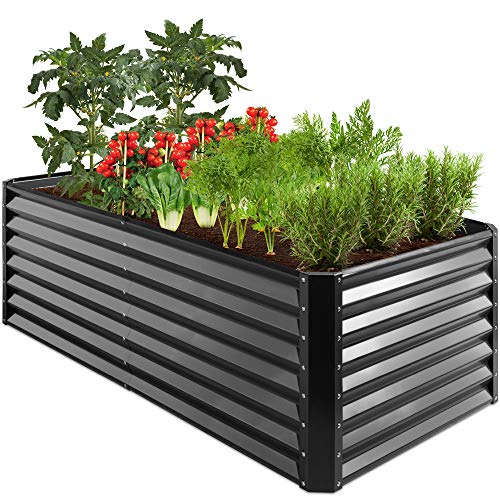
This 6-by-3-foot metal bed offers a useful mix of depth, width, and simple design. Its 2-foot height gives deep-rooted plants more room than a shallow box, so tomatoes, carrots, peppers, and many herbs can grow with less crowding. The gray finish has a clean look that fits both small yards and larger garden layouts. I also like the generous 269-gallon capacity because it lets you build a real growing space instead of a narrow strip of soil.
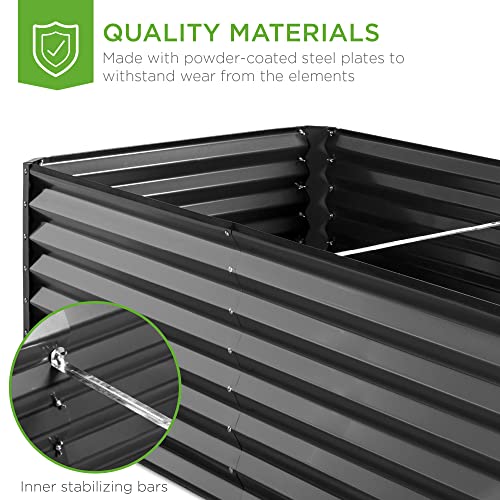
The metal wall keeps garden soil contained and separates it from poor native ground. That can help gardeners who deal with clay, gravel, tree roots, or lawn weeds. The listed non-toxic material is a helpful feature for food gardens, although I still recommend using quality soil and following the maker’s assembly directions. As with any tall raised bed, place it on level ground and plan the fill before delivery, because a deep bed needs a large amount of soil.
Pros:
- Deep 2-foot design suits many vegetables and flowers
- Large 269-gallon capacity supports a productive garden
- Metal construction avoids the rot common with untreated wood
- Wide 6-by-3-foot layout gives room for mixed planting
- Gray color looks neat in many outdoor spaces
- Raised height can reduce bending during planting and care
- Non-toxic material is well suited to edible gardening
Cons:
- Deep beds require a large soil investment
- Assembly may take time and careful alignment
- Metal can warm in strong summer sun
Rakukiri 5ft Oval Galvanized Bed

The Rakukiri oval bed brings a softer shape to the usual straight-sided garden box. Its 5-foot form can work well beside a path, around a patio, or in a yard where sharp corners feel awkward. Galvanized metal provides a rot-resistant wall, while the silver finish gives the bed a bright, simple appearance. The oval shape also makes the planting area easy to view from several sides.
This model stands out for its GRS-certified recycled material claim. Recycled content does not make a bed indestructible, but it can appeal to gardeners who want a more thoughtful material choice. The metal walls should last longer than many low-cost wood boxes when the bed receives normal outdoor care. I would use it for herbs, salad greens, flowers, compact vegetables, and other plants that do not need the full depth of a 24-inch bed.
Pros:
- Oval shape adds visual appeal to patios and yards
- Galvanized metal resists rot and insect damage
- Recycled material supports a lower-waste buying choice
- Silver finish reflects a clean, modern garden style
- Good fit for herbs, greens, flowers, and compact crops
- Rounded edges help create a smoother garden walkway
- Metal walls contain soil without frequent wood sealing
Cons:
- Oval walls may offer less planting space than a rectangle
- Silver metal may show soil marks after filling
- It may not provide enough depth for large root crops
Best Choice 6x3x2ft Dark Green Bed

This dark green version uses the same practical 6-by-3-by-2-foot layout as the gray model, but it blends more naturally with grass, shrubs, and leafy plants. The large footprint gives you space to separate crops by height and light needs. You could place taller tomatoes at the north side and keep low herbs or lettuce near the front. Its deep profile also gives gardeners more control over the root zone.
The dark finish has a classic outdoor look, which may appeal to anyone who wants the planter to feel like part of the landscape. The non-toxic material claim is useful for people growing food, and the metal wall avoids the swelling and rotting that can affect untreated boards. I recommend leaving enough space around the bed for watering, weeding, and harvest. A deep metal bed is a long-term garden structure, so good placement matters.
Pros:
- Natural dark green color blends with outdoor planting
- Large 269-gallon capacity supports several crop types
- 2-foot depth gives roots a roomy growing zone
- Metal body resists common wood problems such as rot
- Non-toxic material is suitable for vegetable gardens
- Long rectangular shape supports orderly plant spacing
- Raised structure can make soil care more comfortable
Cons:
- Dark metal may absorb more heat in full sun
- Filling the deep bed can cost more than expected
- Its size may be too large for a small balcony
Best Choice 6x3x2ft Sage Green Bed

The sage green version offers the same deep, spacious design with a softer color. Sage can sit nicely among flowers, ornamental grasses, and pale patio furniture. The 6-by-3-foot planting area gives you room for a kitchen garden, while the 2-foot depth works for crops that need more root space. This is the type of bed I would consider when appearance matters as much as function.
Metal remains a strong choice for gardeners who want to avoid the upkeep of wood. You do not need to stain or seal the sides each season, and the solid walls help keep loose soil in place. The listed non-toxic material supports use with vegetables and herbs, but the soil mix still matters more to plant health than the color of the frame. Add compost in measured amounts, keep the soil loose, and avoid packing it down while filling.
Pros:
- Sage green finish creates a calm, garden-friendly look
- Deep 2-foot structure supports larger root systems
- Wide bed gives space for vegetables, flowers, and herbs
- Metal construction does not decay like untreated lumber
- Non-toxic material is appropriate for food-growing spaces
- Large capacity reduces the need for several small planters
- Color works well with modern and cottage garden designs
Cons:
- Large capacity demands careful soil planning
- Metal may heat up in very warm climates
- Some gardeners may prefer a smaller starter bed
Sibosen 3-Pack Fabric Raised Beds

These round fabric beds offer a light and flexible way to grow plants in small spaces. The three-pack lets you separate herbs, flowers, succulents, or vegetables without building a permanent garden frame. Each bed measures about 2 by 2 feet and stands 1 foot high, so it is easier to fill and move than a deep metal box. I see this style as a useful starting point for renters, new gardeners, and anyone testing a sunny spot.
Breathable fabric can allow extra air movement around the root zone, and the open lower design can support fast drainage. That feature helps prevent standing water, but it also means the bed may dry sooner than a closed metal planter. Check moisture often during hot or windy weather. The fabric is not the most permanent raised garden bed material, yet it can offer excellent value when portability and low cost matter most.
Pros:
- Three beds allow simple crop separation
- Lightweight design is easier to move than metal
- Breathable fabric supports air flow around roots
- Fast drainage helps reduce waterlogged soil
- Good option for patios, balconies, and rental homes
- One-foot height needs less soil than a deep bed
- Round shape works well for herbs and small plants
Cons:
- Fabric can dry faster than a solid-sided bed
- One-foot height may limit deep-rooted crops
- It may not last as long as galvanized steel
- Open bottoms can allow roots to reach nearby soil
Best Choice 48x24x30in Elevated Bed

This elevated planter raises the growing area about 30 inches above the ground, making it one of the easiest choices for gardeners who dislike kneeling. The 48-by-24-inch size fits many patios, decks, and balcony-style outdoor spaces. Its galvanized metal body gives it a stronger long-term structure than a fabric grow bag. The charcoal finish also looks tidy beside outdoor furniture and modern homes.
The elevated design can help reduce strain during planting, pruning, and harvest. It may also make it harder for some ground pests to reach plants, although no raised bed fully replaces pest control. The planting area is smaller than the 6-by-3-foot models, so I would use it for salad greens, herbs, strawberries, compact peppers, and flowers. For older adults or anyone with limited mobility, this may be the most practical choice in the group.
Pros:
- 30-inch height reduces bending and kneeling
- Compact footprint suits patios and smaller yards
- Galvanized metal offers strong outdoor durability
- Charcoal finish matches many modern spaces
- Good height for herbs, greens, and compact vegetables
- Non-toxic material supports home food growing
- Raised position can improve access for routine care
Cons:
- Smaller planting area limits large crops
- Elevated beds can dry out more quickly
- Weight and stability require a firm, level surface
- It may cost more than a basic fabric bed
How I Chose the Best Raised Garden Bed Material
Choosing a raised bed is not only about picking the prettiest color. The material affects strength, heat, drainage, safety, service life, and maintenance. I look first at how the bed will perform after repeated watering, sun exposure, soil movement, and seasonal changes. A low price can look attractive at checkout, but a bed that bends, rots, or leaks soil soon becomes a poor value.
I also consider the gardener. A deep metal bed may be ideal for someone growing tomatoes in a backyard. It may be too large for a renter with a small balcony. A fabric bed may be perfect for a first garden, while an elevated planter may matter most to a person with back or knee pain. The best raised garden bed material depends on the job, not just the product label.
What Is the Best Raised Garden Bed Material?
For most home gardeners, galvanized steel is the best raised garden bed material. It resists rot, does not need seasonal staining, and can hold a large volume of soil. Steel also gives a crisp shape to the garden, like a strong frame around a blank canvas. With proper placement and watering, a quality galvanized bed can serve for many growing seasons.
Wood remains popular because it looks warm and natural. Cedar and redwood generally perform better outdoors than untreated pine because they resist decay more effectively. Still, wood can weather, split, or rot over time. Avoid old painted boards, treated scrap wood of unknown age, and materials that may have chemical residue when growing edible plants.
Fabric is light, affordable, and easy to store. It drains well and can help prevent some root problems caused by stagnant water. Yet fabric may need more frequent watering, and its lifespan depends on fabric weight, sun exposure, and handling. For temporary gardens, small spaces, or seasonal crops, it can be a smart choice.
Plastic and composite beds can also work well. They do not rust, and many are easy to clean. However, thin plastic may become brittle in strong sunlight, while thick composite products can cost more. I would check the material claim, wall thickness, drainage plan, and warranty before choosing one for long-term use.
Galvanized Steel vs. Wood
Galvanized steel uses a zinc coating to help protect the underlying steel from corrosion. That makes it a strong choice for outdoor garden walls. It is not completely immune to rust, especially if the coating becomes deeply scratched or the bed stays wet against poor soil. Good drainage and careful assembly help protect the finish.
Wood has one clear advantage: it feels natural in a garden. It also stays cooler to the touch in many conditions and can be built in almost any size. But boards absorb water, and soil stays against them for long periods. Even naturally durable wood can eventually decay, especially in a wet climate.
Many gardeners ask whether metal gets too hot for roots. Metal can warm in full sun, especially in dark colors. The soil inside the bed usually acts as a buffer, but gardeners in very hot areas should use mulch, monitor moisture, and avoid placing a metal bed against a heat-reflecting wall. A light finish, such as silver or gray, may reflect more sunlight than a dark finish.
How Deep Should a Raised Garden Bed Be?
A 6- to 8-inch bed can grow many herbs, salad greens, radishes, and shallow-rooted flowers. A 12-inch bed gives more freedom and works for many common vegetables. A 24-inch bed provides generous space for deep roots, but it also costs more to fill and weighs much more.
Before buying a deep bed, check the soil beneath it. If roots can grow into the ground, a shallower frame may work. If the surface is concrete, compacted clay, or contaminated soil, more depth can help. The 2-foot metal models in this review suit gardeners who want a clear, contained root zone, while the 1-foot fabric beds suit lighter crops.
Do not fill a raised bed with heavy garden soil alone. It can compact and drain poorly. A common approach uses quality topsoil, finished compost, and an aerating material in proportions suited to the crop and local climate. University extension guidance often stresses the value of well-drained soil and regular organic matter rather than a single rigid recipe. Test the soil if you are unsure, especially when growing food.
Drainage and Soil Tips
A raised bed should drain excess water rather than hold it like a tub. Metal beds without a bottom normally drain through the soil below. Elevated planters and fabric beds need special attention because water can leave quickly. Make sure the bed has a clear drainage path, and never place it where runoff collects.
I recommend filling in layers only when the bed design supports it. Large wood pieces at the bottom may settle as they break down and can temporarily tie up nitrogen. For a dependable garden, use clean soil, mature compost, and materials that match your plants. Keep paths clear so you can inspect the sides, check for leaks, and reach every plant.
Mulch is one of the simplest tools for a raised bed. A thin layer of straw, shredded leaves, or another suitable mulch can slow evaporation and protect the soil surface. Keep mulch away from plant stems to reduce rot and pest shelter. With a metal bed, mulch also helps moderate soil temperature during hot weather.
Are Metal Raised Beds Safe for Vegetables?
Many gardeners safely grow vegetables in metal raised beds. The key factors include the metal type, coating, product claims, soil quality, and condition of the bed. Look for clear material information and avoid products with unknown coatings or damaged surfaces. The products reviewed here list non-toxic or recycled-material features, but I still inspect every panel before filling a new bed.
Galvanized steel contains a zinc coating. Zinc is an essential plant nutrient in small amounts, but excess exposure is not desirable. Normal garden use is widely accepted, and the soil separates most roots from the wall. If you grow food, use clean soil, follow the product instructions, and replace a bed if the coating fails badly or the metal develops sharp, flaking damage.
Do not burn painted or treated garden-bed parts. Do not use old railroad ties, mystery lumber, or industrial containers for edible crops. A clear product description is valuable because it gives you a better idea of what surrounds your soil. The best raised garden bed material should support both plant growth and peace of mind.
How to Set Up a Raised Garden Bed
Start by choosing a site with enough sunlight for your plants. Most vegetables need several hours of direct light, while some greens and herbs tolerate less. Place tall crops where they will not shade shorter ones. If possible, keep the bed near a water source, since a full planter can be difficult to move later.
Level the area before assembly. A small slope can twist a frame, stress fasteners, and make water flow unevenly. Remove sharp stones that could damage fabric, clear weeds around the footprint, and check that the bed will not block a walkway. For an elevated planter, use a stable surface that can support the filled weight.
Assemble the panels with gloves. Metal edges can be sharp during setup, even when the finished bed feels safe. Tighten fasteners evenly, but do not force them until the panel bends. After assembly, inspect the inside and outside for exposed edges, loose hardware, or gaps that could let soil escape.
Fill the bed gradually. Add soil in small lifts and water each layer lightly to help it settle. Do not stand inside a metal bed to pack the soil, because that can bend the walls and compact the root zone. Leave a small space below the rim so water does not wash soil over the sides.
Raised Bed Maintenance Tips
Raised beds need less repair than many people expect, but they still need care. Check metal panels and fasteners at the start of each season. Look for sharp damage, unusual movement, and soil pressing outward. For fabric beds, inspect seams, handles, and the bottom for thinning or tears.
Water based on soil moisture, not a fixed calendar. A sunny raised bed may dry faster than ground soil. Push a finger into the top few inches or use a simple moisture meter. Water slowly near the root zone and avoid wetting leaves late in the day when possible.
Rotate crops when space allows. Do not grow the same plant family in the same spot every season if disease has been a problem. Remove diseased plants promptly and add finished compost between crops. These small habits help the best raised garden bed material deliver better results year after year.
Which Size Is Best for Your Space?
The large 6-by-3-foot beds are best for a backyard gardener who wants a serious vegetable plot. They can hold tomatoes, peppers, greens, herbs, flowers, and root crops in separate zones. Leave space around every side if you want easy access. A bed that is too wide can force you to step into the soil, which harms structure and roots.
The 5-foot oval bed offers a useful middle ground. It can act as a central feature in a small yard or sit along a curved path. Its shape may be easier to reach than a long rectangle, depending on placement. Use it for mixed herbs, flowers, greens, and moderate-size vegetables.
The 2-by-2-foot fabric beds and 48-by-24-inch elevated planter suit smaller spaces. They are easier to manage when you want a few crops rather than a full food garden. Balcony gardeners should confirm weight limits with the property owner or building manager before adding wet soil. Waterlogged soil is heavy, and safety must come first.
My Recommendation
For most gardeners, I recommend the gray Best Choice Products 6-by-3-by-2-foot metal bed. It offers a deep root zone, a large planting area, and a listed non-toxic material in a durable metal frame. Choose the dark green or sage green versions if you want the same broad growing space with a different landscape style. The gray model is the best all-around pick for a productive backyard vegetable garden.
The Rakukiri oval bed is better for gardeners who care about shape, recycled material, and a smaller visual footprint. The Sibosen fabric set is the easiest budget choice for renters, beginners, and seasonal planting. The elevated charcoal planter is my top choice for anyone who wants to garden with less bending. In my view, galvanized steel is the best raised garden bed material for long service, while fabric wins when flexibility matters most.
| Best for | Why |
|---|---|
| Large backyard vegetable gardens | The 6-by-3-by-2-foot metal beds provide deep soil and broad planting space. |
| Small patios and rental homes | The fabric three-pack is light, movable, and easy to arrange. |
| Low-bend gardening | The 30-inch elevated planter improves access for planting and harvest. |
FAQs Of best raised garden bed material
What is the best raised garden bed material for vegetables?
Galvanized steel is the best raised garden bed material for many vegetable gardens. It resists rot, holds soil well, and needs little seasonal care. Choose a product with clear material information and a sound, undamaged finish.
Is galvanized metal safe for a raised garden bed?
Galvanized metal is commonly used for garden beds and is generally suitable for normal vegetable growing when the product is made for outdoor use. Use clean soil, follow the maker’s directions, and avoid beds with peeling coatings or sharp damage.
Do raised metal beds get too hot?
Metal can warm in direct sun, but the soil usually buffers much of that heat. Use mulch, water consistently, and provide afternoon shade in very hot climates. Light finishes may absorb less heat than dark ones.
Is wood better than metal for raised beds?
Wood gives a natural look and can be easy to build, but it can rot and need replacement. Metal usually lasts longer with less maintenance. The best raised garden bed material depends on your climate, budget, style, and expected service life.
How much soil does a deep raised bed need?
A 6-by-3-by-2-foot bed needs about 36 cubic feet of soil before settling. That is a large amount, so measure the bed and plan delivery carefully. Add soil gradually and leave room for mulch.
Final Verdict: Which Should You Buy?
The gray Best Choice Products 6-by-3-by-2-foot bed is the best overall pick. It combines deep soil, wide planting space, metal strength, and a listed non-toxic design.
For most gardens, galvanized steel remains the best raised garden bed material. Pick fabric for portability and the elevated model for easier access.
