


The best garden bed soil blends good drainage, rich organic matter, gentle nutrients, and a clean texture.
If your raised bed feels hard, dries out fast, or holds puddles after rain, your plants are not the problem. The soil may simply lack the balance roots need. I tested these garden soil options by looking at texture, ingredients, drainage, moisture control, ease of use, and value. Some are ready for raised beds, while others work best for seeds, containers, or soil improvement. This guide will help you choose the best garden bed soil for your space, crops, and budget.
FoxFarm Raised Bed Planting Mix

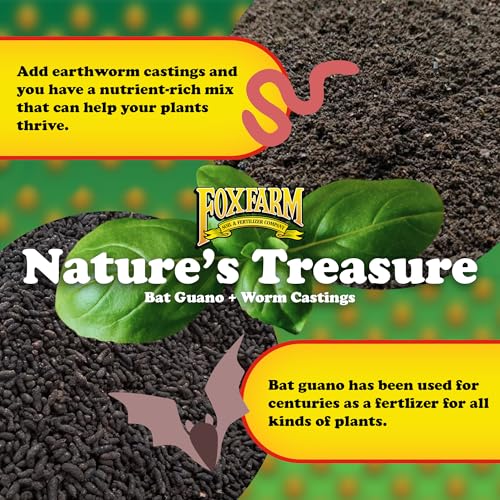
FoxFarm Raised Bed Planting Mix is a ready-to-use blend made for outdoor beds. It includes earthworm castings and oyster shell, which add organic matter and help support a lively root zone. The texture feels loose rather than heavy, so young roots can spread with less effort. I like this type of mix for gardeners who want to fill a new bed without building a soil blend from several bags.
This mix suits vegetables, herbs, flowers, and many fruiting plants. It can help improve beds that drain poorly or contain tired soil, although very sandy beds may still need extra compost. Earthworm castings provide mild natural nutrition, while the oyster shell adds a slow source of calcium and may help buffer soil conditions over time. As with any soil product, I would still check the crop needs and use a soil test before adding lime or other amendments.
Pros:
- Ready to use in raised beds
- Contains earthworm castings
- Includes oyster shell for added mineral support
- Loose texture supports root growth
- Works for vegetables, flowers, herbs, and fruits
- Reduces the need to mix several soil products
Cons:
- A large bed may require several bags
- It may need extra fertilizer for heavy-feeding crops
- Texture can vary slightly between bags
My Recommendation
I recommend FoxFarm Raised Bed Planting Mix for gardeners who want the easiest path to a productive raised bed. It is especially useful for a new bed, a worn-out bed, or a gardener who does not want to calculate a custom soil recipe. The castings give the mix a helpful organic base, and the oyster shell adds an extra mineral feature that many basic topsoil blends lack.
For me, this is one of the strongest all-purpose choices in this guide. It is not the cheapest way to fill a very large bed, but it saves time and offers a balanced starting point. If you want the best garden bed soil with a simple, ready-to-plant format, this FoxFarm blend deserves close attention.
Back to The Roots Seed Starting Block

Back to The Roots Organic Seed Starting Block expands to 12 quarts when water reaches the compressed material. This design makes storage simple and keeps one bulky bag off the shelf. The light mix is made for seeds, herbs, vegetables, and flowers rather than mature plants. I see it as a useful companion to raised bed soil, not a full replacement for the soil in a large garden bed.
Seedlings need a fine, open medium that holds moisture without turning into mud. This compressed block helps create that kind of start when you break it apart well and moisten it evenly. I would use it in trays, small pots, or a protected seed station, then move strong seedlings into a rich raised bed mix later. The compact form also works well for apartment gardeners and people with limited storage space.
Pros:
- Expands to about 12 quarts
- Easy to store before use
- Made for seeds and young roots
- Useful for herbs, vegetables, and flowers
- Helps reduce the mess of loose soil bags
- Good choice for indoor or small-space growing
Cons:
- Not intended to fill a full raised bed
- Requires careful, even watering during expansion
- Seedlings will need nutrients as they grow
Burpee Organic Potting Soil Mix

Burpee Premium Organic Potting Natural Soil Mix is a flexible choice for containers, patio planters, indoor plants, and small garden projects. Its fine texture makes it easier to handle around delicate roots. The 9-quart size is convenient when you need soil for a few pots or want to refresh a small raised bed. I would not confuse this potting mix with bulk garden soil, but it can work well as part of a careful raised bed blend.
Potting soil usually needs to drain faster than in-ground soil because containers have limited space and no wide soil profile. That makes this type of mix useful for herbs, salad greens, and compact flowers in raised planters. Before using it in a large bed, I would compare the cost with a larger raised-bed blend. For a balcony garden or a few crops near the kitchen, the smaller bag may offer less waste and easier handling.
Pros:
- Fine texture works well in containers
- Suitable for indoor and outdoor plants
- Useful for herbs, flowers, and vegetables
- Easy to carry and pour
- Good for refreshing small planters
- Organic-focused option for home gardeners
Cons:
- Small 9-quart size limits large-bed use
- Costs more per volume than bulk soil
- May require added compost for hungry garden crops
Miracle-Gro Organic Raised Bed Soil

Miracle-Gro Organic Raised Bed and Garden Soil is made for gardeners who want a peat-free blend with natural fertilizer. The product is OMRI listed, which means it meets the requirements of the Organic Materials Review Institute for permitted organic production inputs. It also states that it feeds plants for up to two months. That built-in nutrient support can make a new raised bed feel more forgiving during the first part of the growing season.
I like this product for gardeners who want a familiar brand and a simple bag-to-bed process. The natural fertilizer does not remove the need to observe your plants, since different crops use nutrients at different rates. Avoid packing the mix down, because roots need air spaces as well as water. After the first season, add mature compost and use a soil test to guide any further fertilizer choice.
Pros:
- Designed for raised beds and gardens
- Peat-free formula
- OMRI listed for organic gardening use
- Includes quick-release natural fertilizer
- May feed plants for up to two months
- Simple option for new gardeners
Cons:
- Fertilizer strength may not suit every crop
- Large projects can become costly by the bag
- Some beds may still need compost or mineral amendments
Michigan Peat Garden Magic Soil Blend
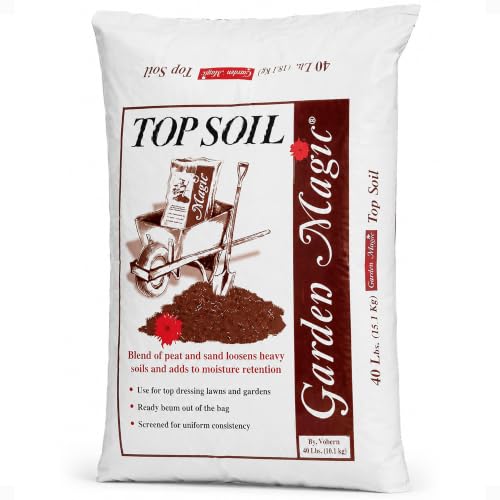
Michigan Peat Garden Magic combines compost and topsoil in a 40-pound bag. This format is better suited to outdoor beds, borders, holes, and lawn projects than to seed trays. The blend can help improve soil that feels thin, dry, or low in organic matter. Its larger bag also makes sense when I need more coverage than a small potting-soil package can provide.
Compost and topsoil are useful, but they are not identical to a complete raised-bed recipe. I would inspect the texture after opening the bag and mix it with existing soil rather than creating a deep layer of one material. In a new bed, adding a quality compost source can help build structure over time. This product is a practical amendment for gardeners who want to stretch their soil and improve the ground they already have.
Pros:
- Large 40-pound package
- Combines compost with topsoil
- Useful for beds, borders, and lawns
- Helps add organic matter to tired soil
- More practical for outdoor coverage than small potting bags
- Easy to blend with native soil
Cons:
- May contain coarse pieces that need mixing
- Not the best choice for starting tiny seeds
- Bag weight can be difficult to move
R&M Organics Compost Soil Amendment

R&M Organics Compost Soil Amendment is built for improving garden soil rather than serving as a complete planting medium by itself. Compost adds carbon-based organic matter, which can improve soil structure and help support soil life. I would use it to refresh an older raised bed, improve a heavy clay patch, or add body to sandy soil. It can also help reduce the need to replace all the soil in a bed each year.
The most important point is mixing. A thick layer of compost alone can hold too much water or settle unevenly, so I prefer to blend it into the upper soil layer. The right amount depends on the condition of the bed and the needs of the crop. For long-term garden health, compost works like a steady meal for the soil, not a quick fix for every nutrient problem.
Pros:
- Useful for improving existing garden soil
- Adds organic matter
- Can help clay soil become more workable
- Can improve moisture retention in sandy soil
- Good for annual bed refreshes
- May reduce the need for total soil replacement
Cons:
- Needs to be mixed with soil before planting
- Does not replace a complete raised-bed blend
- Exact texture and nutrient levels may vary
Back to The Roots 3-in-1 Seed Mix

Back to The Roots 3-in-1 Seed Starting Mix combines a seed-starting medium with plant food, worm castings, and moisture-controlling yucca. It comes in a 6-quart size and is made for herbs, vegetables, and flowers. The fine texture is suited to trays and small pots, where large bark pieces can block a tiny root. I see this as a focused product for the first stage of growth.
Worm castings can add gentle organic matter, while yucca may help the mix wet more evenly after it becomes dry. Even so, small seedlings need close care because a light medium can dry faster near a sunny window. I would use this product to raise healthy starts, then transplant them into the best garden bed soil once they have strong roots. That two-step plan gives seedlings a soft start and mature plants a deeper nutrient base.
Pros:
- Three-in-one seed-starting design
- Includes worm castings
- Contains plant food for early growth
- Yucca supports more even moisture control
- Fine texture suits seed trays
- Made for herbs, vegetables, and flowers
Cons:
- Not enough volume for a full raised bed
- Small containers may need frequent checks
- Young plants need transplanting as roots develop
Raised Bed Garden Design Soil Guide

Raised Bed Garden Design is a useful reading choice for people who need help with bed layout, construction, and soil planning. It is not a bag of soil, but it can help prevent costly mistakes before you buy one. A well-built bed needs the right depth, access, sun exposure, and drainage. Those details matter because even the best garden bed soil cannot rescue a bed placed in deep shade or filled with poor drainage.
I especially like the idea of using a guide before ordering soil by the bag. Measure the bed length, width, and depth, then calculate the volume you need. The book can also help new gardeners think about crop spacing and bed shape. Use it alongside reliable university extension advice and a soil test for the most accurate plan in your own yard.
Pros:
- Helps plan raised bed layouts
- Covers bed construction ideas
- Can reduce soil-buying mistakes
- Useful for new raised bed gardeners
- Encourages better use of garden space
- Pairs well with a soil and compost plan
Cons:
- It is a book, not a soil product
- Readers may still need local gardening guidance
- Plans may require changes for a specific yard
My Recommendation
FoxFarm is my top all-purpose pick for a ready-to-use raised bed. Miracle-Gro is a strong choice for gardeners who want a peat-free, OMRI-listed blend with natural fertilizer. Michigan Peat and R&M Organics work better as soil builders, while the Back to The Roots products serve the seed-starting stage. Burpee fits small containers, and the garden design book helps you plan before you spend.
| Best for | Why |
|---|---|
| New raised beds | FoxFarm offers a ready-to-use blend with castings and oyster shell. |
| Organic feeding support | Miracle-Gro provides a peat-free, OMRI-listed option with natural fertilizer. |
| Refreshing old soil | Michigan Peat and R&M Organics add compost and organic matter to existing beds. |
Choosing soil is a little like choosing a home for plant roots. The home needs air, water, food, and room to grow. I would not fill every bed with the same product without checking its purpose. A seed mix is too light for a deep vegetable bed, while heavy topsoil may smother tiny seedlings.
For a new raised bed, begin with a quality raised-bed blend or combine screened topsoil with finished compost. Many gardeners use a rough mix of topsoil, compost, and an aeration material, but the exact ratio should match local soil, climate, and crop needs. In wet regions, drainage deserves extra attention. In dry regions, organic matter can help the soil hold useful moisture.
Before planting, remove large sticks, plastic, stones, and compacted clumps. Do not work wet soil, because digging it can create hard lumps that last all season. Spread the mix, water it lightly, and let it settle for a short time. Then check the surface after watering; it should absorb water without forming a lasting pool.
Soil depth also matters. Shallow beds can grow salad greens, herbs, and many flowers, but deep-rooted crops need more room. Tomatoes, carrots, squash, and larger perennials often perform better in deeper soil. If you build above a hard surface, provide enough depth for roots and ensure excess water can escape.
A soil test remains one of the best tools for garden decisions. It can show pH, phosphorus, potassium, and other key measures. I avoid adding lime, sulfur, or strong fertilizer based only on guesswork. Too much of a good nutrient can harm plants and pollute runoff, so measured changes are safer and cheaper.
Look closely at the product label before buying. Terms such as “topsoil,” “potting mix,” “compost,” and “raised bed soil” describe different uses. Topsoil may provide bulk but little nutrition. Potting mix usually drains well in containers. Compost improves organic matter, but it may not provide enough structure to fill a bed alone.
Bag volume can also confuse shoppers. A compressed block expands after water is added, while a loose bag may settle after watering. For a rectangular bed, multiply length by width by depth to estimate volume. Divide that number by the volume printed on each bag, then buy a little extra for settling and later top-ups.
I also check the smell and feel of soil after opening it. A healthy compost-based mix should smell earthy, not sour or sharply chemical. It should crumble or loosen when handled, not form a sticky ball that stays hard. A few small wood pieces may be normal, but large chunks can make seed planting difficult.
Mulch helps protect the surface after you fill a bed. Straw, shredded leaves, or a suitable garden mulch can slow evaporation and reduce splash onto leaves. Keep mulch away from plant stems to reduce the chance of rot. As mulch breaks down, it adds organic matter, but it should not replace the main soil structure.
Water deeply but gently. Frequent shallow watering can keep roots near the surface, where heat dries them quickly. A soaker hose or slow hand watering can send moisture deeper into the bed. Check the soil with a finger before watering again, because a damp surface does not always mean the lower root zone is wet.
Raised beds also need yearly care. Add a thin layer of finished compost in spring or after a major crop cycle. Rotate crop families when possible, especially if you grow tomatoes, peppers, potatoes, or eggplants. Pull diseased plants instead of adding them to a home compost pile unless your compost system reaches a safe, sustained heat.
For organic gardening, read the label rather than relying on the word “natural.” OMRI listing can help identify products reviewed for organic production, but it does not mean the product fits every garden or crop. Organic products can still be strong, and plants can still suffer from excess nutrients. Use the same care with organic fertilizer that you use with any amendment.
Climate should guide your choice, too. In a hot, dry region, a blend with useful organic matter may reduce watering stress. In a rainy region, a loose structure and good drainage may matter more than extra moisture holding. Gardeners in cold areas should avoid working wet beds early in spring, since that can damage soil structure.
Pets and children may also affect your purchase. Store unused bags in a dry place and keep them sealed. Do not let children handle fertilizer or soil amendments without supervision. Wash produce well after harvest, even when you use organic materials. Simple habits protect both the garden and the people who enjoy it.
FAQs Of best garden bed soil
What makes the best garden bed soil?
The best garden bed soil has a loose texture, good drainage, moisture balance, organic matter, and modest nutrients. It should support roots without staying soggy. A soil test can show whether you need extra fertilizer or a pH adjustment.
Can I use potting soil in a raised garden bed?
You can use potting soil in a small raised planter, but it may cost too much for a large bed. Potting soil is made for containers and often drains faster. For large beds, use raised-bed soil, topsoil, compost, or a suitable blend.
Is compost enough to fill a raised bed?
Compost is valuable, but pure compost is not always the best fill material. It can settle, hold too much water, or change as it breaks down. Mix finished compost with a stable soil material for better long-term structure.
How often should I replace raised bed soil?
You usually do not need to replace all of it each year. Add finished compost, remove debris, and test the soil when plants perform poorly. Replace soil only when it has serious contamination, disease issues, or severe structural problems.
Should I fertilize new garden bed soil?
Check the label first. Some blends already contain fertilizer or compost-based nutrients. Add more only when a soil test or plant symptoms support the need, because excess fertilizer can damage roots and wash into waterways.
Final Verdict: Which Should You Buy?
FoxFarm Raised Bed Planting Mix is my top pick for the best garden bed soil because it is ready to use and includes earthworm castings and oyster shell. Miracle-Gro is a close alternative for peat-free organic gardening.
Choose seed mixes for seedlings and compost amendments for old beds. The best garden bed soil is the one that matches your crop, climate, bed size, and drainage needs.
