


Finding the best raised garden bed for cut flowers means choosing strong, deep, well-drained space for healthy blooms.
Growing cut flowers sounds easy until seedlings crowd together, weeds take over, and poor soil weakens every stem. A raised garden bed gives you control over soil, spacing, drainage, and sunlight. I reviewed these garden beds and flower-growing guides for 2026 with dahlias, zinnias, cosmos, sunflowers, and snapdragons in mind. The right choice can turn a small patio, yard, or balcony into a steady supply of fresh bouquets.
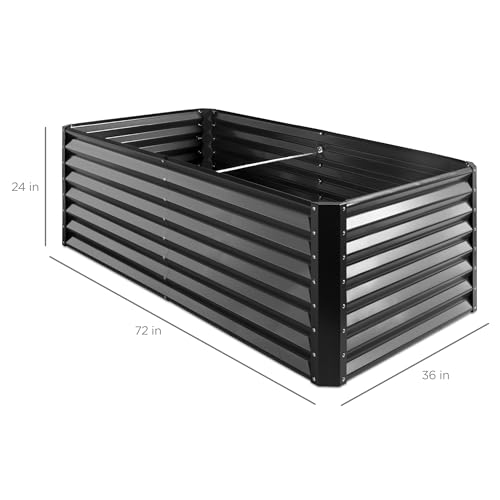
Best Choice Products 6x3x2ft Metal Bed
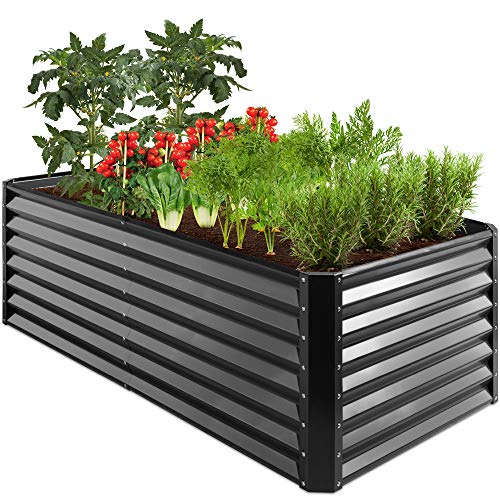
This deep metal raised bed offers a generous 6-by-3-foot growing area and about 2 feet of planting depth. That depth suits flowers with long roots, such as dahlias, cosmos, and tall sunflowers. The gray finish has a clean look and should fit well beside a fence, shed, or sunny lawn. Its large capacity also gives you room to plant flowers in blocks instead of scattered rows.
I like this design for gardeners who want one main cutting garden rather than several small planters. The tall sides make it easier to add a rich mix of compost, topsoil, and aged organic matter above poor native soil. Deep soil can also help support strong roots during hot weather, though you still need regular watering. For a serious home cutting garden, this model offers the most useful balance of space and depth in this review.
Pros:
- Deep 2-foot planting area for larger flower roots
- Large 6-by-3-foot space for productive cut-flower blocks
- Metal construction offers a sturdy long-term frame
- Raised height helps reduce bending during planting
- Works well over compact, rocky, or poor ground
- Large soil volume helps buffer short dry spells
Cons:
- Requires more soil than a shallow raised bed
- Large size may not suit a small balcony or narrow patio
- Metal may warm in strong summer sun
My Recommendation
I recommend this model for gardeners who want the best raised garden bed for cut flowers with deep roots and plenty of room. It is especially useful for dahlias, lisianthus, sunflowers, and mixed seasonal flowers. The height also helps anyone who finds ground-level gardening hard on the back or knees. Plan the bed near a hose because a large, deep planter needs steady moisture in hot weather.
Utopia Home 4x2x1ft Galvanized Bed

This Utopia Home garden bed has a compact 4-by-2-foot footprint and a 1-foot planting depth. Galvanized metal gives it a practical, simple appearance and makes it a good fit for smaller yards. The size works well for a starter cutting garden filled with zinnias, calendula, celosia, or compact snapdragons. It can also help a new gardener learn flower spacing without managing a large plot.
The one-foot depth uses less soil than a deep bed, which can lower setup cost. It still gives annual flowers a clean root zone above tired lawn soil or hard ground. I would place it where it receives at least six hours of direct sun, since most cut flowers need strong light for sturdy stems. Its smaller footprint makes succession planting easier, so you can replace early flowers with fresh summer or fall blooms.
Pros:
- Compact footprint fits small yards and patios
- Uses less soil than a deep flower bed
- Galvanized metal is easy to rinse and maintain
- Good size for a first cut-flower garden
- Simple shape makes plant spacing easy to plan
- Light color helps create a neat garden layout
Cons:
- One-foot depth may not suit large dahlias
- Limited width reduces the number of tall flowers you can grow
- May need more frequent watering than a deeper bed
My Recommendation
This is a smart choice for a beginner or anyone with limited outdoor space. It may be the best raised garden bed for cut flowers when the goal is a low-cost, easy-to-manage bed for annual blooms. I would use it for zinnias, cosmos, marigolds, and snapdragons rather than large root crops or huge sunflowers. It provides good value when you want a tidy flower patch without a large soil bill.
Urban Raised Bed Cut-Flower Guide

This is a step-by-step gardening book rather than a physical raised bed. That difference matters, but it can be a valuable partner for anyone building a cut-flower garden in a small space. The guide focuses on planning, organic growing, space use, and productive planting. It can help turn an empty planter into a more thoughtful flower system.
I find a planning guide useful because many new growers plant too many types at once. A simple calendar can show when to sow, transplant, pinch, feed, and cut each crop. The book is especially helpful for patio gardeners who need to combine containers, raised beds, and vertical space. Pair it with a sturdy planter, and it can improve results more than buying a larger bed without a plan.
Pros:
- Helps beginners plan a cut-flower layout
- Useful for patios, balconies, and urban gardens
- Explains ways to make limited space productive
- Supports better planting and harvest timing
- Can reduce wasted seed and soil
- Pairs well with nearly any raised bed
Cons:
- It is a book, not a physical garden bed
- Readers still need to buy a planter and supplies
- Advice may require adjustment for local climate
My Recommendation
I recommend this guide for a new flower grower who needs a clear plan before buying supplies. It is not the best raised garden bed for cut flowers by itself, but it can help you use a smaller bed with much better results. Use local frost dates and your own sunlight conditions to adapt the steps. It offers strong value for gardeners who want fewer mistakes and more flowers from limited space.
WTFGO 33.7-Inch Tall Bed With Wheels
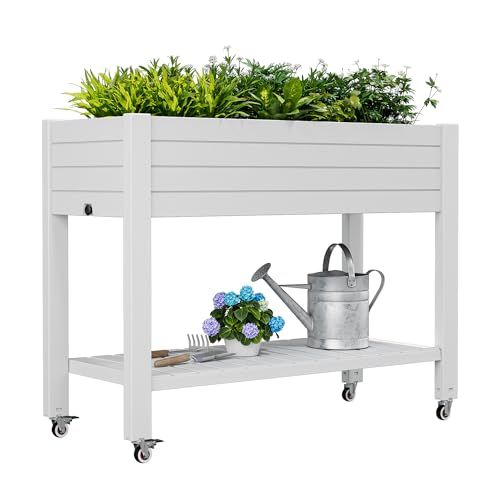
This elevated resin planter stands about 33.7 inches tall and includes wheels, a storage shelf, and drainage features. Its raised design brings flowers closer to waist height, which can make planting and cutting much easier. The divided structure lets you separate herbs, small flowers, or different planting mixes. It suits patios, decks, and other spaces where a traditional garden bed may not fit.
The wheels are useful when you need to move plants toward better light or away from harsh weather. I would use this planter for compact cut flowers, herbs, and filler plants rather than tall sunflowers or large dahlias. Drainage matters in a raised planter, so check that water can leave freely before filling it. The shelf also gives you a handy place for pruners, gloves, or a watering can.
Pros:
- Elevated height reduces bending and kneeling
- Wheels make repositioning easier
- Resin construction suits patios and decks
- Divided areas support different plants
- Storage shelf keeps small tools close by
- Useful for gardeners with limited mobility
Cons:
- Smaller soil volume limits large flower choices
- Wheels need a level surface to stay stable
- Resin may not have the same feel as metal or wood
My Recommendation
This is a strong option for balcony gardeners, renters, and people who prefer waist-high planting. It can be the best raised garden bed for cut flowers when comfort and mobility matter more than growing tall, deep-rooted crops. Choose compact zinnias, dwarf cosmos, sweet alyssum, and foliage fillers. Its movable design adds flexibility that fixed beds cannot provide.
Small-Space Flower Gardening Guide

This illustrated guide focuses on growing flowers in small spaces. Like the other gardening book in this review, it does not replace a physical raised bed. Instead, it helps gardeners plan attractive, useful flower displays when space is tight. The ideas can work with a compact metal bed, an elevated planter, or several containers.
I value guides that explain both design and care because a cutting garden must be productive as well as pretty. You need enough light, room for airflow, and a path to reach stems without stepping on soil. A small-space approach can also help you grow flowers in stages for a longer harvest. Use the book as a design tool, then match its ideas to your local growing season.
Pros:
- Designed for gardeners with limited space
- Illustrations make planning easier to follow
- Encourages practical and attractive layouts
- Useful for raised beds and containers
- Helps improve spacing and access
- Suitable for beginners who want simple ideas
Cons:
- Does not include a physical planter
- Small-space advice may not cover large gardens
- Readers must adapt planting dates to their region
My Recommendation
I recommend this book for apartment dwellers and gardeners who want a compact flower display. It can help you find the best raised garden bed for cut flowers by showing how much space your chosen plants need. Read it before setting up a patio planter or narrow bed. Its biggest value is helping you turn a small footprint into a steady source of stems.
Foxlang 8x4ft Galvanized Bed, Two-Pack

This Foxlang set includes two large galvanized beds, each measuring about 8 by 4 feet and 1 foot high. That footprint gives you a lot of room for rows, blocks, and companion flowers. You can use one bed for annual cut flowers and the other for foliage, herbs, or a second planting date. The black finish creates a bold contrast against bright blooms.
Large beds reward careful planning because they can become hard to reach if you plant the middle too wide. I suggest keeping the beds within arm’s reach from both sides or adding stepping space between them. The one-foot height works well for many annual flowers, but add extra organic matter if your soil mix settles. This set is a good fit for families, market gardeners, and anyone who wants a larger home bouquet supply.
Pros:
- Two large beds offer a generous growing area
- Useful for succession planting and crop rotation
- Galvanized metal provides a clean bed frame
- One bed can hold flowers while the other holds fillers
- Large layout supports bouquet-scale production
- Black color makes bright blooms stand out
Cons:
- Requires a large sunny area
- Filling both beds can require a lot of soil
- One-foot depth may be shallow for some perennials
My Recommendation
This set suits experienced gardeners who want a broad cutting garden. It may be the best raised garden bed for cut flowers if you plan to grow many annuals for bouquets, events, or gifts. Use tall flowers at the north side and shorter plants toward the south so plants receive better light. Buy this set only after measuring your space and planning a simple access path.
Mashomdec Three-Tier Wooden Bed

This wooden planter uses three tiers to create a stepped growing layout. The design can add useful height while giving you separate areas for flowers with different root needs. It also includes legs and a storage shelf, which makes it suitable for patios, porches, and compact yards. The natural wood look blends well with colorful blooms and outdoor furniture.
A tiered bed can make a small space feel like a layered bouquet. Place trailing flowers or low fillers on the lower level and reserve the higher tiers for herbs or compact blooms. I would seal or protect the wood as needed, especially in a wet climate, because moisture can shorten the life of any wooden planter. The shelf is practical, but avoid storing items that block drainage or airflow.
Pros:
- Three tiers create useful vertical growing space
- Wood gives the planter a warm natural appearance
- Elevated legs make access easier
- Separate levels help organize different flowers
- Storage shelf adds useful outdoor space
- Good fit for patios, porches, and small yards
Cons:
- Wood needs more care than galvanized metal
- Tier sizes may limit tall flower varieties
- Uneven watering can occur between levels
My Recommendation
This model is best for gardeners who want an attractive, raised display in a small outdoor area. It is not my first choice for a large cutting crop, but it can be the best raised garden bed for cut flowers on a porch or patio. Use it for filler flowers, compact zinnias, nasturtiums, and herbs. Its tiered shape adds charm while keeping plants easy to see and reach.
1MORE 4-in-1 Modular 5x3ft Bed

The 1MORE raised bed uses a 4-in-1 modular design, so you can arrange the panels in more than one shape. Its 5-by-3-foot size offers a useful middle ground between compact and oversized beds. The green finish gives it a garden-friendly look and helps it blend with leaves and stems. Modular parts also make it easier to adjust your layout as your flower plans change.
Flexibility is the main reason I would choose this bed. You can create a long rectangle, a square, or another suitable shape based on the space available. That helps when you need to fit a bed beside a path, wall, or fence. Before planting, check each joint and make sure the bed sits level so soil stays evenly distributed.
Pros:
- Four layout options support flexible garden planning
- Medium size suits many home gardens
- Green finish blends naturally with plants
- Modular shape works around paths and odd spaces
- Good choice for gardeners who may expand later
- Supports clear separation of flower varieties
Cons:
- Changing the shape may require emptying the bed
- Medium depth may not suit very deep-rooted plants
- Modular joints need careful assembly and leveling
My Recommendation
I recommend this bed for gardeners who value layout freedom. It could be the best raised garden bed for cut flowers when your growing area has an unusual shape or may change over time. Use the longer layout for rows of zinnias and the compact layout for mixed flowers. It offers a useful blend of space, style, and adaptability at home.
How to Choose the Best Raised Garden Bed for Cut Flowers
Choosing a flower bed is not only about looks. A productive cutting garden needs enough room for roots, air, water, and harvest access. I start by checking the site, then I match the bed to the flowers I want to grow. This method prevents a common mistake: buying a bed first and discovering that it does not suit the plants.
Check the Available Sunlight
Most popular cut flowers need full sun. In practical terms, aim for at least six hours of direct light each day, though local heat can change the best planting time. Watch the area from morning to late afternoon before you build. A beautiful bed in deep shade will not produce strong stems.
Place tall flowers where they will not shade short flowers. In many gardens, that means putting sunflowers and tall cosmos on the north side. Keep lower zinnias, celosia, and sweet peas where they can receive open light. Good placement often matters more than a small difference in bed material.
Match Bed Depth to Flower Roots
Bed depth affects soil volume, root growth, and moisture control. A 10- to 12-inch bed works for many annuals, including zinnias, calendula, and marigolds. Deep-rooted plants, such as dahlias, may perform better with more depth or with loose soil below the frame. Read the seed packet or plant label before choosing a shallow bed.
Deep beds cost more to fill, but they can be worth it over poor ground. They also give roots a larger buffer during hot weather. Still, no bed removes the need for watering. Use mulch to slow evaporation and keep soil temperatures more stable.
Choose a Practical Width
A bed should be narrow enough to reach the center without stepping on the soil. A width of about 3 to 4 feet often works well when you can access both sides. If you can reach only one side, keep the width closer to 2 feet. Good access makes deadheading, cutting, weeding, and feeding much easier.
For cut flowers, access matters even more than it does for a decorative bed. You need to harvest stems often. If plants become a tangled wall, you may break stems while reaching inside. Leave paths between large beds, and use stepping stones if the ground becomes muddy.
Compare Metal, Wood, and Resin
Galvanized metal is popular because it is neat, strong, and easy to clean. It can warm in full sun, so use a rich, moist soil mix and mulch in hot climates. Metal beds are a good choice when you want a clear frame with limited seasonal upkeep.
Wood has a soft, natural look and can suit a cottage-style flower garden. It may need more care in wet areas. Avoid wood treated with products not labeled for garden use, and follow current safety directions. Resin is light and useful for patios, but it may have less soil capacity than a large metal bed.
Think About Drainage
Flowers dislike standing water. A raised bed should let excess water move away while holding enough moisture for roots. Do not place a sealed planter on a surface where water cannot escape. Check drainage holes, joints, and the surface below before adding soil.
Fill the bed with a balanced mix rather than pure compost. A common approach uses quality topsoil, compost, and an aerating material. Local extension guidance can help you choose a mix for your soil and climate. Too much fine compost can hold water, while too much sand can drain too fast.
Plan for Cut-Flower Spacing
Cut flowers often grow best in blocks rather than single decorative rows. Block planting can support straighter stems and makes harvest simple. However, do not crowd plants so tightly that air cannot move. Follow the spacing on the seed packet, then adjust for your climate and the mature plant size.
Pinching can encourage branching in some flowers. Regular cutting also tells many annuals to produce more stems. Harvest in the cool part of the day, use a clean blade, and place stems in water quickly. These small habits can extend vase life.
Best Flowers to Grow in a Raised Bed
Zinnias are among my favorite choices for a new cutting garden. They grow in many warm climates, offer many colors, and produce flowers over a long season. Cosmos are also easy and airy, while celosia adds texture and strong color. Calendula and marigolds can provide useful filler flowers and bright tones.
Dahlias create impressive blooms, but they need more space, support, and care. Sunflowers need room and can cast shade, so place them at the back or north side of the bed. Snapdragons prefer cooler conditions and may reward early planting. Sweet peas can provide fragrant stems where the climate supports them, but they need a trellis.
Do not forget foliage. Ammi, basil, dusty miller, and ornamental grasses can make bouquets look fuller. A cutting garden is like a small kitchen: flowers are the main dish, but foliage and filler make the meal complete. Plan a mix of focal flowers, supporting flowers, and greenery.
Raised Bed Soil and Care Tips
Start with clean, quality soil from a trusted supplier. Avoid using only garden soil in a raised bed because it can compact and drain poorly. Mix in finished compost, but do not fill the bed with fresh manure. Fresh manure can burn roots and may contain unwanted weed seeds or pathogens.
Test the soil if your plants perform poorly or if you use a new garden area. A basic soil test can show pH and nutrient levels. Most flowers prefer slightly acidic to neutral soil, but exact needs vary. Follow test advice instead of adding lime or fertilizer by guesswork.
Water deeply and consistently. New seedlings need close attention because their roots are small. Drip lines or soaker hoses can place water near the soil and keep leaves drier than overhead watering. Morning watering gives wet leaves time to dry and may lower disease risk.
Mulch around plants after the soil warms. Organic mulch can slow weeds, reduce splashing, and help hold moisture. Keep mulch away from the main stem to reduce rot. Recheck soil moisture with your finger before watering again; the surface can look dry while lower soil remains moist.
Inspect plants each week. Look under leaves for pests, check stems after storms, and remove damaged growth. Support tall plants early rather than waiting until they fall. A small trellis, ring, or stake can protect flowers from wind and heavy rain.
Best For Comparison
| Best for | Why |
|---|---|
| Large home cutting gardens | The Best Choice Products deep bed gives strong root space and a broad planting area. |
| Small patios and easy access | The WTFGO elevated planter offers wheels, height, and separated planting areas. |
| Flexible layouts and changing spaces | The 1MORE modular bed lets you adjust the shape to suit your garden. |
FAQs Of best raised garden bed for cut flowers
What is the best raised garden bed for cut flowers?
The Best Choice Products 6-by-3-by-2-foot metal bed is my top pick for most home gardeners. It offers deep soil and enough room for a useful mix of cut flowers. Choose a smaller or elevated model if space or mobility is your main concern.
How deep should a raised bed be for cut flowers?
A depth of 10 to 12 inches suits many annual flowers. Dahlias and other deep-rooted plants can benefit from more space. Always check the mature root needs before planting.
How much sun do cut flowers need?
Most popular cut flowers need about six or more hours of direct sun. Morning and afternoon light both count. Watch for shade from buildings, trees, and tall plants.
Can I grow cut flowers in a small raised bed?
Yes. Grow compact zinnias, cosmos, calendula, and filler flowers in blocks. Pick stems often and use succession planting to keep the bed productive.
What soil is best for a raised flower bed?
Use a loose mix that drains well but still holds moisture. Quality topsoil, finished compost, and an aerating material make a useful starting blend. A soil test can guide pH and nutrient changes.
Final Verdict: Which Should You Buy?
For most gardeners, the Best Choice Products deep metal bed is the best raised garden bed for cut flowers. It offers the root space and planting room needed for strong, useful stems.
Choose a compact, elevated, or modular bed when your space or access needs differ. With good light, rich soil, and regular cutting, any of these options can support a beautiful home flower garden.
