


The best raised garden bed plans make growing food simpler, cleaner, and more productive in any space.
You may want fresh tomatoes, herbs, or flowers, but your yard may have poor soil, weeds, pests, or little room. A raised bed can turn that hard patch into a neat growing space. It also makes watering, planting, and harvesting easier on your back. I reviewed these garden bed options with size, material, drainage, access, root depth, and long-term value in mind. This guide to the best raised garden bed plans can help you choose a bed that fits your yard, patio, budget, and gardening goals.
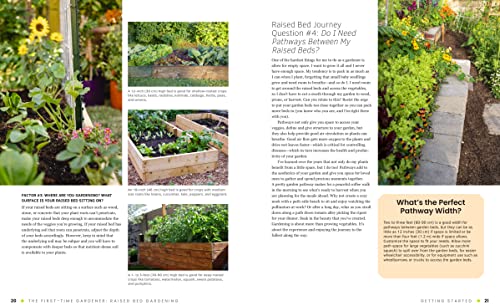
First-Time Gardener Raised Bed Guide
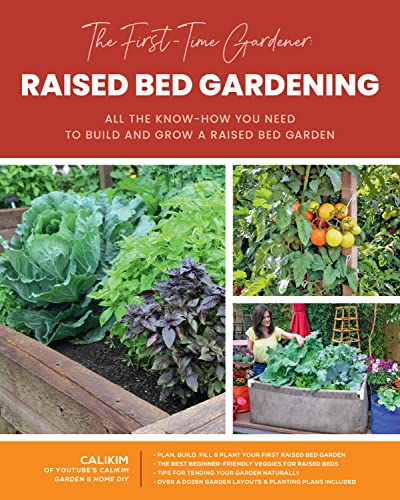
Not every gardener needs another box or planter. Some need a clear plan before buying lumber, soil, or seeds. This raised bed gardening guide explains how to choose a site, build a bed, fill it, and care for plants through the season. It is a useful starting point for anyone who feels unsure about bed depth, spacing, crop choice, or watering.
I like this book because it covers the full process instead of focusing on one quick project. It can help new growers avoid common mistakes, such as making beds too wide or filling them with poor soil. The advice also suits people who want to compare wood, metal, and other layouts before they commit. For anyone researching the best raised garden bed plans, this guide works as a planning tool rather than a physical planter.
Pros:
- Explains the full raised bed process in simple terms
- Helps new gardeners plan before buying supplies
- Covers site choice, soil, planting, and care
- Useful for both small and larger garden layouts
- Can reduce costly beginner mistakes
- Works well as a reference during the growing season
Cons:
- It is a guide, not a physical raised garden bed
- Readers must adapt plans to local weather and soil needs
- Some gardeners may want more advanced crop details
My Recommendation
I recommend this guide to first-time gardeners, renters planning a movable setup, and homeowners who want a clear plan before they build. It is especially helpful if you do not know how deep a bed should be or how to create a healthy soil mix. The guide cannot replace local growing advice, but it gives you a sound base for making smart choices. Among the best raised garden bed plans, this is the best option for learning and preparation.
Rakukiri 5-Foot Oval Metal Raised Bed

The Rakukiri raised garden bed uses a galvanized metal design with a soft oval shape. Its five-foot size can fit vegetables, flowers, or herbs without taking over a small yard. The metal sides hold soil in place and create a clear border between the bed and surrounding grass. The oval form also removes sharp outer corners, which can help in walkways and compact garden areas.
This planter suits gardeners who want a neat bed with less wood maintenance. Galvanized metal does not need the same staining or sealing routine as many wooden beds. Still, you should place it on level ground and check the edges during assembly. A bed of this size is best for compact crops, greens, herbs, and flowers rather than sprawling plants that need wide support.
Pros:
- Oval shape fits small yards and garden paths well
- Galvanized metal resists normal outdoor moisture
- Clear sides make soil and weed control easier
- Suitable for vegetables, herbs, and flowers
- Requires less finish care than untreated wood
- Recycled material claim adds appeal for eco-minded buyers
Cons:
- Smaller than many rectangular family garden beds
- Metal can warm in strong summer sun
- Oval walls may make plant spacing less simple
My Recommendation
I suggest the Rakukiri bed for apartment gardeners, small-yard owners, and anyone who wants a tidy metal planter with a different look. The rounded shape works well beside a path or on a compact lawn. Use mulch and regular watering during hot weather because metal sides may increase heat near the edge. It earns a place among the best raised garden bed plans for small-space style and simple upkeep.
Best Choice 6-by-3 Metal Deep Root Bed
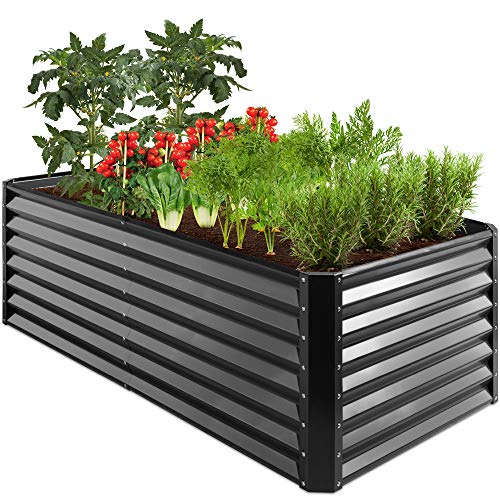
This 6-by-3-foot metal raised bed gives gardeners a strong middle ground between a tiny planter and a large garden system. Its two-foot height offers useful root space for many vegetables and flowers. The long shape makes it easier to create rows or divide crops into sections. It also gives you a clear work area that can be filled with a controlled soil mix.
The 269-gallon capacity is important because a deep bed needs a large amount of soil. I recommend calculating the volume before ordering soil so the filling cost does not surprise you. The metal sides should remain stable when assembled on flat ground, but the bed still needs good drainage beneath or through the growing area. This model is a strong fit for gardeners who want depth without an oversized footprint.
Pros:
- Two-foot depth supports many deep-rooted crops
- Six-by-three-foot shape offers useful growing room
- Metal construction avoids common wood rot concerns
- Works for vegetables, herbs, and flowers
- High sides can reduce bending while gardening
- Long layout supports simple crop grouping
Cons:
- Requires a large amount of soil to fill
- May be too large for a balcony or narrow patio
- Metal may heat up in very hot conditions
My Recommendation
This bed is best for homeowners who want deep growing space for carrots, tomatoes, peppers, flowers, and other crops with stronger root needs. It also helps gardeners who dislike kneeling close to the ground. I would choose it for a level backyard site with room for paths on both sides. As one of the best raised garden bed plans, it offers a useful mix of depth, capacity, and practical planting space.
Best Choice Mobile Elevated Wood Planter
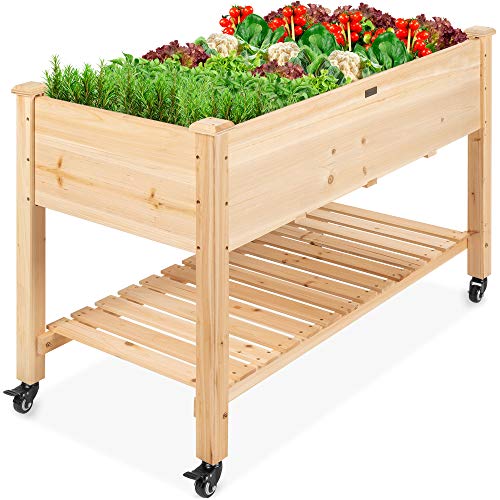
This elevated wooden planter stands about 32 inches high and includes lockable wheels. That design can make planting easier for people who have back, knee, or mobility concerns. The 48-by-24-inch growing area gives enough room for herbs, greens, flowers, and compact vegetables. A lower shelf also creates a handy place for tools, pots, or bags of soil.
The wheels are the feature that sets this planter apart. You can move it to a sunnier spot or roll it under cover during severe weather, but you should lock the casters before planting or watering. The included liner helps hold soil, while drainage holes help excess water leave the bed. Because this is a wood planter, keep it protected from standing water and inspect the finish from time to time.
Pros:
- Elevated height reduces bending and kneeling
- Lockable wheels allow easy position changes
- Lower shelf adds useful storage space
- Protective liner helps contain the growing mix
- Good size for patios, decks, and small yards
- Wood design blends well with outdoor spaces
Cons:
- Growing area is smaller than a full ground bed
- Wood may need more care than galvanized metal
- Wheels may not roll well over rough ground
My Recommendation
I recommend this planter for older adults, wheelchair users, renters, and patio gardeners who need a raised work height. It is also a smart choice for herbs and salad greens that need frequent harvesting. Avoid overloading it before moving it, since wet soil becomes very heavy. For accessible gardening, this is one of the best raised garden bed plans because it brings the plants closer to you.
Best Choice 8-by-4 Metal Deep Root Bed
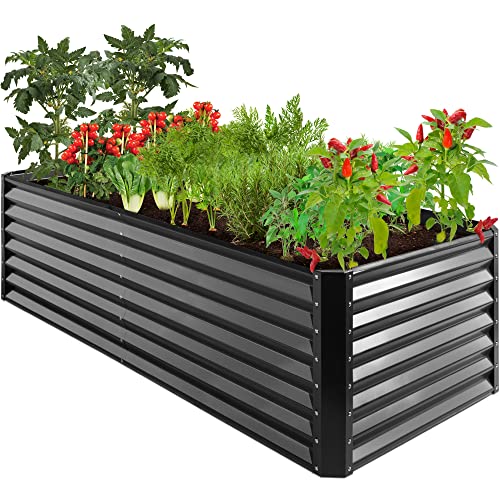
This 8-by-4-foot metal bed is built for gardeners who want a large growing area. Its two-foot depth gives plants room for strong root growth and lets you build a rich, controlled soil profile. The wide rectangle can hold several crop groups, such as tomatoes, peppers, lettuce, beans, and flowers. It can become the center of a serious backyard food garden.
The listed 478-gallon capacity shows the scale of this planter. Filling it takes a major soil budget, so many gardeners may save money by using quality soil in the root zone and suitable organic material lower down. Do not use questionable fill, fresh manure, or contaminated material. Set the bed on a level surface and leave enough room around it to reach every plant without stepping into the soil.
Pros:
- Large 8-by-4-foot growing footprint
- Two-foot depth suits many deep-rooted plants
- Offers space for mixed crops and succession planting
- Metal sides reduce concerns about wood decay
- High walls create a clear barrier against lawn growth
- Useful for gardeners planning a large food plot
Cons:
- Needs a very large amount of soil
- Requires a spacious, level location
- May be more than a new gardener needs
My Recommendation
This is my top choice for families, experienced gardeners, and anyone who wants one large productive bed. It has enough space to separate crops and test several planting plans at once. I would not choose it for a small patio or for someone who wants a low-cost first project. In a large yard, it is one of the best raised garden bed plans for capacity and long-term garden growth.
INNO STAGE 6-by-3 Metal Raised Bed

The INNO STAGE raised bed uses a six-by-three-foot galvanized metal layout. It gives you enough space for a useful vegetable garden while staying smaller than the eight-by-four-foot model. The silver finish has a clean look and can suit both modern yards and simple garden plots. Its two-foot depth supports a broad range of plants when you use a healthy, well-drained growing mix.
This bed can work well for gardeners who want a fresh start rather than dealing with compacted native soil. You can control the texture, nutrients, and organic matter inside the bed. As with any tall planter, plan the soil purchase before assembly and keep the bed level. Metal does not remove the need for watering, mulch, crop rotation, or pest checks, but it does create a clean structure for those tasks.
Pros:
- Good middle size for many backyard gardens
- Two-foot depth supports a range of crops
- Galvanized metal offers a low-maintenance frame
- Helps separate garden soil from poor native ground
- Silver finish provides a clean outdoor appearance
- Suitable for vegetables, flowers, and herbs
Cons:
- Soil volume can still add a large upfront cost
- Metal may feel warm during hot sunny days
- Assembly on uneven ground may be difficult
My Recommendation
I would choose the INNO STAGE bed for a gardener who wants deep soil but does not need the largest available footprint. It is a sensible fit for a standard backyard and can support a mix of food crops. Add mulch to slow water loss and use shade cloth if your climate brings extreme heat. It is a balanced pick in this best raised garden bed plans review, especially for medium-size growing projects.
Best Choice 10-Grid Elevated Herb Planter

This elevated wooden planter has ten growing compartments, which makes it especially useful for herbs. The grid layout keeps plants separated and helps you label each section. It can hold a range of kitchen herbs, small flowers, and compact greens in one easy-to-reach unit. Drainage holes help reduce the risk of water sitting around the roots.
The compartment design brings order to a small garden. You can place mint in its own section, keep basil near the kitchen, and grow thyme or chives in separate squares. Herbs still need suitable light, soil, and water, so do not treat every section the same. The elevated frame works well for patios, balconies, and small backyards where a full-size bed would feel too large.
Pros:
- Ten compartments simplify herb organization
- Raised height makes frequent harvesting easier
- Drainage holes support healthier roots
- Fits patios, balconies, and compact outdoor spaces
- Separate sections help prevent plant crowding
- Wood construction gives it a warm garden look
Cons:
- Small compartments limit root space for large crops
- Wood may need protection from constant moisture
- Not ideal for large vegetables or deep-rooted plants
My Recommendation
This planter is best for cooks, herb lovers, apartment residents, and families who want a simple first garden. The ten-grid layout feels like a spice rack for the patio. I would use it for basil, parsley, cilantro, thyme, chives, and salad greens rather than pumpkins or large tomatoes. It is one of the best raised garden bed plans for organized, small-space herb growing.
Best Choice 6-by-3 Black Metal Raised Bed

This black metal bed uses the same useful six-by-three-foot form as a practical deep garden box. Its dark finish gives the garden a bold, modern look. The two-foot profile can hold a deep growing mix for vegetables, flowers, and herbs. It also creates a visible boundary that can make garden care feel more organized.
The 269-gallon capacity means you should plan the fill cost before starting the project. Dark metal may absorb more solar heat than a light finish, so monitor soil moisture during warm weather. Mulch can help keep the surface cooler and reduce evaporation. If you like a clean, modern yard design and need medium-sized deep soil space, this model deserves attention.
Pros:
- Modern black finish suits many outdoor designs
- Six-by-three-foot size gives useful planting room
- Two-foot depth supports deep-rooted crops
- Metal frame needs little routine finish work
- Works for mixed vegetable and flower gardens
- Raised walls help keep paths and lawn separate
Cons:
- Black sides may become hot in strong sun
- Requires a large amount of growing material
- Needs careful placement on level ground
My Recommendation
I recommend this black bed to homeowners who care about both garden function and visual style. It can serve as a neat centerpiece for a vegetable plot, especially when paired with light mulch and green plants. Watch moisture closely during hot spells and avoid placing it against a heat-reflecting wall. For modern outdoor spaces, it ranks among the best raised garden bed plans for looks and deep growing space.
How to Choose the Best Raised Garden Bed Plans
The best raised garden bed plans do not all look the same. A good choice depends on your space, crop list, body comfort, climate, and budget. Before you buy, measure the site and mark the bed with string or cardboard. This simple step can show whether you have enough room to walk, water, harvest, and move a wheelbarrow.
Start With the Right Size
Width affects access more than many new gardeners expect. If you can reach from only one side, keep the bed narrow enough to reach the center. A bed that is too wide may force you to step into the soil, which can compact roots and damage plants. Around four feet wide often works well when you can reach both sides, but your arm length and garden path matter.
Length depends on your site and crop goals. A six-foot bed can support a useful mix of plants without demanding too much soil. An eight-foot bed gives more room for rows and crop rotation, but it needs more space and more filling material. If you want a small start, choose a compact or elevated planter rather than buying more capacity than you can manage.
Think About Bed Depth
Depth matters for roots, drainage, and comfort. Shallow beds can support many herbs, lettuce, and flowers when the native ground beneath is safe and loose. Deep beds offer more control and can help crops such as carrots, tomatoes, and larger flowers. However, a deep bed costs more to fill and may dry at the sides during hot weather.
Do not assume that more depth always means better results. Plants still need air, water, nutrients, and sunlight. Fill the bed with a clean growing mix suited to food crops. If you use compost, choose mature compost rather than fresh material, which can harm roots and create excess heat.
Compare Wood and Metal
Wood has a warm, natural look and can fit a cottage garden well. It may also be easy to repair or modify. Its weak point is moisture exposure. Untreated or poorly protected wood can decay over time, especially when it touches wet soil.
Galvanized metal usually needs less finish care and holds a clean shape. It can last well in outdoor use, but the sides may heat in strong sun. Keep the soil evenly watered and add mulch when the weather is dry. Check the product details for coating information and follow the maker’s assembly instructions.
Plan Drainage Before Planting
Every raised bed needs a way for extra water to leave. A bed placed on soil can often drain into the ground if the site is suitable. A planter on a patio needs clear drainage holes and a tray or surface that can handle runoff. Do not block drainage holes with compact soil or place the unit where water cannot escape.
Good drainage does not mean letting the bed dry out. It means water should move through the root zone without staying trapped. A balanced soil mix, mulch, and steady watering work better than flooding the bed once and ignoring it for several days.
Use the Right Soil Mix
Soil is the heart of every raised bed. A simple mix often includes quality topsoil, mature compost, and a material that supports drainage. The exact ratio can vary by region and crop, so I suggest checking local extension guidance before filling a large bed. Avoid soil from unknown construction sites because it may contain debris or contaminants.
Do not fill every deep bed with expensive bagged garden soil without checking the volume. A 269-gallon or 478-gallon bed can need many bags. Bulk soil may cost less, but test or ask about its contents before bringing it home. A small soil test can guide lime, fertilizer, or nutrient choices better than guesswork.
Match the Bed to Your Climate
Metal beds can warm faster in hot regions. That may help in cool spring weather but increase stress during a heat wave. Use mulch, water at the soil line, and provide afternoon shade when needed. In cold regions, raised soil may warm early in spring but can also lose heat faster at night.
Wind also matters. Tall elevated planters can catch more wind than low beds. Place them near a safe wall or use a sheltered patio when possible. Do not block vents or create a wet, crowded corner that invites disease.
Make Access Easy
Leave a clear path around fixed beds. About two feet may work for walking, though a wider path helps if you use a cart or garden tool. Never plan to reach across a bed that is too wide. Easy access encourages regular harvesting, and regular harvesting keeps many plants productive.
Elevated beds can help people who cannot kneel or bend for long. Lockable wheels add flexibility, but they do not make a heavy bed weightless. Move mobile planters when they are lightly filled or empty. Lock the wheels before you work so the bed stays steady.
Choose Crops That Fit
Small beds are ideal for greens, herbs, radishes, carrots, onions, and compact flowers. Medium beds can support peppers, tomatoes with a trellis, beans, and several rows of salad crops. Large beds can hold more plants, but they still need smart spacing and support.
Do not let mint spread through a shared herb area unless you want it to take over. Keep aggressive herbs in separate containers. Give tomatoes and cucumbers room for airflow. Crowded plants may look full at first, but poor airflow can raise disease risk later.
Best Features at a Glance
| Best for | Why |
|---|---|
| Large family vegetable garden | The 8-by-4-foot deep metal bed offers broad planting space and strong root depth. |
| Back and knee comfort | The mobile elevated wood planter brings herbs and greens closer to a standing work height. |
| Small-space herb growing | The ten-grid elevated planter keeps herbs separate and fits patios or balconies. |
Raised Bed Care Tips for Better Results
Water new beds slowly and deeply after planting. Check the soil with your finger before watering again. The top may look dry while the lower root zone stays moist, or the surface may look damp while roots below dry out. A simple check helps you avoid both overwatering and neglect.
Mulch around plants, but keep it slightly away from stems. Mulch can slow evaporation, reduce weeds, and protect soil from heavy rain. Organic mulch may break down and add matter over time, while straw and shredded leaves can create a soft surface for the bed.
Feed plants based on need, not habit. Too much fertilizer can cause lush leaves but weak fruit and may harm nearby waterways. A soil test gives better direction. Compost improves soil structure, but it may not supply every nutrient in the amount each crop needs.
Inspect metal edges, fasteners, liners, and wheels at the start of each season. Tighten loose hardware and replace damaged liners when needed. Look for signs of rust, sharp edges, warped wood, or poor drainage. Small repairs are easier before the bed is full of plants.
Rotate plant families when possible. Avoid planting tomatoes, peppers, and other related crops in the same soil every year. Rotation can reduce the chance of repeating some pest and disease problems. Even a small bed benefits from a simple plan that changes crop locations each season.
Use trellises for climbing plants before they become large. A young cucumber or bean vine is easy to guide. A mature vine can pull at the frame or shade nearby crops. Place support where it will not block access to the center of the bed.
FAQs Of best raised garden bed plans
What size raised garden bed is best for beginners?
A bed around six by three or four by four feet is often a useful starting size. It offers enough room to grow several crops without requiring an extreme amount of soil. Choose a width that lets you reach the center without stepping inside.
Are metal raised garden beds safe for vegetables?
Use a bed made for gardening and follow the product material details. Galvanized metal is widely used for outdoor planters, but heat and drainage still matter. Use clean soil, monitor moisture, and avoid products with unknown coatings or recycled material content.
How deep should a raised garden bed be?
Many herbs and leafy greens can grow in shallower soil, while root crops and larger plants benefit from more depth. A two-foot bed offers broad flexibility, but it also costs more to fill. Match the depth to your crops and the quality of the ground below.
What should I put in the bottom of a raised bed?
Start with a clean, suitable site and make sure water can drain. Do not add plastic that blocks drainage. If the bed is deep, use a quality growing mix and mature organic matter rather than questionable fill or fresh manure.
Can I put a raised garden bed on concrete?
Yes, if the planter has open drainage and the surface can handle runoff. Elevated planters often work well on patios and decks. Protect the surface, leave space for drainage, and remember that concrete sites may heat and dry faster than soil.
Final Verdict: Which Should You Buy?
For most large backyard gardens, I would choose the Best Choice 8-by-4-foot metal bed. For mobility, the elevated wood planter is better. The herb planter wins for patios and small spaces.
The best raised garden bed plans match your space, crops, and comfort. Measure first, plan soil, and choose a bed you can maintain with ease.
