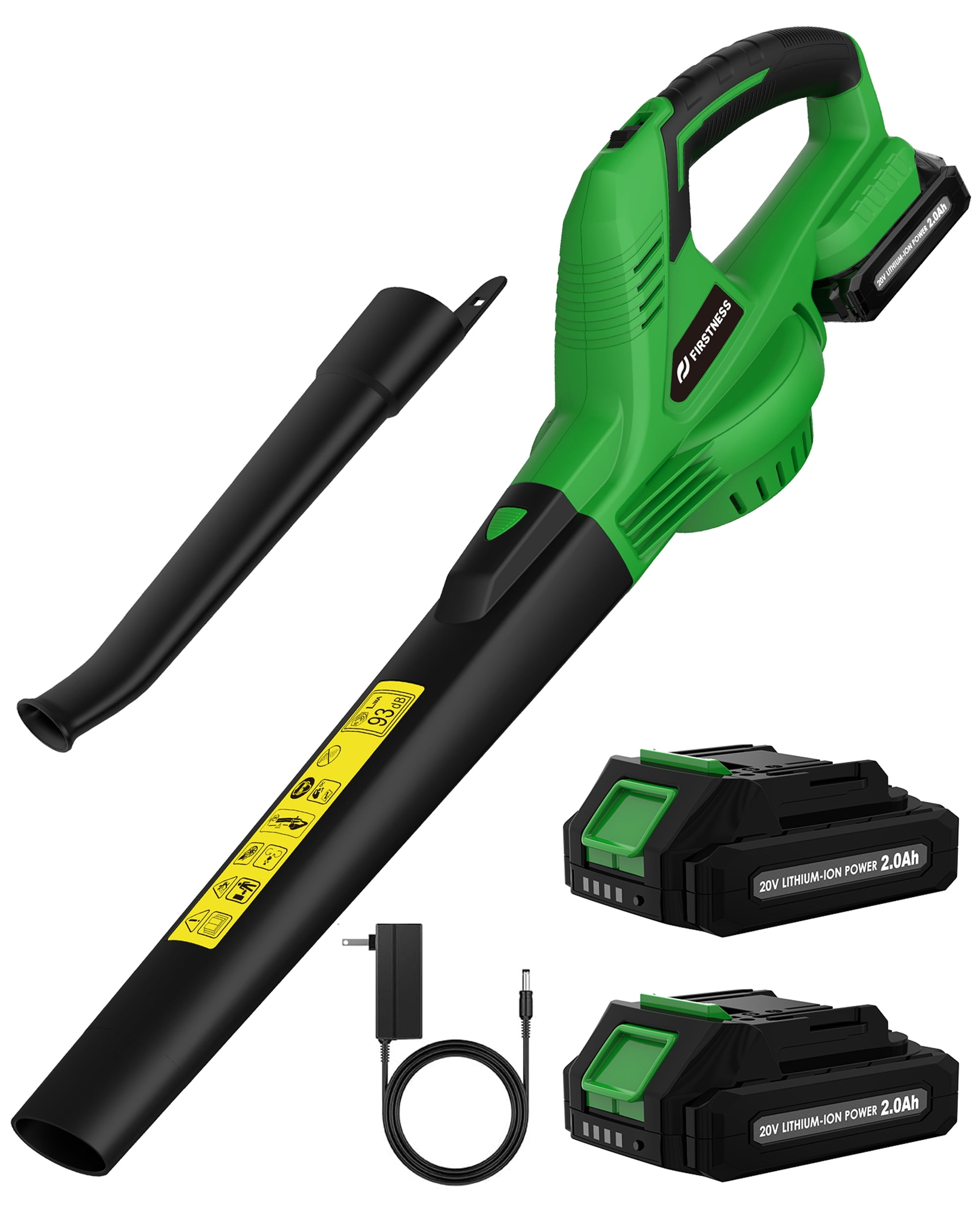
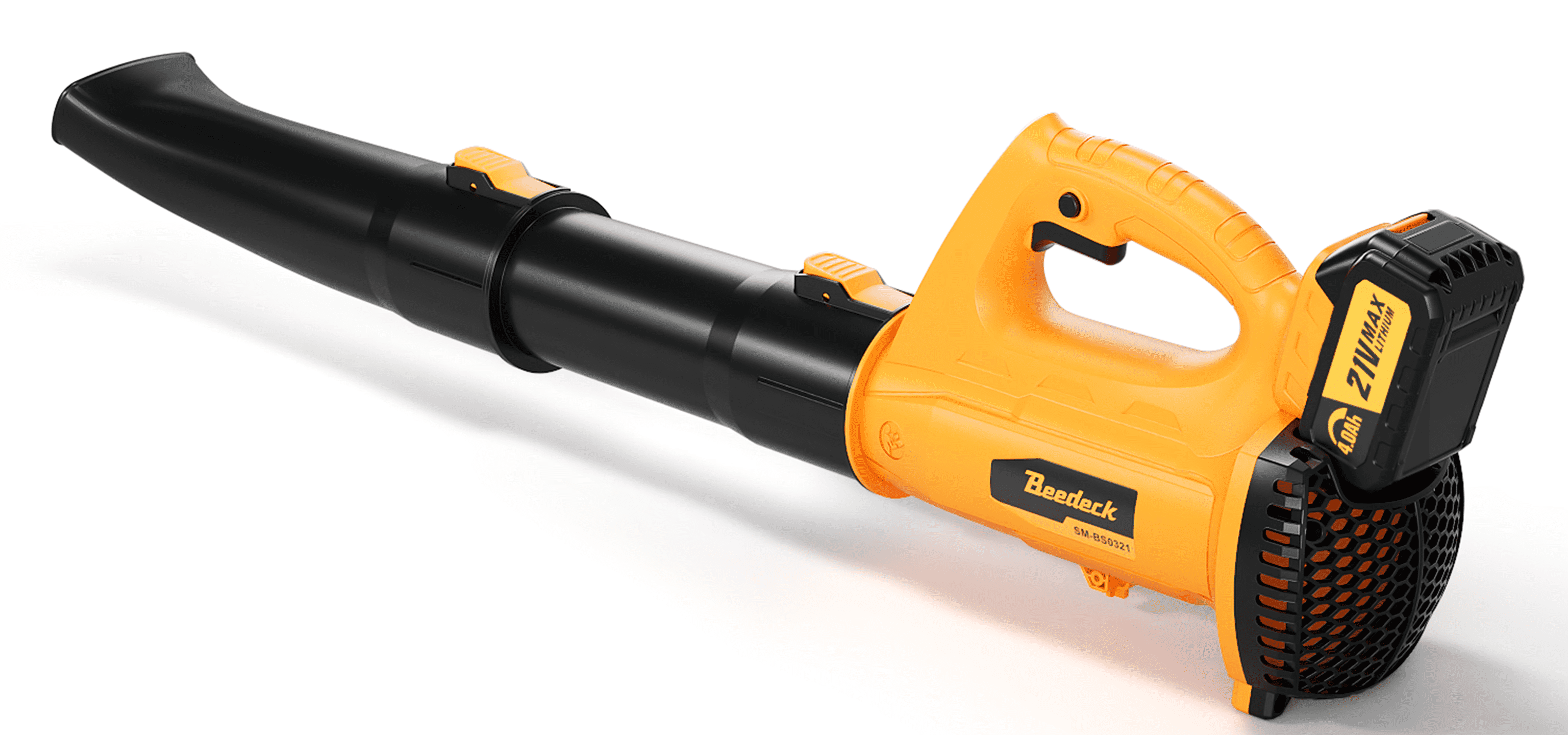
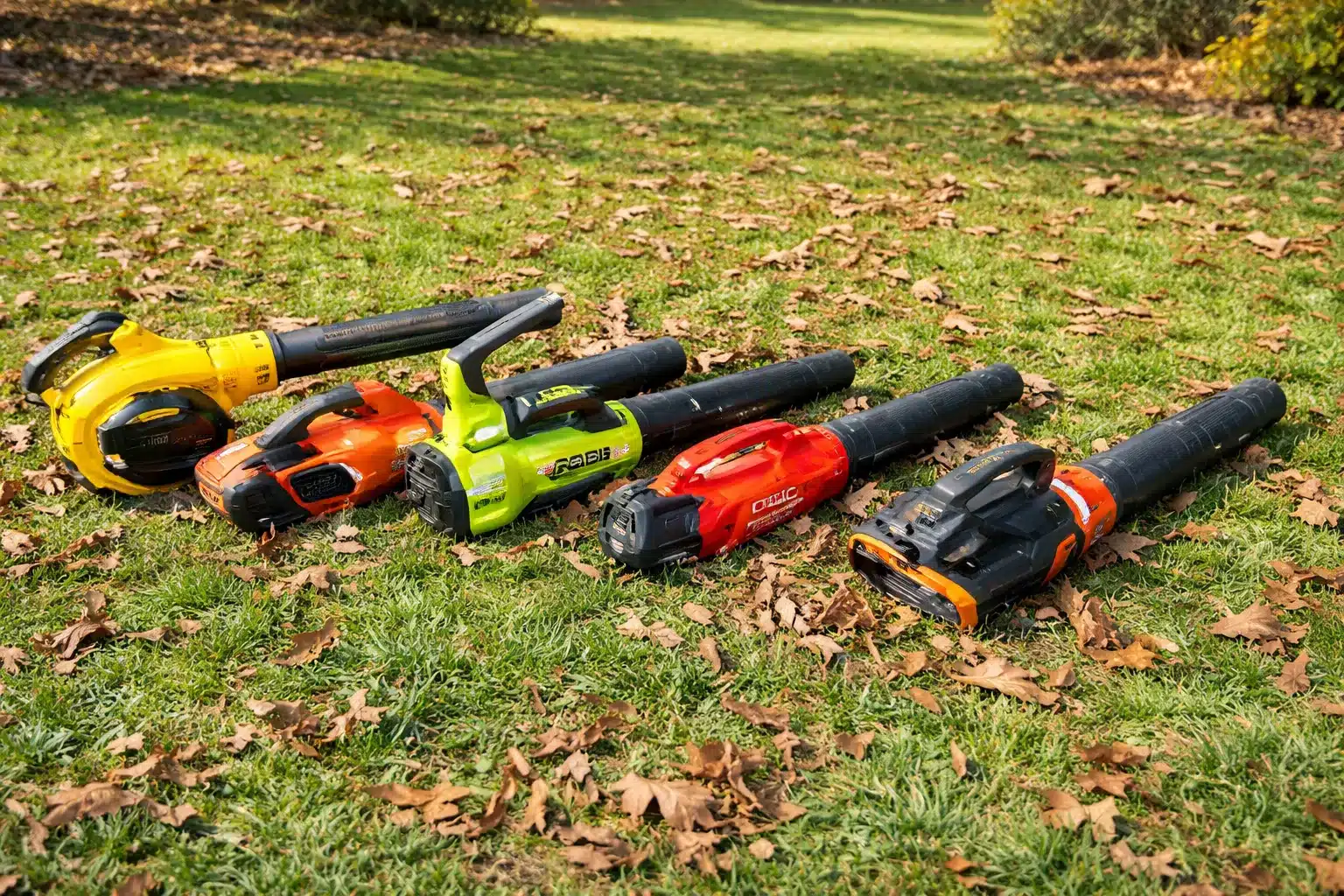
Leaf blowers typically cost between $50 and $500 in the USA, with basic electric models starting around $50, cordless battery models commonly ranging from $100 to $300, and professional gas-powered or backpack models often costing $300 or more.
For homeowners across the United States, the price of a leaf blower depends mainly on the power source, airflow performance, battery system, brand, and intended workload. A small electric blower may be enough for clearing sidewalks and small yards, while larger properties with heavy fall leaf cleanup may require a stronger gas or backpack model.
This guide explains typical leaf blower prices, what affects the cost, and how to choose the right type for your needs. Prices vary by retailer, season, included accessories, and whether batteries or chargers are included, so buyers should compare the complete package rather than only the tool price.
Leaf blower prices vary significantly because different models are designed for different yard sizes and workloads. A homeowner cleaning a small suburban yard has different requirements than a landscaping professional managing multiple properties.
The following price ranges represent common retail categories in the United States. Actual prices may change based on brand, promotions, included accessories, and seasonal demand.
Source: www.bobvila.com
Electric corded leaf blowers
Usually cost about $50 to $150. They are affordable and lightweight but require access to an outdoor power outlet and an extension cord.
Cordless battery leaf blowers
Commonly cost about $100 to $300. Models with larger batteries, higher voltage systems, and stronger airflow generally cost more.
Gas handheld leaf blowers
Often range from $150 to $400. They provide longer operating time and strong airflow but require fuel and regular maintenance.
Backpack leaf blowers
Usually cost $250 to $600 or more. They are designed for extended use and larger areas where comfort and power matter.
Why Leaf Blower Prices Differ
The price difference between models usually comes from motor power, battery capacity, airflow measurements, construction quality, and intended use. A lightweight homeowner model may prioritize convenience, while professional equipment focuses on durability and continuous operation.
Airflow and speed ratings
Higher CFM and MPH ratings often indicate greater blowing capability, especially when moving wet leaves or heavier debris.
Battery system
Cordless blowers may cost more when they include high-capacity batteries and chargers that can also work with other tools from the same platform.
Leaf Blower Cost Comparison Table
Comparing leaf blower categories makes it easier to understand which option matches your yard size, budget, and maintenance expectations.
Source: hitchesguide.com
Budget option
A corded electric blower is usually the lowest-cost choice for small yards and occasional cleanup.
Most common homeowner choice
Cordless battery blowers offer convenience without fuel storage or extension cords.
Heavy-duty option
Gas and backpack blowers are better suited for large properties and frequent cleanup tasks.
Example Total Ownership Costs
The purchase price is only part of the cost. Cordless models may require additional batteries over time, while gas models require fuel, oil, and maintenance supplies. Considering these ongoing expenses can help determine the better long-term value.
Corded electric
Low purchase cost with minimal maintenance expenses.
Battery-powered
Higher upfront cost but convenient operation and lower routine maintenance.
Gas-powered
Higher maintenance needs but often better suited for demanding cleanup jobs.
The right leaf blower depends on the size of your property, the type of debris you need to move, and how often you plan to use the tool. Buying more power than necessary can increase costs without providing meaningful benefits.
Source: walmart.com
Small yards
A lightweight electric or cordless blower is usually enough for driveways, patios, and small lawns.
Medium residential properties
A mid-range cordless or handheld gas blower can handle seasonal leaf cleanup more efficiently.
Large properties
Backpack or commercial-grade blowers may be more practical for moving large volumes of leaves.
Important Features That Affect Price
Before buying, consider the features that influence both performance and cost. A higher-priced blower may provide better comfort or longer operation, but those benefits matter most when they match your specific needs.
Variable speed control
Allows users to adjust airflow for delicate areas like flower beds or stronger cleaning tasks.
Battery compatibility
Using a shared battery platform with other outdoor tools can reduce future equipment costs.
Weight and ergonomics
A lighter blower may be easier to handle during longer cleanup sessions.
Common Mistakes When Buying a Leaf Blower
Many buyers focus only on the lowest purchase price and overlook factors that affect performance and long-term cost. Understanding common mistakes can help prevent buying a tool that does not fit the job.
Source: hitchesguide.com
Choosing based only on price
The cheapest model may lack enough power for wet leaves, large yards, or frequent use.
Ignoring battery costs
Some cordless blowers are sold as tool-only units, meaning the battery and charger must be purchased separately.
Buying too much power
A commercial blower may be unnecessary for homeowners with small cleanup areas.
Leaf Blower Safety Considerations
Leaf blowers can create strong airflow and noise levels, so users should follow manufacturer safety instructions. Wearing eye protection and hearing protection is recommended, especially during longer jobs or when using powerful gas models.
Protective equipment
Use safety glasses and hearing protection when appropriate.
Debris awareness
Avoid directing airflow toward people, pets, vehicles, or fragile surfaces.
How to Get the Best Value When Buying a Leaf Blower
The best value comes from matching the blower type to your actual yard maintenance needs. A moderately priced tool that fits your workload can be a better investment than an expensive model with unused features.
Source: testedgearhub.com
Compare complete packages
Check whether batteries, chargers, tubes, and accessories are included before comparing prices.
Consider seasonal sales
Outdoor power equipment prices may change during major shopping periods and seasonal promotions.
Think about future tools
A shared battery platform may reduce costs if you plan to buy other compatible equipment later.
Frequently Asked Questions
Q
How much does a basic leaf blower cost?
A basic leaf blower usually costs around $50 to $150. These models are generally designed for light tasks such as clearing driveways, sidewalks, and small yards.
Q
Are cordless leaf blowers more expensive than gas models?
Cordless leaf blowers can be less expensive or more expensive than gas models depending on the battery system, power level, and included accessories. Higher-capacity batteries often increase the total cost.
Q
How long does a leaf blower usually last?
The lifespan of a leaf blower depends on build quality, maintenance, frequency of use, and operating conditions. Proper storage and regular maintenance can help extend the usable life of both electric and gas models.
Q
Is an expensive leaf blower worth it?
An expensive leaf blower can be worthwhile for users with large properties, frequent cleanup needs, or professional workloads. For occasional small-yard cleanup, a lower-cost model may be sufficient.
Q
What is the cheapest type of leaf blower to own?
Corded electric blowers usually have the lowest upfront and maintenance costs because they do not require fuel or replacement batteries.
✦ Wrapping Up
Conclusion
Leaf blowers generally cost between $50 and $500 or more in the United States, depending on the type, power source, and features. The right choice depends on your yard size, cleanup frequency, and budget.
Before buying, consider the total ownership cost, including batteries, fuel, maintenance, and accessories. Choosing a blower that matches your actual needs will usually provide better long-term value than simply choosing the cheapest or most powerful option.
💡 Key Takeaway
Choose a leaf blower based on your property size and cleanup needs first, then compare complete costs rather than only the advertised tool price.
When your Toro lawn mower not starting ruins a weekend mowing plan, it can feel like your trusty machine has betrayed you. You pull the cord again and again—nothing. The good news? Most Toro mowers fail to start for simple reasons: stale fuel, a dirty air filter, a bad spark plug, or an overlooked safety…
When your lawn mower’s pull cord snaps, frays, or refuses to retract, it feels like the start of a long, hot battle with the grass. You stand there, handle in hand, staring at the mower as if it betrayed you. And in a sense, it has. A broken or jammed pull cord means your Toro…
Learn how to operate a zero turn mower safely and efficiently. This guide explains controls, starting procedures, driving techniques, mowing patterns, safety tips, and common mistakes.
Learn how to sharpen push mower blades safely and effectively. This guide explains tools, preparation, sharpening methods, blade balance checks, common mistakes, and maintenance tips for better lawn cutting results.
When your lawn mower deck is not engaging, it’s like planning a perfect weekend mow only to find your blades refusing to spin. The engine hums, the wheels move, but the grass stays untouched. Frustrating, right? You’re not alone—this is one of the most common issues lawn owners face every mowing season. Whether you use…