To use a gas lawn mower, prepare the mower, add the correct fuel, check safety controls, start the engine properly, mow using steady passes, and clean and maintain the machine after use.
Across the United States, gas lawn mowers remain a common choice for homeowners maintaining yards ranging from small suburban lawns to larger properties. Using one correctly helps create a cleaner cut, reduces unnecessary engine strain, and improves safety during routine lawn care.
A gas lawn mower is simple to operate once you understand the basic process: inspect the mower, fill it with suitable gasoline, start the engine safely, adjust your mowing approach for lawn conditions, and perform basic maintenance. This guide explains each step so beginners can confidently operate a gas-powered mower while avoiding common mistakes.
Before operating a gas lawn mower, gather the necessary supplies and check the machine’s condition. A quick inspection can prevent starting problems, poor cutting performance, and avoidable safety issues.
Most walk-behind gas lawn mowers require gasoline, engine oil, a fuel container approved for gasoline storage, and basic protective equipment. The exact requirements vary by mower model, so the owner’s manual should be the final reference for fuel type, oil specifications, and operating instructions.
Source: YouTube > Husqvarna USA
Fresh gasoline
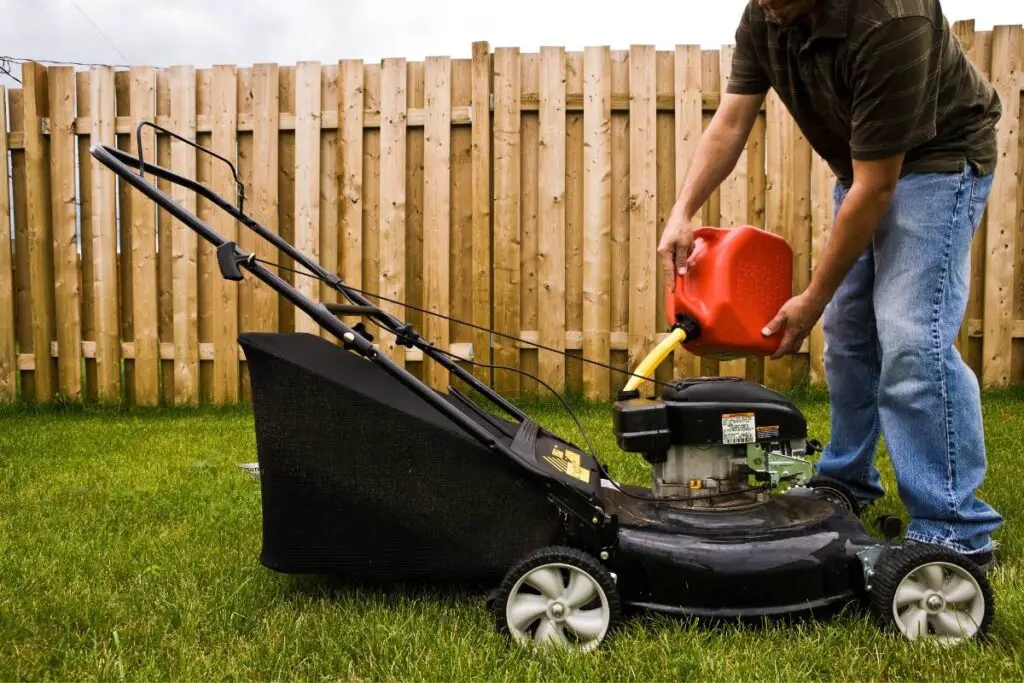
Use gasoline recommended by the mower manufacturer. Many small engines are designed to operate on regular unleaded gasoline, but fuel requirements can vary.
Engine oil
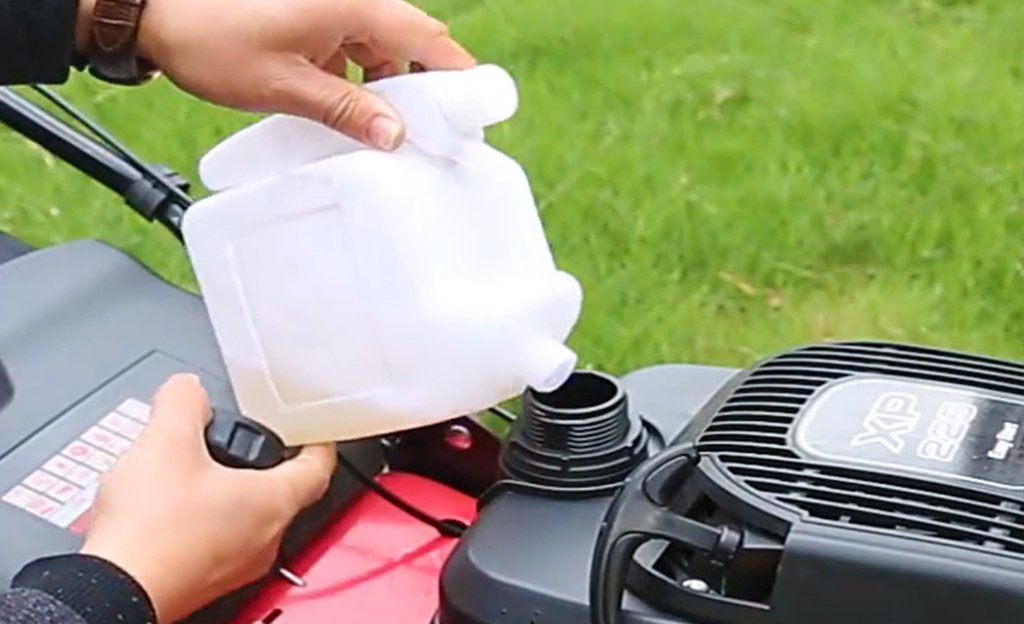
Check the oil level before mowing because running a small engine with insufficient oil can cause serious damage.
Safety equipment
Wear closed-toe shoes, eye protection, and hearing protection when needed, especially during longer mowing sessions.
Check the Mower Before Starting
Inspect the mower deck, wheels, blade area, fuel tank, and controls before each use. Remove grass buildup from previous mowing sessions and make sure the discharge area is clear.
Look for damage
Do not operate the mower if important parts such as the blade, handle, or safety controls appear damaged.
Check fluids
Verify that the fuel and oil levels are appropriate before starting the engine.
How to Start a Gas Lawn Mower Step by Step
Starting a gas lawn mower usually involves preparing the fuel system, engaging the safety controls, and allowing the engine to warm up briefly before cutting grass. The exact starting process depends on the mower design.
Many traditional push mowers use a primer bulb and a pull-start cord, while some newer models include electric start systems. Always follow the starting procedure listed by the manufacturer.
Source: www.youtube.com > Chris Works Outside
Move the mower to a safe area
Start the mower outdoors on a flat surface away from children, pets, and objects that could be thrown by the blade.
Prepare the controls
Hold the safety handle or engage the required control mechanism before attempting to start the engine.
Start the engine
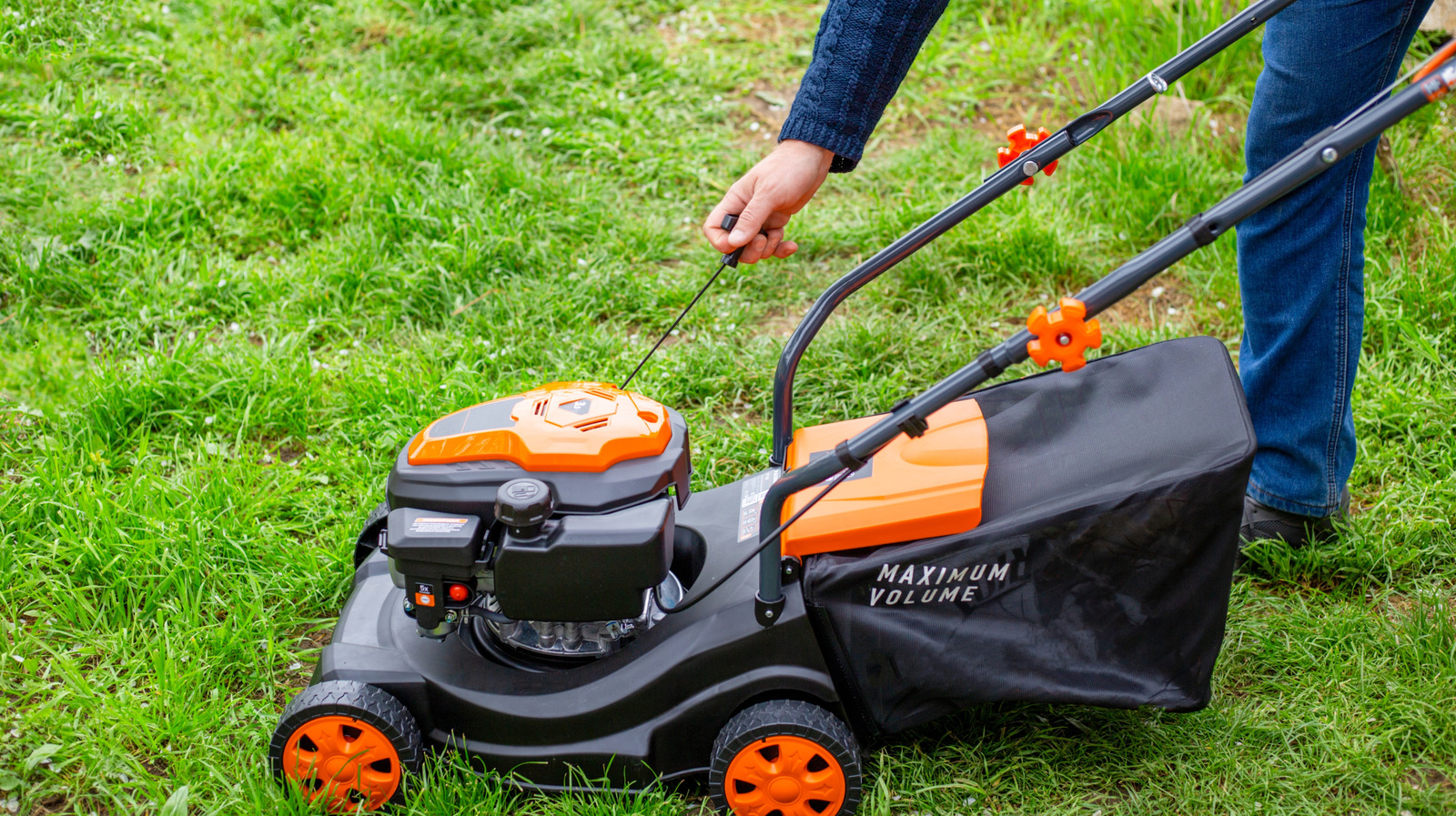
Use the primer bulb or choke settings if your mower requires them, then pull the starter cord or use the electric start button.
A mower that does not start is often caused by simple issues such as old fuel, an incorrect starting procedure, a dirty air filter, or a problem with the spark plug.
Check fuel
Confirm that the tank contains fresh gasoline and that the fuel valve, if equipped, is open.
Check the air filter
A clogged air filter can restrict airflow and prevent proper engine operation.
How to Mow Grass Properly With a Gas Lawn Mower
After the engine starts, guide the mower across the lawn using steady movements and avoid cutting more grass than the mower can handle. Proper mowing technique improves lawn appearance and reduces stress on the engine.
The best mowing approach depends on grass type, lawn condition, and weather. Cutting dry grass and maintaining a suitable mowing height usually produces better results than mowing wet or excessively tall grass.
Source: landscaping.wonderhowto.com
Mow in straight patterns
Use overlapping passes to avoid missed strips and maintain an even appearance.
Avoid cutting too much at once
Removing too much grass height can stress both the lawn and the mower.
Change mowing direction
Alternating directions between mowing sessions can help prevent soil compaction and uneven growth.
How to Handle Slopes and Uneven Ground
Use extra caution on slopes because gas lawn mowers can become difficult to control on steep or slippery surfaces. Follow the manufacturer’s slope recommendations and maintain stable footing.
Keep control of the mower
Move at a comfortable pace and avoid pulling the mower backward toward your feet.
Common Gas Lawn Mower Mistakes to Avoid
Many lawn mower problems come from incorrect fuel handling, poor maintenance, or unsafe operating habits. Avoiding these mistakes can extend mower life and improve reliability.
Fuel that sits too long can degrade and may contribute to starting or performance problems.
Mowing wet grass
Wet grass can clog the mower deck, create uneven cuts, and make operation more difficult.
Ignoring maintenance
Cleaning, blade maintenance, oil checks, and air filter care are necessary for consistent performance.
Refueling a hot engine
Allow the engine to cool before adding gasoline to reduce fire risk.
Gas Lawn Mower Operation Problems and Solutions
When a gas lawn mower does not perform correctly, identify the symptom first and then check the most common causes. Avoid disassembling engine components unless you understand the repair process or have professional guidance.
Source: litagarden.com
Mower starts but stops
Possible causes include old fuel, restricted airflow, a dirty carburetor, or insufficient fuel flow.
Stop using the mower and inspect for blade damage, loose components, or debris around moving parts.
Frequently Asked Questions
Q
How often should I check the oil in a gas lawn mower?
Check the oil level before regular mowing sessions, especially before longer jobs. Follow the mower manufacturer’s maintenance schedule for oil changes and inspection intervals.
Q
Can I use regular gasoline in a gas lawn mower?
Many gas lawn mowers are designed to use regular unleaded gasoline, but the correct fuel depends on the engine manufacturer’s specifications. Check the owner’s manual before filling the tank.
Q
Why does my gas lawn mower smoke?
Smoke can result from issues such as excess oil, oil entering the combustion area, or engine problems. If smoke continues after basic checks, professional inspection may be needed.
Q
Should I empty gas from my lawn mower after mowing season?
For seasonal storage, many manufacturers recommend preparing the fuel system according to the owner’s manual. Proper storage can help prevent fuel-related starting problems.
Q
How long should a gas lawn mower last?
A gas lawn mower’s lifespan depends on build quality, usage frequency, maintenance, storage conditions, and repair history. Regular maintenance generally helps extend useful life.
✦ Wrapping Up
Conclusion
Using a gas lawn mower correctly involves more than pulling the starter cord and pushing across the yard. Proper preparation, safe starting practices, effective mowing techniques, and regular maintenance all contribute to better results.
By following the correct operating steps and addressing problems early, homeowners can keep their gas lawn mower working efficiently throughout the mowing season.
💡 Key Takeaway
Before every mowing session, inspect the mower, confirm fuel and oil levels, start it safely, mow with controlled passes, and complete basic cleanup and maintenance afterward.
It’s a bright Saturday morning, the grass is waving at you, and your trusty DeWalt gas mower sits waiting. You pull the cord—nothing. You press the electric start—silence. That sinking feeling in your stomach grows. You’re not alone; “DeWalt Gas Lawn Mower Not Starting” is one of the most common issues homeowners face during mowing…
Learn how old gas in a lawn mower affects engine performance, how to identify bad fuel, remove it safely, and prevent future starting problems with practical maintenance tips.
If your mower has been leaving behind uneven patches, torn grass tips, or brown streaks after mowing, chances are your blade has lost its edge. Replacing it isn’t just about better looks — it’s about keeping your lawn healthy and your mower running smoothly. In my years of working with budget-friendly lawn tools, one name…
A lawn isn’t just a patch of green—it’s an expression of care, patience, and pride. When you step outside on a sunny morning and feel the cool grass under your feet, you know it’s worth every bit of effort. Taking care of your lawn properly in 2026 means understanding the changes in climate, new eco-friendly…
Keeping a well-manicured lawn has always been a mark of pride for homeowners, but in 2025, maintaining your lawn mower properly has become even more essential. As mowers continue to evolve with new technologies and eco-friendly designs, the need for reliable replacement parts grows right alongside them. Whether you own a gas-powered push mower, a…