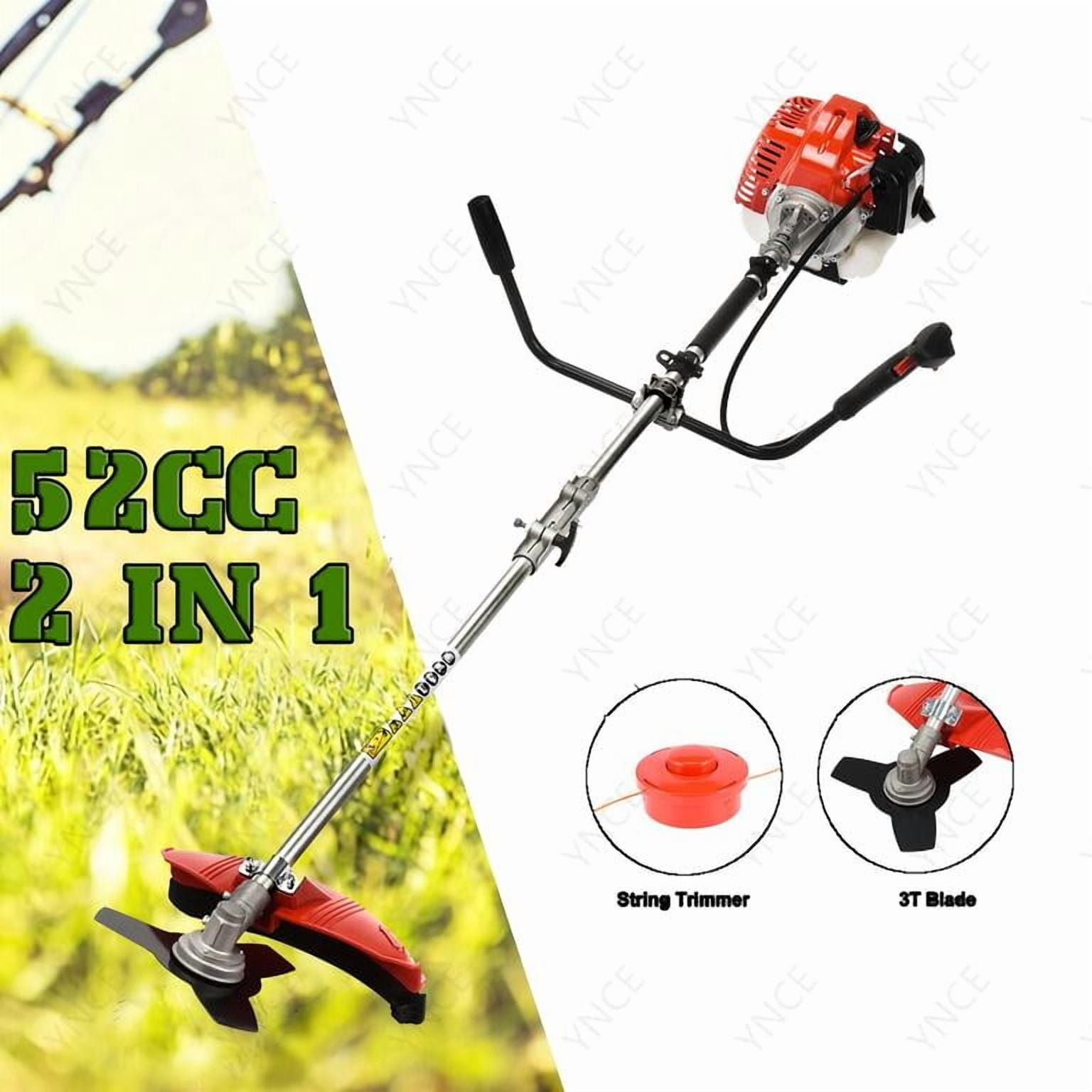
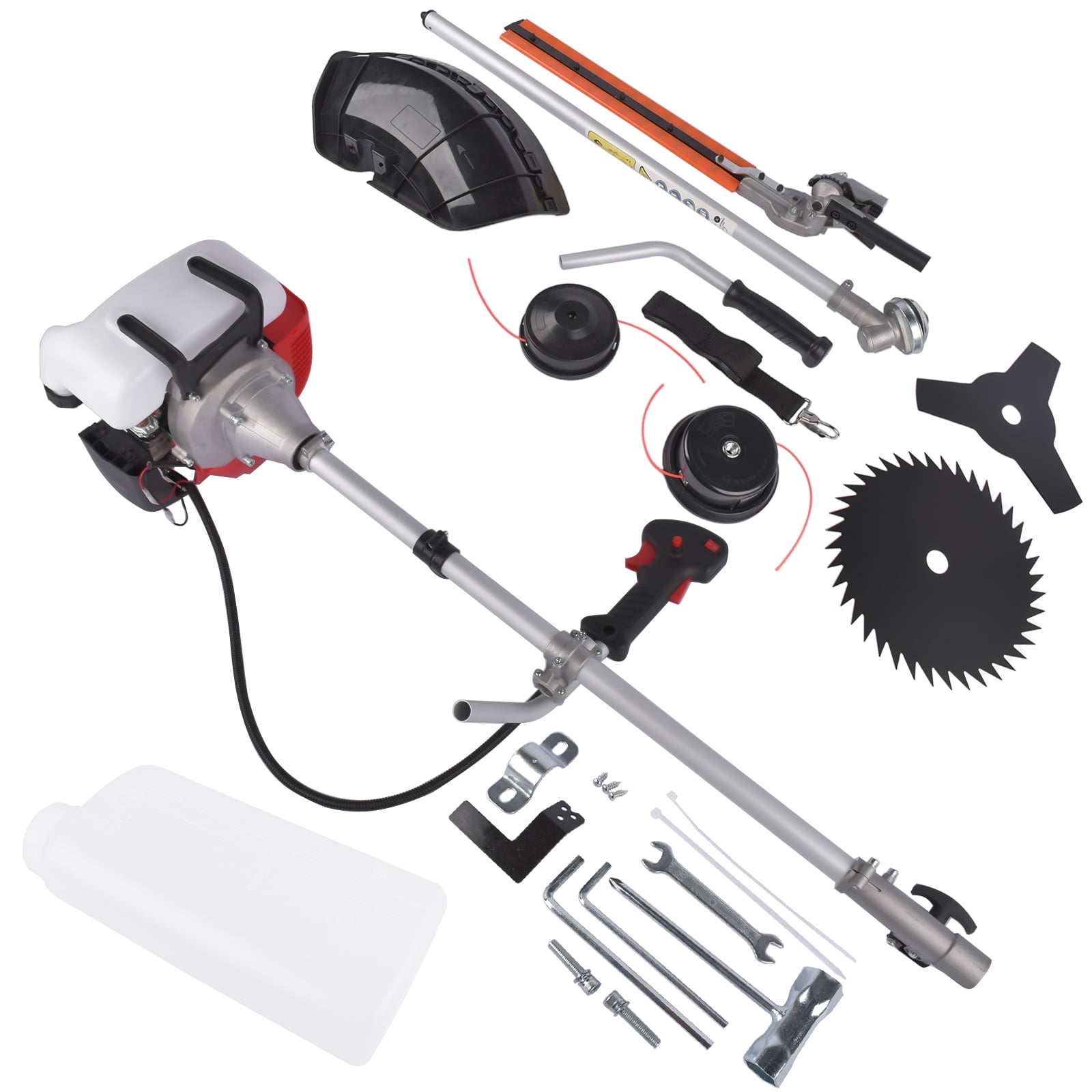
A gas weed wacker typically costs between $100 and $400 in the United States, with basic homeowner models often priced around $120 to $200 and professional-grade models commonly costing $250 or more.
For homeowners across the United States, a gas weed wacker, also called a gas string trimmer or gas weed eater, remains a popular choice for maintaining lawns, fence lines, driveways, and areas where a lawn mower cannot reach. The price you pay depends on engine size, brand, features, durability, and whether the tool is designed for occasional yard work or frequent professional use.
The purchase price is only part of the cost. Gas weed wackers also require fuel, oil for many two-cycle engines, replacement trimmer line, and routine maintenance. Understanding these ongoing expenses helps buyers choose equipment that fits their lawn size, workload, and budget.
A gas weed wacker generally costs between $100 and $400, although prices vary widely depending on the machine’s power and intended use. Entry-level models are designed for homeowners who trim grass occasionally, while higher-priced models offer stronger engines, better durability, and features for demanding lawn care jobs.
A typical homeowner does not need the most expensive gas weed wacker available. The best value usually comes from matching engine power and features to the size of the property and the type of vegetation being cut.
Source: m.media-amazon.com
Budget models: $100 to $150
These models are usually suitable for small yards, light grass trimming, and occasional maintenance. They may have fewer comfort features and lower engine power.
Mid-range models: $150 to $250
Most homeowners choose this category because it provides a balance of power, reliability, and convenience for regular lawn care.
Professional models: $250 to $400 or more
These machines are built for frequent use, larger properties, thicker weeds, and longer operating periods.
What Factors Affect the Price of a Gas Weed Wacker?
The cost of a gas weed wacker is determined by several design and performance factors. Two machines that look similar can have very different prices because of differences in engine quality, materials, and intended use.
Before buying, consider how often you will use the trimmer, the size of your yard, and whether you need extra cutting power for brush or heavy weeds.
Source: i5.walmartimages.com
Engine size
Larger engines usually provide more cutting power but can increase the purchase price, weight, and fuel consumption.
Two-cycle versus four-cycle engine
Two-cycle engines are common because they are lightweight and powerful. Four-cycle engines may run differently and can reduce the need to mix fuel and oil on some models.
Shaft design
Straight-shaft models often provide better reach under obstacles, while curved-shaft models may be lighter and easier for some users to handle.
Attachments and accessories
Multi-function systems that support brush cutting, edging, or hedge trimming attachments usually cost more than basic string trimmers.
Does a More Expensive Gas Weed Wacker Last Longer?
A higher price does not automatically guarantee a longer lifespan, but more expensive models often include stronger components, better vibration control, and engines designed for heavier use. Proper maintenance has a major effect on how long any gas weed wacker lasts.
Maintenance matters
Cleaning the air filter, using the correct fuel mixture, replacing worn line, and storing the machine properly can extend service life.
Additional Costs of Owning a Gas Weed Wacker
The purchase price is only the beginning of gas weed wacker ownership. Operating costs can add up over time, especially for users who trim large properties regularly.
Gas-powered trimmers require gasoline, and many two-cycle models require a gasoline and oil mixture. The amount spent depends on usage frequency and fuel prices.
Replacement trimmer line
String line wears down during normal use and must be replaced regularly, especially when cutting thick grass or weeds.
Maintenance supplies
Air filters, spark plugs, fuel containers, and other maintenance items may be needed during the life of the machine.
Repairs
Carburetor problems, fuel system issues, and engine wear can increase ownership costs as the equipment ages.
How to Choose the Right Gas Weed Wacker for Your Yard
The right gas weed wacker depends on your lawn conditions, not just your budget. A small suburban yard with thin grass requires less power than a large property with thick weeds and brush.
Focus on the features that solve your specific lawn care problems instead of paying for unnecessary power.
Source: i5.walmartimages.com
Small residential yards
A lightweight, lower-cost gas weed wacker is usually enough for trimming edges and maintaining small grassy areas.
Large lawns
A mid-range model with stronger performance can reduce trimming time and handle more frequent use.
Heavy weeds and brush
A higher-powered model with compatible cutting attachments may be more suitable for tougher vegetation.
Many buyers focus only on the lowest purchase price and overlook factors that affect comfort, performance, and long-term costs. Avoiding common mistakes can help you choose equipment that meets your needs.
Source: i5.walmartimages.com
Buying too much power
A large engine can add weight and cost without providing meaningful benefits for a small lawn.
Ignoring maintenance needs
Gas equipment requires regular care, and neglecting maintenance can reduce performance and lifespan.
Choosing based only on price
The cheapest option may not provide the durability or comfort needed for regular use.
Frequently Asked Questions
Q
How much should I spend on a gas weed wacker?
Most homeowners can expect to spend between $150 and $250 for a reliable gas weed wacker. Smaller budgets may work for occasional trimming, while frequent users may benefit from spending more for durability and comfort.
Q
Are gas weed wackers more expensive than electric models?
Gas weed wackers often have a higher upfront and maintenance cost than many electric models, but they can provide longer runtime and strong cutting performance for larger properties.
Q
How much does it cost to run a gas weed wacker?
Operating costs depend on usage, fuel prices, and maintenance requirements. Occasional homeowners may spend relatively little each season, while frequent users will spend more on fuel and replacement parts.
Q
What size gas weed wacker do I need?
A smaller engine is usually enough for regular grass trimming, while larger engines are more useful for thick weeds, brush, and large properties.
Q
Is a gas weed wacker worth buying?
A gas weed wacker can be worth buying if you need strong cutting power, longer runtime, or the ability to handle tougher vegetation. For small yards with light trimming needs, other options may also work well.
✦ Wrapping Up
Conclusion
A gas weed wacker usually costs between $100 and $400, but the right price depends on how you plan to use the machine. Homeowners with basic trimming needs can often find suitable models in the lower or middle price ranges, while larger properties and heavier workloads may justify a more powerful unit.
Consider purchase price, fuel, maintenance, and durability together before making a decision. The best gas weed wacker is the one that provides enough power for your yard without adding unnecessary cost or complexity.
💡 Key Takeaway
Before buying a gas weed wacker, evaluate your yard size, vegetation type, and how often you will use it so you can choose a model that fits your actual lawn care needs.
Nothing ruins a quiet Saturday morning faster than walking out ready to mow and finding your Cub Cadet lawn mower will not start. It feels like planning a family picnic only to discover it is raining right when you set the food down. The grass keeps growing, the day keeps ticking, and suddenly you are…
If you’ve ever been halfway through mowing your yard and suddenly heard that awful squeal followed by silence, you know the frustration of a broken mower belt. The replacement belt for riding lawn mower isn’t just another part—it’s the lifeline that keeps your blades spinning and your lawn looking clean and even. Yet, many homeowners…
When your lawn mower battery stops charging right before a mow, it feels like the universe is playing a cruel joke. You’re ready to get the yard done, the weather’s perfect, and then—click, click—nothing. The good news? You don’t need to panic or rush to buy a new mower just yet. Most lawn mower battery…
Learn what gas to use in a lawn mower, including the right octane rating, ethanol limits, fuel storage tips, and common mistakes that can damage your engine.
A broken or frayed pull cord on your Toro lawn mower can bring your mowing plans to an abrupt halt. No matter how powerful your engine is or how fresh the fuel might be, a damaged pull cord means your mower simply won’t start. But don’t worry — you don’t need to be a small-engine…