


If your lawn mower will start but not run, you’re not alone. It’s one of those annoying problems that can make you want to give up mowing altogether. You pull the cord, it sputters to life, and just as you think it’s ready to roll—it dies within seconds. Frustrating, right? The good news is that most of the time, the cause is simple: stale gas, a dirty air filter, or a clogged carburetor.
This guide breaks down every possible reason your mower starts then stalls—and how to fix it fast. You’ll learn practical, step-by-step methods that actually work, without needing to be a mechanic. Whether it’s a push mower or a riding mower, these fixes apply to almost every small engine. By the end, you’ll understand what’s really happening under the hood and how to get your mower running smoothly again.
Understanding Why a Lawn Mower Starts Then Dies
When your lawn mower starts but won’t stay running, it’s usually because something is interrupting the perfect mix of fuel, air, and spark. Every internal combustion engine relies on these three things to function. Take one away—even slightly—and it won’t run for long.
In most cases, the problem comes down to one of three categories:
- Fuel issues: Old gas, clogged filters, or blocked carburetor jets.
- Air restrictions: A dirty air filter or choke issues.
- Ignition faults: Weak spark plugs or failing coils.
Sometimes, even vacuum leaks, blade overload, or overheating can make the mower stall unexpectedly. Think of it like a person trying to breathe through a blocked nose—it can start, but can’t keep going. That’s exactly what happens when your engine can’t get enough air or fuel.
Common Reasons Your Lawn Mower Will Start But Not Run
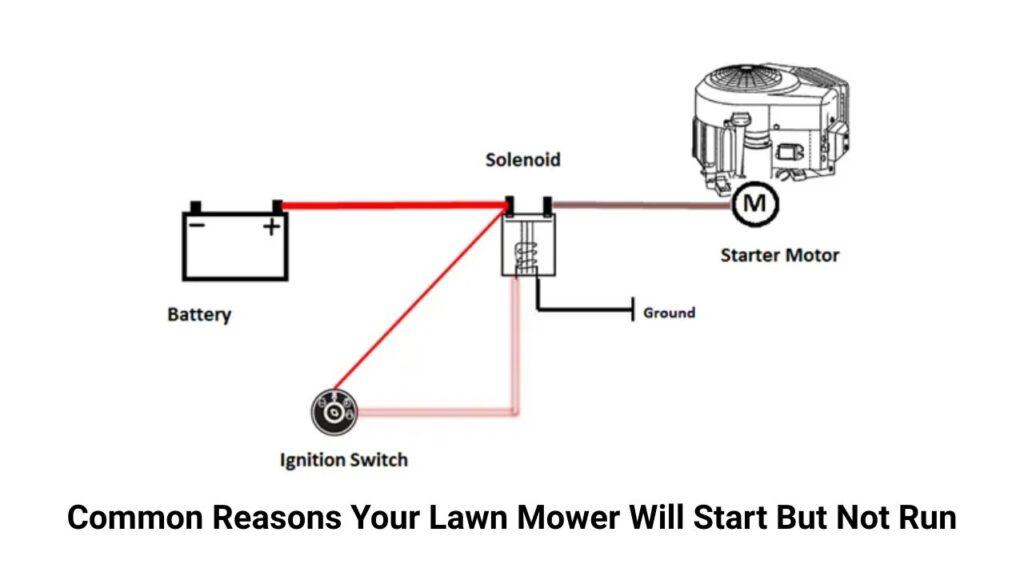
Before diving into the fixes, let’s go over the most frequent culprits. Knowing these helps you narrow down the issue faster.
| Possible Cause | Typical Symptom | Fix Suggestion |
|---|---|---|
| Stale or contaminated fuel | Starts then stalls after 10–30 seconds | Drain old fuel, refill with fresh gas |
| Clogged carburetor jets | Only runs on choke | Clean or replace the carburetor |
| Dirty air filter | Engine suffocates or stalls under load | Clean or replace the air filter |
| Bad spark plug | Rough idle or intermittent stalling | Replace and gap correctly |
| Blocked fuel cap vent | Mower runs with cap loose | Replace gas cap |
| Flooded engine | Strong fuel smell, no start or quick stall | Let dry, adjust choke |
| Low oil shutdown | Engine dies after warming | Refill with proper oil type |
| Overheating | Shuts off after 10–15 minutes | Clean cooling fins, deck, and remove debris |
Each of these problems causes the same symptom: the engine fires up but won’t keep running. Fortunately, most are simple DIY fixes that take less than 30 minutes.
Step 1: Start with the Simple Fixes First
Sometimes, it’s the little things that make all the difference. Before tearing apart your mower, start with these quick checks.
Check and Replace the Air Filter
Your air filter is like the lungs of your lawn mower. If it’s clogged, the engine can’t breathe. A dirty, wet, or oily filter restricts airflow, causing poor combustion and quick stalling.
Remove the filter cover and inspect it. If it’s a paper filter, tap it gently to remove dust. If it’s dark or damaged, replace it. For foam filters, wash with mild soap and water, let it dry completely, then apply a few drops of clean engine oil before reinstalling.
You’d be surprised how often this simple step brings an engine back to life. A fresh filter lets the engine draw clean air, improving fuel burn and stability.
Use Fresh, Clean Fuel
Gasoline degrades quickly—especially fuel with ethanol. After just 30 days, it starts to separate and form sticky varnish that clogs the carburetor jets. If your lawn mower will start but not run, there’s a strong chance you’re dealing with bad fuel.
Drain the old gas completely using a siphon or turkey baster, then refill with fresh, ethanol-free fuel if available. You can also add a fuel stabilizer to prevent future breakdown. For two-stroke engines, make sure the oil mix ratio is correct—too much oil can cause fouling and stalling.
Fresh fuel gives your mower a clean start, and it’s often the fastest, easiest fix for a stalling issue.
Inspect and Replace the Spark Plug
A weak or fouled spark plug can cause erratic firing, which leads to quick shutdowns. Remove the spark plug using a socket wrench and inspect the tip. If it’s black and oily, clean it with a wire brush or replace it entirely.
The spark gap should match your engine’s specs (usually between 0.020–0.030 inches). Always tighten snugly but not excessively. A new spark plug costs less than a cup of coffee and can make a world of difference in how your mower runs.
If your mower starts but stalls randomly, it could be that the spark isn’t strong enough to keep combustion going. A fresh plug restores that stability.
Loosen the Fuel Cap
Here’s a surprisingly common cause that many overlook: a blocked fuel cap vent. The small hole in your gas cap allows air to enter the tank as fuel is used. When this vent gets clogged, a vacuum forms, starving the carburetor of fuel.
Try this simple test: start the mower and loosen the cap slightly. If it keeps running, you’ve found the issue. Replace the cap instead of drilling holes—it’s safer and more reliable.
It’s a small detail, but when your mower keeps dying after a few minutes, this is one of the first things to check.
Step 2: Check the Fuel Delivery System
If your mower only runs on choke or surges before dying, you’re likely dealing with restricted fuel flow. Think of it like sipping through a straw that’s pinched halfway—fuel can’t reach the carburetor fast enough.
Here’s what to do:
Inspect the Fuel Lines and Filter
Turn off the fuel valve (if equipped) and remove the fuel line where it connects to the carburetor. Hold the line over a container and turn the valve on. You should see a steady stream of gas. If the flow is weak or irregular, the fuel filter or line is clogged.
Replace the inline fuel filter, making sure the arrow points toward the carburetor. If the fuel lines are brittle or cracked, replace those too. They’re cheap and easy to install.
A clean fuel path ensures your engine gets the consistent supply it needs to stay running.
Check for Water or Debris in the Fuel Tank
Water in the tank is another silent killer for small engines. Since water is heavier than gasoline, it sinks to the bottom of the tank or carburetor bowl. When it reaches the jets, combustion stops instantly.
Shine a flashlight into the tank—if you see cloudy fuel or droplets at the bottom, drain everything. Refill with clean, dry fuel and run the engine for a few minutes to flush out moisture.
You can also remove the carburetor bowl and inspect it. Any signs of rust or water beads mean it’s time for a thorough cleaning.
Step 3: Clean the Carburetor and Jets (The Most Common Fix)
If you’ve gone through the basics and your lawn mower still starts but won’t stay running, the carburetor is the next suspect. Over time, ethanol and stale fuel leave sticky deposits that block the fine jets and passages inside the carb.
Cleaning it might sound intimidating, but it’s easier than you think. Follow these steps carefully.
Remove the Carburetor
Disconnect the air filter housing and the throttle and choke linkages. Take photos for reference so reassembly is easy. Remove the fuel line and unbolt the carburetor from the engine.
Set it on a clean surface—you don’t want dust or debris getting in while you’re working.
Disassemble and Clean
Remove the float bowl (usually held by a single bolt), then take out the float, pin, and needle. Unscrew the main jet and the emulsion tube—these are the most common blockage points.
Spray carburetor cleaner through every opening until it sprays out the other side. Use compressed air if possible. Avoid metal wires; they can damage the jets. If gaskets or O-rings look cracked or worn, replace them.
You can also soak the carburetor in a dedicated cleaner or use an ultrasonic cleaner for deep carbon removal.
Reassemble and Adjust
Once everything is spotless, put the carburetor back together carefully. Make sure the float moves freely and the bowl gasket seals tightly. Reinstall the carb on the engine and reconnect all linkages.
For adjustable carbs, set the mixture screws to the base setting (usually 1.5 turns out from lightly seated). Start the mower and fine-tune the idle speed once it’s running.
In many cases, this fix alone resolves the issue permanently. A clean carb ensures proper fuel delivery, steady idling, and smoother performance.
Step 4: Check for Ignition and Vacuum Problems
Sometimes, the issue isn’t fuel or air—it’s the spark or airflow balance. When your lawn mower will start but not run, and the carb is clean, check for ignition and vacuum leaks next.
Test Spark Strength
Use an inline spark tester to see if the plug is firing consistently. A healthy spark should be bright blue and steady. If it’s weak or orange, try replacing the spark plug first. If the problem persists, the ignition coil could be failing, especially if it cuts out when the engine is hot.
Coils often break down under heat, causing the engine to stall after warming up. Replacing the coil typically solves this.
Inspect for Air Leaks
Air leaks between the carburetor and engine block can create an uneven air-fuel mix. Check the carb gaskets, intake manifold, and primer bulb for cracks or loosened screws. Replace any damaged seals and tighten bolts evenly to prevent unmetered air from entering the engine.
Step 5: Handle Overload, Overheating, and Safety Shutdowns
If your lawn mower starts but shuts off when you engage the blades, it might not be a fuel or spark issue at all—it could be mechanical overload or overheating. Many homeowners overlook this because it feels more like an engine problem, but in reality, it’s often caused by something as simple as clogged grass buildup or low oil levels.
Inspect the Mower Deck and Blade Condition
Turn off the engine and disconnect the spark plug wire for safety. Then, carefully tilt the mower and check underneath the deck. Wet grass and dirt tend to cake up around the blades, creating drag and resistance. This forces the engine to work harder than it should, which can cause stalling.
Clean the underside thoroughly with a scraper or stiff brush. Inspect the blade for dull edges, bends, or chips. A bent blade can unbalance the crankshaft, while a dull one makes the mower labor excessively. Sharpen or replace the blade if needed, and make sure it’s torqued to the manufacturer’s specs.
A clean deck and balanced blade can make your mower run smoother, use less fuel, and avoid premature shutdowns.
Avoid Overworking the Engine
Sometimes, the issue is simply that you’re pushing the mower too hard. Trying to cut tall or wet grass at a low deck height strains the motor and can cause it to bog down or stall. Instead, mow gradually—take off the top third of the grass first, then lower the height if needed for a cleaner finish.
This might sound basic, but cutting technique plays a big role in mower performance. Think of it like running uphill—you can’t sprint at full speed without pacing yourself. Your mower works the same way.
Check for Overheating and Airflow Blockages
If your mower shuts off after 10–15 minutes and restarts after cooling, it’s likely overheating. Grass clippings, dust, and debris can block the cooling fins around the engine. Remove the shroud and clean the fins with compressed air or a soft brush. Also, inspect the recoil screen and exhaust area for buildup.
Keeping the cooling system clean ensures proper air circulation, prevents vapor lock, and helps the engine maintain consistent operating temperature.
Monitor Oil Levels
Engines equipped with an oil sensor automatically shut down when levels are too low to prevent damage. Check the dipstick before each mowing session. Use the recommended oil viscosity—SAE 30 for warm weather or 10W-30 for varied temperatures.
Low or dirty oil doesn’t just cause shutdowns—it can damage internal parts and shorten engine life. A simple top-up or oil change often restores proper operation immediately.
How to Prevent Your Lawn Mower from Starting but Not Running Again
Once you’ve fixed your mower, you’ll want to keep it that way. Regular maintenance prevents most stalling issues and extends the life of your engine.
Here are practical habits that make a huge difference:
- Use fresh fuel every season. Don’t rely on old gas from last year.
- Add a stabilizer if you expect the mower to sit for more than 30 days.
- Replace the air filter and spark plug annually. It’s inexpensive preventive care.
- Drain or stabilize fuel before winter storage. Run the mower for 5 minutes to circulate treated fuel through the carburetor.
- Clean the deck and cooling fins regularly. This prevents overheating and airflow restriction.
- Replace fuel lines and filters every 2–3 seasons. They harden and clog over time.
Keeping up with these small tasks can save you hours of frustration later—and it only takes 10–15 minutes after each mowing season.
Pro-Level Maintenance and Troubleshooting Tips
If you’re serious about getting your mower to run like new, these extra steps will take your maintenance game to the next level.
- Install a fuel shutoff valve. It allows you to stop fuel flow for storage or servicing the carburetor without draining the tank.
- Use ethanol-free gas whenever possible. It stores better and leaves less residue in the carburetor.
- Label your gas can with the purchase date. This helps you track fuel freshness.
- Invest in an ultrasonic cleaner. It’s the best way to deep-clean carburetors without harsh scrubbing.
- Keep a spare spark plug handy. Swapping it quickly helps diagnose ignition problems.
- Never drill holes in the gas cap. Always replace a clogged one—it’s safer and prevents fire hazards.
A little preparation goes a long way. Many homeowners find that once they start maintaining their mowers with these small upgrades, engine stalling problems almost disappear.
When It’s Time to Call a Professional
Sometimes, despite your best efforts, your lawn mower will start but not run no matter what you try. That’s when it’s time to bring in a professional. There’s no shame in calling for help—especially if it saves you from damaging the engine.
Here’s when you should consider professional service:
- You’ve cleaned the carburetor but it still dies shortly after starting.
- You suspect a bad ignition coil that fails once the engine heats up.
- The mower runs rough and burns oil, which may mean worn valves or rings.
- There’s persistent fuel leakage around the carb or tank area.
- Riding mower safety switches or PTO wiring are causing shutdowns.
Typical Repair Costs
| Service Type | Average Cost (USD) |
|---|---|
| Carburetor cleaning or rebuild | $60–$120 |
| New carburetor installed | $80–$160 |
| Ignition coil replacement | $80–$150 |
| Diagnostic inspection | $50–$100 |
If your mower is under warranty, avoid major disassembly—replacing filters, plugs, or fuel is fine, but internal repairs could void coverage. Always check your warranty terms before you start taking parts off.
Alternative Options if Fixes Don’t Work
If your mower continues to start and stall, even after trying all the methods above, you might need to rethink your setup. Some engines simply reach the end of their service life, or ethanol buildup causes repeated carburetor failure.
Here are a few smart alternatives:
| Solution | Pros | Cons | Best For |
|---|---|---|---|
| New Carburetor Replacement | Quick, affordable, reliable fix | Must match your model | Repeated clogging issues |
| Ethanol-Free Fuel or Pre-Mixed Alkylate Fuel | Long shelf life, no moisture issues | Higher cost | Seasonal users or infrequent mowing |
| Switch to an Electric Mower | Instant start, no gas or oil maintenance | Battery cost, limited runtime | Small–medium lawns, homeowners seeking convenience |
Sometimes the easiest way to end endless carburetor problems is to install a new one—many aftermarket units cost as little as $15–$40. And if you’re tired of dealing with gas engines altogether, modern electric mowers have come a long way—they’re quiet, eco-friendly, and need almost no maintenance.
Frequently Asked Questions (FAQs)
1. Why does my lawn mower only run on choke?
If your mower runs only when the choke is on, the main jet or emulsion tube in your carburetor is likely clogged. The choke compensates by adding more fuel to the mixture. Clean the carb thoroughly or replace it for best results.
2. Can bad gas cause a mower to start and die?
Absolutely. Gasoline that’s more than 30 days old can degrade and absorb moisture, especially ethanol blends. This causes poor combustion and engine stalling. Drain old fuel, clean the bowl, and refill with fresh gas mixed with stabilizer.
3. What if my mower dies after removing the choke?
That usually means the carburetor isn’t providing enough fuel once the choke opens. It’s another sign of a dirty jet or restricted fuel flow. Cleaning or rebuilding the carb is the most effective fix.
4. Why does my mower stall when engaging the blades?
This often points to blade overload—either from built-up grass, dull blades, or a low cutting height in thick grass. Clean the deck, sharpen or replace the blades, and raise the cutting height.
5. How can I tell if my gas cap is the problem?
Loosen the gas cap while the engine is running. If it suddenly runs smoothly, the cap vent is clogged, creating a vacuum lock. Replace the cap with a new one—never drill holes as a “DIY fix.”
6. My mower stalls after warming up—what’s wrong?
A failing ignition coil is the most common reason. Coils can lose efficiency as they heat up, causing intermittent spark failure. Test spark after warm-up and replace the coil if it’s weak or inconsistent.
7. How often should I replace my air filter and spark plug?
Replace your air filter every season or after 25 hours of use. Replace the spark plug once a year or every 100 hours of operation for reliable starting and smoother running.
8. Is it better to rebuild or replace a carburetor?
For most walk-behind mowers, replacing the carburetor is faster and cheaper. A new aftermarket carb often costs less than $40. However, if your mower uses an expensive OEM carb, a rebuild kit might be more economical.
Final Thoughts: Getting Your Lawn Mower Running Smooth Again
When your lawn mower will start but not run, it’s easy to feel discouraged. But once you understand the root causes, the fix is usually simple. Start small—replace the air filter, use fresh fuel, and check the spark plug. If that doesn’t work, move on to cleaning the carburetor or replacing the fuel filter.
Most issues come down to fuel, air, or spark—and once those are in balance, your mower will run like new. Always remember to maintain it regularly: clean the deck, change oil, and store it properly for winter. Those small habits prevent 90% of future breakdowns.
