You can sharpen mower blades with an angle grinder by removing the blade, cleaning it, wearing proper safety gear, matching the original cutting angle, grinding small amounts of metal, and checking blade balance before reinstalling it.
For homeowners across the United States, a dull lawn mower blade can turn a routine Saturday yard job into a frustrating chore. A blade that is not sharp enough may tear grass instead of cutting it cleanly, leaving uneven patches and increasing mowing effort. Sharpening the blade with an angle grinder is a practical maintenance task when done correctly.
An angle grinder removes damaged metal quickly and can restore a worn cutting edge, but it requires careful control. The goal is not to create a razor-sharp edge or change the blade design. The goal is to restore the manufacturer’s original cutting angle while keeping the blade shape, strength, and balance intact.
What You Need Before Sharpening a Mower Blade With an Angle Grinder
Before starting, gather the correct tools and safety equipment. An angle grinder is powerful enough to reshape mower blade metal quickly, so preparation helps prevent injuries and mistakes.
Most residential mower blades can be sharpened with a standard angle grinder and a suitable grinding wheel. However, always inspect the blade first because some damage cannot be corrected through sharpening.
Source: www.msn.com
Safety equipment
Wear safety glasses or a face shield, hearing protection, work gloves, and sturdy clothing to protect against sparks and metal fragments.
Angle grinder setup
Use a properly functioning angle grinder with a suitable grinding disc designed for metal work.
Blade removal tools
Prepare a wrench or socket set that fits the mower blade bolt, along with a block of wood or blade holder to secure the blade.
Balancing tool
Use a blade balancer or another reliable method to confirm the sharpened blade has equal weight on both sides.
Inspect the Blade Before Sharpening
Check the mower blade for cracks, bends, large chips, and excessive rust. A damaged blade should be replaced instead of repaired because grinding cannot restore structural strength.
Safe to sharpen
A blade with a dull edge, minor nicks, or normal wear is usually suitable for sharpening.
Replace instead
A blade with cracks, severe bending, missing sections, or heavy corrosion should not be reused.
Step-by-Step: How to Sharpen Mower Blades With an Angle Grinder
Sharpening a mower blade with an angle grinder involves removing the blade, securing it safely, grinding the cutting edge evenly, and checking the final result. Work slowly because an angle grinder can remove metal much faster than a file.
The cutting edge should remain consistent with the original blade design. Removing too much material can weaken the blade or change how the mower cuts grass.
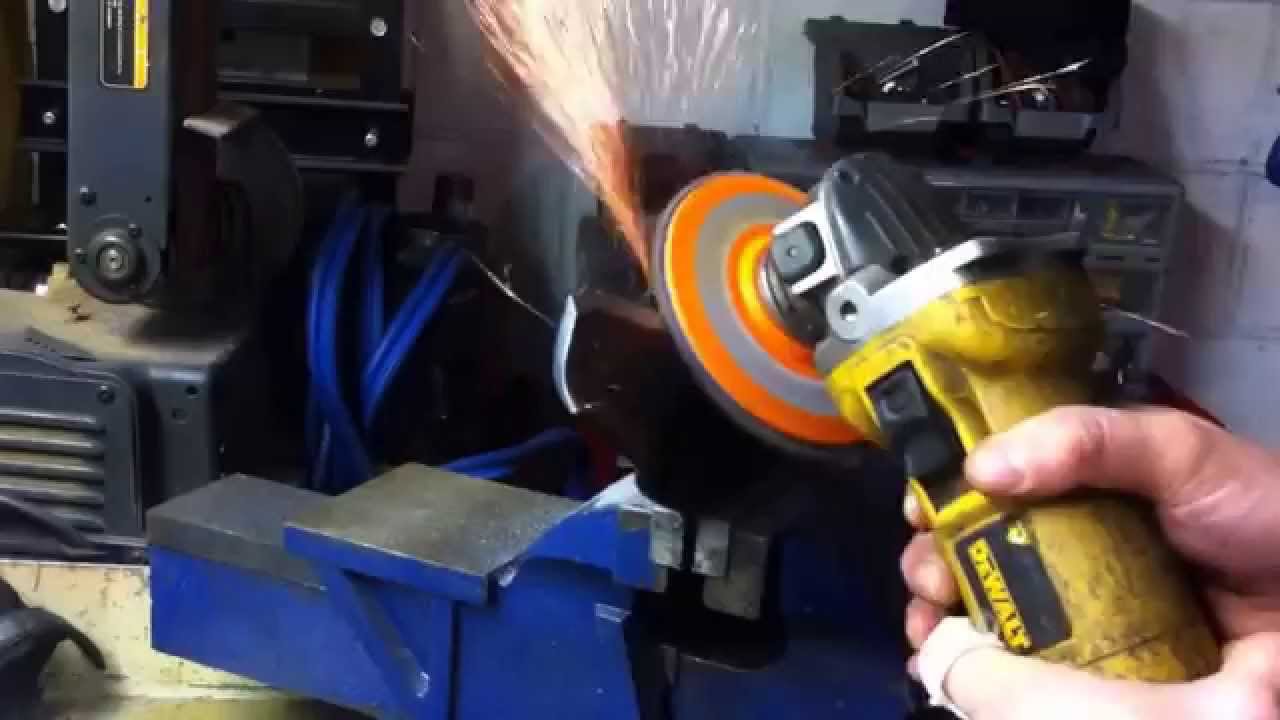
Source: YouTube > Sir Eric Thompson
Step 1: Disconnect the mower
For gas mowers, disconnect the spark plug wire. For electric or battery mowers, remove the battery or unplug the power source before working.
Step 2: Remove the blade
Tilt the mower safely, secure the blade to prevent movement, and remove the blade bolt while noting the blade orientation.
Step 3: Clean the blade
Remove grass buildup, dirt, and rust so the cutting edge is visible during sharpening.
Step 4: Sharpen the cutting edge
Hold the grinder at the existing blade angle and move it along the edge using smooth passes instead of grinding aggressively in one spot.
Step 5: Check balance
Place the blade on a balancer. If one side drops lower, remove small amounts of metal from the heavier side until balanced.
Step 6: Reinstall the blade
Install the blade in the correct direction and tighten the bolt according to the mower manufacturer’s specifications.
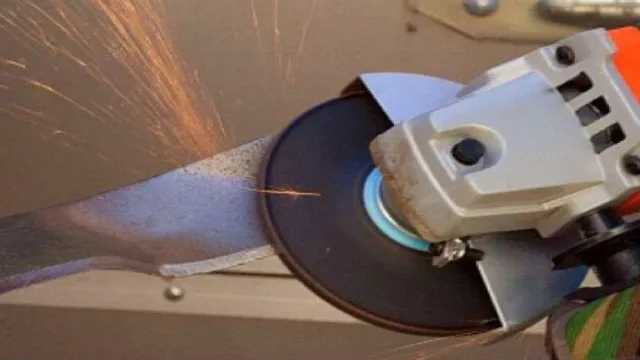
The grinder should follow the existing bevel on the blade rather than cutting a new angle. Keep steady pressure and avoid forcing the wheel into the metal because excessive heat can damage the blade edge.
Use light pressure
Let the grinder do the work instead of pushing hard against the blade.
Avoid overheating
If the blade becomes very hot, allow it to cool before continuing to prevent weakening the metal.
How to Know If the Mower Blade Is Sharpened Correctly
A properly sharpened mower blade should have a clean, even cutting edge without major nicks or uneven grinding marks. The blade does not need to be razor sharp because a slightly durable edge lasts longer under normal mowing conditions.
The most important signs of success are consistent sharpening on both ends, correct balance, and improved grass cutting performance after installation.
Source: ourhometools.com
Clean cutting edge
The edge should look uniform and free from large damaged areas.
Balanced blade
The blade should remain level on a balancer instead of dropping heavily to one side.
Better mowing results
A properly sharpened blade typically produces cleaner grass cuts and reduces ragged grass tips.
How Often Should You Sharpen a Mower Blade
Many homeowners sharpen mower blades about once or twice per mowing season, but the correct interval depends on mowing frequency, yard conditions, and contact with rocks or debris.
Frequent mowing
Large lawns or regular mowing schedules may require more frequent inspections.
Rough conditions
Areas with sticks, gravel, or hard debris can dull blades faster.
Common Mistakes When Sharpening Mower Blades With an Angle Grinder
Angle grinders make sharpening faster, but incorrect technique can shorten blade life or create safety problems. Avoiding common mistakes helps maintain mower performance.
Source: artofit.org
Removing too much metal
Grinding too aggressively can change the blade profile and reduce its useful lifespan.
Ignoring blade balance
An unbalanced blade can create vibration, uneven cutting, and unnecessary stress on mower components.
Sharpening without inspection
A cracked or bent blade should be replaced instead of sharpened.
Using poor safety practices
Never sharpen while the blade is attached to the mower because accidental movement can cause serious injury.
When an Angle Grinder Is Not the Best Choice
An angle grinder is useful for restoring damaged edges quickly, but some users may prefer a file or bench grinder when they want slower, more controlled material removal.
Minor dullness
A hand file may be enough when only a small amount of sharpening is needed.
Can I sharpen a lawn mower blade without removing it?
It is possible to sharpen some blades while attached, but removing the blade is safer and allows proper inspection, cleaning, and balancing.
Q
What angle should I sharpen a mower blade with an angle grinder?
The correct angle is usually the same as the original factory bevel on the blade. Avoid creating a new angle because it may affect cutting performance and blade durability.
Q
How long does it take to sharpen a mower blade with an angle grinder?
The process often takes only a few minutes once the blade is removed and secured, but inspection, cleaning, and balancing add additional time.
Q
Why does my mower vibrate after sharpening the blade?
Vibration is commonly caused by an unbalanced blade, incorrect installation, or a bent blade. Check blade balance and orientation before operating the mower again.
Q
How do I know if my mower blade needs replacement instead of sharpening?
Replace the blade if it has cracks, major bends, missing metal, or severe damage that cannot be corrected safely through sharpening.
✦ Wrapping Up
Conclusion
Sharpening mower blades with an angle grinder is a practical maintenance task for many homeowners when performed carefully. The key steps are safe removal, controlled grinding, maintaining the original cutting angle, and checking blade balance before returning the mower to service.
Regular blade maintenance helps your mower cut grass more effectively and can prevent problems caused by dull or damaged blades. Always prioritize safety and replace blades that are no longer structurally sound.
💡 Key Takeaway
Inspect your mower blade before sharpening, use an angle grinder with controlled movements, and always balance the blade before reinstalling it.
If your lawn mower leaves behind ragged grass or uneven patches, chances are the blade is dull or damaged. Every homeowner who owns a Troy-Bilt mower knows that a crisp, clean cut can make the difference between a healthy, vibrant yard and one that looks worn out. Over time, even the best blades lose their…
Few things are as frustrating as a mower that refuses to start just when your grass looks like a mini jungle. A worn-out or failing engine is often the hidden culprit behind weak cuts, rough starts, and uneven performance. If you’ve reached that point where repairs cost more than they’re worth, it’s time to consider…
If you have ever pushed your mower out on a warm weekend, only to hear a strange squeal or feel the blades stop spinning, you already know how frustrating a worn belt can be. Many homeowners face the same problem every year. A belt that slips, cracks, or snaps can stop the whole mowing job…
If you’ve ever been halfway through mowing your lawn when your mower suddenly stops moving or the blades quit spinning, you already know how frustrating that moment feels. Often, the culprit is simple—a worn or broken belt. The Craftsman Lawn Mower Belt Replacement might sound like a small maintenance task, but it’s one of the…
Learn how to change a gas filter on a lawn mower safely with this step-by-step guide. Find the tools needed, replacement steps, warning signs, and troubleshooting tips.