How Often To Run A Robot Mower: Ideal Schedule
A robot mower usually works best when it runs often for short periods, not once a week like a standard push mower. For most U.S. lawns, start with daily or every-other-day mowing during fast growth. In slow growth, two to four mowing days per week may be enough.
The right schedule depends on grass type, lawn size, weather, mower capacity, slope, and local rules. The goal is simple: remove only a small amount of grass each time so the clippings fall back into the lawn as mulch.
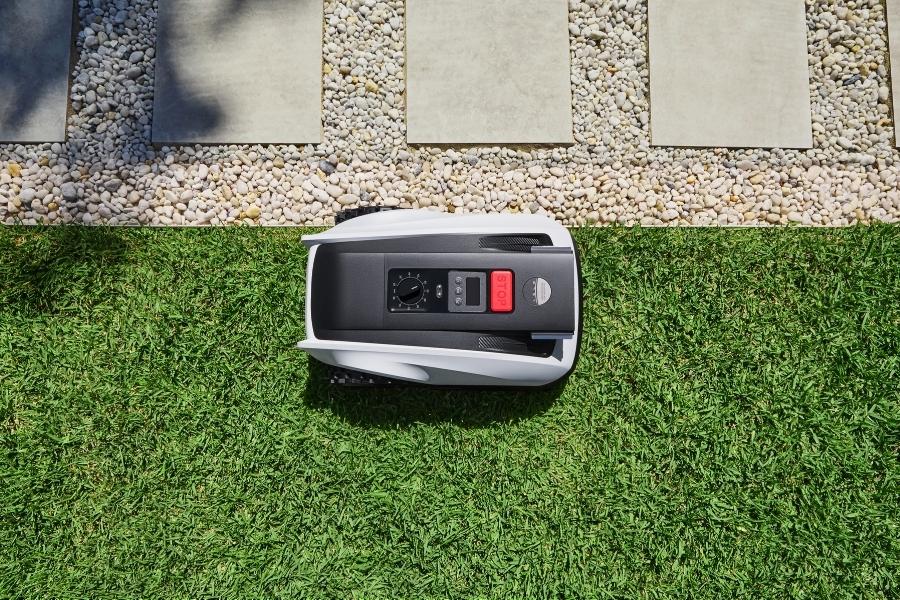
The Best Robot Mower Schedule for Most U.S. Lawns
Run a robot mower five to seven days per week during peak growth, provided the mower is rated for the lawn size and can operate safely. Reduce the schedule when grass growth slows.
A useful starting plan is:
| Lawn condition | Suggested schedule | Typical use |
|---|---|---|
| Fast spring growth | 5–7 days per week | Cool-season grass in much of the northern U.S. |
| Warm summer growth | 3–6 days per week | Zoysia, Bermuda, St. Augustine, and similar grasses |
| Slow fall growth | 2–4 days per week | Adjust as temperatures and rainfall change |
| Winter dormancy | 0–1 day per week | Many lawns need no mowing |
| Recently fertilized lawn | Daily or every other day | Only if growth is active and the lawn is dry |
| Wet or waterlogged lawn | Delay mowing | Prevent ruts, clumps, and poor traction |
| Shaded or low-growth lawn | 1–3 days per week | Watch the grass height rather than the calendar |
These ranges are starting points, not fixed rules. A lawn that grows quickly after rain may need more frequent mowing. A dry lawn in a hot region may need much less.
Daily mowing is not excessive
A robot mower removes small clippings from many parts of the lawn. It does not usually cut the same large amount that a riding mower or push mower removes once a week.
Frequent mowing can help keep the lawn at a more even height. Small clippings also return some nutrients to the soil as they break down. This practice is often called grasscycling.
Daily operation is reasonable when:
- The lawn is growing fast.
- The mower has enough daily cutting capacity.
- The soil is firm and not saturated.
- The blades are sharp.
- The mower does not disturb people, pets, or wildlife.
- Local rules allow the operating hours.
Every-other-day mowing is a good default
Every-other-day mowing works well for many residential lawns. It gives the mower time to cover the full area while limiting unnecessary runs during slow growth.
Use this schedule when:
- The grass grows at a moderate rate.
- The lawn has some shade.
- The mower needs more time to recharge.
- The property has several narrow areas or obstacles.
- You want fewer operating hours without allowing the grass to become tall.
If the grass looks uneven or the mower leaves tall strips, return to a daily schedule or increase the permitted mowing window.
How Grass Growth Changes the Schedule
The mower should follow grass growth, not a fixed calendar. Grass type, temperature, rain, irrigation, sunlight, and fertilizer all change how fast the lawn grows.
Cool-season grass
Cool-season grasses are common across the northern United States and parts of the Pacific Northwest. They often grow quickly during mild spring and fall weather.
Common cool-season grasses include:
- Kentucky bluegrass
- Tall fescue
- Fine fescue
- Perennial ryegrass
During strong spring growth, a robot mower may need to run nearly every day. Growth may slow during hot, dry summer weather and then increase again in early fall.
Warm-season grass
Warm-season grasses are common across the South and much of the transition zone. They usually grow most actively during warm weather.
Common warm-season grasses include:
- Bermuda grass
- Zoysia grass
- St. Augustine grass
- Centipede grass
- Bahia grass
A warm-season lawn may need frequent mowing in late spring and summer. However, drought, extreme heat, shade, or water restrictions can slow growth. Do not keep the mower running on a tight schedule if the lawn is barely growing.
Rain and irrigation
Rain often triggers faster growth, especially when temperatures and sunlight are favorable. After several wet days, the lawn may need more frequent mowing.
Do not send the mower out while the soil is soft. Wet mowing can:
- Leave wheel tracks.
- Compact soil.
- Reduce traction on slopes.
- Create grass clumps.
- Spread some lawn diseases.
- Clog the mower deck.
A rain sensor may pause the mower, but it cannot always judge whether the soil is firm enough. Check the lawn itself before allowing mowing after heavy rain.
Fertilizer
Fertilizer can increase growth. If the lawn grows quickly after an application, the mower may need to run more often for a short period.
Do not use a frequent schedule simply to hide poor mowing results. If the mower is cutting too much grass, raise the cutting height and check the blade condition. Follow the fertilizer label and avoid applying more product than the label allows.
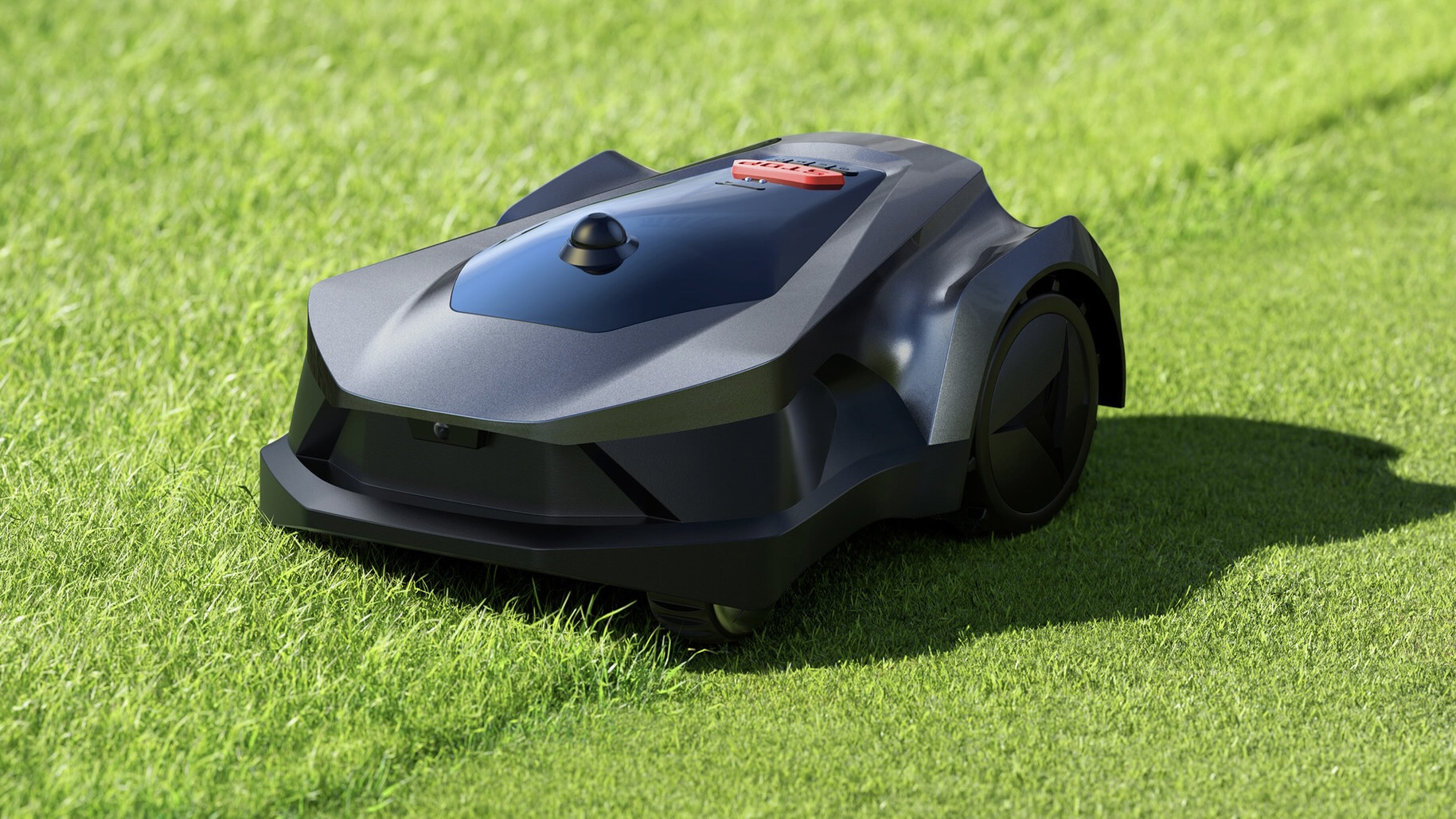
How Long Should a Robot Mower Run Each Day?
A robot mower should run long enough to cover the lawn within its documented daily capacity. This is different from the amount of time the blades are actively cutting.
A mower’s daily operating time can include:
- Cutting time
- Travel between lawn areas
- Charging time
- Slow movement around edges and obstacles
- Delays caused by rain, frost, or blocked paths
- Trips back to the charging station
A mower may operate for several hours but spend part of that time charging or traveling.
Use the manufacturer’s coverage rating as a starting point
Check the mower’s manual or product specifications for its recommended lawn area. Look for terms such as:
- Maximum lawn area
- Recommended lawn area
- Daily cutting capacity
- Coverage per day
- Maximum slope
- Separate-zone limitations
The recommended area is usually more useful than the maximum area. Maximum figures may assume simple lawn shapes, few obstacles, good satellite reception, and favorable conditions.
If your lawn is close to the mower’s maximum rating, use a longer schedule or choose a model with more capacity. A mower that is too small may run nearly all day and still leave uncut areas.
A simple coverage calculation
You can estimate the needed schedule with this formula:
Required coverage ratio = total mowable lawn area ÷ mower’s recommended daily area
For example, suppose:
- Your lawn has 10,000 square feet of mowable grass.
- The mower’s recommended daily capacity is 12,000 square feet.
The calculation is:
10,000 ÷ 12,000 = 0.83
The mower has enough rated capacity for the lawn under ideal conditions. In practice, slopes, trees, narrow passages, and frequent charging may reduce coverage. A daily schedule is a sensible starting point.
If the lawn has 15,000 square feet and the mower is rated for 12,000 square feet per day, the mower may need more than one operating day to cover the property well. A larger mower, a longer schedule, or a divided mowing plan may be necessary.
Do not treat the rating as a guarantee
Manufacturers use different testing methods and assumptions. Coverage may decrease because of:
- Slopes
- Irregular lawn shapes
- Wet grass
- Many trees or structures
- Narrow corridors
- Poor GPS or boundary-wire conditions
- Frequent return trips to charge
- Separate lawn zones
- Thick or tall grass
The best sign of an adequate schedule is consistent lawn height across all zones.

How to Set a Robot Mower Schedule
Set the schedule in stages. Begin with a conservative plan, observe the lawn, and adjust one factor at a time.
Step 1: Measure the mowable area
Measure only the grass the robot mower can safely cut. Exclude:
- Patios
- Driveways
- Garden beds
- Ponds
- Mulched areas
- Steep areas outside the mower’s rating
- Areas separated by steps or walls
Many mower apps estimate area during setup, but confirm that the estimate matches the actual lawn.
Step 2: Confirm the mower’s limits
Read the manual before setting the schedule. Check:
- Recommended lawn size
- Maximum slope
- Minimum passage width
- Charging time
- Weather limits
- Operating temperatures
- Boundary-wire or GPS requirements
- Separate-zone instructions
- Blade replacement guidance
Do not assume that two mower models with similar coverage claims can handle the same property.
Step 3: Start with a short daily window
A short daily window helps you see how the mower behaves without allowing it to run at inconvenient times.
For example, you might begin with:
- Four to six hours per day
- Five days per week
- No mowing during the busiest outdoor hours
- A pause after rain
- A longer window on the day used for a separate zone
The exact hours depend on the model and property. The mower may need more time than expected because it spends part of the window charging.
Step 4: Check the lawn after several days
Look for:
- Even grass height
- No tall strips
- No missed zones
- No wheel ruts
- No grass clumps
- No repeated wear near the charging station
- No blocked paths
- No damage to beds, trees, or edging
If the mower misses areas, first check the map, boundary, path, and charging behavior. Increasing the schedule may not fix a navigation or setup problem.
Step 5: Adjust based on grass height
Increase mowing days or operating time if the grass becomes too tall between runs. Reduce the schedule if:
- The lawn is barely growing.
- The mower runs when no cut is needed.
- The soil is soft.
- The lawn shows repeated wheel wear.
- The mower returns with wet clippings.
- The weather is too hot, cold, or wet for normal growth.
Make small changes. A one-hour increase or one additional mowing day can show whether the problem is schedule-related.
What Time of Day Should a Robot Mower Run?
The safest mowing time depends on your mower, lawn, weather, wildlife, and neighborhood rules. For many U.S. properties, late morning through afternoon is a practical choice because the grass is more likely to be dry.
Avoid scheduling mowing:
- During heavy rain.
- When frost covers the grass.
- When the lawn is wet from irrigation.
- During times when children or pets use the yard.
- During restricted quiet hours.
- When wildlife may be active and vulnerable.
Night mowing may be allowed by the mower and local rules, but it is not always the best choice. Reduced visibility can make it harder to spot obstacles, animals, toys, and lawn damage. Some homeowners also prefer to avoid nighttime operation because it can disturb neighbors or wildlife.
Check city, county, homeowners association, and manufacturer rules where they apply. Rules vary across the United States.
A practical schedule example
For a typical suburban lawn in the United States:
- Spring: Run five to seven days per week if growth is strong.
- Summer: Run three to six days per week, depending on grass type and water.
- Fall: Run two to five days per week as growth slows.
- Winter: Stop mowing when the lawn is dormant or regularly covered by frost.
This schedule is only a framework. Grass height and soil condition should control the final decision.
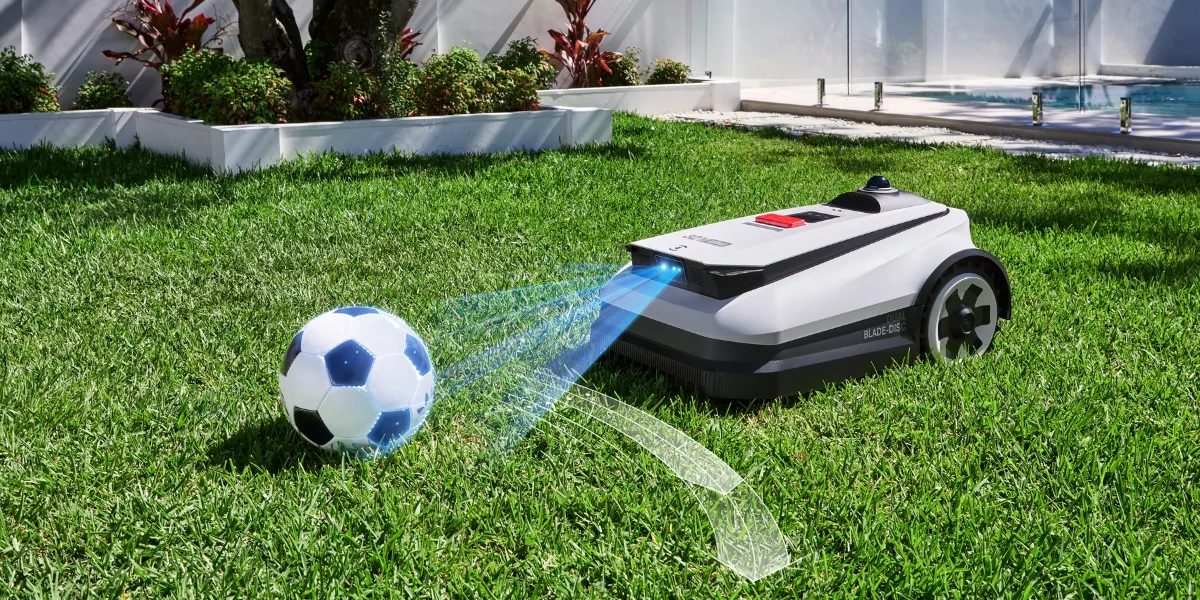
How Often Should You Run a Robot Mower in Different Situations?
Different lawn conditions call for different schedules. Use the table below to make a first adjustment.
| Situation | Schedule change | Reason |
|---|---|---|
| Grass grows above the selected height | Add a mowing day or extend the window | The mower is not removing enough growth |
| Mower cuts very little grass | Reduce mowing days | The lawn may be growing slowly |
| Heavy rain or irrigation | Pause until soil and grass dry | Wet mowing can damage soil and traction |
| New seed or sod | Follow the installer’s care plan | Young roots may need protection |
| Steep slope | Use only within the mower’s rating | Traction and stopping distance can change |
| Many narrow areas | Allow more operating time | Travel and turning reduce cutting efficiency |
| Tall grass at first setup | Mow conventionally first if needed | Robot mowers work best with regular light cuts |
| Lawn disease or wet clippings | Delay mowing and correct moisture issues | Mowing can spread wet debris |
| Drought stress | Reduce or pause mowing | Stressed grass may need recovery |
| Vacation period | Keep the normal schedule if safe | Long gaps can allow excessive growth |
Newly installed lawns
Do not place a robot mower on new sod or newly seeded grass without checking the care instructions. New grass may need time to root, and frequent traffic can cause damage when the soil is soft.
For new sod, wait until the roots have established according to the supplier’s instructions. For seeded lawns, mowing usually begins only after the grass reaches an appropriate height and the soil can support traffic. Local climate and grass type affect the timing.
Tall grass
Robot mowers are designed for regular maintenance, not for clearing an overgrown lawn. If the grass is several inches taller than the mower’s cutting setting, use a conventional mower first if it is safe to do so.
Set the conventional mower to remove no more than about one-third of the grass height at a time. Then return the robot mower to a frequent, light-cut schedule.
Slopes and uneven areas
Follow the mower’s slope rating. A slope that seems manageable when dry can become difficult when wet. Check for slipping, stopping problems, exposed roots, and areas where the mower repeatedly turns.
If the mower slips or becomes stranded, stop using that area until you correct the slope, surface, boundary, or drainage issue.

Should a Robot Mower Run Every Day?
A robot mower should run every day when the lawn is growing rapidly and the mower can safely cover the area. Daily mowing is not required for every lawn.
Daily operation may be useful when:
- The grass grows quickly.
- The lawn has a neat, even appearance.
- The mower has enough capacity.
- The ground is firm.
- The blades are sharp.
- The mower does not create traffic wear.
It may be unnecessary when:
- Grass growth is slow.
- The lawn is dormant.
- The weather is very dry.
- The soil remains wet.
- The mower has already covered the lawn evenly.
- The property has strict operating-hour limits.
The right question is not “How many hours should it run?” It is “Is the lawn receiving a light, even cut without damage?”
Is It Better to Run a Robot Mower at Night?
Night mowing can work if the model permits it and the area is secure, but daytime operation is often easier to monitor. Night schedules may reduce contact with people, but they can increase the chance of missing animals, toys, or other hazards.
Before using a night schedule:
- Confirm that local noise rules allow it.
- Keep pets indoors or away from the mowing area.
- Remove toys, hoses, and tools.
- Check for wildlife risks.
- Make sure the charging station and boundary are clear.
- Confirm that the mower can operate safely in low light.
- Avoid mowing during frost or heavy dew.
If the mower frequently gets stuck at night, move the schedule to daylight hours so you can identify the cause.
Common Robot Mower Scheduling Mistakes
Many mowing problems come from the schedule rather than the mower itself.
Running it only once a week
A weekly schedule may allow too much grass growth between cuts. The mower may struggle, leave clumps, or require repeated passes.
Better approach: Use shorter, more frequent runs. Adjust the schedule after watching the lawn for several days.
Ignoring the mower’s daily capacity
A mower rated for a small lawn may not keep up with a large or complex property.
Better approach: Compare the actual mowable area with the manufacturer’s recommended daily area, then account for slopes, obstacles, and charging.
Mowing wet grass
Wet grass can stick under the deck and create poor traction.
Better approach: Pause the mower after heavy rain and resume when the grass and soil are dry enough.
Leaving the cutting height too low
Cutting too low can stress grass, especially during drought or heat.
Better approach: Follow the recommended height for the grass species. Raise the deck during stressful weather if needed.
Using a schedule to solve a mapping problem
More operating time will not fix a broken boundary wire, inaccurate map, blocked passage, or poor satellite signal.
Better approach: Inspect the affected zone, boundary, path, and mower error history first.
Letting the mower run when people are outdoors
Even though robot mowers have safety features, people and pets can still create hazards.
Better approach: Schedule mowing for times when the yard is empty and supervise the first operating sessions.

Signs That Your Robot Mower Runs Too Often or Not Often Enough
The lawn will show whether the schedule works.
Signs the mower does not run often enough
- Grass becomes visibly tall between mowing sessions.
- The mower leaves long strips.
- Clippings form piles.
- The mower struggles in thick grass.
- The mower frequently stops with a blocked deck.
- Some zones remain higher than others.
Add an operating day, extend the daily window, raise the mower’s coverage capacity, or divide the lawn into zones.
Signs the mower runs too often
- Wheels create repeated tracks.
- The same areas look worn.
- Soil stays soft near the charging station.
- The mower spends many hours operating without a visible benefit.
- Grass appears stressed or scalped.
- The mower cuts wet grass repeatedly.
Reduce mowing days, change the route, improve drainage, or move the charging station if possible.
Signs the problem is not the schedule
Check the mower and lawn setup if:
- One zone is always missed.
- The mower cannot find the charging station.
- The mower stops at the same boundary point.
- It slips in one location.
- It repeatedly gets stuck near a tree or narrow path.
- The blades leave ragged tips.
These signs may point to a boundary, navigation, traction, blade, or installation issue.
Robot Mower Maintenance That Affects Cutting Frequency
A mower can appear to need a longer schedule when maintenance is the real problem.
Check the following:
- Clean grass from the underside as directed by the manual.
- Inspect blades for wear or damage.
- Replace or rotate blades according to the manufacturer’s instructions.
- Keep the charging contacts clean.
- Check the boundary wire or positioning system.
- Inspect wheels for packed mud or grass.
- Keep the charging station level and accessible.
- Update the mower’s software when the manufacturer provides a relevant update.
- Store the mower as directed during freezing weather.
Always turn the mower off and follow the manufacturer’s safety procedure before handling the blades or underside.
Key Takeaways
- Start with daily or every-other-day mowing during active growth.
- Use two to four mowing days per week when growth slows.
- Follow grass height and soil condition instead of a rigid calendar.
- Check the mower’s recommended daily capacity, not only its maximum claim.
- Pause mowing on wet soil, during frost, or when people and pets use the yard.
- Frequent light cuts are usually better than infrequent heavy cuts.
- If the mower misses areas, inspect the map, boundary, path, and blades before simply adding more hours.
Frequently Asked Questions
Can I run a robot mower every day?
Yes, if the lawn is growing, the ground is firm, and the mower can operate safely. Daily mowing is common during fast spring or summer growth. Stop or reduce the schedule when the grass is dormant, drought-stressed, or consistently wet.
How many hours a day should a robot mower run?
There is no universal number. Set enough operating time for the mower to cover the entire lawn within its recommended daily capacity. Charging, travel, slopes, obstacles, and narrow paths can greatly increase the required window.
Should a robot mower run when it rains?
Usually, delay mowing during heavy rain or when the soil is soft. Some models are designed to operate in light rain, but the mower’s manual controls. Wet mowing can reduce traction, create ruts, and cause grass to stick under the deck.
How often should I run a robot mower in winter?
Many U.S. lawns need little or no mowing during winter dormancy. Stop when grass growth has ended or frost is common. Follow the manufacturer’s storage and battery instructions, especially in regions with freezing temperatures.
Can a robot mower cut tall grass?
It can cut some taller grass, but most robot mowers work best with regular light cuts. If the lawn is badly overgrown, mow it down gradually with a conventional mower when safe, then return the robot mower to a frequent maintenance schedule.
Conclusion
For most American lawns, run a robot mower daily or every other day during active growth, then reduce the schedule as growth slows. Use the mower’s recommended coverage rating, watch the grass height, and avoid wet or unsafe conditions.
Start with a modest schedule, inspect the lawn after several days, and make small adjustments. The best schedule is the one that keeps grass even without creating ruts, scalping, wet clumps, or unnecessary wear.