E10 gas is gasoline containing up to 10% ethanol and 90% petroleum gasoline. It is the most common type of fuel sold at gas stations in the United States and is generally approved for most modern lawn mowers.
For homeowners across the United States, choosing the correct fuel for a lawn mower is an important part of keeping a small engine reliable. E10 gasoline, also called ethanol-blended gasoline, is widely available and is commonly recommended for many outdoor power equipment engines when the manufacturer’s instructions allow it.
Ethanol can affect small engines differently than pure gasoline because it attracts moisture and may cause fuel system issues when stored for long periods. Understanding what E10 gas is, how it works, and when to avoid it helps lawn mower owners reduce starting problems and protect engine components.
E10 gas is a blend of gasoline and ethanol containing up to 10% ethanol by volume. The remaining 90% is petroleum-based gasoline. The ethanol component is a renewable fuel additive commonly used to help increase renewable fuel content in gasoline supplies.
In the United States, E10 is one of the most widely available gasoline blends. Many cars, trucks, and outdoor power equipment engines are designed to operate on this fuel. However, small engines such as lawn mowers may have different fuel requirements depending on their design and age.
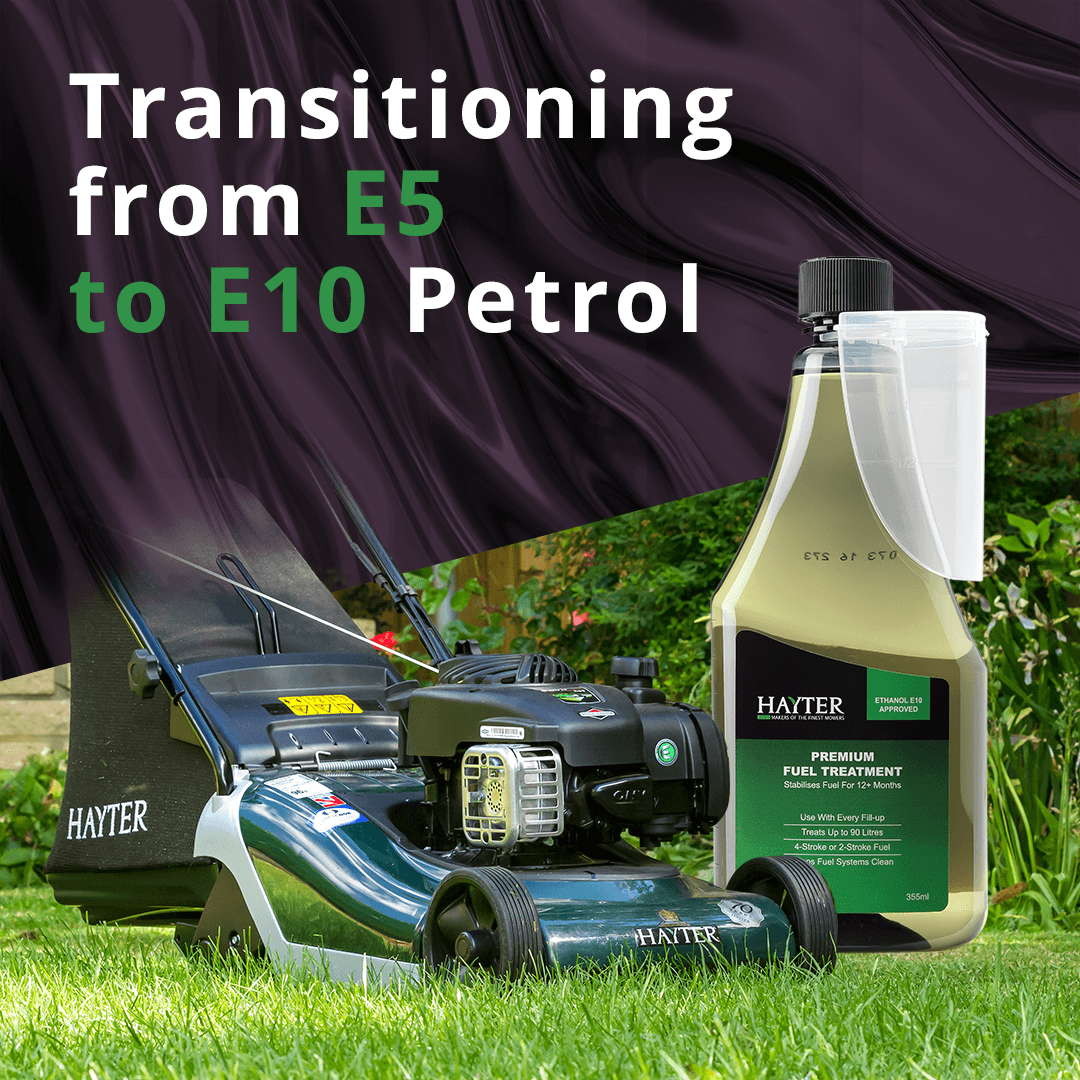
Source: hayter.co.uk
E10 meaning
The letter E refers to ethanol, and the number 10 indicates that the fuel contains up to 10% ethanol.
Fuel availability
E10 is commonly available at gas stations across the United States and is often sold as regular unleaded gasoline.
Engine compatibility
Most newer lawn mowers can use E10, but the owner’s manual provides the final recommendation for each model.
Why Is Ethanol Added to Gasoline?
Ethanol is added to gasoline for several reasons, including increasing renewable fuel content and helping meet fuel standards. It also contains oxygen, which can affect how gasoline burns inside an engine.
Renewable fuel source
Ethanol is typically produced from plant materials such as corn and is used as a renewable component in gasoline blends.
Is E10 Gas Safe for a Lawn Mower?
E10 gas is safe for many modern lawn mowers when the engine manufacturer approves ethanol-blended fuel. Most current gasoline-powered lawn mowers are built to handle fuel containing up to 10% ethanol.
The main concern with E10 is not immediate engine operation but long-term fuel storage. Ethanol can absorb moisture from the air, which may contribute to fuel degradation and corrosion in certain fuel system components when equipment sits unused for extended periods.
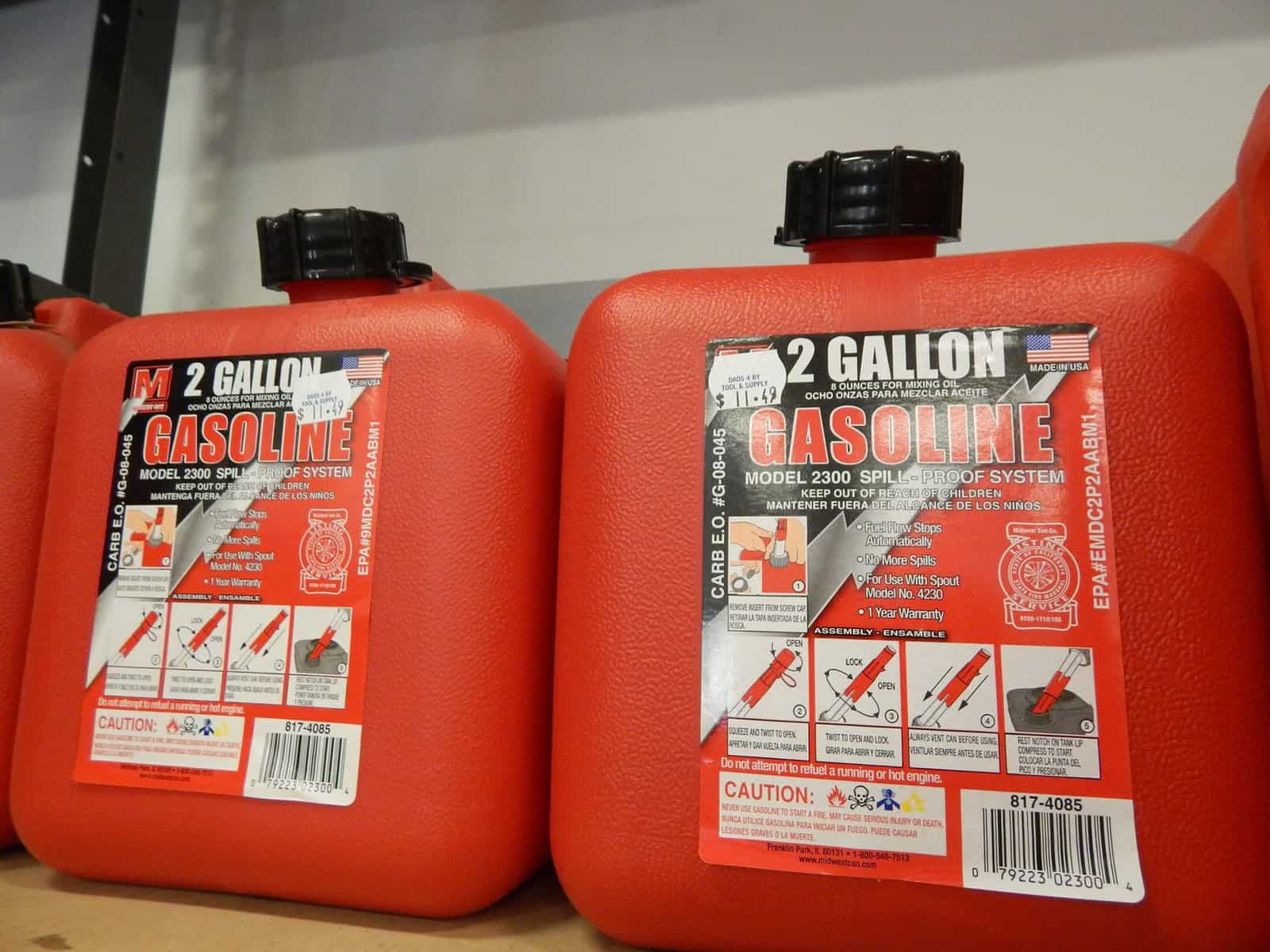
Source: mowerliving.com
Generally safe for newer mowers
Many newer lawn mower engines are designed to run on E10 gasoline without problems when maintained correctly.
Storage matters
Fuel left sitting in a mower for months may cause more problems than fresh E10 used during regular mowing seasons.
Check the manual
The lawn mower manufacturer’s fuel recommendation should always be followed before choosing a gasoline type.
Can Older Lawn Mowers Use E10 Gas?
Older lawn mowers may have fuel system materials that are less resistant to ethanol exposure. If a mower was manufactured before ethanol blends became common, checking the owner’s manual or contacting the manufacturer is the safest approach.
Possible concerns
Older fuel lines, seals, or carburetor components may be more vulnerable to ethanol-related deterioration.
E10 gasoline can power a lawn mower effectively, but ethanol changes some fuel characteristics compared with gasoline without ethanol. Because ethanol attracts water and can separate from gasoline under certain conditions, fuel management becomes more important for equipment that is stored between uses.
Common problems linked with old or contaminated E10 fuel include difficult starting, rough running, reduced engine performance, and clogged fuel system components.
Old fuel can make a mower harder to start, especially after long storage periods.
Fuel system deposits
Degraded gasoline may leave deposits that affect carburetors and fuel passages.
Moisture concerns
Ethanol’s ability to absorb water can increase fuel storage challenges in humid conditions.
E10 Gas vs Ethanol-Free Gas for Lawn Mowers
E10 and ethanol-free gasoline can both be used in some lawn mower applications, but they have different characteristics. Ethanol-free fuel is often preferred for equipment stored for long periods because it avoids ethanol-related moisture absorption issues.
For regular seasonal mowing with proper maintenance, E10 is commonly suitable for compatible engines. The better choice depends on the mower design, storage habits, and manufacturer guidance.
E10 gasoline
Widely available and suitable for many modern lawn mowers.
Ethanol-free gasoline
May be useful for equipment that sits unused for extended periods.
How to Use E10 Gas Correctly in a Lawn Mower
Using E10 gas properly involves more than choosing the right fuel blend. Fresh gasoline, correct storage, and regular maintenance help prevent many common lawn mower fuel problems.
Before filling your mower, confirm the recommended fuel type in the owner’s manual and avoid using gasoline that has been stored too long.
Source: mowersweb.com
Use fresh fuel
Buy only the amount of gasoline you expect to use within a reasonable period and avoid storing fuel unnecessarily.
Store fuel properly
Keep gasoline in an approved container away from heat and moisture.
Avoid fuel contamination
Use clean containers and prevent dirt or water from entering the fuel tank.
Signs Your Lawn Mower Fuel May Be Causing Problems
Fuel-related problems often appear as performance changes. Checking the fuel condition is one of the simplest troubleshooting steps before moving to more complex repairs.
Hard starting
The mower takes several attempts to start or fails after storage.
Uneven running
The engine runs roughly or loses power during mowing.
Fuel odor or discoloration
Old or degraded gasoline may look different or have a stale smell.
Common Mistakes When Using E10 Gas in Lawn Mowers
Many lawn mower fuel problems come from incorrect storage or using unsuitable gasoline rather than from E10 itself. Avoiding a few common mistakes can improve engine reliability.
Source: lawncarepro.co.uk
Leaving fuel in the mower for months
Long storage periods increase the chance of fuel degradation and moisture-related issues.
Using the wrong fuel blend
Fuel with higher ethanol content than recommended may not be suitable for all small engines.
Ignoring manufacturer instructions
The engine manual provides the most accurate fuel compatibility information for a specific mower.
Frequently Asked Questions
Q
Can I put E10 gas in my lawn mower?
Many lawn mowers can use E10 gasoline, especially newer models. Always check the owner’s manual before using any fuel type because compatibility depends on the engine design.
Q
Is E10 gas the same as regular gas?
E10 is often sold as regular unleaded gasoline, but it contains up to 10% ethanol. Traditional gasoline without ethanol has a different composition.
Q
Does E10 gas damage lawn mower engines?
E10 does not normally damage compatible lawn mower engines when fresh fuel is used and the equipment is maintained properly. Problems are more commonly associated with old fuel, moisture, or incompatible engine components.
Q
How long can E10 gas sit in a lawn mower?
The useful storage life of gasoline depends on conditions such as temperature, container quality, and fuel treatment. Using fresh fuel and avoiding unnecessary long-term storage reduces potential problems.
Q
Is ethanol-free gas better for a lawn mower?
Ethanol-free gasoline may be beneficial for lawn mowers that are stored for long periods, but E10 is commonly acceptable for many modern engines. The best option depends on the mower’s requirements and how it is used.
✦ Wrapping Up
Conclusion
E10 gas for a lawn mower is gasoline blended with up to 10% ethanol and is commonly used throughout the United States. For most compatible modern lawn mowers, it can provide reliable performance when the fuel is fresh and stored correctly.
The key to avoiding fuel problems is following the manufacturer’s recommendations, using clean fuel, and preventing old gasoline from remaining in the engine during long storage periods.
💡 Key Takeaway
Check your lawn mower manual, use fresh approved E10 gasoline if compatible, and practice proper fuel storage to help protect your mower engine.
Affiliate Disclosure: As an Amazon Associate, we may earn a small commission on qualifying purchases made through links in this article — at no extra cost to you. When your lawn mower blades will not engage, it feels like the whole mowing day is wasted before it even starts. You pull the lever, flip the…
If you’ve ever turned the key on your Craftsman lawn mower only to hear a weak click—or worse, silence—you know the frustration. A mower that won’t start often points to one culprit: a worn-out or underperforming battery. The good news? Replacing your Craftsman lawn mower battery isn’t as complicated or expensive as it sounds. With…
When was the last time you checked the blades under your Toro lawn mower? Many homeowners don’t realize how much a dull or bent blade affects their lawn’s appearance. A worn-out blade can tear grass instead of slicing it cleanly, leaving brown tips and exposing your turf to disease. If you’ve noticed your mower leaving…
When your lawn mower’s pull cord snaps, frays, or refuses to retract, it feels like the start of a long, hot battle with the grass. You stand there, handle in hand, staring at the mower as if it betrayed you. And in a sense, it has. A broken or jammed pull cord means your Toro…
A lawn mower cable replacement may seem like a small repair, but it plays a huge role in your mower’s performance and safety. These cables control key functions such as throttle speed, drive engagement, and blade braking. Over time, cables can fray, stretch, or rust — causing your mower to lose power, fail to start,…
When your lawn mower backfires and will not start, it can turn a peaceful Saturday morning into a frustrating ordeal. You pull the starter cord again and again, only to hear that sharp pop! instead of the familiar hum of the engine. It’s one of those moments that can leave even seasoned homeowners scratching their…