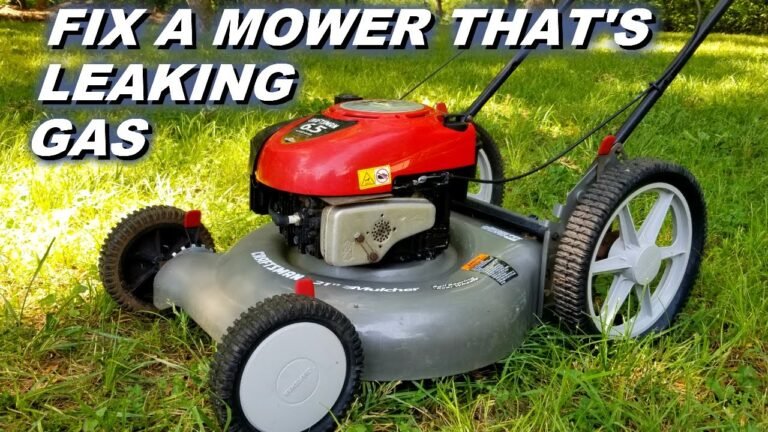
How Much Does A Grass Cutting Machine Cost: Price Guide
In the United States, a grass cutting machine usually costs $150 to $6,000 or more, depending on its type, power source, cutting width, and intended use. A basic walk-behind mower may cost $150 to $600. A battery mower often costs $250 to $800, while riding mowers commonly range from $1,500 to $5,000. Commercial zero-turn mowers can cost $5,000 to more than $15,000.
The right budget depends on your lawn size, slope, grass type, storage space, and how often you mow. A low purchase price does not always mean a low total cost. Batteries, fuel, blades, oil, belts, repairs, and delivery can add to the final amount.

Grass Cutting Machine Prices at a Glance
The table below shows typical U.S. planning ranges. These are broad retail estimates, not fixed quotes. Prices vary by brand, season, local dealer, promotions, and included accessories.
| Machine type | Typical U.S. price | Best suited for |
|---|---|---|
| Manual reel mower | $70–$250 | Very small, flat lawns |
| Electric corded mower | $120–$300 | Small yards near an outlet |
| Basic gas push mower | $200–$450 | Small to medium lawns |
| Battery push mower | $250–$800 | Quiet residential mowing |
| Self-propelled mower | $350–$900 | Medium lawns or sloped yards |
| Lawn tractor | $1,500–$4,000 | Large, open lawns |
| Rear-engine riding mower | $1,800–$4,000 | Large yards with limited storage |
| Residential zero-turn mower | $3,500–$7,500 | Large lawns with many obstacles |
| Commercial zero-turn mower | $5,000–$15,000+ | Frequent or professional mowing |
| Robotic lawn mower | $800–$4,000+ | Regular mowing of suitable lawns |
A machine at the lower end of a category may have a smaller deck, shorter warranty, less power, or fewer features. A higher price may pay for stronger construction, a wider cutting deck, better battery capacity, suspension, engine power, or dealer support.

What Is the Average Cost of a Lawn Mower?
For many U.S. homeowners, the practical purchase range is $250 to $800 for a walk-behind mower and $2,000 to $5,000 for a riding mower. These ranges cover the machines most often considered for residential lawns.
“Average cost” can be misleading because lawn mowers are not one product category. A small push mower and a commercial zero-turn mower perform the same basic task but serve very different properties.
Push mower cost
A standard push mower generally costs $150 to $500. It is moved by the person mowing, so it works best on smaller lawns and fairly level ground.
Typical price factors include:
- Cutting width, often about 20 to 22 inches
- Gas or battery power
- Steel or plastic mower deck
- Mulching and side-discharge options
- Engine size or battery voltage
- Foldable storage design
- Warranty and service access
Self-propelled mower cost
A self-propelled mower commonly costs $350 to $900. Its drive system turns the wheels, which reduces pushing effort.
This type may be worth the extra cost when the yard has:
- Slopes
- Thick or wet grass
- A large walking distance
- Uneven ground
- Limited operator strength
Self-propelled models use more energy than push models because they power both the blade and the drive wheels. That can increase fuel use or reduce battery runtime.
Riding mower cost
Most residential riding mowers cost $1,500 to $5,000. A lawn tractor usually has a front-mounted engine and a steering wheel. A zero-turn mower uses two drive wheels and can turn within its own footprint.
Riding mower prices rise with:
- Wider cutting decks
- Larger engines
- Stronger transmissions
- Better seats and suspension
- Electric or fuel-injection systems
- More durable frames
- Dealer support
- Commercial-duty components
For a small yard, a riding mower may cost more than it saves. It also needs more storage, maintenance, and transport planning.

Grass Cutting Machine Cost by Power Source
The power source changes both the purchase price and the ongoing cost. Gas, corded electric, and battery machines each have a different balance of power, noise, maintenance, and convenience.
Gas mower cost
A gas push mower often costs $200 to $600. Gas riding mowers commonly cost $1,500 to $7,500, while commercial gas models may cost much more.
Gas mowers can be useful when:
- The yard is large
- Grass is thick or frequently overgrown
- Long runtime is important
- There is no need to manage battery charging
Ownership costs may include gasoline, engine oil, air filters, spark plugs, belts, and winter storage. Gas engines also produce exhaust and need more routine service than many electric models.
Battery mower cost
A battery-powered mower generally costs $250 to $800 for residential use. The battery and charger are often included, but not always. A replacement battery may cost $100 to $400 or more, depending on the voltage and capacity.
Battery mowers can reduce noise and routine engine maintenance. Their limits include:
- Finite runtime
- Charging time
- Reduced performance in very heavy grass
- Battery replacement cost
- Lower performance when batteries are cold or old
Check whether the battery works with other tools from the same platform. Shared batteries may improve value if you already own compatible equipment.
Corded electric mower cost
A corded electric mower may cost $120 to $300. It can be an economical choice for a small yard close to a suitable outdoor outlet.
The cord is the main drawback. Keep it behind the mower and away from the blade. Never cut a damaged extension cord, and use outdoor-rated equipment that matches the manufacturer’s instructions.
Manual reel mower cost
A manual reel mower usually costs $70 to $250. It has no fuel, motor, battery, or charging cost.
This mower works best on:
- Small, flat lawns
- Frequently cut grass
- Fine turf
- Owners who can mow often
It is less suitable for tall, wet, coarse, or neglected grass. The blades also need periodic sharpening and adjustment.

What Affects the Price of a Grass Cutting Machine?
The largest price differences come from the machine’s cutting system, power, build quality, and intended workload.
Cutting width
A wider deck can reduce mowing time because it cuts more grass in each pass. Common walk-behind mower decks are about 20 to 22 inches wide. Riding mower decks may range from about 30 to more than 60 inches.
A wider deck is not always better. It can be difficult to use around trees, narrow gates, garden beds, and uneven areas. Measure gates and storage doors before buying.
Engine or motor power
More power can help with thick grass, wet conditions, and tall growth. It also adds cost, weight, and sometimes fuel use.
Do not compare engine horsepower, battery voltage, and motor wattage as if they were interchangeable measures. They describe different systems and do not alone predict cutting performance.
Deck material
Steel decks are common on many gas and riding mowers. They may resist impact well but can rust if damaged or stored wet. Polymer decks resist rust and may reduce weight, but their durability depends on the design and use.
The deck should match the lawn and the owner’s storage conditions. A premium deck does not prevent damage from rocks, hidden stumps, or poor cleaning.
Drive system
Walk-behind mowers may be push, front-wheel drive, rear-wheel drive, or all-wheel drive.
- Push models: Lowest cost and simplest design
- Front-wheel drive: Useful for flat lawns and frequent turning
- Rear-wheel drive: Often better for slopes
- All-wheel drive: Can help on difficult terrain but usually costs more
Brand and dealer support
A machine with a local dealer may cost more than a similar-looking retail model. The added cost can provide access to parts, service, setup, and warranty support.
Before choosing a low-cost mower, check whether replacement blades, batteries, belts, and other parts are easy to find in the United States.

How Much Does It Cost to Maintain a Grass Cutting Machine?
Maintenance can add $50 to $300 per year for many residential walk-behind mowers, depending on the power source and service needs. Riding mowers can cost $150 to $600 or more per year, especially when they need professional service.
These figures are planning estimates. Repair costs vary widely by region and machine.
Typical maintenance costs
| Item | Common planning cost |
|---|---|
| Replacement mower blade | $15–$60 |
| Blade sharpening | $10–$30 |
| Engine oil and filter | $20–$60 |
| Spark plug | $5–$20 |
| Air filter | $10–$30 |
| Drive belt | $15–$80 |
| Battery replacement | $100–$400+ |
| Riding mower service visit | $100–$300+ |
| Tire or wheel replacement | $15–$150+ |
Gas mowers need oil, air-filter, and spark-plug service. Battery mowers avoid those engine tasks but eventually need battery replacement. Riding mowers have more belts, pulleys, tires, bearings, and transmission parts.
Read the owner’s manual for service intervals. Disconnect the spark-plug wire or battery as directed before working near the blade. For complex repairs, use a qualified repair shop.

Gas vs. Battery Mower: Which Costs Less?
A gas mower often has a lower purchase price than a comparable battery mower, but a battery mower may have lower routine maintenance and operating costs. The better financial choice depends on years of ownership and how much grass you cut.
A simple ownership estimate is:
Total cost = purchase price + energy or fuel + maintenance + repairs − resale value
Hypothetical five-year example
Suppose a homeowner compares two walk-behind mowers:
| Cost category | Gas mower | Battery mower |
|---|---|---|
| Purchase price | $350 | $550 |
| Fuel or charging costs | $250 | $40 |
| Routine maintenance | $250 | $100 |
| Possible battery replacement | $0 | $250 |
| Estimated resale value | −$50 | −$75 |
| Five-year estimated total | $800 | $865 |
This example is not a universal result. A homeowner who mows often may spend more on gas. A battery owner may not need a replacement battery within five years. Local fuel prices, grass growth, battery care, and repair needs change the result.
For the most accurate comparison, estimate your weekly mowing time, fuel use, electricity rate, and expected ownership period.

How Much Does a Riding Lawn Mower Cost?
A riding lawn mower usually costs $1,500 to $5,000 for residential use. A larger or commercial-grade zero-turn model can cost $5,000 to more than $15,000.
Lawn tractors
Lawn tractors commonly cost $1,500 to $4,000. They use a steering wheel and are suited to large, open lawns.
They may be a good fit when you need:
- A comfortable seated position
- A front-mounted attachment
- Towing ability
- A moderate purchase price
- A wide cutting deck
They may mow more slowly around tight obstacles than a zero-turn mower.
Zero-turn mowers
Residential zero-turn mowers often cost $3,500 to $7,500. Commercial models may exceed $15,000.
Zero-turn machines can reduce mowing time on large properties because they turn tightly around trees and landscaping. They usually cost more and require a learning period. They may also be less suitable for steep slopes, especially when the operator lacks experience or the model is not designed for that terrain.
Used riding mower prices
Used riding mowers may cost $500 to $4,000 or more, based on age, condition, hours, brand, deck condition, and local demand.
Inspect a used mower before paying. Check:
- Cold starting behavior
- Engine smoke or unusual noise
- Deck rust and welds
- Blade engagement
- Transmission operation
- Tire condition
- Oil condition
- Hour meter, if present
- Safety switches
- Availability of replacement parts
A cheap used mower with a damaged deck or failing transmission can cost more than a basic new mower after repairs.

How to Choose the Right Mower Budget
Start with the lawn, not the machine. The cheapest suitable mower is usually a better value than the cheapest mower available.
For lawns under about ¼ acre
A manual reel mower, corded electric mower, or basic battery mower may be enough. A gas push mower also works if you prefer longer runtime and do not mind engine maintenance.
For lawns around ¼ to ½ acre
A stronger battery mower, gas mower, or self-propelled mower may fit. Slopes and thick grass can justify self-propulsion.
For lawns around ½ to 1 acre
A self-propelled mower may still work, but mowing time becomes a major factor. A compact riding mower may make sense if the lawn is open and storage is available.
For lawns above 1 acre
A riding mower or zero-turn mower is often more practical. The best choice depends on obstacles, slopes, gates, mowing frequency, and whether the machine will perform other tasks.
These acreage ranges are general guides. A flat, open half-acre is easier to mow than a smaller lawn filled with trees, beds, and narrow paths.

Extra Costs to Include in Your Budget
The sticker price is only part of the cost. Plan for equipment and services that make the mower usable.
Potential extra costs include:
- Sales tax
- Delivery or freight
- Assembly
- Fuel and approved storage containers
- Outdoor extension cord
- Battery or second charger
- Replacement blades
- Mulching plug or bagger
- Trailer or ramps for riding mowers
- Storage shed or weather cover
- Maintenance supplies
- Professional servicing
- Lawn disposal or bag collection
A riding mower may require a trailer or a repair pickup service. A battery mower may need a second battery for large lawns. A bagging system can add several hundred dollars to some riding mower purchases.
Ask the seller what is included before comparing two prices. One mower may include a battery, charger, and mulch plug while another may sell them separately.

When Should You Buy a Grass Cutting Machine?
The best time to buy depends on price, availability, and your need to mow. U.S. retailers may discount lawn equipment near the end of the mowing season, but selection can be better during spring.
Before buying, compare:
- The exact model number
- Included battery and charger
- Cutting deck size
- Warranty terms
- Delivery and assembly fees
- Return policy
- Local repair support
- Replacement part prices
Do not buy an oversized mower only because it is discounted. Storage, transport, maintenance, and fuel can erase the initial savings.
Manufacturer product pages can help confirm specifications. Retailer listings are useful for current prices, but inventory and promotions can change quickly. For safety guidance, review the U.S. Consumer Product Safety Commission lawn mower resources and follow the specific owner’s manual.

Common Grass Cutting Machine Buying Mistakes
Choosing by price alone
The lowest price may exclude a battery, charger, bagger, delivery, or assembly. Compare the complete ready-to-use cost.
Buying too much machine
A large riding mower may be uncomfortable and inefficient on a small yard. It also needs more space and service.
Ignoring slopes
Some riding mowers are not appropriate for steep slopes. Follow the manufacturer’s slope limits. If the slope is difficult to walk safely, do not assume a riding mower will make it safe.
Forgetting gate and storage measurements
Measure gates, sheds, garage doors, and turning areas. Confirm the mower’s width, not just its cutting width.
Overlooking parts and repairs
A low-cost mower is a poor value if blades, batteries, belts, or service are difficult to obtain.
Using unsafe mowing practices
Remove stones, toys, branches, and other objects before mowing. Wear sturdy shoes and eye protection. Keep children and bystanders away from the mowing area. Never defeat a safety switch or reach under the deck while the blade can move.
Frequently Asked Questions
Is a $200 lawn mower worth buying?
A $200 mower can be suitable for a small, flat lawn that is cut often. Check its warranty, deck quality, included accessories, and parts support. It may be less suitable for thick grass, slopes, or frequent commercial-style use.
Is a battery mower cheaper than a gas mower?
Not always at purchase. Battery mowers often cost more initially, but they may reduce fuel and engine maintenance costs. Battery replacement can become a major expense after several years.
How much does a commercial grass cutting machine cost?
Commercial walk-behind mowers may cost roughly $1,000 to $4,000, while commercial zero-turn mowers commonly range from $5,000 to more than $15,000. Heavy-duty stand-on and specialized machines can cost more.
Can I use a riding mower on a hill?
Only if the manufacturer allows it for that slope and the operator can control it safely. Riding mower stability varies by design. Follow the manual and avoid wet, loose, or unusually steep ground.
Are used lawn mowers worth buying?
A used mower can offer good value when its engine, deck, drive system, and safety controls are in sound condition. Get a cold-start demonstration and estimate repair costs before buying.
Bottom Line: How Much Should You Budget?
For most U.S. homeowners, plan on:
- $150–$300 for a basic manual or corded mower
- $200–$600 for a basic gas push mower
- $350–$900 for a self-propelled or premium battery mower
- $1,500–$5,000 for a residential riding mower
- $3,500–$15,000+ for residential and commercial zero-turn equipment
Choose based on lawn size, terrain, mowing frequency, storage, and lifetime cost. For a small flat yard, a simple push or battery mower may be the most economical choice. For a large open property, a riding mower can save time, but its higher purchase and maintenance costs should be part of the budget from the start.