
Best Garden Bed For Vegetables: Smart Growing Guide
The best garden bed for vegetables offers strong support, good drainage, safe materials, and enough room for healthy roots.
Many gardeners want fresh vegetables but face poor soil, weeds, hard ground, or limited space. A raised garden bed solves these problems by lifting plants above compact soil and making the growing area easier to manage. I compared metal, wood, open-bottom, and elevated designs to find the best garden bed for vegetables for patios, yards, balconies, and full backyard gardens. The right choice depends on your crop, space, height needs, budget, and how much soil you want to use.
See the differences between my top picks at a glance.
| Product | Type | Best For | Main Size | Notable Feature | Link |
|---|---|---|---|---|---|
| Land Guard Galvanized Bed | Metal, open bottom | Large vegetable plots | Oval large bed | Galvanized steel design | View on Amazon |
| Best Choice 8x4x2ft Bed | Metal, open bottom | High-capacity gardens | 8 x 4 x 2 ft | 478-gallon capacity | View on Amazon |
| Best Choice Elevated Metal Bed | Elevated metal | Back-friendly gardening | 72 x 24 x 30 in | Raised working height | View on Amazon |
| Utopia Home 4x2x1ft Bed | Metal kit | Small gardens | 4 x 2 x 1 ft | Compact assembly | View on Amazon |
| Best Choice 8x2ft Wood Bed | Wood planter | Classic yard beds | 8 x 2 ft | Long planting area | View on Amazon |
| Best Choice 48x24x30in Wood | Elevated wood | Patios and balconies | 48 x 24 x 30 in | Bed liner included | View on Amazon |
| Best Choice 48x24x30in Metal | Elevated metal | Compact raised growing | 48 x 24 x 30 in | Non-toxic material claim | View on Amazon |
| Best Choice 8x2x2ft Metal | Deep metal bed | Deep-root crops | 8 x 2 x 2 ft | Four support bars | View on Amazon |
Land Guard Galvanized Raised Garden Bed
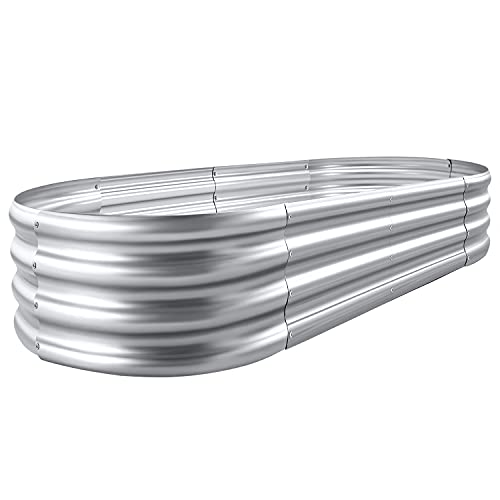
The Land Guard galvanized raised garden bed is a strong choice for gardeners who want a large metal planting area. Its oval form gives vegetables room to spread while keeping the bed clear of many weeds from the surrounding ground. The open-bottom layout also lets roots move into the soil below when conditions allow. I see it as a good fit for tomatoes, peppers, lettuce, beans, and many seasonal crops.
Galvanized steel needs little care compared with untreated wood. It also gives the bed a neat look that works in both a backyard and a larger garden space. Since the product is a kit, measure the site and read the assembly steps before filling it with soil. A level base will help the sides sit evenly and keep water from pooling at one end.
Pros:
- Durable galvanized metal construction
- Open bottom supports natural soil contact
- Large shape suits several vegetable plants
- Low upkeep after setup
- Good choice for separating garden soil from lawn areas
Cons:
- Assembly takes more time than a simple wood box
- Large beds need a wide, level location
- Metal can warm in strong summer sun
What Amazon Buyers Are Saying
Buyer feedback for this type of Land Guard bed often focuses on its clean look, useful size, and metal walls. Gardeners also tend to value the open base and the lower upkeep of galvanized steel. The main concerns to check in current reviews involve assembly, panel alignment, and the effort needed to fill a large bed with soil. I recommend reading the latest customer photos before ordering.
My Recommendation
I recommend this bed for gardeners who want a roomy metal garden bed without building a wood frame. It is especially useful when you want a defined growing zone and do not need a waist-high planter. Plan your soil budget first because a large bed can require a lot of growing mix.
Best Choice Products 8x4x2ft Raised Bed
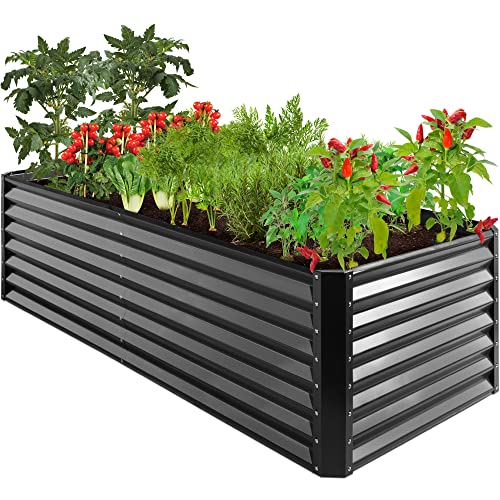
This 8x4x2-foot raised bed gives serious gardeners a broad growing zone. The listed 478-gallon capacity shows how much planting mix the full-size design can hold. Its 2-foot depth works well for crops that need more root room, such as tomatoes, carrots, potatoes, and larger herbs. The open bottom can also help connect the bed with the ground beneath it.
I like this model for a planned vegetable plot rather than a small patio. The large footprint lets you group crops by water need and sunlight need. It also gives you space to use compost and quality topsoil in a controlled mix. Before purchase, check access to the garden because an 8-foot bed can be hard to move once assembled.
Pros:
- Very large 8×4-foot planting surface
- Two-foot depth gives roots more room
- Listed 478-gallon capacity supports a full garden plan
- Open-bottom design can improve ground connection
- Metal construction needs less seasonal care than wood
Cons:
- Requires a large outdoor area
- Filling it can cost more than filling a small bed
- Assembly and placement need careful planning
What Amazon Buyers Are Saying
Reviews for this large raised bed commonly highlight the generous size and the amount of space for vegetables, herbs, and flowers. Buyers who plan ahead tend to like the clean garden layout. Some customers point to the work of assembly and the volume of soil required. Those points make sense for any bed of this size, so I would choose the location before delivery.
My Recommendation
This is one of the best garden bed for vegetables options for a serious backyard grower. Choose it when you want a deep, wide bed and have enough room for access on all sides. It offers strong value for a large planting plan, but it is too much bed for a small yard.
Best Choice Products Elevated Metal Bed

This elevated metal planter measures 72 by 24 by 30 inches. That raised height can make planting, watering, and harvesting easier for people who dislike kneeling. It also helps create a clear barrier between the growing mix and the ground. The long, narrow shape fits well along a deck, path, wall, or compact backyard area.
The elevated design suits shallow and medium-root vegetables, salad greens, and herbs. It may also help gardeners watch plants more closely for pests and dry soil. I would place it on a firm, level surface and check the weight limits of any deck or balcony before filling it. A tall planter needs safe support, especially after watering.
Pros:
- Comfortable 30-inch working height
- Metal body offers a modern outdoor look
- Long shape provides useful planting space
- Good fit for herbs and leafy vegetables
- Helps reduce bending and kneeling
Cons:
- Not ideal for deep-root crops such as large carrots
- Raised placement needs a stable, level surface
- May need more frequent watering than ground-level beds
What Amazon Buyers Are Saying
Customer comments on elevated planters often praise their working height and neat appearance. Buyers also tend to like the way a raised box fits a patio or small yard. Common concerns include drainage, final weight, and the amount of soil needed. I would inspect the drainage setup and measure the planned location before filling this bed.
My Recommendation
I recommend this elevated metal planter for anyone who wants a vegetable bed at a comfortable height. It is not the best match for large root crops, but it is strong for greens, herbs, and compact vegetables. Its design makes it a useful choice for accessible gardening.
Utopia Home 4x2x1ft Raised Bed

The Utopia Home 4x2x1-foot bed is a practical size for a first vegetable garden. Its compact footprint works in a small yard, beside a shed, or in a narrow garden strip. One foot of depth gives many leafy crops and herbs a useful root zone. The metal kit also creates a clear border between garden soil and nearby grass.
This model uses less soil than a full-size bed, which can lower the starting cost. I would use it for lettuce, spinach, radishes, onions, basil, peppers, and other compact plants. Tall plants may need a stake or small trellis outside the bed. Keep the bed in a spot with enough sun, since a small container still needs good light for strong growth.
Pros:
- Compact size suits small outdoor spaces
- Uses less soil than large raised beds
- Metal walls offer simple long-term care
- Good starter size for new gardeners
- Easy to divide by crop or planting season
Cons:
- One-foot depth limits deep-root vegetables
- Small capacity may not suit a large family garden
- Kit assembly still requires careful alignment
What Amazon Buyers Are Saying
Feedback commonly values this bed for its compact size, simple look, and beginner-friendly format. Buyers often use beds of this size for herbs, greens, and small vegetable crops. Some comments may mention thin panels, fasteners, or assembly fit, so check current reviews and photos before ordering. The size remains its main strength and its main limit.
My Recommendation
This is a good buy for a balcony-free small yard, townhouse garden, or beginner setup. It is not the best garden bed for vegetables if you want potatoes, long carrots, or many large tomato plants. For herbs and greens, however, it gives a useful balance of cost, size, and care.
Best Choice Products 8x2ft Wooden Bed

This 8×2-foot wooden planter brings a classic raised-bed look to a backyard. Its long shape works well for rows of salad greens, carrots, onions, beans, and herbs. The narrow width lets you reach the center from either side without stepping into the soil. That helps protect the growing mix from compaction.
Wood blends well with lawns, fences, decks, and other natural features. It may also feel warmer and less industrial than a metal bed. I would inspect the wood at delivery and place the planter on a well-drained, level surface. Like all outdoor wood products, it may need more care over time than galvanized steel.
Pros:
- Natural wood appearance suits many yards
- Eight-foot length provides room for row crops
- Two-foot width makes plants easy to reach
- Works well for mixed vegetable planting
- Raised layout helps define a tidy garden zone
Cons:
- Wood can weather faster than galvanized metal
- Long panels need a level installation area
- Not elevated enough to remove most bending
What Amazon Buyers Are Saying
Buyers commonly like the natural look, useful length, and simple raised-bed format. Many gardeners choose this style because it fits a traditional backyard better than metal. Review concerns often center on wood condition, hardware, and long-term outdoor exposure. Check the latest listing details and customer images before deciding if the maintenance level suits you.
My Recommendation
I recommend this bed to gardeners who prefer wood and want a long, narrow plot. It is a good value when appearance matters and you can accept normal wood care. Choose metal instead if you want the lowest possible upkeep over many seasons.
Best Choice Products 48x24x30in Wood Bed

This elevated wood planter measures 48 by 24 by 30 inches and includes a bed liner. The raised height makes it easier to tend small vegetables, herbs, and flowers without kneeling. Its compact footprint suits a patio, balcony, deck, or small backyard. The 200-pound listed capacity also gives you a useful reminder to consider the total weight of wet soil.
The bed liner helps keep the growing mix contained while supporting a clean setup. I would still confirm drainage paths and place the planter on a surface that can handle its filled weight. The 2-foot width allows easy reach from both sides. This design works best for compact crops rather than sprawling vines that need a wide trellis.
Pros:
- Comfortable 30-inch working height
- Bed liner included
- Fits patios, balconies, and small yards
- Easy reach across the 24-inch width
- Natural wood appearance
Cons:
- Limited planting area for large crops
- Filled planter can become very heavy
- Wood needs more care than metal
What Amazon Buyers Are Saying
Customers often like the height, compact footprint, and included liner. These features make the planter useful for people with limited space or limited mobility. Common points to review include drainage, wood quality, hardware, and the stability of the legs. I suggest checking the current weight guidance and measuring the patio before purchase.
My Recommendation
This is a strong choice for accessible container gardening. I would use it for lettuce, herbs, peppers, strawberries, and other compact plants. It is worth buying when you need a raised work height, but it will not replace a large ground-level bed for heavy vegetable production.
Best Choice Products 48x24x30in Metal Bed

This charcoal metal planter offers the same useful 48x24x30-inch footprint as a compact elevated bed. The raised form keeps vegetables above the ground and creates a tidy space for controlled soil. Its listed non-toxic material claim may appeal to gardeners who pay close attention to the planting container. The 30-inch height also reduces the need to bend.
The metal body gives this model a modern look and may require less care than outdoor wood. Its width allows access from both sides, while its length works well for greens, herbs, peppers, and compact tomato varieties. I would confirm the drainage details and surface strength before filling it. Always account for the added weight of wet growing mix.
Pros:
- Elevated height supports comfortable gardening
- Metal design suits modern outdoor spaces
- Compact footprint fits many patios
- Listed non-toxic material construction
- Easy access from both long sides
Cons:
- Not suited to very deep-rooted crops
- Metal may heat in direct summer sun
- Requires a strong, level support surface
What Amazon Buyers Are Saying
Review themes for this style often include the clean charcoal finish, comfortable height, and compact size. Buyers usually value the lower maintenance needs of metal. Some may raise questions about drainage, hardware, or assembly fit. Since this is a product line with different sizes, check that the listing you choose matches the dimensions you need.
My Recommendation
I recommend this model over an elevated wood bed when you prefer metal and want a compact planting station. It works well for accessible vegetable gardening and small outdoor spaces. Choose a larger open-bottom bed if your main goal is maximum crop volume.
Best Choice Products 72x24x30in Wood Bed

This 72x24x30-inch elevated wood planter gives you more length than the smaller 48-inch model. It includes a divider panel, which lets you separate herbs, greens, flowers, or different soil mixes. Six legs support the stand and the listed capacity reaches 300 pounds. The long shape gives you more room while the 24-inch width keeps plants within reach.
I see this as a useful middle ground between a patio box and a full backyard bed. The divider can help organize crops with different water needs. The elevated height also suits gardeners who want less kneeling. Because wet soil adds weight, place it on a firm surface and avoid moving it after filling.
Pros:
- Long 72-inch planting area
- 30-inch height reduces bending
- Divider panel supports crop organization
- Six-leg design spreads the load
- Natural wood fits patios and yards
Cons:
- Wood requires more upkeep than galvanized steel
- Full weight may be too high for some balconies
- Divider reduces one open planting area
What Amazon Buyers Are Saying
Buyers often like the long bed, raised height, and divider panel. These features help gardeners create separate growing zones in one planter. Feedback may also discuss assembly time, leg stability, wood condition, and drainage. I would read current reviews with special attention to customer photos and the surface where the planter will stand.
My Recommendation
This is a good elevated garden bed for vegetables when you want more planting room than a small patio box provides. I like the divider for herbs and salad crops. Buy it for a stable outdoor location, not for a fragile balcony or a spot where you need to move the planter often.
Best Choice Products 8x2x2ft Metal Bed

This 8x2x2-foot oval metal bed targets gardeners who want depth without a very wide footprint. The two-foot height provides room for deeper root systems and a generous layer of growing mix. Four support bars help reinforce the long structure. The listed 215-gallon capacity offers substantial space for vegetables and herbs.
The narrow shape works well beside a fence or along a garden path. It gives you a long planting row while keeping the center easy to reach. Deep soil can support crops such as carrots and other root vegetables, though the exact result depends on the soil mix and drainage. I would build it on level ground and plan delivery and assembly before the growing season.
Pros:
- Two-foot depth suits deeper-rooted crops
- Eight-foot length supports row planting
- Four support bars add structural help
- Listed 215-gallon capacity offers useful volume
- Narrow footprint fits many garden layouts
Cons:
- Needs a long, level installation area
- Deep beds require a large amount of soil
- Oval shape may waste space in square layouts
What Amazon Buyers Are Saying
Customer feedback for this style often praises the deep profile, long planting area, and support bars. Gardeners tend to choose it for root crops and for a narrow garden footprint. The most useful review points to check involve panel fit, hardware, assembly, and the amount of fill required. Look at the latest listing information before making a final choice.
My Recommendation
This is my top pick for gardeners who want deep soil in a narrow metal bed. It is a strong candidate for the best garden bed for vegetables when root space matters more than width. Choose a shallower model if you grow only herbs and leafy greens.
How to Choose Best Garden Bed for Vegetables
Choosing the best garden bed for vegetables starts with your site, crops, and daily routine. A large bed may grow more food, but it also needs more soil and water. An elevated bed may feel easier to use, but it cannot hold every deep-root crop. I use the points below to match the bed to the garden instead of choosing by appearance alone.
1. Match Bed Depth and Size to Your Crops
Start with the vegetables you plan to grow. Lettuce, spinach, radishes, and many herbs can grow well in a shallower bed. Carrots, potatoes, parsnips, and large tomato roots need more space. A two-foot bed gives you more root room, while a one-foot bed uses less soil and works well for small crops.
Next, measure the site. Leave enough room to walk around the bed and reach the center. A 2-foot-wide bed is easy to reach from both sides. An 8-foot-long bed works well in a yard but may not fit on a small patio. Also check sunlight. Most fruiting vegetables need several hours of direct sun each day.
2. Pick the Right Material and Base
Galvanized metal offers a clean look and usually needs less care than wood. It can last well outdoors, but the sides may become warm in hot sun. Wood looks natural and often blends into a yard. However, outdoor wood can weather, so inspect it and follow care directions.
Open-bottom beds connect with the soil below. This can help drainage and allow roots to move down. Yet the site soil may contain weeds or poor soil. A bottomed or elevated planter gives you more control over the growing mix. For any container, confirm that excess water can escape. Good drainage protects roots from sitting in wet soil.
3. Compare Setup, Access, and Long-Term Value
Think about more than the purchase price. Large beds need a lot of soil, compost, and water. A smaller bed costs less to fill and may be easier to manage. Elevated beds reduce bending and can help gardeners with back or mobility concerns. They also need a firm surface that can carry the filled weight.
Before assembly, check the hardware, level the site, and keep the instructions nearby. Fill the bed with a quality mix rather than plain heavy soil. Add compost based on the needs of your crops, then water slowly to settle the mix. In my view, the best garden bed for vegetables is the one that fits your space, your body, and your planting plan for more than one season.
Final Verdict: Which Should You Buy?
For most serious growers, the Best Choice 8x4x2ft metal bed offers the best blend of size, depth, and capacity. For deep-root crops in a narrow space, the Best Choice 8x2x2ft bed is my top choice.
Small-space gardeners should consider Utopia Home, while gardeners who need less bending should choose an elevated model. The best garden bed for vegetables is the one that matches your crops and site.
FAQs Of best garden bed for vegetables
What type of garden bed is best for growing vegetables?
Galvanized metal and treated outdoor wood can both work well. Choose an open-bottom bed for ground contact, or an elevated bed for easier access.
How deep should a raised garden bed be for vegetables?
One foot suits many herbs and leafy greens. Choose about two feet when you want more room for root crops or larger plants.
Are galvanized metal garden beds safe for vegetables?
Use a product with clear material details and follow the maker’s instructions. Also use clean, quality soil and provide proper drainage.
What is the best garden bed for vegetables on a patio?
An elevated bed can suit a patio because it saves floor space and reduces bending. Check the patio surface and filled weight before setup.
Do raised garden beds need a liner?
Not always. Open-bottom beds usually do not need one, while elevated planters may include a liner to hold the growing mix. Always keep drainage paths open.




One Comment