Why Is My Lawn Mower Not Bagging Grass: Easy Fixes
A lawn mower that runs but does not bag grass is frustrating, especially when the yard looks cut yet leaves clumps behind. In most cases, the problem is not the engine. A full grass catcher, dull blade, blocked chute, wet grass, or wrong mowing method can stop clippings from moving into the bag.
The good news is that many fixes take only a few minutes. This guide explains why your lawn mower is not bagging grass, how to find the cause, and how to fix it safely. The steps apply to push mowers, self-propelled mowers, battery mowers, electric mowers, and riding mowers with a bagging system.

Quick answer: Why is my lawn mower not bagging grass?
Your lawn mower may not be bagging grass because the bag is full, the chute is clogged, the blade is dull, the grass is wet, or the mower deck is set too low. Stop the mower, remove the spark plug wire or battery, and inspect the bag, chute, blade, and deck. Empty the catcher, clear packed grass, sharpen or replace the blade, and mow dry grass in shorter rows.
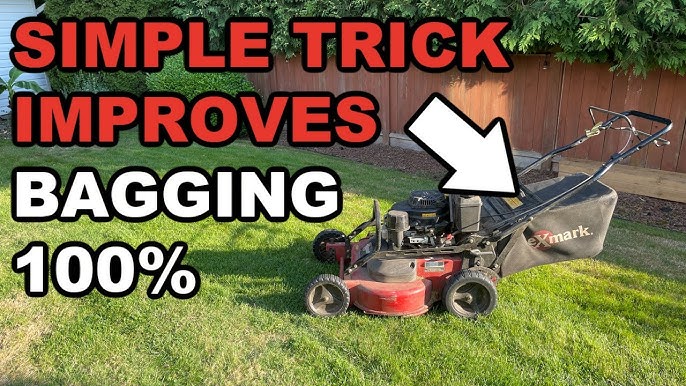
A mower needs strong airflow to lift cut grass and carry it through the discharge chute. If the blade spins slowly or the deck is packed with clippings, that airflow drops. The grass then stays under the deck, falls in piles, or blows out instead of entering the catcher.
A bagging problem can also come from an incorrect catcher. The bag must match the mower model and sit firmly on its hooks or rear door. Even a small gap can let grass escape.
Common symptoms of a mower that will not collect grass
The visible symptom often points to the cause. Look at where the grass ends up and how the mower sounds during use.

| What you notice | Likely cause | First check |
|---|---|---|
| Grass stays under the deck | Clogged deck or weak blade airflow | Turn off the mower and inspect the deck |
| Grass sprays from the side | Wrong setting or blocked catcher path | Check the side-discharge plug and chute |
| Only a little grass enters the bag | Full bag, dull blade, or wet grass | Empty the bag and inspect the blade |
| Grass blows out near the bag | Bag is loose or damaged | Check the hooks, frame, and fabric |
| Mower bogs down in tall grass | Cutting height is too low | Raise the deck and mow slowly |
| Bag fills with dust but not clippings | Dry, fine material or poor airflow | Clean the bag and inspect the blade |
| Mower leaves long strips | Bent blade or uneven deck | Check blade condition and deck level |
The most common issue is a restricted path. Grass must travel from the blade area, through the chute, and into the grass catcher. One blockage in that route can stop the whole system.
The bag fills unevenly
If one side of the bag fills while the other side stays empty, the discharge stream may be weak or off-center. A bent blade, damaged deck, worn blade adapter, or partly blocked chute can cause this pattern.
A bag made from mesh can also clog with fine dust. Hold it up to light. If air cannot pass through much of the fabric, wash or replace it according to the owner’s manual.
The mower leaves clumps behind
Clumps usually mean the grass is wet, too tall, or cut too quickly. They can also show that the mower blade is dull. A dull blade tears grass instead of making a clean cut, and the torn pieces may not move well through the deck.
Clumps are more common in spring, after rain, or when drought-stressed grass grows unevenly. Let the lawn dry, raise the mowing height, and cut no more than one-third of the grass blade at a time.
The main causes of poor grass bagging
Most bagging failures come from airflow, cutting conditions, or a fit problem. The table below can help you match the symptom to the most likely fix.

| Problem | Why it stops bagging | Common solution |
|---|---|---|
| Full grass catcher | Air cannot move through the packed bag | Empty the catcher before it is completely full |
| Clogged chute | Clippings have nowhere to travel | Stop the mower and clear the chute by hand |
| Wet grass | Moist clippings stick to the deck and bag | Mow when the turf is dry |
| Dull mower blade | Poor lift and large, ragged clippings | Sharpen or replace the blade |
| Deck set too low | Tall grass overloads the mower | Raise the cutting height |
| Wrong catcher | The bag may not seal or hang correctly | Confirm the part number and mower model |
| Dirty bag fabric | Dust blocks air from leaving the bag | Clean or replace the catcher |
| Low engine speed | The blade cannot create enough airflow | Check the throttle, battery, or engine system |
| Side-discharge plug installed | Clippings cannot enter the rear chute | Remove or reposition it if the manual allows |
| Worn belt or blade adapter | Blade speed or rotation may be poor | Inspect and replace worn parts |
The first takeaway is simple: check the easy items before buying parts. Empty the bag, clean the chute, and inspect the blade before assuming the engine needs repair.
The grass catcher is full or packed
A grass catcher does not need to look full to cause trouble. Fine clippings can seal the fabric or fill the air space between the mesh. When air cannot pass through, new clippings may shoot out from the deck.
Empty the catcher when it is about two-thirds full. Avoid dragging a heavy bag across rough ground. The frame can bend, and the fabric can tear at the corners.
The chute is blocked
A blocked chute is one of the most common reasons a mower is not bagging grass. Wet clippings form a thick paste that sticks to the chute walls. Long grass can wrap around the blade area and stop the flow.
Never reach into the chute while the blade could move. Turn off a gas mower, wait for the blade to stop, disconnect the spark plug wire, and secure it away from the plug. For a battery mower, remove the battery pack before clearing the chute.
The blade is dull, damaged, or installed upside down
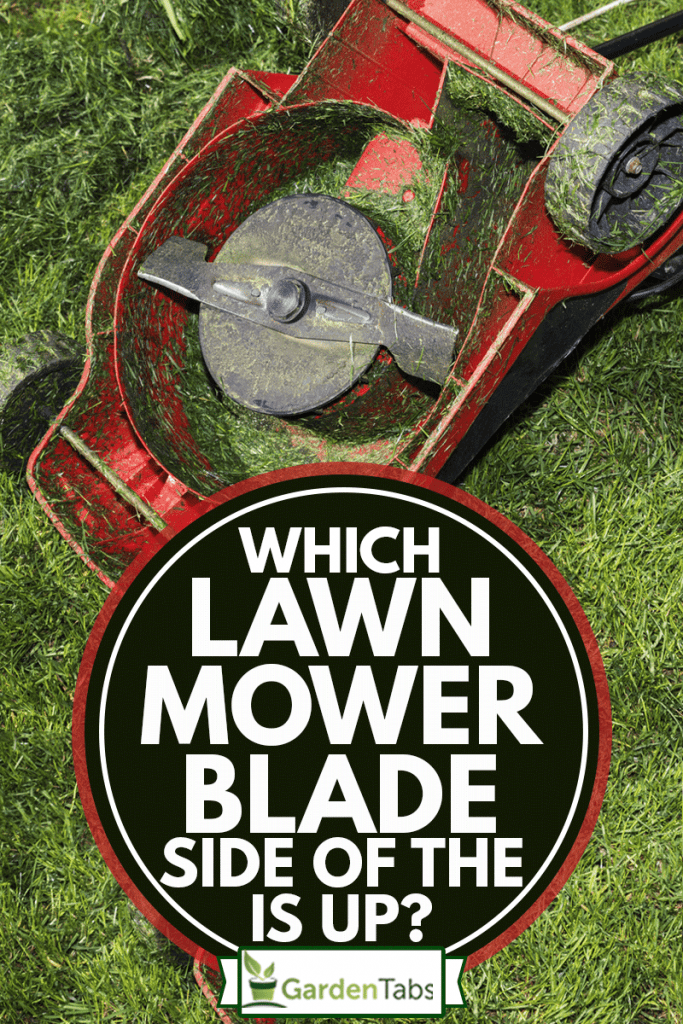
A mower blade does more than cut. Its curved shape creates lift, which raises the grass and moves clippings toward the chute. A dull, bent, cracked, or upside-down blade can reduce that lift.
Look for rounded cutting edges, large nicks, bends, and heavy rust. Check the blade direction in the manual. Many blades have a “bottom,” “grass side,” or similar marking.
The mower is cutting wet grass
Wet grass sticks to nearly every surface. It can coat the underside of the deck, block the chute, weigh down the bag, and form clumps on the lawn. Even a strong gas mower may struggle in wet conditions.
For most home lawns, the best time to mow is after the morning dew dries and before the grass becomes stressed by strong afternoon heat. Local climate and turfgrass type matter, so use the lawn as your guide.
The cutting height is too low
A low cut removes more leaf tissue at once. This forces the engine or motor to work harder and leaves more material for the catcher to handle. The blade may slow, which reduces airflow.
Raise the deck by one or two settings. Most cool-season turfgrass performs better when it is not cut extremely short. Warm-season grasses may have different mowing-height needs, so check guidance for your grass type.
The mower is moving too fast
Self-propelled mowers make it easy to walk faster than the mower can process the grass. This is common in tall or thick turf. The result is a heavy stream of clippings that can clog the deck.
Set a slower drive speed if your mower allows it. With a push mower, slow your walking pace. Make a second pass only if the grass is dry and the machine is not overloaded.
How to fix a lawn mower that is not bagging grass
The safest repair method is to work from the catcher back toward the blade. This prevents you from replacing parts before finding a simple blockage.

1. Shut down and make the mower safe
Park the mower on a flat surface. Turn off the engine or motor and wait for all moving parts to stop. Remove the ignition key if the mower has one.
For a gas mower, disconnect the spark plug wire. For a battery mower, remove the battery. If you have a riding mower, set the parking brake and remove the key before checking the deck.
Wear safety glasses, work gloves, and closed-toe shoes. Keep children and pets away from the work area.
⚠️ Safety Warning: Never put your hand into a mower chute or under the deck while the spark plug wire or battery remains connected. A blade can move from stored energy, a motor fault, or an accidental start.

2. Empty and inspect the grass catcher
Remove the bag and empty it completely. Check the frame for bends and look for tears along the seams. Make sure the hooks, clips, and rear door are not cracked.
If the catcher is made of fabric, hold it toward a bright light. A large amount of dust or dried clippings means air may not pass through. Clean it only as the manufacturer allows. Some bags can be brushed or rinsed, while others should not be soaked.
Replace a catcher that has large holes or a damaged frame. A universal-looking bag may not seal correctly on your mower.
3. Clear the rear chute and deck
With the mower safely disconnected, inspect the chute from both ends. Remove packed clippings with a wooden stick or plastic scraper. Do not use your bare hand.
Tilt a walk-behind mower only as shown in the owner’s manual. Some engines can leak oil or fuel if tilted the wrong way. A riding mower may need a deck-lift procedure or ramps approved for that model.
Scrape the underside of the deck until the blade area and discharge path are clear. Do not pressure-wash electrical parts, bearings, or the engine.
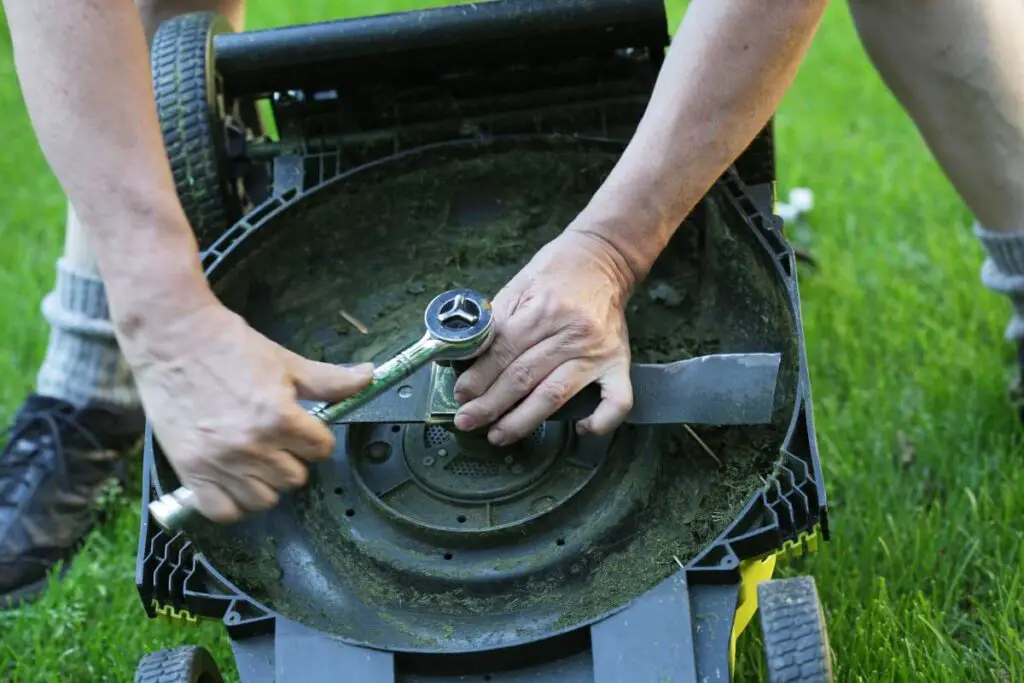
4. Inspect the mower blade
Check the blade for sharpness, cracks, bends, and missing metal. Spin it only when the mower is fully disconnected and only as the manual permits. Do not run the engine with the catcher removed unless the manual specifically allows that test.
A blade can be sharpened if it is straight and in good shape. Replace it if it is cracked, badly bent, thin near the cutting edge, or missing a section.
After installation, tighten the blade bolt to the torque listed in the manual. Do not guess if the manual gives a specific value. Confirm the blade part number before ordering.
5. Check the bagging door and chute attachment
The rear door must open and close without rubbing. The catcher should sit on its supports and lock into place. Some mowers use a metal frame, while others use a plastic cover and fabric bag.
Check for leaves, sticks, or broken plastic around the mounting points. A loose door can let grass escape before it reaches the catcher.
If your mower uses a mulching plug, confirm its position. Some models require the plug to be removed before bagging. Others use a special bagging insert. Follow the manual because designs differ.
6. Mow a dry test strip
After the inspection, choose a small, dry section of lawn. Set the cutting height higher than usual and mow slowly. Watch whether grass enters the bag and whether the mower remains at full speed.
Do not test on tall, wet grass first. A clean test strip makes it easier to judge airflow and bag fit.
7. Check power and engine speed
A gas mower needs to run at the speed listed by the manufacturer. If the engine sounds slow, surges, or loses power, the blade may not create enough lift. Possible causes include a dirty air filter, stale fuel, a clogged fuel system, a faulty governor, or a worn spark plug.
Battery mowers can lose blade speed when the battery is low, too cold, damaged, or not compatible. A battery with higher amp-hours, written as Ah, may offer more energy capacity, but it must match the mower’s voltage and platform.
Corded electric mowers can lose performance if the extension cord is too long, too thin, or damaged. Use only the cord type and length stated in the manual.
🔧 Quick Fix: If the mower bags well for the first few minutes and then stops, inspect the catcher fabric and chute first. Heat, dust, and wet clippings can slowly seal the airflow path.
What to check on gas, battery, and electric mowers
The same bagging problem can have different causes based on the mower’s power source. A gas mower may need fuel or air service, while a battery mower may need a charged, compatible battery.

| Mower type | Bagging issue to check | Extra care point |
|---|---|---|
| Gas push mower | Air filter, spark plug, fuel, governor, blade speed | Never refuel a hot engine |
| Battery mower | Battery charge, voltage, contacts, blade mode | Remove the battery before service |
| Corded electric mower | Extension cord size, outlet, motor vents | Keep the cord away from the blade |
| Riding mower | Deck belt, blade engagement, chute, pulley | Use the parking brake and remove the key |
| Robotic mower | Most models do not use a grass catcher | Check whether it mulches clippings instead |
A gas mower that lacks power may not bag well even after you clean the chute. A battery mower with a healthy blade may still slow down when the battery protection system reduces power.
Gas mower checks
Inspect the air filter and spark plug according to the service schedule. A dirty air filter can limit airflow into the engine. A worn spark plug can cause hard starting, rough running, or low power.
Old gasoline can also cause poor engine performance. Use fresh fuel that meets the manual’s requirements. If you store fuel, use an approved container and fuel stabilizer as directed.
Do not store gasoline in a living area or near an ignition source. Local fuel storage rules may apply.
Battery mower checks
Check that the battery is fully charged and designed for the mower. A 40-volt battery is not interchangeable with an 80-volt system unless the manufacturer specifically says so. The same rule applies to battery packs from different brands.
Clean dry debris from the battery contacts and vents. Do not use a swollen, cracked, hot, or leaking battery. Follow the manufacturer’s charging instructions and store batteries in a cool, dry place.
Corded mower checks
A corded mower may lose power through an undersized extension cord. Use the gauge and length listed in the manual. A long, thin cord can cause voltage drop and reduce motor speed.
Inspect the cord for cuts, crushed areas, and damaged plugs. Use a ground-fault circuit interrupter, often called a GFCI, where required by local code or the mower instructions.
Mowing habits that improve grass collection
A healthy bagging system still depends on good mowing technique. The best mower cannot move too much wet or tall grass at once.

Follow the one-third rule
Remove no more than one-third of the grass blade in one mowing session. If the lawn is very tall, raise the mower and make more than one pass over separate days.
This method reduces engine load and produces smaller clippings. It also helps limit clumps and stress on turfgrass.
Overlap each pass slightly
Overlap the previous strip by a few inches. This helps prevent tall lines between passes. It also gives the blade a more even flow of grass.
On a slope, mow across the face with a walk-behind mower only if the manual and local safety guidance allow it. Never mow wet grass on a slope. Riding mowers should be used on slopes only within the manufacturer’s stated limit.
Empty the bag before it becomes heavy
A heavy bag changes the mower’s balance and can make the machine harder to push. It may also sag away from the chute. Empty it when airflow begins to weaken or when the catcher is about two-thirds full.
For seniors or anyone with limited lifting strength, a smaller catcher may be easier to handle. A riding mower with a larger rear collector can reduce walking, but it needs more storage space and costs more.
Keep the blade sharp
A sharp blade supports clean cutting and good airflow. Many homeowners inspect the blade several times during the mowing season and sharpen it when the edge becomes rounded.
If you do not have a vise, file, or blade balancer, a small-engine repair shop can handle the work. Blade service is often simpler than diagnosing repeated bagging problems.
Bagging versus mulching and side discharge
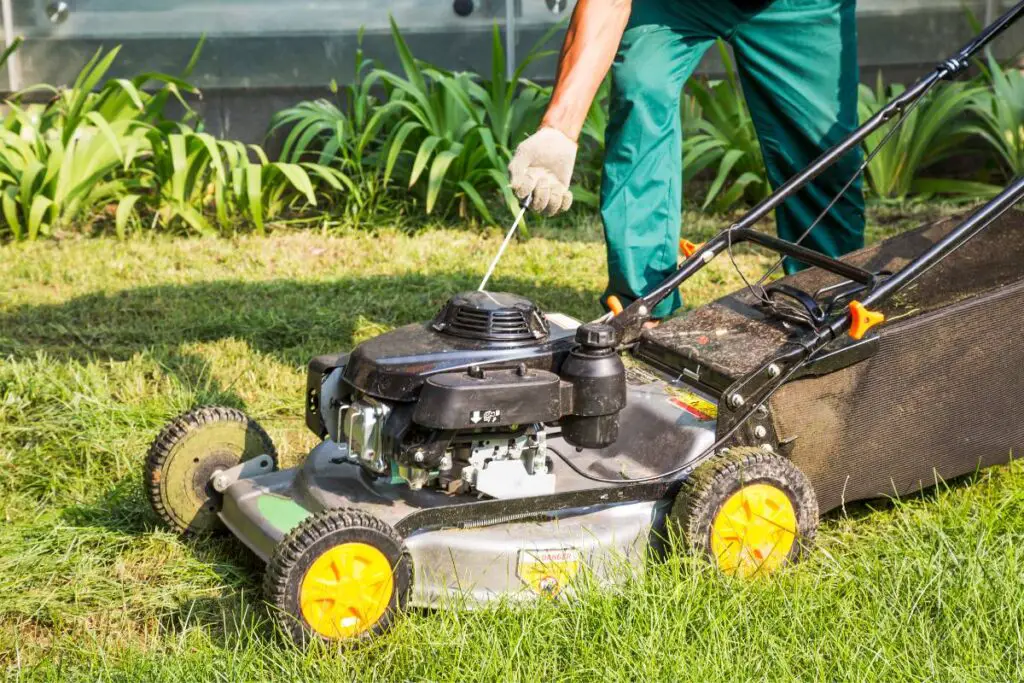
A mower may appear to be failing when it is actually set to mulch or side discharge. These are different cutting modes.
| Mowing mode | What it does | Best fit |
|---|---|---|
| Bagging | Sends clippings into a catcher | Formal yards, leaf collection, and heavy spring growth |
| Mulching | Re-cuts clippings and drops them into the turf | Regular mowing on dry, moderate-height grass |
| Side discharge | Throws clippings to the side | Large areas and rough grass where collection is not needed |
Mulching means cutting clippings into small pieces and returning them to the lawn. Side discharge sends them out through a side opening. Bagging removes the clippings from the lawn.
Some mowers need a separate mulching kit, plug, or blade for each mode. Confirm the correct setup before switching attachments.
When the problem is the mower design
Not every mower is built for heavy bagging. A compact 18-inch push mower may handle a small, flat yard well but struggle with tall grass. A 21-inch self-propelled mower may cover more ground, yet it can still clog if pushed too fast.

| Yard and user | Mower style to consider | Main limitation |
|---|---|---|
| Small, flat yard under about ¼ acre | Push battery or gas mower | Requires more walking |
| Small yard with limited storage | Compact battery or reel mower | Reel mowers need frequent mowing |
| Hilly yard | Self-propelled mower with controlled speed | Adds weight and cost |
| Large flat yard | Riding mower or wide self-propelled mower | Needs more storage and maintenance |
| Very large open lawn | Lawn tractor or zero-turn mower | Higher cost and less useful in tight spaces |
| Quiet neighborhood setting | Battery or reel mower | Battery runtime and mowing width vary |
| Senior user with limited strength | Self-propelled battery mower | Must manage battery charging and weight |
A reel mower uses human power to turn a cylinder of blades. It creates little noise and needs no fuel, but it suits short, regularly cut grass more than tall or wet turf.
Robotic mowers usually mulch instead of bag. If collecting clippings is important, a robotic mower may not match your goal. Always check the latest product listing because features and accessories differ by model.
Is a self-propelled mower worth it for bagging?
A self-propelled mower can be worth the cost for a hilly yard, a larger lawn, or a user who finds pushing tiring. It moves under its own power while you guide it. Front-wheel drive, rear-wheel drive, and all-wheel drive systems suit different terrain.
It may not be worth the extra weight for a small, flat yard. The drive system adds belts, gears, and controls that can wear over time. A simple push mower may be easier to store and service.
Are riding and zero-turn mowers good for bagging?
Riding mowers and zero-turn mowers can cover large lawns faster. Many support rear baggers or collection systems. They need wide gates, a secure storage area, and enough room to turn.
A zero-turn mower is designed to turn around its rear wheels. It suits large, open yards but may be difficult around narrow beds, steep slopes, and small gates. A lawn tractor may be a better fit for mixed terrain and light hauling.
Maintenance schedule for reliable bagging
Regular maintenance prevents most collection problems. The exact schedule depends on the mower, engine, climate, and hours of use.

| Service time | Bagging-related task | Why it matters |
|---|---|---|
| Every mowing session | Empty and inspect the catcher | Prevents blocked airflow |
| Every few uses | Brush the chute and deck | Limits packed clippings |
| Monthly during use | Check blade sharpness and bolt | Supports lift and safe cutting |
| Per manual schedule | Clean or replace air filter | Helps gas engines maintain power |
| Per manual schedule | Inspect spark plug | Supports steady engine speed |
| Before storage | Clean, dry, and protect the mower | Limits rust and stale fuel issues |
| Before each season | Check belts, cables, tires, and battery | Finds problems before heavy use |
The most important routine is simple: clean the deck, keep the bag breathable, and maintain the blade. These tasks cost little and can prevent repeated clogs.

Blade care
Remove the blade for sharpening only after disconnecting the spark plug wire or battery. Use a vise and file or a suitable sharpening tool. Keep the cutting edge even on both ends.
A blade balancer can show whether one side is heavier. An unbalanced blade can cause vibration, damage bearings, and reduce confidence during mowing.
Deck cleaning
Grass buildup holds moisture against the deck. Over time, this can cause rust and make the discharge path narrower. Clean the deck after mowing wet or tall grass.
Avoid spraying water into the motor, battery housing, control panel, bearings, and electrical connections. Dry the mower before storage.
Bag storage
Store the catcher clean and fully dry. Do not leave it crushed under heavy tools. Fold fabric bags loosely and keep rodents away from stored equipment.
A damaged bag can leak clippings even if the mower itself works well. Replacement parts must match the model and catcher frame.
🌿 Eco or Disposal Note: Recycle lithium-ion mower batteries through a designated battery drop-off. Take old gasoline and oil to a household hazardous-waste site. Usable mowers can often be donated, repaired, or recycled through local programs.
Mistakes that make bagging problems worse
Some quick fixes create new damage. Avoid these common mistakes when troubleshooting.

| Mistake | Possible result | Better approach |
|---|---|---|
| Reaching into a live chute | Serious hand injury | Disconnect the spark plug or battery first |
| Mowing wet grass repeatedly | Clogs, clumps, and deck buildup | Wait for dry conditions |
| Using a random replacement blade | Poor fit or unsafe operation | Match the exact part number |
| Running without a required guard | Flying debris and injury risk | Keep safety parts installed |
| Washing electrical parts | Motor or control damage | Use a dry brush and careful cleaning |
| Overfilling the catcher | Weak airflow and loose bag fit | Empty it before it is packed |
| Cutting tall grass very low | Engine overload and clumping | Raise the deck and mow in stages |
| Storing fuel indoors | Fire and health risk | Follow fuel laws and store safely |
Do not remove a discharge guard to force more grass into the bag. Guards and doors help control flying debris. If a guard is damaged, replace it before mowing.
Do not use a non-approved blade because it looks similar. Blade length, center-hole size, lift design, and rotation direction all matter.
When to call a repair shop
A repair shop is the right choice when cleaning and blade service do not solve the problem. Stop troubleshooting if the mower vibrates heavily, smokes, leaks fuel, or makes a sharp metal noise.
Signs of a deeper mechanical problem
Call a qualified technician if you notice:
- The blade does not reach full speed.
- The engine surges even after basic maintenance.
- The mower loses power under light grass.
- The blade spindle feels loose.
- The deck belt slips or breaks.
- The battery becomes hot or swells.
- The mower shuts off when the bag is attached.
- A safety switch prevents normal operation.
- The catcher mount or deck is cracked.
- The blade bolt will not tighten correctly.
On a riding mower, a damaged belt, pulley, spindle, or deck hanger can reduce bagging performance. These parts may require special tools and safe lifting methods.
A shop can also test engine speed, check compression, inspect the governor, and verify blade balance. For an older mower, ask for an estimate before approving major repairs.
Is repair worth the money?
Repair often makes sense when the mower has a sound deck, available parts, and a healthy engine or battery platform. It may be less sensible when the deck is rusted through, the battery system is obsolete, or several major parts fail at once.
Compare the repair cost with a replacement that matches your yard. A first-time homeowner with a small lawn may need only a basic push mower. A senior user or homeowner with slopes may benefit more from a self-propelled model, even if it costs more.
Rules, noise, and storage considerations
Lawn equipment choices can be affected by local rules. Some cities restrict gas-powered equipment during certain hours or are adding limits on small engines. HOAs may also set mowing times or noise rules.
📜 Check Local Rules: Confirm mowing hours, gas-equipment restrictions, fuel storage rules, battery disposal options, and HOA requirements before buying a new mower. Rules can vary by city, county, and neighborhood.
Gas mowers are often louder and produce exhaust. Battery and corded electric mowers are usually quieter at the point of use, but noise still depends on blade speed, grass height, and nearby structures.
Measure your shed or garage before buying. Check the mower’s width, handle-folding system, bagger height, and battery storage needs. Also measure gates and narrow paths. A wide deck that cannot reach the backyard is not a useful upgrade.
Frequently asked questions
Q: Why is my mower blowing grass out instead of putting it in the bag?
A: The bag may be full, loose, clogged, or poorly fitted. Check the rear door and catcher hooks. Also inspect the discharge chute and blade. If air cannot move through the bag, grass will often escape around the edges.
Q: Can wet grass stop a lawn mower from bagging?
A: Yes. Wet clippings stick to the deck, blade, chute, and bag fabric. They form heavy clumps and block airflow. Wait until the grass dries, then clean the mower before trying again.
Q: Why does my mower bag fill with dust but not grass?
A: Fine dust may be blocking the catcher fabric. A dull blade or dry, brittle lawn can also create small particles instead of clean clippings. Clean the bag, inspect the blade, and mow at the proper height.
Q: Should I sharpen or replace the mower blade?
A: Sharpen a straight blade with a sound cutting edge. Replace one that is cracked, badly bent, deeply worn, or missing metal. Always match the replacement blade to the mower model and confirm the part number.
Q: Why does my mower bag well for a few minutes and then stop?
A: The catcher may slowly become sealed with fine clippings. The chute may also clog as wet grass builds up. Empty the bag early, clean the fabric, and inspect the deck during the next mowing session.
Q: Can a full grass catcher make a mower lose power?
A: Yes. A packed catcher restricts airflow and can increase the load on the mower. It may also cause clippings to back up into the chute. Empty the catcher before it is completely full.
Q: Why does my battery mower stop bagging when the battery gets low?
A: Many battery mowers reduce blade speed or shut down as the battery reaches a low charge. Tall or wet grass increases the load. Charge the battery fully, use the correct voltage pack, and raise the cutting height.
Q: Does a sharper blade improve bagging?
A: A sharp blade can improve the cut and help maintain airflow. It cannot fix a blocked chute, damaged catcher, or weak engine. Treat the blade as one part of the full bagging system.
Q: Is bagging better than mulching?
A: Bagging is useful when you want to remove clippings, collect leaves, or keep a formal appearance. Mulching can return small clippings to the lawn during regular mowing. The better choice depends on grass height, moisture, lawn goals, and local conditions.
Q: Why is my riding mower not filling the bagger?
A: Check the deck chute, bagger tubes, belt, pulleys, and blade engagement. Tall grass, wet clippings, and a worn deck belt are common causes. Follow the riding mower manual before lifting or removing the deck.
Q: Can I use a universal grass catcher?
A: Only if the manufacturer confirms compatibility. Catcher shape, mounting points, chute size, and airflow design vary. A poor fit can cause clippings to escape and may create a safety problem.
Q: How long does a lawn mower last?
A: Service life depends on build quality, use, storage, maintenance, climate, and parts support. A mower used on a small flat yard may experience less wear than one used on steep, rough ground. Blade, belt, battery, spark plug, and air filter service affect long-term performance.
Q: What is the best mower for a small yard?
A: A compact push mower, battery mower, or reel mower often suits a small, flat yard. Choose based on storage space, grass height, noise needs, and the user’s strength. A self-propelled mower may add cost and weight without much benefit on a small lawn.
Q: What is the best mower for hills?
A: For a walk-behind mower, a self-propelled model with a speed control can reduce pushing effort. For a riding mower, stay within the slope limit in the manual. Never mow wet slopes, and avoid any mower that feels unstable underfoot.
Q: What safety steps matter most when fixing a bagging problem?
A: Clear debris first, wear eye and hearing protection, use gloves and closed-toe shoes, and keep children and pets away. Disconnect the spark plug wire or remove the battery before servicing. Never refuel a hot engine, and follow the owner’s manual.
Final thoughts
When a lawn mower is not bagging grass, start with airflow. Empty the catcher, clean the chute, check the bag fabric, and inspect the blade. Then adjust your mowing method by waiting for dry grass, raising the deck, slowing your pace, and following the one-third rule.
If the problem continues, check engine speed, battery compatibility, belts, pulleys, and the bagger attachment. A small push mower may be enough for a flat yard, while a self-propelled mower can suit hills or users who need less pushing. Measure the yard, gates, slope, and storage space before replacing the machine.
Affiliate disclosure: This article may contain affiliate links. If you buy a product through one of these links, we may earn a commission at no extra cost to you. Product availability, specifications, compatibility, and prices can change, so confirm details on the manufacturer’s product page and in the owner’s manual before buying.