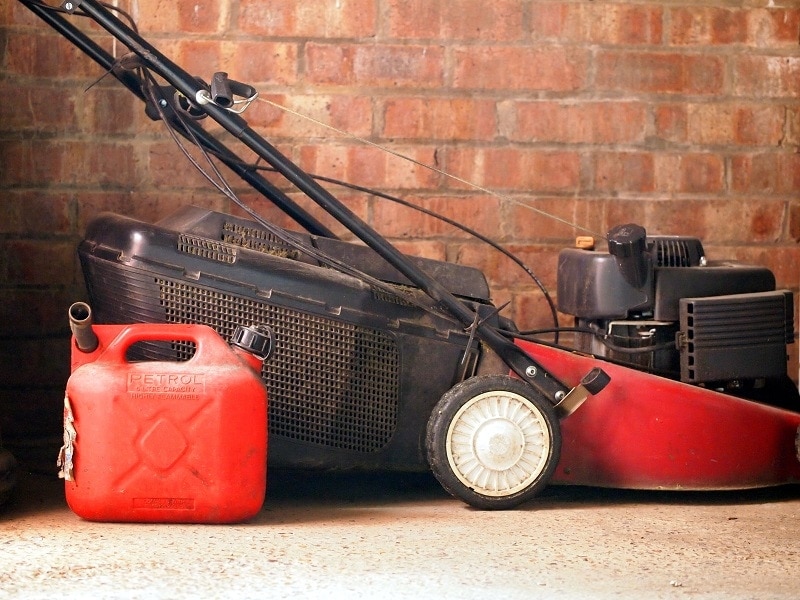
Old gas in a lawn mower can cause hard starting, rough running, clogged fuel components, and poor engine performance. If gasoline has been sitting for several months, draining the old fuel and replacing it with fresh gasoline is usually the safest first step.
Across the United States, many homeowners store their lawn mowers during colder months and discover fuel problems when spring mowing season begins. Gasoline left inside a mower over winter can lose quality, especially when exposed to air, heat, and moisture. The result is often a mower that struggles to start, stalls after running, or runs unevenly.
Old gas does not always mean a lawn mower engine is permanently damaged. In many cases, removing degraded fuel, checking the fuel system, and adding fresh gasoline can restore normal operation. However, fuel that has significantly deteriorated may leave deposits that require additional cleaning or repairs.
Old gasoline changes chemically over time as lighter components evaporate and the remaining fuel becomes less effective at combustion. Small engines such as lawn mower engines are especially sensitive because they rely on precise fuel and air mixtures.
When old gas remains in a mower’s fuel tank, it can contribute to poor fuel delivery, difficulty starting, engine hesitation, and reduced power while cutting grass.
Source: angi.com
Fuel evaporation
Gasoline loses volatile compounds over time, which can make it harder for the engine to ignite the fuel mixture properly.
Fuel deposits
Degraded gasoline can form sticky residues that may affect the carburetor and fuel passages.
Moisture problems
Fuel exposed to air can collect moisture, which may interfere with combustion and fuel system operation.
How Long Does Gas Last in a Lawn Mower
Gasoline quality depends on storage conditions, fuel type, temperature, and whether stabilizer was added. Many small-engine manufacturers recommend avoiding long-term storage of untreated gasoline because fuel can degrade within a few months.
Fresh fuel
Best performance usually comes from using clean gasoline that has been stored properly and is within its recommended storage period.
Seasonal storage
A mower stored through winter with untreated fuel may experience starting issues when mowing season returns.
Signs Your Lawn Mower Has Old Gas
Old fuel often creates noticeable symptoms before it causes major damage. Identifying fuel-related problems early can prevent unnecessary repairs.
A mower problem is more likely related to old gas when symptoms appear after seasonal storage or after gasoline has been sitting unused for an extended period.
Source: thespruce.com
Engine will not start
The mower may crank normally but fail to ignite because degraded fuel does not burn effectively.
Rough running
The engine may surge, sputter, or lose power because the fuel mixture is inconsistent.
Fuel smells unusual
Old gasoline may have a stale or varnish-like odor instead of the normal gasoline smell.
Visible fuel changes
Darkened fuel or sediment in the tank can indicate gasoline has deteriorated.
Old Gas Symptoms Compared With Other Problems
Not every starting problem comes from old gasoline. A dirty air filter, bad spark plug, clogged carburetor, or mechanical issue can create similar symptoms. Checking the fuel condition is a practical first step because it is simple and low risk.
Removing old gasoline from a lawn mower requires careful handling because gasoline is highly flammable. Work outdoors or in a well-ventilated area and keep fuel away from flames, sparks, and hot surfaces.
The exact process depends on the mower design, but most fuel removal methods involve draining the tank, removing remaining fuel from the system, and refilling with fresh gasoline.
Source: hitchesguide.com
Step 1: Prepare the mower
Turn off the engine, allow it to cool completely, and place the mower on a stable surface.
Step 2: Remove old fuel
Drain gasoline into an approved fuel container using a safe method suitable for your mower.
Step 3: Add fresh gasoline
Refill the tank with fresh fuel recommended for your mower engine.
Step 4: Test operation
Start the mower and observe whether starting, idling, and cutting performance improve.
What To Do If Fresh Gas Does Not Fix the Problem
If the mower still fails to start or runs poorly after replacing old fuel, the issue may involve fuel system deposits or another engine component. A carburetor cleaning, fuel filter inspection, or spark plug check may be necessary.
Check the carburetor
Old fuel can leave deposits that restrict proper fuel flow.
Inspect fuel lines
Aged fuel system components may become blocked or damaged.
How to Prevent Old Gas Problems in a Lawn Mower
Preventing fuel problems is usually easier than repairing them. Proper storage practices can help maintain fuel quality and reduce the chance of spring starting problems.
Homeowners who use lawn mowers seasonally should plan fuel storage before placing the mower away for several months.
Source: housedigest.com
Use fuel stabilizer when appropriate
A stabilizer may help slow fuel degradation when gasoline must be stored.
Avoid storing unnecessary fuel
Using fresh fuel instead of keeping gasoline for long periods reduces the chance of deterioration.
Store gasoline correctly
Keep fuel in approved containers away from heat and direct sunlight.
Should You Empty a Lawn Mower Before Winter Storage
Winter storage recommendations vary by mower manufacturer and engine design. Many small-engine guidelines support preparing the fuel system before long storage, which may include using treated fuel or removing gasoline according to the manufacturer’s instructions.
Follow the owner’s manual
The manufacturer instructions provide the most accurate storage procedure for a specific mower model.
Common Mistakes When Dealing With Old Lawn Mower Gas
Some attempts to fix old fuel problems can create additional issues. Avoiding common mistakes helps protect the engine and improves safety.
Source: www.pinterest.com
Mixing large amounts of old and fresh gas
Adding fresh fuel may not solve the problem if the existing gasoline has significantly degraded.
Using unsafe containers
Gasoline should only be stored and transported in approved fuel containers.
Ignoring continued symptoms
A mower that still performs poorly after fresh fuel may need additional troubleshooting.
When Professional Repair May Be Needed
Seek help from a qualified small-engine repair professional if fuel replacement does not restore operation, especially when the mower has persistent starting problems, fuel leaks, or signs of mechanical damage.
Persistent failure
The engine does not start after basic fuel and maintenance checks.
Safety concerns
Fuel leaks or damaged components require careful handling and inspection.
Frequently Asked Questions
Q
Can old gas damage a lawn mower engine?
Old gasoline can contribute to fuel system problems and poor engine performance. Severe deposits from degraded fuel may require cleaning, but replacing old fuel early can often prevent more serious issues.
Q
How do I know if gas in my lawn mower is bad?
Signs include difficulty starting, rough running, reduced power, unusual fuel odor, and gasoline that appears darker or contaminated.
Q
Can I add fresh gas to old gas in a lawn mower?
Adding fresh gasoline may help when the old fuel is only slightly aged, but severely degraded fuel should usually be removed and replaced.
Q
How often should I replace lawn mower gas?
Fuel replacement depends on storage conditions and fuel management practices. Using fresh gasoline regularly and following manufacturer storage recommendations helps reduce fuel problems.
Q
What should I do with old gasoline removed from my lawn mower?
Dispose of old gasoline according to local hazardous waste guidelines. Do not pour gasoline onto soil, drains, or household waste.
✦ Wrapping Up
Conclusion
Old gas in a lawn mower is a common cause of starting and performance problems, especially after seasonal storage. In many cases, removing degraded fuel and replacing it with fresh gasoline is the correct first repair step.
If fuel replacement does not solve the issue, continue with basic troubleshooting or seek professional assistance for possible carburetor, fuel system, or engine problems.
💡 Key Takeaway
Before using a mower that has been stored for months, check the gasoline condition, remove questionable fuel safely, and refill with fresh gasoline to help ensure reliable operation.
Lawn mower carburetor adjustment screws explained in a simple guide. Learn what each screw does and tune your engine for smoother, reliable performance.
When the snow melts and the grass finally peeks through, most homeowners are excited to pull their mowers out and start the season. But that excitement can quickly turn to frustration when your lawn mower will not start after winter. It’s one of those common spring headaches that every homeowner faces at least once. The…
When your lawn mower starter not working becomes the reason your weekend yard project stops before it starts, frustration sets in fast. You tug the rope or turn the key—and nothing happens. The mower just sits there, mocking you in silence. Whether it’s a battery-powered starter refusing to crank or a pull-start rope stuck in…
If your mower has been leaving behind uneven patches, torn grass tips, or brown streaks after mowing, chances are your blade has lost its edge. Replacing it isn’t just about better looks — it’s about keeping your lawn healthy and your mower running smoothly. In my years of working with budget-friendly lawn tools, one name…
Affiliate Disclosure: As an Amazon Associate, we may earn a small commission on qualifying purchases made through links in this article — at no extra cost to you. When your lawn mower blades will not engage, it feels like the whole mowing day is wasted before it even starts. You pull the lever, flip the…
If you’ve ever noticed your lawn looking uneven, with torn grass tips or patches of brown after mowing, chances are your blade is the real culprit. The Ryobi Lawn Mower Replacement Blades you choose can completely change how your yard looks and how efficiently your mower runs. A sharp, well-balanced blade doesn’t just make mowing…

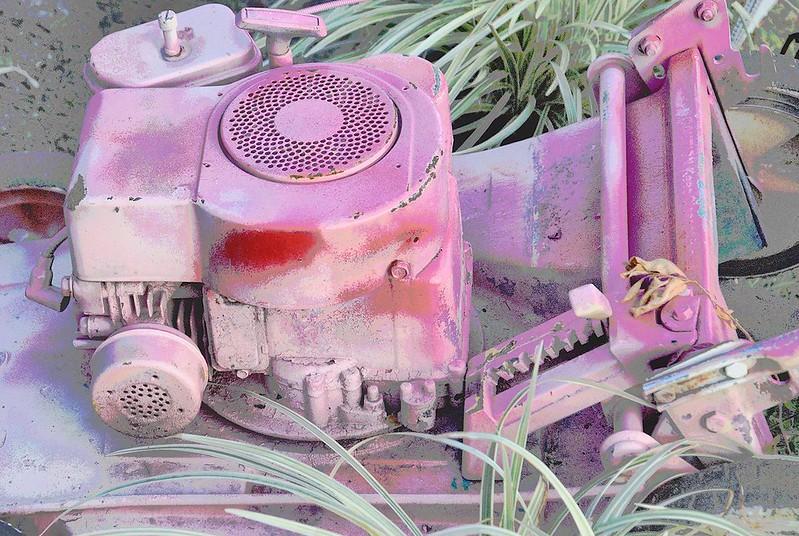

:max_bytes(150000):strip_icc()/GettyImages-1440604227-00557bb23ed64612aeb825f019f14cea.jpg "How to Safely Dispose of Old Gasoline From Your Lawn Mower, According ...")