


Is your lawn mower giving you a workout every time you mow? From clogged grass clippings to worn-out wheels, several common issues can make pushing your mower feel like a chore. In this article, we’ll walk you through the most likely causes and practical solutions to get your mower moving smoothly again—without breaking your back.
Key Takeaways
- Grass clogs and debris buildup can increase resistance and make your mower hard to push. Regularly clean the deck and undercarriage to prevent this.
- Worn or misaligned wheels create extra friction. Check wheel alignment and replace worn bearings or bushings.
- Engine issues like a dirty air filter or old spark plug reduce power, making the mower feel sluggish and hard to maneuver.
- Improper tire pressure increases rolling resistance. Always inflate tires to the manufacturer’s recommended PSI.
- Uneven terrain or thick grass demands more effort. Adjust cutting height and mow when grass is dry and less dense.
- Faulty or damaged drive belts in self-propelled models can cause the wheels to drag. Inspect and replace if necessary.
- Weight imbalance or worn-out axles can throw off the mower’s balance, increasing push resistance.
📑 Table of Contents
Why Is My Mower So Hard to Push?
Have you ever stood at the edge of your lawn, grip tightened on the handles, and wondered, “Why is my mower so hard to push?” You’ve done everything right—regular maintenance, proper storage, and even used fresh gasoline. Yet, every time you fire up the mower, it feels like you’re pushing against the resistance of a small hill. You’re not alone. Millions of homeowners face this frustrating problem every season, and it’s more common than you might think.
The truth is, lawn mowers aren’t designed to be workout machines. They’re built for efficiency and ease of use. So when your mower starts fighting you, something is off. It could be a simple fix—like a clogged deck or low tire pressure—or it might indicate a deeper mechanical issue. The good news? Most causes of a hard-to-push mower are fixable with a bit of troubleshooting and some elbow grease. In this guide, we’ll explore the top reasons why your mower is resisting your efforts and how to solve them step by step.
Common Causes of a Hard-to-Push Lawn Mower
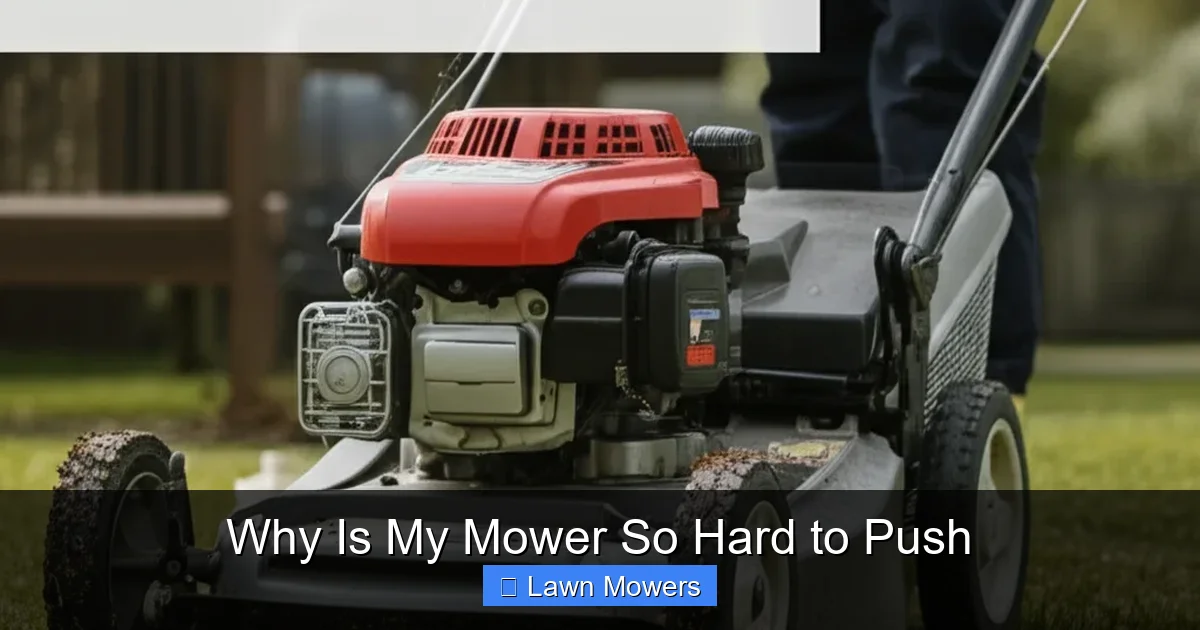
Visual guide about Why Is My Mower So Hard to Push
Image source: res.cloudinary.com
Understanding why your mower is hard to push starts with identifying the underlying causes. These issues often fall into a few key categories: mechanical problems, maintenance oversights, or environmental factors. Let’s break them down.
1. Clogged Grass and Debris Buildup
One of the most frequent culprits behind a heavy mower is a clogged mower deck. Over time, grass clippings, leaves, and dirt accumulate under the deck and around the blades. This buildup increases friction and makes the mower harder to push. Think of it like trying to slide a box across the floor when it’s filled with rocks.
For example, imagine mowing a wet lawn in late summer. The grass is thick and clings together, creating dense clumps. These clumps wrap around the blades and get sucked into the deck, forming a thick layer of mulch or debris. Now, instead of cutting cleanly, your mower is dragging this heavy mass behind it. The result? Every push feels like you’re moving through mud.
To fix this, stop the engine and disconnect the spark plug. Then, use a scraper or brush to remove grass clippings from the underside of the deck. On rear- and front-discharge mowers, check the chute opening for blockages. Regular cleaning after every few mows can prevent this issue, especially during peak growing seasons.
2. Worn or Misaligned Wheels
Your mower’s wheels are designed to glide smoothly. But over time, they can wear out, become misaligned, or lose their bearings. A wobbly front wheel or a rear wheel that’s dragging will make the mower feel unbalanced and difficult to control.
For instance, if the front wheels are uneven—one higher than the other—the mower will naturally tilt toward the lower side. This creates more resistance on the opposite side, making it harder to push. Similarly, if the rear wheels have worn axles or loose bearings, they’ll grind and drag instead of rolling freely.
To diagnose this, roll the mower by hand. Does it wobble or catch on one side? Check the wheel alignment and make sure all wheels are parallel. Replace any worn bushings or bearings, and ensure the wheels are properly tightened. On self-propelled models, misaligned drive wheels can also cause uneven power distribution, adding to the push resistance.
3. Engine Performance Issues
A weak engine doesn’t just affect cutting power—it also impacts how easy the mower is to push. If the engine isn’t running efficiently, it can’t generate enough torque, making the mower feel sluggish and heavy.
Several engine-related issues can contribute to this:
- Dirty Air Filter: A clogged air filter restricts airflow, reducing engine power. Replace it every season or as recommended by the manufacturer.
- Old Spark Plug: A worn spark plug fails to ignite fuel properly, leading to misfires and weak performance. Replace it annually.
- Clogged Carburetor: Residue from old fuel can gum up the carburetor, disrupting the fuel-air mixture. Clean or rebuild it if necessary.
- Fuel Issues: Using stale or low-quality gasoline can cause starting problems and reduced engine output. Always use fresh, high-octane fuel.
For example, if your mower has been sitting unused for months, the fuel in the tank may have degraded. This can lead to poor combustion, making the engine work harder and the mower feel heavier. Switching to fresh fuel and cleaning the carburetor can restore smooth operation.
4. Improper Tire Pressure
Just like your car, your lawn mower’s tires need the right amount of air. Underinflated tires increase rolling resistance, making the mower harder to push. Overinflated tires, on the other hand, can reduce traction and create a bumpy ride.
Manufacturers specify the ideal PSI for mower tires—usually between 15 and 25 PSI, depending on the model. Check the owner’s manual or the tire sidewall for the correct pressure. Use a reliable tire gauge to measure and adjust as needed.
Imagine mowing a long driveway with underinflated tires. The mower feels sluggish, and you have to apply more force with each push. Regularly checking and maintaining tire pressure can make a surprising difference in how easy your mower is to handle.
5. Self-Propelled Drive System Problems
If you have a self-propelled mower, the issue might lie in the drive system. These mowers use a belt or gear mechanism to help move the wheels forward. If the drive belt is worn, loose, or damaged, the wheels won’t get the assistance they need, making the mower feel like you’re pushing it manually.
Common signs of drive belt issues include squealing noises, slipping, or complete failure of the self-propulsion feature. Inspect the belt for cracks, fraying, or looseness. Replace it if necessary, and make sure the pulleys are clean and aligned.
Additionally, the drive control cable might be misadjusted. This cable connects the handle to the drive mechanism. If it’s too tight or too loose, the mower may resist movement or fail to engage properly. Consult your manual for adjustment instructions.
6. Weight and Balance Issues
Sometimes, the problem isn’t mechanical—it’s physical. If your mower is unbalanced, one side may drag more than the other. This can happen if the wheels are uneven, the deck is clogged on one side, or the axles are worn.
Also, consider the mower’s total weight. Older or heavier models—especially those with cast-iron engines—can be significantly harder to push than modern, lightweight designs. If you’ve upgraded to a lighter model and still struggle, compare the weight and design features.
Another factor is the mower’s center of gravity. If the engine or fuel tank is unevenly distributed, the mower may feel top-heavy or tail-heavy, increasing push resistance.
How to Diagnose and Fix a Hard-to-Push Mower
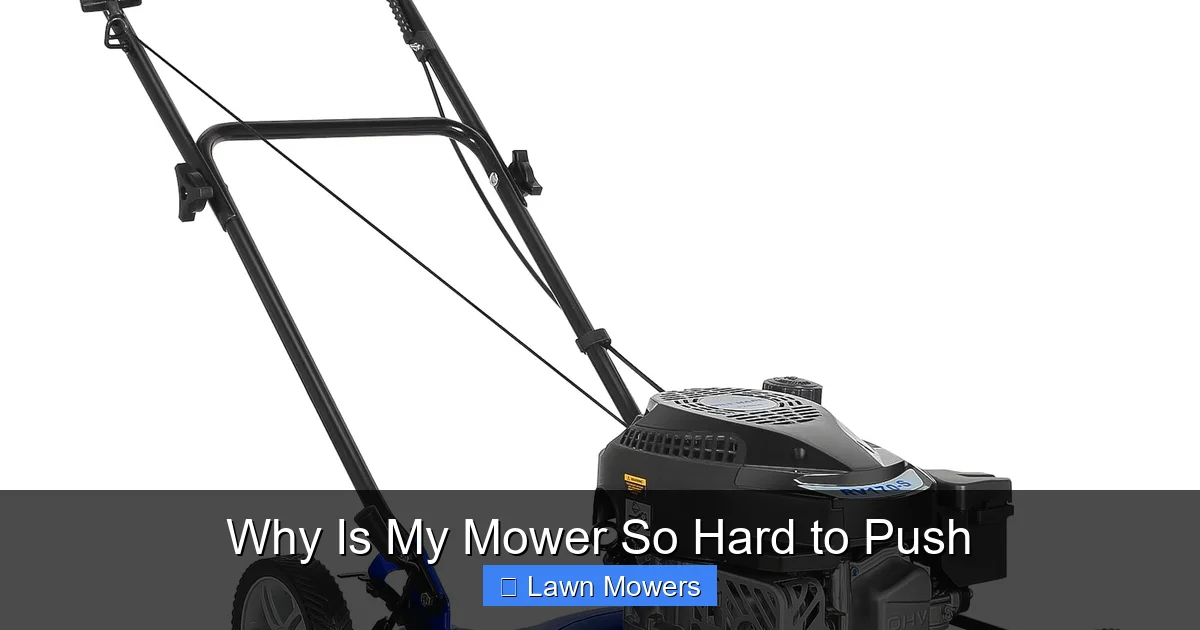
Visual guide about Why Is My Mower So Hard to Push
Image source: m.media-amazon.com
Now that you know the possible causes, let’s walk through a simple diagnostic process to pinpoint the issue.
Step 1: Inspect the Mower Deck
Start by turning off the mower and removing the spark plug wire. Lift the mower and inspect the underside of the deck. Is there a thick layer of grass or debris? If yes, clean it thoroughly using a pressure washer or scraper. Pay attention to the blade area and discharge chute.
Step 2: Check the Wheels and Axles
Roll the mower by hand to feel for wobbling or dragging. Check each wheel for proper alignment and tightness. Replace any worn bearings or bushings. Ensure the wheels are parallel and the axles are secure.
Step 3: Examine the Engine
Remove and inspect the air filter. If it’s dirty, replace it. Check the spark plug—look for signs of wear or fouling. Replace it if needed. Also, inspect the fuel system for clogs or old fuel.
Step 4: Test Tire Pressure
Use a tire gauge to check pressure in all tires. Adjust to the recommended PSI.
Step 5: Evaluate the Drive System
On self-propelled models, check the drive belt and control cable. Look for wear, looseness, or misalignment. Adjust or replace as necessary.
Step 6: Consider the Terrain and Grass Conditions
Are you mowing on a slope or in thick, wet grass? These conditions increase resistance. Try mowing when the grass is dry and shorter. Adjust the cutting height to reduce strain.
Preventive Maintenance Tips
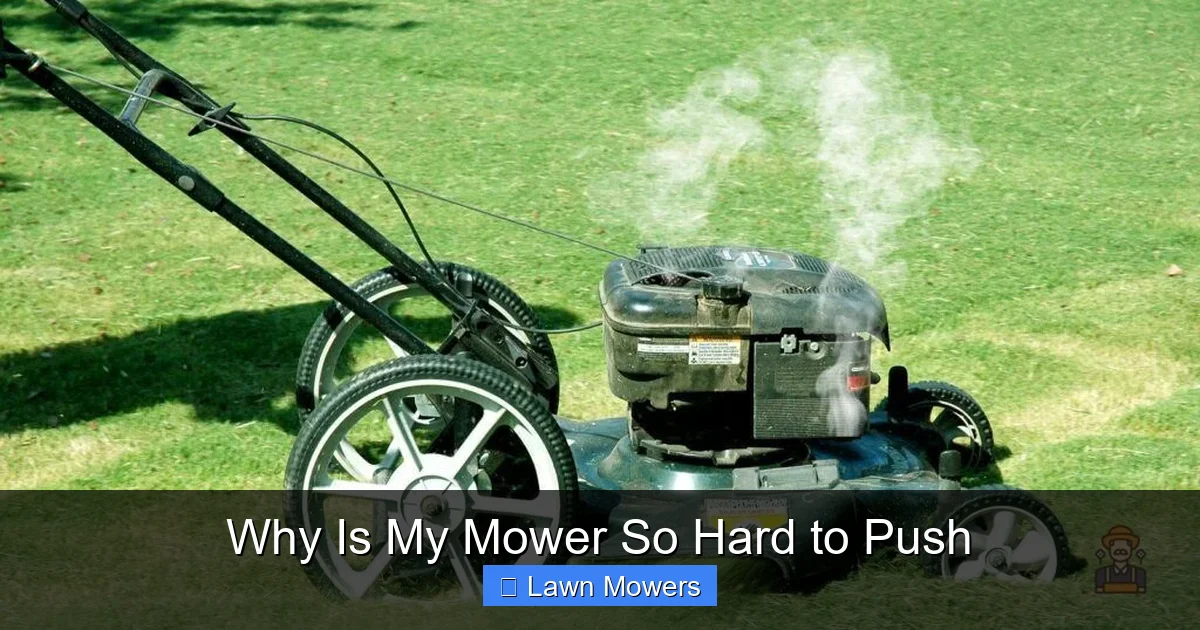
Visual guide about Why Is My Mower So Hard to Push
Image source: mensgardening.com
The best way to avoid a hard-to-push mower is through consistent maintenance. Here are some practical tips:
- Clean the mower deck after every 5–10 uses. This prevents buildup and keeps the mower running smoothly.
- Change the oil and filters annually. Fresh oil reduces engine friction and improves performance.
- Store the mower properly. Use fuel stabilizer if storing for long periods to prevent fuel degradation.
- Inspect belts and cables regularly. Replace worn parts before they fail.
- Keep tires inflated correctly. Check pressure monthly, especially before mowing season.
For example, a homeowner in Ohio who cleans their mower deck after every mow reports significantly less push resistance and a longer mower life. Small habits like these can make a big difference.
When to Call a Professional
While many issues are DIY-friendly, some problems require professional attention. If you’ve tried the above steps and the mower still feels heavy, consider:
- Internal engine damage (e.g., seized piston or crankshaft)
- Complex carburetor or fuel system issues
- Warranty-covered repairs
- Unusual noises or vibrations that persist
A certified technician can diagnose and fix deeper mechanical problems, often saving you time and money in the long run.
Conclusion
A lawn mower should make your yard work easier, not harder. If your mower is hard to push, it’s not just an inconvenience—it’s a sign that something needs attention. From clogged decks to worn wheels and engine issues, the causes are varied but often fixable. By following a systematic approach to diagnosis and maintenance, you can restore your mower’s ease of use and extend its lifespan.
Remember, the key is prevention. Regular cleaning, proper storage, and routine inspections can keep your mower running smoothly for years. And when in doubt, don’t hesitate to seek professional help. A little effort now can save you from a lot of frustration later.
So the next time you reach for your mower, take a moment to check those basics. With a few simple fixes, you’ll be cutting your lawn with ease—no extra workout required.
Frequently Asked Questions
Why does my lawn mower feel heavier than usual?
Your mower may feel heavier due to clogged grass buildup, worn wheels, or engine issues. Cleaning the deck, checking tire pressure, and inspecting the engine can resolve the problem.
Can a dirty air filter make my mower hard to push?
Yes, a dirty air filter restricts airflow to the engine, reducing power and making the mower feel sluggish and difficult to push. Replace it regularly for optimal performance.
How often should I clean my mower deck?
Clean the mower deck after every 5–10 uses, especially during peak growing seasons. This prevents grass and debris buildup that increases push resistance.
Is it normal for a new mower to be hard to push?
Not really. While some resistance is expected, a new mower shouldn’t require excessive effort. Check for shipping damage, improper assembly, or manufacturing defects if it feels unusually hard.
Can self-propelled mowers become hard to push over time?
Yes. Worn drive belts, misaligned wheels, or faulty control cables can cause self-propelled mowers to lose their assist, making them feel like manual push mowers.
What’s the best way to prevent a hard-to-push mower?
Regular maintenance is key. Clean the deck, check tire pressure, replace filters and spark plugs, and inspect belts and wheels. Proper storage and timely repairs also help prevent issues.
