


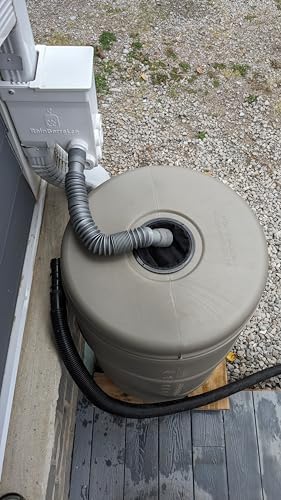
The best rain barrel diverter captures clean roof runoff, fits your downspout, and keeps overflow under control.
A rain barrel can save water and lower your outdoor water bill, but only when the downspout sends water into it with care. I have seen poor-fit diverters leak, clog, or fill a barrel with roof grit. The right kit works like a small traffic guide: it directs water to the barrel, filters leaves, and lets extra water keep moving down the drain. This guide compares eight popular options for 2026, with a close look at fit, filters, valves, hoses, setup, and value.
Best Downspout Diverter Kit

This wide-fit diverter is designed for several common rectangular and round downspout sizes. Its listed range includes 2-5/8 by 2-5/8 inch, 2 by 3 inch, 3 by 3 inch, 3 by 4 inch, and sizes up to 5 by 5 inches. That broad range makes it useful for homes where a standard 2 by 3 inch adapter may not fit. The self-flushing design also aims to move small debris away instead of letting it collect in the water path.
I like this style for larger roofs because it gives the buyer more room to match the kit with an existing gutter system. The key benefit is flexibility, not just water collection. You still need to measure the downspout and check the barrel inlet before ordering. If the fit is correct, this is a strong choice for gardeners who want a versatile rain barrel diverter with clog control.
Pros:
- Fits a wide range of rectangular downspouts
- Works with some round downspout setups
- Self-flushing design helps reduce clog buildup
- Useful for many home gutter layouts
- Good option for larger roof catchment areas
- Supports simple rainwater collection projects
Cons:
- Wide fit does not remove the need to measure first
- May require extra hose or fittings for some barrels
- Installation can take longer on unusual downspouts
Prestantious Downspout Rainwater Diverter

The Prestantious diverter focuses on two very common residential downspout sizes: 2 by 3 inches and 3 by 4 inches. That simple approach can make shopping easier for homeowners with a standard gutter system. It is a practical match for a basic rain barrel, storage tote, or garden water tank. Before installation, I would compare the listed dimensions with the outside measurements of the downspout.
This model suits buyers who do not need a large multi-size kit. A simple diverter can be easier to understand and less distracting during setup. It is best used on a level, stable barrel with a clear overflow route. For a standard home gutter, it may be the best rain barrel diverter for a shopper who wants a focused, no-frills fit.
Pros:
- Targets two popular residential downspout sizes
- Simple design may reduce installation confusion
- Good fit for basic rain barrel projects
- Useful for gardeners with standard gutters
- Less bulky than some wide-range diverters
- Supports a clean and direct water path
Cons:
- Limited size range compared with universal kits
- May not fit round or oversized downspouts
- Barrel hose and overflow parts may need separate purchase
Anivia Rain Barrel Diverter Kit

The Anivia kit fits 2 by 3 inch or 3 by 4 inch downspouts and includes a valve and filter. Those two parts matter in daily use. The filter helps screen leaves and larger roof debris, while the valve gives you a way to control the flow or close the line for service. The white finish may blend well with light-colored siding and downspouts.
I see this kit as a balanced choice for a first rain barrel project. It offers more control than a plain open connector, yet it stays focused on the parts most homeowners need. Keep the filter clean, and inspect the seal after heavy storms. If you want a rain barrel diverter with basic water control and filtration, this one deserves a close look.
Pros:
- Fits common 2 by 3 and 3 by 4 downspouts
- Includes a filter for larger debris
- Includes a valve for flow control
- Works well for first-time rain barrel users
- Light color may blend with pale gutter systems
- Provides useful control during cleaning and winter storage
Cons:
- Does not cover every downspout shape
- Filter still needs regular cleaning
- May need extra tubing for a distant barrel
Rain Barrel Diverter Kit with Hole Saw

This kit is made for rectangular downspouts and includes a hole saw set. The included tool can save a trip to the hardware store when you need to make an inlet opening in a plastic barrel or container. Its design also aims to install without taking apart the full downspout. That can help when the gutter is high, fixed tightly to the wall, or awkward to remove.
I would choose this option for a hands-on homeowner who wants to turn a suitable plastic container into a rain barrel. The hole saw is useful, but safe drilling still matters. Wear eye protection, support the container, and measure the hole twice before cutting. This may be the best rain barrel diverter for a DIY user who values a more complete installation package.
Pros:
- Includes a hole saw set
- Designed for rectangular downspouts
- May install without full downspout removal
- Useful for converting plastic containers
- Can reduce the need for extra tool purchases
- Good match for custom rain barrel projects
Cons:
- Requires careful drilling and measurement
- Not intended for every round downspout
- DIY setup may take more time than a plug-in kit
Rain Barrel Diverter with Filter and Spigot

This kit fits 2 by 3 inch and 3 by 4 inch downspouts and adds both a filter and brass spigot. The filter helps keep larger particles out of the barrel, while the spigot gives you a firm outlet for a hose or watering can. A metal spigot can feel more solid during repeated use than a light plastic outlet. Still, the barrel wall must support the fitting without flexing or cracking.
This is a good match for people who want the main water-use point included in the kit. I would place the barrel on a strong, level base so the outlet stays easy to reach. The filter should be checked after the first few storms, since roof debris varies by season and tree cover. For direct garden use, this may be the best rain barrel diverter in this group for buyers who value a built-in spigot.
Pros:
- Fits common 2 by 3 and 3 by 4 downspouts
- Includes a debris filter
- Includes a brass spigot
- Useful for filling cans and connecting hoses
- Practical for regular garden watering
- Offers a solid outlet point for collected water
Cons:
- Filter maintenance remains necessary
- Needs a firm barrel wall and stable base
- May require added hose or overflow hardware
WADEO Upgraded Rain Barrel Diverter

The upgraded WADEO kit is made for 2 by 3 inch and 3 by 4 inch downspouts and comes in brown. That color can look more natural beside wood siding, brick, mulch, or dark garden beds. Its standard fit targets the most common residential gutter sizes. As with every model here, I recommend measuring the downspout before buying rather than relying only on the product name.
This kit makes sense for a homeowner who cares about appearance as well as function. A matching dark or earthy color can make the rainwater setup feel less like an add-on. It is a practical choice for a single-barrel system near a porch or garden path. If your needs are simple and your downspout matches, it could be the best rain barrel diverter for a tidy outdoor setup.
Pros:
- Fits common residential downspout sizes
- Brown color may blend with many outdoor spaces
- Suitable for single-barrel collection systems
- Good option for visible installations
- Simple size choice makes shopping easier
- Works well for garden-focused water savings
Cons:
- Limited fit range
- Color may not match white or light siding
- Extra accessories may be needed for some barrel layouts
WADEO Rainwater Collection System

The WADEO rainwater collection system fits 2 by 3 inch or 3 by 4 inch residential downspouts. It includes an adjustable valve, filter, and a 5-foot hose. That hose gives you more freedom when the barrel cannot sit directly beside the downspout. The black finish is often a good visual match for dark trim, black barrels, and modern garden spaces.
I find a longer hose especially helpful for renters, small yards, and layouts where the barrel must sit a short distance away. The adjustable valve can help manage flow and make service easier. Check that the hose slopes toward the barrel so water does not sit in a low loop. For flexible placement, this is a strong candidate for the best rain barrel diverter in 2026.
Pros:
- Includes a 5-foot hose
- Includes an adjustable valve
- Includes a filter
- Fits common 2 by 3 and 3 by 4 downspouts
- Allows more flexible barrel placement
- Black finish suits many modern outdoor spaces
Cons:
- Hose routing needs a steady downward slope
- Only supports listed rectangular sizes
- Longer hose runs may need extra support
Rain Barrel Diverter Kit for Rectangular Downspouts
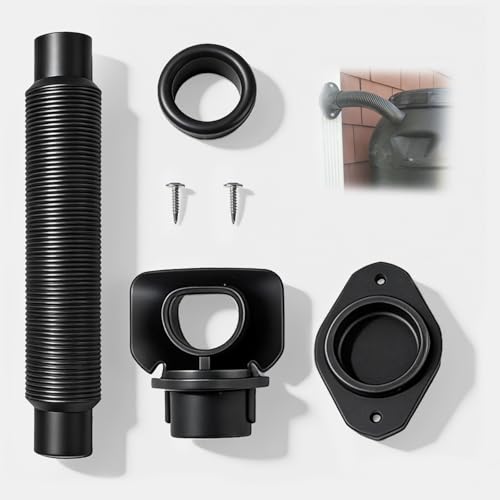
This one-set kit is aimed at rectangular downspouts and offers a straightforward way to add rainwater collection. Its compact approach may suit a homeowner who already has a barrel and only needs the diverter connection. A smaller parts list can make the project feel less daunting. However, you should confirm the included connection size and compare it with your gutter before installation.
I would consider this model for a basic replacement or a small garden project. It can be a sensible choice when you do not need a long hose, broad size range, or extra drilling tools. Plan the overflow path before you connect the barrel, because a full barrel must send excess water away from the foundation. This is a practical budget-style rain barrel diverter for simple rectangular downspout systems.
Pros:
- Simple one-set design
- Made for rectangular downspouts
- Useful for basic barrel replacement projects
- May suit smaller gardens and yards
- Compact setup can reduce visual clutter
- Good starting point for a simple collection system
Cons:
- May have fewer accessories than full kits
- Size compatibility needs careful checking
- May require separate overflow and hose parts
My Recommendation
After comparing the designs, I would match the kit to the job rather than choose only by price. The wide-fit self-flushing model is the most flexible choice for unusual or larger downspouts. The WADEO system is better when the barrel must sit several feet away, thanks to its included 5-foot hose. The Anivia and brass-spigot kits are strong choices for users who want filtration and simple water control.
For a standard 2 by 3 inch or 3 by 4 inch gutter, the Prestantious kit keeps things simple. DIY users may prefer the hole-saw kit because it supports container conversion without full downspout removal. The brown WADEO model works well when outdoor appearance matters, while the final rectangular kit fits a smaller, basic project. In every case, use the correct overflow route and never rely on a full barrel to hold back stormwater near your foundation.
| Best for | Why |
|---|---|
| Best overall flexibility | The wide-fit self-flushing diverter supports many downspout sizes and helps limit clogs. |
| Best for flexible placement | The WADEO collection system includes a 5-foot hose, adjustable valve, and filter. |
| Best for direct garden use | The filter-and-brass-spigot kit gives users a convenient outlet for cans and hoses. |
How to Choose the Best Rain Barrel Diverter
The best rain barrel diverter is not always the most expensive one. It is the model that fits your downspout, barrel, climate, and watering plan. A perfect-looking kit can still fail if the outlet sits too low or the hose bends upward. I use a short checklist before buying, much like checking a boot before a long hike.
Measure the Downspout First
Most residential downspouts are rectangular, but size and shape vary. Common sizes include 2 by 3 inches and 3 by 4 inches. Some homes use larger square channels, while older or custom systems may use round pipe. Measure the outside width and depth, then compare those numbers with the product listing.
Do not assume a 3 by 4 inch downspout will accept a 2 by 3 inch diverter. A loose connection can leak behind the siding or splash water near the foundation. A tight fit creates a cleaner water path and reduces the need for messy sealant work.
Look for a Filter or Debris Screen
Roof runoff can carry leaves, seeds, grit, and small insects. A filter does not make rainwater safe to drink, but it can reduce large debris inside the barrel. It also helps protect a hose or spigot from blockage. If you live under trees, filter care should be part of your normal garden routine.
A filter only works when you clean it. Check it after the first few storms, then set a schedule based on the amount of debris you find. In autumn, you may need to inspect it more often. A neglected filter can become the smallest part of a large problem.
Check the Hose and Valve
A valve lets you stop or reduce water flow during maintenance. Some kits include an adjustable valve, while others provide a simpler outlet. A hose can make placement easier, but it must not sag into a low pocket. Water trapped in a bend can slow collection and add stress to the connection.
Choose a barrel location that is close enough for a gentle downhill run. Keep the hose away from sharp edges and hot surfaces. If you need a longer run, support it well and check every joint after the first heavy rain.
Plan the Overflow Before Installation
Every rain barrel needs an overflow plan. Even a large barrel will fill during a long storm. Extra water should move away from the house, basement, crawl space, and walkways. You can often connect an overflow hose or direct it toward a safe garden area, but local drainage rules may apply.
Do not place a full barrel on weak soil or an unstable stand. Water is heavy, and a filled barrel can shift or tip. Use a solid base that can handle the barrel’s full weight. This simple step protects the barrel, the diverter, and your home.
Think About Winter Weather
In freezing areas, water trapped inside a diverter, hose, or barrel can expand and damage the parts. Drain the system before a hard freeze if the product instructions call for it. You may also need to disconnect the hose or move the barrel to a protected space. A winter plan helps the best rain barrel diverter last for more than one season.
Rain Barrel Diverter Installation Tips
Start by choosing a downspout section that is easy to reach. Keep the barrel close enough for the water line, but leave space to clean the filter and use the spigot. Mark the connection point with care. A rushed cut can turn a simple project into a repair job.
Use eye protection when cutting metal, vinyl, or plastic. Remove sharp burrs before fitting the diverter. Check every gasket and washer before tightening the connection. Tighten firmly, but do not crush soft plastic parts.
Once the diverter is in place, test it with a garden hose or the first light rain. Look for drips at the downspout, hose, barrel inlet, valve, and spigot. A small leak is easier to fix before a storm fills the system. I also recommend checking the setup again after the first strong wind.
Keep the barrel lid secure and use a screen where the design allows. Standing water can attract insects, while an open barrel can collect leaves and animal waste. Rainwater collected from a roof is best used for lawns, ornamental plants, and other non-drinking tasks unless it receives proper treatment and local rules allow more uses.
Common Mistakes to Avoid
The first mistake is buying before measuring. Product photos can make every diverter look universal, but downspouts are not all alike. The second mistake is skipping overflow planning. A barrel that works during a short shower can still cause trouble during hours of rain.
Another mistake is mounting the barrel too low or too high. The diverter and hose need a clear path, and the spigot should remain easy to reach. A stable raised base can improve access, but it must support the full water weight. Never use loose blocks or a weak shelf.
Some users also forget that filters need care. Leaves can form a wet mat that slows the flow. Check the filter often during leaf season and clean it with plain water. Avoid harsh cleaners that may leave residue in a system used for garden watering.
FAQs Of best rain barrel diverter
What size downspout fits most rain barrel diverters?
Many kits fit common 2 by 3 inch or 3 by 4 inch rectangular downspouts. Some models support larger or round shapes. Always measure your downspout and compare the product dimensions before ordering.
Does a rain barrel diverter stop all leaves and dirt?
No. A filter can reduce larger debris, but it does not remove every particle. Clean the screen often, especially after storms and during fall leaf drop.
Can I use collected rainwater for drinking?
Do not drink untreated roof runoff. It can contain dirt, roof material, bird waste, and other contaminants. Use it for approved outdoor tasks unless a qualified treatment system and local rules support another use.
Do rain barrels need an overflow hose?
Yes, most setups need a safe overflow path. A full barrel must send extra water away from the foundation. Direct overflow toward a suitable drainage area and follow local water rules.
What is the best rain barrel diverter for a first-time user?
A standard-size kit with a filter and valve is often easiest to manage. The Anivia kit is a practical option, while the WADEO system is useful when you need a longer hose. The best choice still depends on your measured downspout.
Final Verdict: Which Should You Buy?
For most homes, I would choose the wide-fit self-flushing kit as the best rain barrel diverter because it supports many downspout sizes and helps manage debris. Choose WADEO if you need a 5-foot hose, or the brass-spigot kit for easy garden watering.
Measure first, plan overflow, and keep the filter clean. The right rain barrel diverter can turn stormwater into a steady, useful supply for a healthier garden.
