


The best rain barrel for drinking water is a BPA-free, food-grade barrel paired with proper filtration and disinfection.
After a storm, many homeowners watch clean rainwater rush through the gutter and vanish down the drain. A good barrel can save that water for dry days, garden use, or emergency storage. Still, untreated rainwater is not automatically safe to drink. In this guide, I compare eight popular water barrels, explain their real strengths and limits, and show what to look for when choosing the best rain barrel for drinking water.
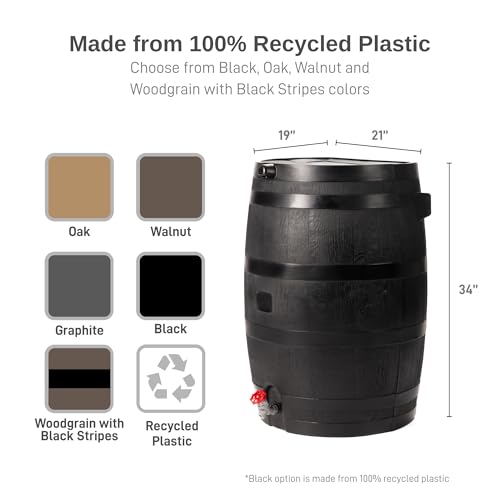
RTS ECO 50-Gallon Flat-Back Rain Barrel

The RTS Home Accents ECO barrel offers a familiar rain barrel design with a 50-gallon capacity. Its flat back lets it sit close to a wall, which helps save space beside a garage or shed. The recycled plastic body also gives it a lighter feel than many large storage tanks. I like this shape for small yards where every inch matters.
This model works best as a rain collection barrel for garden water, washing tools, and other non-drinking tasks. Its dark color may help limit light exposure, which can reduce algae growth, but it does not make collected water potable. If you plan to drink the water, add a screened inlet, a first-flush diverter, a sediment filter, and a tested disinfection method. Used with care, it can form one part of a larger water treatment setup.
Pros:
- 50-gallon size suits many home gardens
- Flat-back shape saves wall space
- Made with recycled plastic
- Dark finish helps block some sunlight
- Useful for watering plants and lawn areas
- Light enough for easier placement than a metal tank
Cons:
- Not a complete drinking-water system
- Collected water needs extra filtration and treatment
- Plastic may fade or weather after long outdoor exposure
Augason Farms 55-Gallon BPA-Free Water Barrel
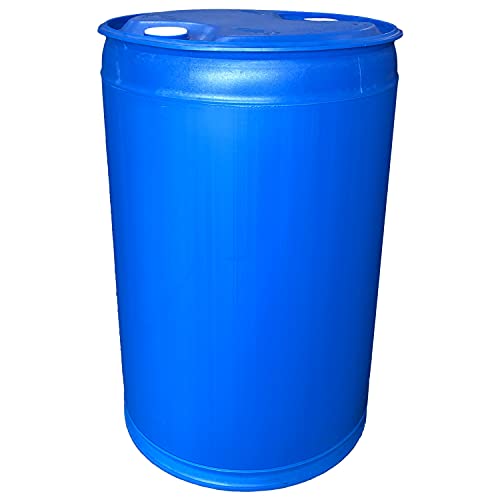
The Augason Farms 55-gallon barrel is built more like a dedicated water storage tank than a decorative rain barrel. Its BPA-free plastic construction makes it appealing for emergency water planning. The large capacity can hold a useful reserve for a family during a short outage. Its cylindrical form also makes it easy to place in a garage, basement, shed, or covered outdoor area.
I would choose this barrel for storing treated water rather than collecting raw water straight from an unprepared roof. A food-contact material is important, but it does not remove dirt, bacteria, parasites, metals, or chemicals from rainwater. Before filling it for drinking use, clean the barrel, use a safe water source, and follow current public health guidance for storage and disinfection. As a water reserve, it is a stronger match for emergency planning than for a simple backyard downspout system.
Pros:
- Large 55-gallon storage capacity
- BPA-free plastic construction
- Good choice for emergency water storage
- Fits indoor or covered storage areas
- Useful for families preparing for outages
- Sturdy tank style supports long-term planning
Cons:
- Full weight exceeds 450 pounds
- Needs a stable, level base
- Does not purify collected rainwater
- May be too large for a small apartment or patio
30-Gallon BPA-Free Blue Water Barrel

This 30-gallon blue barrel offers a useful middle ground between a small portable container and a full 55-gallon tank. Its solid-mold body has no obvious seams across the main shell, which can help support dependable storage. The two-inch bung holes provide access for filling, inspection, and cleaning. The smaller capacity also makes it easier to manage in a tight storage area.
The product is marketed for long-term drinking water use, but safe drinking storage depends on more than the barrel alone. I would inspect the plastic rating, clean the interior, use a sanitary filling method, and protect the water from heat and sunlight. For rain collection, the roof, gutter, sealants, and downspout matter just as much as the tank. This barrel is a practical option for a small household that wants a manageable backup supply.
Pros:
- More manageable size than a 55-gallon barrel
- BPA-free construction
- Solid-mold body supports durable storage
- Two-inch bung holes simplify cleaning and access
- Blue color helps limit direct light
- Made in the USA according to the listing
Cons:
- Stores less water than a 55-gallon model
- Requires a pump, siphon, or suitable outlet for easy dispensing
- Raw rainwater still needs full treatment before drinking
55-Gallon Blue BPA-Free Water Barrel
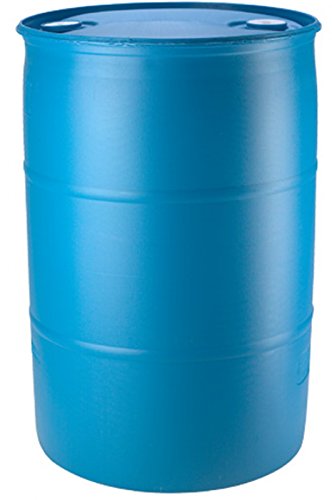
This 55-gallon blue barrel is aimed at buyers who want a larger water reserve in a traditional drum format. The solid-mold design gives the tank a simple, strong appearance. Its BPA-free construction is a helpful feature for water storage, especially when the barrel holds treated water. The blue exterior can also reduce the amount of light that reaches the contents.
Capacity is the main reason to choose this model. Fifty-five gallons can support a household during a short service interruption, yet the barrel remains smaller than many large cisterns. I recommend placing it on a strong, level platform and keeping it away from freezing temperatures and extreme heat. It may be a candidate for the best rain barrel for drinking water when paired with a verified collection and treatment system, but it is not safe to drink from directly after a storm.
Pros:
- Large 55-gallon capacity
- BPA-free material
- Solid-mold body supports repeated use
- Blue color helps protect water from strong light
- Useful for emergency preparedness
- Can serve as a long-term storage tank for treated water
Cons:
- Very heavy when full
- Needs careful handling and a strong base
- May be hard to move through narrow doors
- Does not include a complete rainwater purification system
55-Gallon Black BPA-Free Water Storage Barrel

This black 55-gallon barrel is designed for emergency water storage and general preparedness. The dark exterior can help shield stored water from light, which is useful when the container sits in a bright area. Its BPA-free construction adds confidence for storing water that has already been treated. The large size gives you a meaningful reserve without requiring a full underground tank.
I see this as a strong utility pick for a garage, utility room, or protected shed. Black plastic can become hot in direct sun, so outdoor placement requires shade and good temperature control. The barrel should stay sealed, clean, and protected from insects, dust, and chemicals. If you want the best rain barrel for drinking water in an emergency plan, this type of storage tank makes sense only when you also manage the water source and treatment steps.
Pros:
- 55-gallon emergency storage capacity
- BPA-free construction
- Black body limits light exposure
- Useful for home preparedness plans
- Works well in a protected indoor area
- Eco-friendly positioning according to the listing
Cons:
- Black plastic may heat quickly in the sun
- Full weight makes relocation difficult
- Requires a clean, stable storage location
- Does not include a complete drinking-water filter train
SQUEEZE master 50-Gallon Water Collection Barrel

The SQUEEZE master barrel targets buyers who want a rain collection setup with easier dispensing. Its 50-gallon capacity is large enough to make a visible difference in a garden, while still fitting beside many homes. The included spigots can make filling a watering can less awkward than lifting a heavy container. I also like the idea of a collection barrel that can support both routine garden use and emergency planning.
Despite its drinking-water language, I would not treat this product as a stand-alone purifier. A roof can add bird waste, dust, roofing particles, and other contaminants before water reaches the barrel. Use a leaf screen and first-flush diverter, then filter and disinfect the water if you intend to drink it. For most owners, this is better viewed as a convenient collection and dispensing barrel that can become part of the best rain barrel for drinking water system.
Pros:
- Useful 50-gallon capacity
- Designed for rain collection and storage
- Spigots make water easier to dispense
- Good fit for gardens and small homesteads
- Can reduce reliance on treated tap water for plants
- Supports emergency water planning when used with treatment
Cons:
- Rainwater is not safe to drink without treatment
- Spigots and fittings may need periodic inspection
- Requires a level base and careful installation
- Large size becomes difficult to move when full
HOANK 55-Gallon Blue Water Storage Barrel

The HOANK 55-gallon barrel offers another large, blue storage option for emergency water and household preparedness. The blue body is practical because it can reduce direct light compared with a clear container. Its 55-gallon size provides a useful reserve for a home, workshop, or small farm. The barrel also has the simple shape many buyers prefer when they want dependable storage without a complex tank system.
This is a better match for storing treated water than for drinking fresh runoff. I would keep it under cover, label it clearly, and use a dedicated hose or pump that does not touch dirty ground. Clean the barrel on a regular schedule and rotate stored water according to local emergency guidance. It can be a good value for shoppers who need capacity, but the best rain barrel for drinking water must include a complete safety plan beyond the container.
Pros:
- 55-gallon capacity supports longer emergency storage
- BPA-free construction
- Blue color helps reduce light exposure
- Useful for homes, workshops, and farms
- Made in the USA according to the product listing
- Simple tank shape is easy to plan around
Cons:
- Very heavy after filling
- Needs shade in warm outdoor locations
- Does not remove roof or airborne contaminants
- May require extra equipment for convenient dispensing
53-Gallon Collapsible Rain Barrel System

This collapsible rain barrel stands out for buyers who need flexible storage. It can be useful where a rigid 50- or 55-gallon tank would be hard to carry, store, or install. The listing includes a filter and overflow components, along with spigots for basic water control. Its 53-gallon capacity gives it nearly the same storage potential as a rigid barrel while taking less room when empty.
Portable fabric-style tanks need closer inspection than thick, solid plastic tanks. Set the container on a smooth surface without sharp stones, branches, or rough edges that could damage the material. Check the seams, valves, cover, and overflow path before each season. The included filter helps with visible debris, but it does not make raw rainwater safe for drinking; you still need certified treatment for microbes and other hazards.
Pros:
- Collapsible design saves storage space when empty
- 53-gallon capacity is useful for many homes
- Includes basic filter and overflow parts
- Spigots support easier water access
- Portable design suits renters and seasonal users
- Good option where rigid tanks are difficult to place
Cons:
- Fabric-style construction needs a smooth base
- Sharp objects can damage the tank
- Included filter does not guarantee drinking-water safety
- May need more frequent inspection than a solid barrel
My Recommendation
My top choice depends on how you plan to use the water. For treated emergency storage, I would focus on the Augason Farms 55-gallon barrel or one of the BPA-free blue 55-gallon barrels. For direct rain collection in a small yard, the RTS flat-back barrel is easier to place. For flexible seasonal use, the collapsible model is the most convenient.
The key lesson is simple: no barrel alone turns roof runoff into drinking water. The best rain barrel for drinking water is a complete system with a clean catchment surface, leaf protection, a first-flush device, fine filtration, and reliable disinfection. I would also test the finished water before regular use and follow guidance from local health officials. Product listings and materials can change, so confirm current specifications before buying.
| Best for | Why |
|---|---|
| Emergency water storage | A 55-gallon BPA-free barrel offers strong capacity for treated water. |
| Small yards and tight spaces | The RTS flat-back design sits close to a wall and saves room. |
| Portable seasonal collection | The collapsible 53-gallon tank stores compactly when not in use. |
How to Choose the Best Rain Barrel for Drinking Water
Choosing a rain barrel for drinking water requires more care than choosing one for flowers. A garden barrel only needs to hold water without leaking. A drinking-water system must also protect water quality from the roof to the glass. I always separate the barrel from the treatment system because they perform different jobs.
Start with the intended use
First, decide whether you need water for plants, cleaning, livestock, or human use. Many rain barrels work well for gardens but are not certified for potable storage. Some water barrels are made for treated drinking water, yet they are not designed to receive dirty roof runoff. Matching the barrel to the job prevents a costly and unsafe mistake.
If you need drinking water during an emergency, storing treated municipal water in a clean, sealed barrel is often simpler than collecting rain. If you want to collect rain, plan the entire system before purchasing the tank. This includes the roof material, gutter condition, screens, diverter, filter, disinfectant, and test kit.
Check the material
Look for food-contact or potable-water claims that apply to the actual product. “BPA-free” is helpful, but it does not mean the water is sterile. BPA status also does not address every chemical that might enter water from a roof, gutter, sealant, or fitting.
Solid plastic barrels usually resist punctures better than fabric tanks. Collapsible tanks save space and may suit renters, but they need a clean, smooth base. Dark colors can reduce light, while black containers can become hot in direct sun. For outdoor storage, shade and temperature control matter more than color alone.
Consider capacity and weight
Water weighs about 8.34 pounds per gallon. A full 30-gallon barrel weighs more than 250 pounds before you add the container. A full 50- or 55-gallon barrel can weigh more than 450 pounds. That is why I recommend choosing the location first and filling the tank only after it sits on a strong, level platform.
A 30-gallon barrel may be easier for one person to manage. A 55-gallon barrel offers more reserve but needs better planning. Never place a full tank on a weak deck, unstable shelf, or damaged floor. The weight can turn a small leak into a major home repair.
Look for a secure lid
A sealed lid helps keep insects, leaves, dust, and animals out. It also reduces the risk of accidental contact. The opening should still allow you to inspect and clean the tank. A cover alone does not make water safe, but an open tank creates avoidable hazards.
For a rain collection setup, use a mesh screen at the inlet. The screen should stop leaves and larger debris without blocking flow during heavy rain. Inspect it often, since pollen and roof grit can clog a fine screen quickly.
Use a first-flush diverter
The first rain after a dry period can wash dust, bird waste, pollen, and roof debris into the gutter. A first-flush diverter sends that first portion away from the barrel. This simple step can lower the dirt load before water enters the tank.
A diverter does not remove every hazard. It cannot guarantee protection from roofing chemicals, heavy metals, or microorganisms. Still, it is a smart layer in a multi-step system. Think of it as the doormat before the clean room, not the clean room itself.
Plan filtration and disinfection
Filtration and disinfection solve different problems. A sediment filter can remove visible particles, while a properly rated filter may reduce some microbes. Disinfection, such as boiling or an approved chemical method, targets organisms that a basic filter may miss.
Do not assume that a small screen or included filter makes rainwater safe to drink. Read the performance claims and confirm the filter’s tested pore size or certification. When health is involved, use current guidance from public health agencies and the filter maker. If the water looks cloudy, smells odd, or comes from a questionable roof, do not drink it.
Inspect the roof and gutters
Your roof is part of the water system. Asphalt shingles, treated wood, old metal, paint, moss control products, and roof coatings may affect water quality. Gutters can also contain dirt, insects, leaves, and metal residue.
I recommend cleaning gutters before the rainy season. Keep overhanging branches trimmed where possible. If you plan to drink collected water, ask a local water professional whether your roof and gutter materials are suitable for potable collection.
Protect water from heat and light
Heat speeds up many unwanted changes in stored water. Sunlight can encourage algae growth in containers that allow light to pass through. Even a dark barrel should sit in shade when possible.
Do not place a barrel beside fuel, pesticides, paint, or strong cleaning products. Plastic can absorb or carry odors, and a spill near the tank can create a serious contamination risk. Keep the area clean and label the container so nobody mistakes non-potable water for drinking water.
Clean and rotate stored water
Clean the barrel before use and follow the maker’s instructions. Use safe tools and avoid harsh chemicals that can leave residue. Rinse well, then allow the container to dry if the design permits.
Stored water should not sit forgotten for years. Date the barrel and keep a simple inspection schedule. Rotate water based on local emergency advice, the source of the water, and the container instructions. A clean record is as useful as a clean tank.
Rain Barrel Safety Tips for Drinking Water
Never drink untreated rainwater just because it looks clear. Clear water can still contain bacteria, viruses, parasites, chemicals, and fine particles. A barrel reduces runoff waste, but it does not act like a water treatment plant.
Use separate hoses and tools for potable water and garden water. Keep taps off the ground. Wash your hands before handling the lid, valve, or filling hose. These small habits reduce the chance of putting new dirt into a clean system.
Boiling can kill many harmful organisms, but it does not remove metals, pesticides, fuel, or other chemicals. Chemical disinfection also has limits. A treatment method must match the likely contaminants, and a water test can reveal problems that taste and smell cannot.
Local rules may limit rainwater collection, plumbing connections, or potable use. Check your city, county, or state requirements before installing a permanent system. If you connect rainwater to household plumbing, use proper backflow protection and hire a qualified professional where required.
Rigid Barrel vs. Collapsible Rain Tank
Rigid barrels usually offer better puncture resistance and a stable shape. They work well for permanent installations and long-term storage. Their main drawback is weight and size, especially when full.
Collapsible tanks are easier to move and store. They suit renters, seasonal gardeners, and homes with limited space. Their flexible material needs more care, and the base must be free of sharp objects. Choose a rigid model for durability or a collapsible model for portability.
30 Gallons vs. 55 Gallons
A 30-gallon barrel is easier to handle and may fit a smaller downspout area. It is a sensible choice when you want modest emergency storage or garden water. The tradeoff is less reserve during a long dry spell or outage.
A 55-gallon barrel captures more water from each storm. It can support a family garden or larger emergency plan. However, its full weight demands a solid platform, careful placement, and a clear plan for dispensing water.
Can You Use a Rain Barrel for Drinking Water?
Yes, but only as part of a properly designed and maintained treatment system. The barrel should be suitable for potable storage, and the collection surface should not add unsafe substances. You also need to remove debris and treat the water before drinking.
For many homes, the safer and easier plan is to store treated water in a clean, food-grade barrel. Rain collection can still provide excellent water for plants, trees, washing tools, and other non-potable tasks. When in doubt, use collected rainwater for the garden and keep drinking water in a tested, treated supply.
FAQs Of best rain barrel for drinking water
What is the best rain barrel for drinking water?
The best rain barrel for drinking water is a clean, food-grade or potable-rated barrel used with roof screening, first-flush control, filtration, and disinfection. For emergency storage, a BPA-free 30- or 55-gallon water barrel is often more suitable than a decorative garden barrel.
Is rain barrel water safe to drink?
Untreated rain barrel water is not automatically safe to drink. It can contain germs, bird waste, roof particles, metals, and chemicals. Treat and test the water before drinking, and follow current local health guidance.
Does BPA-free mean a barrel is safe for drinking water?
No. BPA-free only addresses one material concern. The barrel must be suitable for potable storage, and the water must come from a safe source or receive proper treatment.
How large should a drinking-water barrel be?
A 30-gallon barrel is easier to handle, while a 55-gallon barrel stores more water. Remember that a full 55-gallon barrel weighs more than 450 pounds, so it needs a strong, level base.
Can a rain barrel filter make water drinkable?
A basic inlet screen only removes large debris. A drinking-water system needs treatment matched to bacteria, viruses, parasites, chemicals, and metals that may be present. Check certified performance claims instead of relying on appearance or taste.
Final Verdict: Which Should You Buy?
For treated emergency storage, I favor a BPA-free 55-gallon barrel. For small spaces, the RTS flat-back model is practical. The best rain barrel for drinking water is the one paired with proper filtration, disinfection, and safe handling.
Use rain barrels wisely, inspect them often, and never trust untreated runoff. With the right setup, you can save water, prepare for outages, and protect your family.Use rain barrels wisely, inspect them often, and never trust untreated runoff. With the right setup, you can save water, prepare for outages, and protect your family.
