


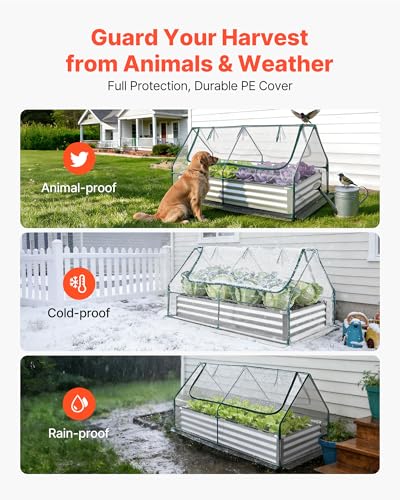
The best raised garden bed with cover protects plants, controls pests, and extends your growing season.
A windy yard, hungry rabbits, sudden frost, or summer heat can ruin a small crop fast. A raised garden bed with cover helps solve those problems while keeping soil loose, warm, and easy to manage. I reviewed these popular covered garden beds and cover systems for size, frame design, access, weather protection, drainage, and daily use. Some suit beginners, while others fit large harvests or existing planter boxes. The right pick depends on your space, plant list, climate, and need for pest control.
VEVOR 6×3 Raised Bed With Greenhouse Cover
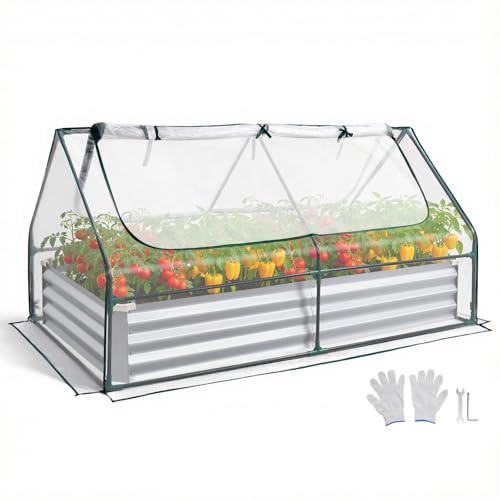
The VEVOR 6×3 raised garden bed gives you a useful middle ground between a compact planter and a full-size garden plot. Its galvanized metal frame should handle outdoor moisture better than untreated wood. The six-foot length offers room for salad greens, herbs, peppers, and several small root crops. The included greenhouse cover adds a simple layer of shelter for young plants.
I like the balance of width and access here. A three-foot bed is easier to reach from both sides, so you do not need to step into the soil. The cover can help reduce wind stress and protect tender leaves from light cold. Still, gardeners should open the cover on warm, sunny days and anchor the structure well in exposed yards.
Pros:
- Useful six-by-three-foot growing area
- Galvanized metal resists common outdoor rust
- Greenhouse cover adds cold and wind protection
- Reachable width makes planting and weeding easier
- Works well for vegetables, flowers, herbs, and fruit
- Raised soil warms and drains faster than many ground beds
Cons:
- The cover may need extra anchoring in strong wind
- One-foot depth may not suit very deep-rooted crops
- Metal sides can heat up in intense summer sun
Starcrew Cover for 48×24-Inch Raised Planter

The Starcrew cover is made for a 48-by-24-inch elevated planter from Best Choice Products. It is a smart option when you already own the planter and only need protection. Rather than buying another complete bed, you can add a fitted cover to your current setup. That makes this choice especially appealing for balcony gardens, patios, and small decks.
A cover for an elevated bed can block birds, insects, and light weather without taking much floor space. The compact size also makes daily plant checks simple. Before ordering, measure your planter carefully, including its height and any edge rails. A close fit matters because loose fabric can flap, tear, or let pests enter.
Pros:
- Designed for a specific 48-by-24-inch planter size
- Useful for patios, balconies, and small yards
- Lets owners upgrade an existing raised planter
- Helps shield plants from birds and light weather
- Small footprint fits tight outdoor spaces
- Usually simpler to store than a full garden bed
Cons:
- Not a complete raised garden bed
- Compatibility depends on exact planter dimensions
- Small size limits the number of plants you can cover
Quictent 8×4 Galvanized Bed With Cover

The Quictent 8×4 bed is built for gardeners who want real growing room. Its eight-foot length gives you space to separate crops by type, light need, or harvest time. The four-foot width remains manageable because you can reach the center from either side. Its galvanized metal construction also avoids the rot concerns that can affect basic wood beds.
The included cover turns this large bed into a simple protected growing area. It can help reduce damage from small pests, wind, and short cold spells. Large beds need careful placement, though, since moving them after filling is not practical. Choose a level spot with at least six to eight hours of direct sun for most fruiting crops.
Pros:
- Large eight-by-four-foot planting area
- Four-foot width supports access from both sides
- Galvanized metal offers long-term outdoor durability
- Cover supports earlier starts and late-season crops
- Good room for mixed vegetables and flowers
- Raised layout helps define soil and planting zones
Cons:
- Needs a fairly large, level installation area
- Filling a large bed requires a lot of soil
- Cover anchoring becomes more important in heavy wind
Starcrew Cover for 72×24-Inch Raised Planter

This Starcrew cover targets the longer 72-by-24-inch Best Choice Products elevated planter. It makes sense for gardeners who own the long version and want a fitted layer of protection. The narrow footprint works well beside a wall, along a deck, or on a long apartment balcony. It also leaves your existing planter stand and soil setup in place.
The long shape can cover a useful row of herbs, greens, or compact flowers. A fitted cover is often easier to handle than a loose sheet because it stays aligned with the planter. I would still check the product dimensions before purchase and secure the cover during storms. Ventilation matters, so open or remove it when temperatures rise inside.
Pros:
- Made for a long 72-by-24-inch planter format
- Good choice for narrow patios and decks
- Protects an existing elevated garden investment
- Suitable for herbs, greens, and compact flowers
- Long design covers more plants in one row
- Easy access to a raised planter remains possible
Cons:
- Only fits compatible long planter designs
- Does not provide extra soil or planting depth
- May require added clips or ties in rough weather
Vego Garden Mesh Cover System

The Vego Garden mesh cover system takes a different approach from a plastic greenhouse cover. It uses a frame and mesh barrier to help defend plants against common garden pests. The listed 35% shade rate may also soften harsh sunlight during hot periods. This kit is for the cover system only, so you must already have a suitable garden bed.
This design is appealing when airflow matters most. Mesh allows air to move through the bed and can reduce the trapped heat that clear plastic creates. It is a strong choice for leafy greens, brassicas, and plants that need insect protection. However, mesh will not act like a warm greenhouse, and it will not stop every small insect unless the edges close well.
Pros:
- Mesh design supports airflow around plants
- Helps create a barrier against many garden pests
- 35% shade rate can reduce harsh summer sun
- Useful for beds that already have compatible dimensions
- Reusable frame can support seasonal crop protection
- Better ventilation than many sealed plastic covers
Cons:
- Garden bed is not included
- Mesh does not provide strong frost protection
- Small pests may enter through gaps or open edges
Miory 4×2.5 Raised Bed With PE Cover

The Miory raised bed offers a compact growing space with a polyethylene cover. Its 4-by-2.5-foot footprint can fit a small yard, patio, or sunny side area. The galvanized planter frame should handle normal outdoor exposure better than untreated wood. Included labels and gloves add a helpful touch for new gardeners.
The PE cover works like a small greenhouse layer. It can hold a little warmth, reduce wind exposure, and protect young plants from light rain or pests. Two zippered windows make it easier to check plants and improve airflow. I would use this bed for herbs, lettuce, seedlings, peppers, and other compact crops rather than sprawling vines.
Pros:
- Compact size suits small outdoor spaces
- PE cover offers basic greenhouse protection
- Two zippered windows improve access and airflow
- Galvanized planter should resist outdoor moisture
- Includes useful plant labels and gloves
- Simple size works well for first-time gardeners
Cons:
- Limited space for large or spreading plants
- PE cover may need careful handling to avoid tears
- Light plastic covers need secure placement in wind
Quictent 6x3x2 Large Raised Bed With Cover

The Quictent 6x3x2 bed stands out because of its two-foot height. That extra depth gives roots more room and places the growing surface higher than a standard one-foot bed. It can be more comfortable for gardeners who prefer less bending. The six-by-three-foot footprint still fits many average yards without becoming a full garden installation.
Deep soil can benefit crops such as tomatoes, carrots, cucumbers, and larger herbs, provided the bed receives enough sun. The cover adds another layer of control for seedlings and tender plants. A tall structure can catch more wind, so I recommend placing it near a sheltered wall while leaving enough space for airflow. Use quality soil and avoid filling the bed with dense native clay.
Pros:
- Two-foot height offers generous root space
- Reduces bending during planting and care
- Six-by-three-foot size supports varied crops
- Cover helps shield plants from weather and pests
- Deep soil suits many root-heavy vegetables
- Raised design can discourage some ground pests
Cons:
- Taller frame may face more wind pressure
- Deep beds cost more to fill with quality soil
- Large plants may still outgrow the covered height
Outdoor Winter Cover for Raised Garden Beds
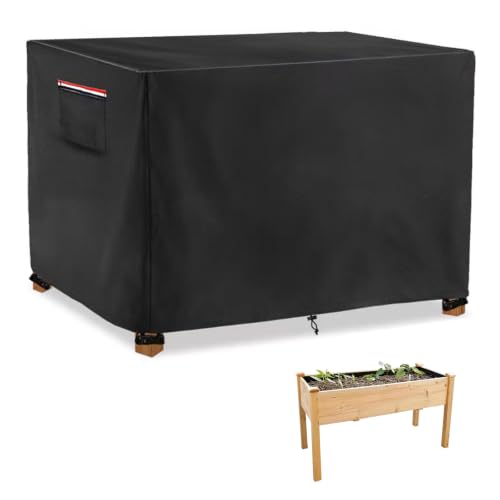
This outdoor winter cover is aimed at gardeners who already have a raised bed and need seasonal protection. It can help shield dormant plants, winter greens, and soil from cold wind and light weather. A separate cover may cost less than replacing an entire bed. It also gives you flexibility when your bed size or layout changes.
Winter covers work best when gardeners treat them as a tool, not a sealed box. Plants still need light, air, and occasional water, even during cold months. Secure the edges so wind cannot lift the cover, and remove snow before its weight builds. Check the fit before winter arrives because a loose cover rarely improves after the first storm.
Pros:
- Useful for extending the growing season
- Can protect existing raised beds during winter
- Usually easier to store than a full structure
- Helps reduce wind exposure for hardy plants
- May cost less than buying a new covered bed
- Works as a seasonal add-on for many garden setups
Cons:
- Exact fit depends on bed size and design
- May not withstand heavy snow without support
- Winter fabric alone cannot prevent severe frost damage
How I Compare the Best Raised Garden Bed With Cover Options
When I compare a covered raised bed, I start with the frame. Galvanized steel is a practical choice because it handles damp soil and outdoor moisture well. Wood can look warm and natural, but it needs more care and may eventually rot. A strong frame matters because wet soil becomes heavy, and a cover can act like a sail in wind.
Next, I check the bed size and working reach. A bed wider than four feet can make the center hard to reach without stepping into the soil. That pressure can compact the root zone. Long beds offer more planting room, but they also need more soil and a level site.
Depth changes the type of plants you can grow. One foot works for many greens, herbs, and shallow-rooted crops. Two feet gives deeper roots more room and makes the bed more comfortable for some users. Still, deeper is not always better if the cost of soil becomes too high.
The cover deserves just as much attention as the bed. Clear PE covers can add warmth and shelter, but they may trap heat on sunny days. Mesh covers offer airflow and pest control but provide little frost protection. A winter fabric cover can protect hardy plants, yet it may not replace a true greenhouse cover.
I also look for access points. Zippered doors, roll-up panels, or removable sections make watering and harvesting less frustrating. A cover that stays closed all week can create stale air and excess heat. Gardeners should be able to inspect leaves often, since early pest and disease control saves many crops.
Raised Garden Bed Cover Materials Explained
PE plastic is common in small greenhouse covers. It lets light through and may warm the space on cool days. It also needs ventilation, especially when direct sun hits the cover. If the inside feels hot and still, open a window or lift an edge.
Mesh is better for airflow. It can block larger pests while allowing rain and air to pass through. Fine mesh may offer stronger insect control than wide netting. However, mesh does not create the warm space that many seedlings need in early spring.
Fabric covers are useful for frost and winter care. Their value depends on the weight, fit, and weather. Fabric should not rest heavily on tender leaves, and wet snow can stretch or tear it. A simple support frame can add years to a seasonal cover.
How to Set Up a Covered Raised Garden Bed
Start with a level site. Uneven ground can twist the frame and leave gaps under the cover. Choose a location with good sun, easy water access, and enough room to walk around the bed. Keep the structure away from low spots where water collects after rain.
Build the frame before adding soil. Check every fastener and corner, then test the cover frame. This step is easier when the bed is empty. Once filled, even a small frame is difficult to shift.
Use a soil blend that drains well. A common approach is quality topsoil mixed with compost and an aerating material, but the best ratio depends on the crop and local soil. Avoid using pure compost as the full fill because it can settle and hold too much water. A local extension office can help you choose a blend for your region.
After planting, water slowly and watch drainage. Covered beds may dry at a different rate from open beds. Plastic covers can reduce rain reaching the soil, while mesh covers may let most rain through. Test moisture with your finger before watering again.
How to Use a Greenhouse Cover Safely
A greenhouse cover is not a set-and-forget item. Sun can raise the inside temperature much faster than many new gardeners expect. Open the doors or windows during warm afternoons. Close them before a cold evening if your plants need extra shelter.
Do not rely on a cover alone during a hard freeze. Use the plant’s cold tolerance as your guide. Hardy greens may handle cool air, while tomatoes, peppers, and tender herbs can suffer quickly. A cover can slow heat loss, but it cannot create unlimited warmth.
Anchor the cover at the base. Clips, ties, ground pins, or weighted edges can help, based on the design. Avoid sharp objects that can cut plastic or fabric. Inspect seams after strong weather and repair small tears before they spread.
Planting Ideas for a Raised Garden Bed With Cover
Small covered beds work well for lettuce, spinach, kale, chives, parsley, and radishes. These crops have modest root needs and can provide quick harvests. Succession planting can keep the bed productive. Sow a small row every few weeks instead of planting the whole bed at once.
Medium beds can hold peppers, bush beans, carrots, beets, and compact tomatoes. Give each plant enough space for air movement. Crowding may seem efficient, but it can increase leaf disease. Use the cover to protect young plants, then adjust it as the plants grow.
Large beds can support a mixed plan. Place tall plants on the north side so they do not shade shorter crops. Keep sprawling vines near an edge and train them outward when possible. A simple map helps you remember where each crop grows and where you added compost.
Covered beds also help with flowers. Marigolds, calendula, nasturtiums, and compact pollinator plants can add color. Avoid treating companion planting as a cure-all for pests. Good soil, clean tools, plant spacing, and regular inspection matter more.
My Recommendation
For most gardeners, the VEVOR 6×3 raised bed is the best raised garden bed with cover in this group. It offers a useful size, a metal frame, and a greenhouse-style cover without taking up the space of the largest models. It suits beginners, families, and gardeners who want room for several crops.
Choose the Quictent 8×4 if your main goal is maximum planting space. Pick the Quictent 6x3x2 if deep soil and less bending matter most. The Miory is a better fit for small patios, while the Starcrew covers are best for people who already own a compatible elevated planter. The Vego system is the right match when pest control and airflow matter more than frost protection.
| Best for | Why |
|---|---|
| Most home gardeners | The VEVOR 6×3 offers a balanced size, metal frame, and included cover. |
| Large harvests | The Quictent 8×4 provides broad planting space for mixed vegetables. |
| Small patios and balconies | The Miory 4×2.5 gives compact growers a covered, easy-to-manage bed. |
FAQs Of best raised garden bed with cover
What is the best raised garden bed with cover for beginners?
The VEVOR 6×3 model is a strong beginner choice because it offers useful space without becoming difficult to manage. Its cover adds protection, while the three-foot width keeps most plants within reach.
Does a raised garden bed with cover need drainage?
Yes. Raised beds need well-draining soil, and any solid container must have a suitable way for excess water to escape. Poor drainage can cause root rot and weak plant growth.
Will a greenhouse cover protect plants from frost?
It can reduce cold exposure, but it may not stop damage during a hard freeze. Use plant covers, extra insulation, or approved heat protection when temperatures drop sharply.
Is mesh better than plastic for a raised garden bed cover?
Mesh is better for airflow and insect control. Plastic is better for warmth and wind protection. Choose based on your climate and the crops you plan to grow.
How do I stop a garden bed cover from blowing away?
Secure the cover to the frame and anchor the lower edges. Ground pins, clips, ties, or weights can help. Check the cover after each strong wind event.
Final Verdict: Which Should You Buy?
The VEVOR 6×3 is my top pick for the best raised garden bed with cover. It offers a practical size, durable metal sides, and useful greenhouse protection for many home crops.
Choose the Quictent 8×4 for space, the Quictent 6x3x2 for depth, or the Miory for compact areas. Match the cover to your weather, plants, and available space for the best results.
