Best Raised Garden Bed For Vegetables: Smart Buying Guide
The best raised garden bed for vegetables offers safe depth, strong walls, good drainage, and enough room for healthy roots.
Many gardeners want fresh tomatoes, lettuce, peppers, or herbs but face poor soil, weeds, pests, or limited space. A raised bed solves these problems by giving you control over the soil mix and planting area. I reviewed seven popular metal and wood models for the 2026 growing season. I focused on size, depth, build, drainage, access, and value. My top pick is the Best Choice Products 6-by-3-by-2-foot galvanized steel bed because it gives vegetables deep soil, a large growing area, and an open bottom at a fair price.
See the differences between my top picks at a glance.
| Model | Material | Size or height | Best for | Key benefit | Amazon |
|---|---|---|---|---|---|
| Best Choice 6×3×2 ft | Galvanized steel | Deep bed | Most vegetables | Strong, open bottom | View on Amazon |
| Best Choice 72×24×30 in | Galvanized steel | 30 in high | Back-friendly gardening | Easy standing access | View on Amazon |
| Best Choice 8×4×2 ft | Galvanized steel | Deep, wide bed | Large gardens | 478-gallon capacity | View on Amazon |
| Best Choice 72×24×30 in Wood | Wood | 30 in high | Patios and balconies | Divider and six legs | View on Amazon |
| Land Guard Oval | Galvanized steel | Large oval bed | Long-term outdoor use | Rounded design | View on Amazon |
| Best Choice 48×24×30 in Wood | Wood | 30 in high | Small spaces | Bed liner included | View on Amazon |
| Best Choice 8×2 ft Wood | Wood | Long ground bed | Rows of vegetables | Simple layout | View on Amazon |
| Best Choice 4×2×2 ft | Galvanized steel | Deep compact bed | Small yards | 119-gallon capacity | View on Amazon |
Best Choice Products 6×3×2 ft Steel Bed
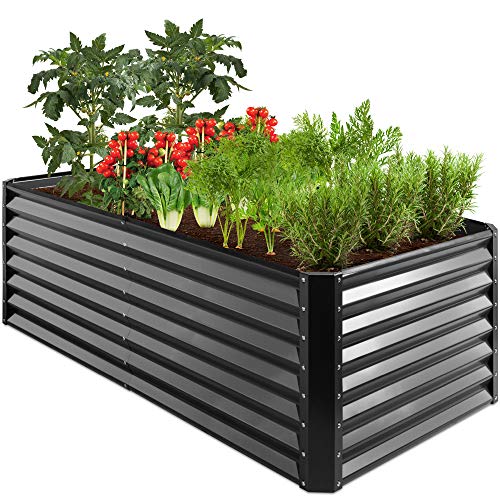
This 6-by-3-by-2-foot bed is my top choice for most home vegetable gardens. Its galvanized steel walls create a deep planting area for tomatoes, peppers, carrots, beans, and herbs. The open bottom lets excess water drain into the ground. That design also lets deep roots move below the raised soil when conditions allow.
The listed 269-gallon capacity gives you room to build a rich soil mix without crowding plants. The gray finish looks neat in a yard, and steel does not rot like untreated wood. I would place it on level ground and fill it with quality topsoil, compost, and a suitable soil amendment. Measure the location first, since a full bed becomes difficult to move.
Pros:
- Deep 2-foot growing space
- Open bottom supports natural drainage
- Galvanized steel resists rot
- Good width for several vegetables
- Useful 269-gallon capacity
- Works well for custom soil mixes
Cons:
- Filling a deep bed needs a large amount of soil
- It may need help during assembly
- Metal edges require careful handling
What Amazon Buyers Are Saying
Buyer feedback commonly focuses on the roomy size, clean look, and simple raised layout. Gardeners also tend to like the deep walls for root crops and mixed plantings. As with many large kits, some reports mention assembly time, thin panels, or the need to check every fastener during setup. Experiences can vary by shipment and installation surface.
My Recommendation
I recommend this model for gardeners who want one strong, deep bed without building a wood frame. It offers the best mix of space, root depth, drainage, and price in this group. It is worth buying if you can prepare a level site and afford the soil volume.
| Category | Rating |
|---|---|
| Build quality | 4.5/5 |
| Vegetable space | 4.8/5 |
| Drainage design | 4.7/5 |
| Value | 4.6/5 |
| Overall | 4.7/5 |
Best Choice 72×24×30 in Metal Bed

This elevated metal planter stands about 30 inches high, so it suits people who want less bending. The 72-by-24-inch footprint gives you a long planting strip for lettuce, greens, herbs, and compact pepper plants. Its galvanized construction should handle normal outdoor use better than untreated wood. The raised design can also help separate garden soil from a patio or other hard surface.
This bed is not the same as a deep, open-bottom ground bed. It holds soil above the floor, so drainage and weight deserve extra care. Use a stable surface that can support a filled planter. I would also check the drain holes and keep the soil mix light but fertile.
Pros:
- 30-inch height reduces bending
- Long shape suits row planting
- Galvanized metal avoids wood rot
- Fits many patios and small yards
- Useful for herbs and leafy crops
Cons:
- Less growing width than a 4-foot bed
- Full soil weight can be high
- Not ideal for large root crops
What Amazon Buyers Are Saying
Common buyer comments for elevated planters praise easier access and a tidy appearance. Buyers often view this style as useful for patios, older gardeners, and anyone with limited mobility. The main concerns in this product class involve assembly, drainage, and the weight of wet soil. Confirm the listed details and inspect the planter after delivery.
My Recommendation
This is a smart pick when comfort matters more than maximum soil volume. I would choose it for greens, herbs, and compact vegetables near a door or patio. It earns a strong score for access, but the first model is better for a full ground garden.
| Category | Rating |
|---|---|
| Access height | 4.8/5 |
| Vegetable space | 4.1/5 |
| Stability | 4.2/5 |
| Value | 4.3/5 |
| Overall | 4.4/5 |
Best Choice 8×4×2 ft Steel Bed
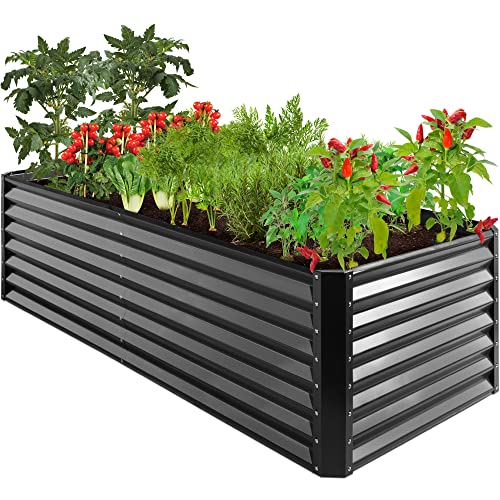
This is the largest steel bed in the review. Its 8-by-4-foot layout gives you 32 square feet of growing area, while the 2-foot depth supports a wide range of vegetables. The listed 478-gallon capacity can support a serious home garden. You can grow several plant groups in one bed and still leave room for paths between crops.
The large size is both its strength and its main challenge. It needs a level site, plenty of soil, and careful planning before you assemble it. I suggest placing it near water and leaving enough space to reach every side. Avoid stepping into the bed, because compacted soil can harm roots and drainage.
Pros:
- Largest planting area in this review
- Deep soil suits many root systems
- 478-gallon listed capacity
- Open-bottom design supports drainage
- Excellent for family-size harvests
- Strong alternative to several small beds
Cons:
- High soil cost and filling effort
- Needs a large, level garden site
- Assembly may be easier with two people
What Amazon Buyers Are Saying
Buyers who choose large beds often praise the extra room and the ability to separate crops by section. Many also like the metal look and deep soil area. The usual complaints concern the time needed to assemble the panels and the amount of soil required. A careful site plan helps prevent most placement problems.
My Recommendation
Choose this model if you want a serious vegetable plot and have the space to support it. It is too large for a small patio, but it is excellent for tomatoes, squash support, greens, and root vegetables. For a large household garden, it may be the best raised garden bed for vegetables among these options.
| Category | Rating |
|---|---|
| Growing capacity | 4.9/5 |
| Root depth | 4.7/5 |
| Site flexibility | 3.7/5 |
| Value for large gardens | 4.6/5 |
| Overall | 4.6/5 |
Best Choice 72×24×30 in Wood Bed

This elevated wood planter brings a warmer look than a steel bed. It measures 72 by 24 inches and stands about 30 inches high. The six-leg design aims to support the planter, while the divider panel can help separate herbs, salad greens, or different soil mixes. It works well where a ground bed would not fit.
Wood needs more care than galvanized steel. Keep the planter away from constant standing water and inspect the legs each season. Since the product lists a 300-pound capacity, plan the soil amount with that limit in mind. A light potting mix may be more suitable than dense garden soil for a raised patio planter.
Pros:
- Comfortable standing height
- Warm natural appearance
- Divider supports crop separation
- Six legs spread the load
- Good fit for patios and balconies
Cons:
- Wood can weather over time
- Limited depth for large root crops
- Soil weight must stay within the capacity
What Amazon Buyers Are Saying
Customer discussions around this type of planter often highlight the attractive wood finish and easy access. Buyers also value the divider when they want herbs in one section and vegetables in another. Common concerns include assembly fit, wood durability, and the need to protect the planter from wet ground. Treat the listed capacity as an important safety limit.
My Recommendation
I recommend it for renters, patio growers, and gardeners who prefer wood over metal. It is not my first choice for deep-rooted vegetables or a very wet climate. Still, it offers a useful raised growing space with a pleasant look and good access.
| Category | Rating |
|---|---|
| Access | 4.7/5 |
| Design | 4.5/5 |
| Root space | 3.8/5 |
| Outdoor durability | 3.8/5 |
| Overall | 4.2/5 |
Land Guard Oval Galvanized Garden Bed
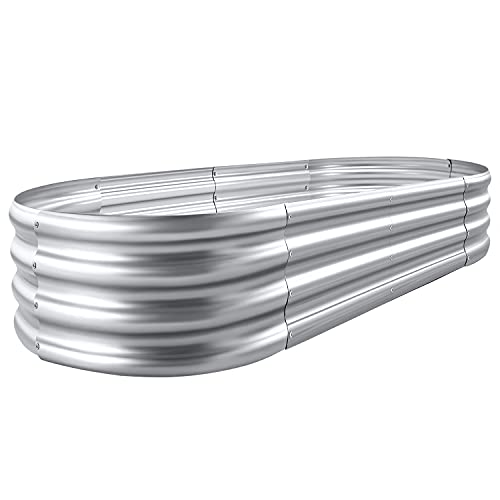
The Land Guard oval bed gives gardeners a rounded alternative to the usual rectangle. Its galvanized metal construction suits outdoor use and avoids the rot risk found with untreated wood. The oval shape has no sharp square corners, which can make the bed easier to move around in a busy garden. It also creates a clear border for soil, mulch, and plants.
This style works best when you want a focal point or a flexible layout. Check the exact size and depth on the current Amazon listing before ordering, since Land Guard offers several bed sizes. Keep tall crops toward the center or north side so they do not shade smaller plants. Add compost gradually rather than filling with poor native soil alone.
Pros:
- Galvanized steel resists normal outdoor moisture
- Oval shape looks distinct in the yard
- Rounded ends reduce harsh corners
- Useful for mixed vegetables and herbs
- Easy to arrange as a garden feature
Cons:
- Exact capacity depends on the selected size
- Oval beds can be harder to reach in the center
- Metal panels may need careful alignment
What Amazon Buyers Are Saying
Buyers commonly mention the oval profile, simple garden setup, and metal construction as strong points. Many use this shape for flowers, herbs, and vegetables near lawns or walkways. The most useful caution is to confirm the chosen size, since product variations can look similar. Some gardeners also note that assembly takes patience.
My Recommendation
This is a good choice when appearance and shape matter as much as planting area. I would select it for a central garden bed or a rounded border. If you want the easiest square layout for intensive vegetable planting, the Best Choice rectangular steel beds are more practical.
| Category | Rating |
|---|---|
| Material | 4.5/5 |
| Shape and style | 4.5/5 |
| Planting efficiency | 4.1/5 |
| Value | 4.3/5 |
| Overall | 4.4/5 |
Best Choice 48×24×30 in Wood Bed

This compact elevated wood planter suits small yards, balconies, decks, and patios. Its 48-by-24-inch footprint gives you a manageable space for salad greens, herbs, radishes, and compact peppers. The 30-inch height makes planting and harvesting easier than a bed placed on the ground. A bed liner is included, which helps keep soil in place and separates it from the wood.
The listed 200-pound capacity matters here because wet soil becomes heavy. I would use a light, well-draining mix and avoid overfilling it. The smaller size also makes it easier to maintain a steady watering routine. It will not replace a large garden, but it can produce a useful harvest in a very small area.
Pros:
- Compact footprint
- Comfortable 30-inch height
- Includes a bed liner
- Good for herbs and greens
- Works on many patios
- Easy size for new gardeners
Cons:
- 200-pound capacity limits soil choice
- Small area cannot hold many large plants
- Wood needs protection from long-term moisture
What Amazon Buyers Are Saying
Buyers often like this planter because it fits where a full garden bed cannot. The height and simple design receive positive attention from people who want easier access. Typical concerns include the smaller growing area, assembly details, and wood exposure to weather. Buyers should measure their space and review the load limit before purchase.
My Recommendation
I recommend this model for apartment gardeners and anyone testing raised-bed gardening for the first time. It is a practical small-space option, especially for herbs and leafy crops. Choose a metal bed instead if you need deeper soil or expect years of heavy outdoor exposure.
| Category | Rating |
|---|---|
| Small-space fit | 4.8/5 |
| Access | 4.6/5 |
| Growing capacity | 3.6/5 |
| Value | 4.3/5 |
| Overall | 4.3/5 |
Best Choice 8×2 ft Wooden Bed

This 8-by-2-foot wood bed creates a long, narrow planting row. That shape works well beside a fence, along a walkway, or in a narrow side yard. You can plant vegetables in clear rows and reach the center from both sides. It offers more length than width, so it suits crops such as lettuce, carrots, onions, herbs, and compact peppers.
The wood frame gives the garden a classic look, but it needs sensible care. Keep grass from pressing against the sides, and avoid placing it where water collects. The narrow width helps access, while the long length may need a level base from end to end. I would use this model when the site is long but space is tight.
Pros:
- Excellent for narrow garden spaces
- Long rows simplify planting
- Easy reach from both sides
- Natural wood appearance
- Useful for herbs and salad crops
Cons:
- Wood can age faster than galvanized steel
- Only 2 feet wide
- May need leveling across its full length
What Amazon Buyers Are Saying
Customer feedback for this long wood style commonly praises its simple layout and fit beside walls or fences. Gardeners like the easy reach and the ability to create a neat row of crops. Common limitations include wood weathering and the narrower planting area. Check the frame after setup and keep the soil evenly watered.
My Recommendation
This is a useful bed for a narrow yard, but it is not the most flexible choice. I would buy it when the site favors a long strip rather than a square plot. For general vegetable gardening, a deeper galvanized model gives better long-term value.
| Category | Rating |
|---|---|
| Narrow-space fit | 4.8/5 |
| Access | 4.5/5 |
| Material durability | 3.8/5 |
| Planting flexibility | 3.9/5 |
| Overall | 4.2/5 |
Best Choice 4×2×2 ft Compact Steel Bed

This compact galvanized steel bed gives small gardens a deep planting area. Its 4-by-2-foot footprint fits well in a modest yard, while the 2-foot depth supports vegetables that need more root room. The listed 119-gallon capacity is much easier to fill than the larger 6-by-3 and 8-by-4 beds. Its open-bottom design can also help water move away from the root zone.
The compact size makes crop planning important. I would grow one or two tomato plants, several peppers, or a mix of greens and herbs rather than overcrowding it. Metal walls may warm in strong sun, so use good mulch and watch soil moisture. This bed offers a strong balance for gardeners who want steel without a large footprint.
Pros:
- Deep 2-foot root space
- Compact 4-by-2-foot footprint
- 119-gallon listed capacity
- Galvanized steel resists rot
- Open bottom supports drainage
- Needs less soil than larger beds
Cons:
- Limited space for sprawling crops
- Metal may heat in intense sun
- Assembly and sharp edges need care
What Amazon Buyers Are Saying
Buyers of compact steel beds often value the deep walls and smaller soil requirement. This format also appeals to gardeners who want a defined bed without taking over the yard. Common concerns involve assembly, panel strength, and keeping the bed level. As always, inspect the package and tighten the frame before adding soil.
My Recommendation
This is one of my favorite choices for a small yard. It gives you steel durability and deep soil in a manageable footprint. If you want the best raised garden bed for vegetables but have limited room, this model deserves a close look.
| Category | Rating |
|---|---|
| Small-space design | 4.8/5 |
| Root depth | 4.6/5 |
| Material | 4.4/5 |
| Soil cost control | 4.5/5 |
| Overall | 4.6/5 |
How to Choose the Best Raised Garden Bed for Vegetables
Choosing the best raised garden bed for vegetables means matching the bed to your crops, site, soil plan, and daily routine. A large bed is not always better. A deep steel box may suit tomatoes and carrots, while a small elevated planter may work better for lettuce on a patio. Use the points below before you order.
1. Match Bed Depth to Your Crops
Depth affects what you can grow. Lettuce, herbs, and many greens can grow in less soil than carrots, beets, tomatoes, or large peppers. A 2-foot bed gives you more room for roots and soil improvement. It also costs more to fill. If you place the bed over hard ground, check whether it has an open bottom or a drainage system.
Remember that depth does not replace good soil. Use a loose mix with compost and safe organic matter. Avoid using only dense yard soil in a tall planter. Dense soil can hold too much water and make the planter much heavier.
2. Check the Material, Frame, and Drainage
Galvanized steel does not rot, and it usually needs less care than wood. It can last well outdoors when you install it correctly. Wood offers a warmer look but needs protection from wet soil and standing water. Look for sturdy joins, secure fasteners, and smooth handling areas.
Drainage matters just as much as wall material. A ground bed with an open bottom lets water move into the soil below. An elevated planter must release water through drain holes. Never block those holes with a solid surface. Place a raised planter on a stable base that can handle wet soil weight.
3. Compare Size, Access, and Total Cost
Measure the site before buying. Leave room to walk around the bed and reach the center without stepping into it. A 4-foot width works well when you can access both sides. A 2-foot width suits a wall or narrow path. Tall planters reduce bending, but they may hold less soil and cost more per square foot.
Include soil, compost, mulch, supports, and watering tools in your budget. The listed bed price shows only part of the final cost. A smaller 2-foot-deep steel bed may deliver better value than a huge bed that you cannot fill well. Choose a size you can maintain all season.
Final Verdict: Which Should You Buy?
For most gardeners, the Best Choice 6×3×2-foot galvanized steel bed is the best raised garden bed for vegetables. It offers deep soil, useful space, drainage, and strong value.
Choose the 8×4-foot model for a large harvest, or the 4×2-foot steel bed for a small yard. Both give practical vegetable-growing space with less wood maintenance.
FAQs Of best raised garden bed for vegetables
What is the best depth for a vegetable raised garden bed?
A depth of 12 to 24 inches works well for many vegetables. Choose closer to 24 inches for tomatoes, carrots, beets, and other crops that need more root room.
Is galvanized steel safe for growing vegetables?
Galvanized steel beds are widely used for garden planting. Choose a product that clearly lists safe, non-toxic materials, and follow the current product instructions.
Do raised garden beds need a bottom?
No. A ground bed can use an open bottom for natural drainage and root growth. An elevated bed needs a base and drain holes to release excess water.
What soil is best for a raised vegetable bed?
Use a loose mix of quality topsoil, compost, and suitable organic matter. The mix should hold moisture but still drain well.
How do I choose a raised bed for a small patio?
Measure the space, check the weight limit, and choose a compact elevated planter. Use a light soil mix and confirm that the patio can support the filled bed.