


Finding the best raised garden bed soil starts with a balanced mix that drains well, feeds plants, and supports strong roots.
If your garden bed is filled with hard yard soil, plants may struggle with poor drainage, weak growth, or uneven moisture. The right raised bed mix makes gardening easier from the first planting day. I compared organic blends, compost-rich formulas, peat-free options, and large-volume soils to help you choose with confidence. These picks suit vegetables, herbs, flowers, and many fruiting plants. I also looked at texture, listed ingredients, feeding claims, bag size, and practical value for home gardeners.
Espoma Organic Raised Bed Mix

Espoma Organic Raised Bed Mix is a simple choice for gardeners who want an organic soil blend made for vegetables and herbs. The 1.5-cubic-foot bag is easy to carry, open, and spread into a small raised bed. Its texture is designed to give roots air while holding enough moisture for steady growth. I especially like this type of mix for new beds where native soil is thin, compact, or difficult to improve.
This product works well as a ready-to-use soil or as part of a custom blend. For a deeper bed, I would combine it with quality compost and a structural material such as topsoil, following the basic raised-bed mix approach recommended by many university extension programs. The organic label also appeals to gardeners who want a natural starting point. Still, the bag size means larger beds may need several bags, so measure your bed before ordering.
Pros:
- Made for raised beds, vegetables, and herbs
- Organic formula suits natural gardening plans
- Loose texture supports air movement around roots
- Easy to use straight from the bag
- Useful for small beds and container-style gardens
- Good choice for gardeners avoiding ordinary yard soil
Cons:
- One bag may not cover a large raised bed
- Organic mixes can cost more than bulk soil
- Texture and moisture may vary slightly between bags
My Recommendation
I recommend Espoma Organic Raised Bed Mix for beginners, herb growers, and anyone building a small organic garden. It offers a friendly balance of convenience and plant support without requiring much mixing. It is also a practical option for refreshing an older bed before the growing season. If you need the best raised garden bed soil for a compact home plot, this blend is worth considering. Availability is usually good online, but check the delivered bag count for your project.
FoxFarm Raised Bed Planting Mix

FoxFarm Raised Bed Planting Mix is an all-purpose blend for vegetables, flowers, fruits, and herbs. Its listed earthworm castings and oyster shell components give the mix a compost-rich profile with useful organic matter. The 1.5-cubic-foot size fits many small to medium garden projects. I see it as a strong choice for gardeners who want a ready-to-use product rather than a long list of separate ingredients.
Earthworm castings can add organic matter and gentle nutrient support, while oyster shell is commonly used in soil products as a calcium source and pH-related amendment. Soil response still depends on your local water, climate, and starting soil. I would mix this product evenly through the root zone instead of placing a thick layer in one spot. Its broad plant range makes it handy when one bed contains lettuce, peppers, flowers, and herbs.
Pros:
- Suitable for vegetables, flowers, fruits, and herbs
- Includes earthworm castings for organic matter
- Includes oyster shell in the listed blend
- Ready to use with little preparation
- Versatile formula for mixed planting beds
- Good fit for gardeners who want a rich-feeling mix
Cons:
- May be too rich for plants that prefer lean soil
- Small beds may need only part of the bag
- Bagged soil can settle during transport and storage
My Recommendation
FoxFarm Raised Bed Planting Mix is best for mixed gardens where several plant types share one bed. It is especially useful for gardeners who want the convenience of earthworm castings and a broad planting range. I would choose it for a new vegetable bed, flower border, or herb garden that needs a ready blend. For many growers, it comes close to the best raised garden bed soil because it combines simple use with a nutrient-minded ingredient list.
Miracle-Gro Organic Raised Bed Soil

Miracle-Gro Organic Raised Bed and Garden Soil is a peat-free option with a listed natural fertilizer that feeds plants for up to two months. The 1-cubic-foot bag is a manageable size for a small bed, a planter, or a soil refresh. Its OMRI Listed claim may appeal to gardeners who follow approved organic production standards. I like this product for people who want soil and an initial feeding plan in one purchase.
The quick-release feeding claim can help plants get started, but it does not replace good long-term care. I would still add finished compost later when the bed needs more organic matter. Peat-free mixes are also attractive to gardeners who want to reduce dependence on peat-based materials. As with any bagged soil, check moisture, fluff the mix, and remove any large pieces before planting.
Pros:
- Peat-free formula
- OMRI Listed according to the product description
- Natural fertilizer feeds plants for up to two months
- Useful for vegetables, herbs, and flowers
- Convenient 1-cubic-foot bag size
- Good option for gardeners seeking a simple feeding start
Cons:
- One bag covers less space than larger formats
- Extra compost may be needed later in the season
- Fast nutrient release may not suit every plant
My Recommendation
I recommend this Miracle-Gro mix for small raised beds, balcony planters, and busy gardeners who want early feeding built in. The peat-free design is a useful feature for shoppers comparing modern soil choices. It is not a complete substitute for testing your soil or feeding heavy crops over a full season. Still, it is a convenient contender for the best raised garden bed soil when quick setup and organic gardening features matter most.
Back to the Roots Organic Raised Bed Soil

Back to the Roots 100% Organic Raised Bed Soil is made for gardeners who need a large amount of soil in one purchase. The product description states that the 60-cubic-foot quantity can fill an 8-by-4-foot garden bed. That volume is a major advantage over small retail bags, especially when a new bed needs a deep fill. Its peat-free design also fits gardens that favor organic materials and simpler ingredient choices.
Large bags can save repeated trips to the store, but they need careful planning before delivery. I would measure the bed and compare the stated volume with the depth you want. Soil settles after watering, so leave a little room for top-up material. This is a strong bulk-style option for a family garden, community plot, or gardener who wants to fill several beds at once.
Pros:
- Large stated volume for filling a full-size bed
- 100% organic product description
- Peat-free formula
- Made in the USA according to the listing
- Reduces the need to buy many small bags
- Useful for larger vegetable-growing projects
Cons:
- Large volume requires storage and handling space
- May be excessive for one small planter
- Shipping and availability can vary by location
My Recommendation
This Back to the Roots soil is best for gardeners filling a large 8-by-4-foot bed or several smaller beds. It saves time when small bags would become costly and frustrating. I would choose it for a new family garden where volume matters as much as the organic label. If you have enough room for delivery and storage, this may be the best raised garden bed soil value for a larger project.
Michigan Peat Garden Magic Blend
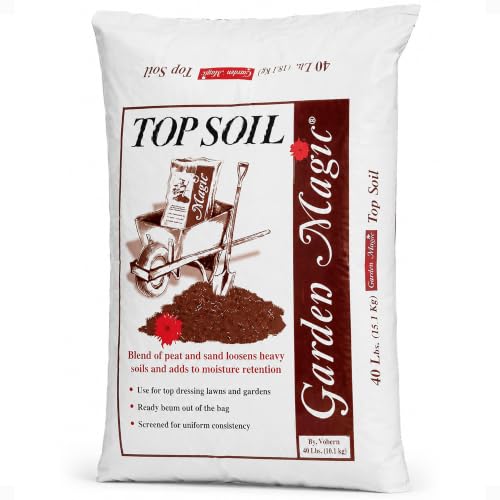
Michigan Peat Garden Magic is an organic compost and topsoil blend sold in a 40-pound bag. Unlike a specialized raised-bed formula, it works as a general soil amendment for gardens, lawns, and planting areas. That flexibility can be helpful if you are improving more than one part of your yard. I would view it as a useful base or blending ingredient rather than automatically using it alone in every raised bed.
Compost can improve moisture holding and add organic matter, while topsoil provides body to the mix. The best raised bed soil usually needs more than one job: it should drain, hold roots, and support soil life. For a raised bed, I would combine this blend with materials that improve structure if it feels heavy or dense. Always check how wet the bag is and break apart compressed pieces before planting.
Pros:
- Combines compost and topsoil
- Useful beyond raised beds
- 40-pound bag is familiar and easy to handle
- Can improve garden soil with added organic matter
- Helpful for filling low spots and garden borders
- Good choice for gardeners who want a multi-use blend
Cons:
- May need extra aeration for a raised bed
- Not as specialized as a ready-made raised-bed mix
- Bag weight can be difficult for some users to lift
My Recommendation
Michigan Peat Garden Magic is best for experienced gardeners who like to build their own soil recipe. It can also serve homeowners who need one product for beds, borders, and general yard work. I would not assume it is perfect alone; test the texture and blend it when needed. For hands-on gardeners, it can become part of the best raised garden bed soil mixture at a reasonable practical cost.
E.B. Stone Organics Raised Bed Mix
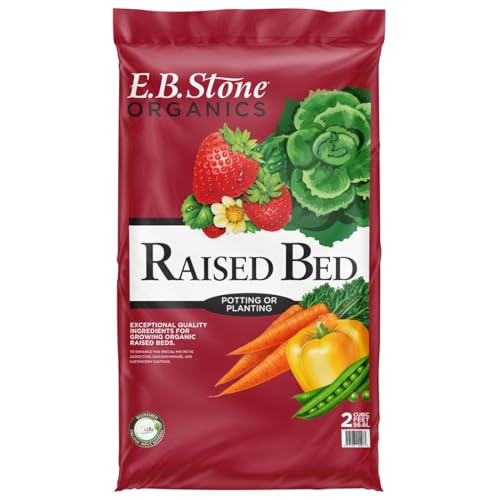
E.B. Stone Organics Raised Bed and Potting Mix is a ready-to-use blend for vegetables, flowers, and raised garden beds. Its listed compost and earthworm castings suggest a focus on organic matter and root support. The 2-cubic-foot bag offers more coverage than many small mixes, which is useful when a bed needs a meaningful refresh. I also like the fact that the product is positioned for both raised beds and containers.
A mix that works in containers must balance moisture retention with drainage, since pots have limited space and no natural soil below them. That versatility makes this product useful for gardeners who move between patio planters and outdoor beds. I would loosen the bag contents before spreading and water slowly after planting. The larger bag may offer better convenience, though delivery cost and local stock can affect its value.
Pros:
- Designed for raised beds and potting use
- Includes compost and earthworm castings
- 2-cubic-foot size offers useful coverage
- Suitable for vegetables and flowers
- Ready-to-use format saves mixing time
- Works for both outdoor beds and containers
Cons:
- Larger bags need more storage room
- May be more soil than a tiny planter needs
- Rich organic mixes can settle after watering
My Recommendation
I recommend E.B. Stone Organics for gardeners who want one soil for raised beds and containers. It is a useful middle ground between tiny bags and very large bulk orders. The compost and earthworm castings may help create a pleasant planting texture when the mix is handled and watered correctly. If versatility is your priority, this is a strong candidate for the best raised garden bed soil for mixed home gardening.
BACCTO Raised Bed Soil

Michigan Peat Company BACCTO Raised Bed Soil is made for all plant types and lists organic compost, manure, and earthworm castings. This ingredient profile is aimed at gardeners who want a fertile, organic-matter-rich planting medium. The 1.5-cubic-foot bag suits a small raised bed, a top-up, or a focused planting area. I would use it for vegetables, herbs, flowers, and other common garden plants that enjoy a nutrient-rich start.
Manure-based soil products can vary in smell and texture, especially soon after opening. That is not always a problem, but I prefer to let strong-smelling material air out briefly before planting sensitive crops. Mix the soil through the bed rather than placing manure-rich material directly against tender roots. Its broad plant rating is convenient, yet gardeners with special crops should still check the plant’s preferred pH and nutrient level.
Pros:
- Includes compost, manure, and earthworm castings
- Suitable for many plant types
- Useful for vegetables, herbs, and flowers
- 1.5-cubic-foot bag fits common home projects
- Organic matter can improve soil feel
- Good option for refreshing tired raised-bed soil
Cons:
- May have a noticeable manure smell
- Rich blends may need balancing with other materials
- One bag may not fill a deep or large bed
My Recommendation
BACCTO Raised Bed Soil is best for gardeners who want a compost-rich blend with manure and worm castings already included. It can work well when an old bed needs more organic matter and a richer planting base. I suggest mixing it evenly and checking drainage before adding a full bed depth. For those needs, it can be among the best raised garden bed soil choices, especially when fertility is the main goal.
Coast of Maine Castine Blend

Coast of Maine Castine Blend is a ready-to-use organic and natural raised bed mix sold in a four-pack of 1-cubic-foot bags. That format gives gardeners a helpful total volume while keeping each bag easier to move than one giant load. The mix is intended for vegetables, herbs, and flowers. I see it as a convenient option for shoppers who want several manageable bags for a new bed or a seasonal soil refresh.
Four separate bags also make it easier to use only what you need and store the rest. That matters when your garden grows in stages or when you work in a small yard. I would pour the bags into the bed, blend them thoroughly, and water the finished surface before planting. The main concern is price per cubic foot, since bagged specialty soil can cost more than local bulk materials.
Pros:
- Four 1-cubic-foot bags offer flexible handling
- Ready to use in raised beds
- Suitable for vegetables, herbs, and flowers
- Organic and natural product positioning
- Easy to store one unopened bag at a time
- Good choice for staged garden projects
Cons:
- May cost more than loose bulk soil
- Four bags create more packaging to manage
- Large beds may require more than one pack
My Recommendation
Coast of Maine Castine Blend is best for gardeners who value easy handling and a ready-to-use format. The four-bag pack works well for a small family garden, raised herb bed, or gradual planting project. I would choose it when carrying one very heavy bulk bag is not practical. It is a convenient best raised garden bed soil option for people who want flexibility more than the lowest cost per cubic foot.
Best Raised Garden Bed Soil Comparison
| Best for | Why |
|---|---|
| Small organic beds | Espoma offers a simple organic mix for vegetables and herbs. |
| Large bed filling | Back to the Roots provides a large stated volume for bigger projects. |
| Mixed plants and containers | E.B. Stone is designed for raised beds, flowers, vegetables, and potting use. |
How to Choose the Best Raised Garden Bed Soil
The best raised garden bed soil is not always the most expensive bag. It must match your plants, bed size, climate, and watering habits. A good mix should hold moisture without staying soggy. It should also remain loose enough for roots to spread and for air to reach the root zone.
Start with the product purpose. Some bags are made only for raised beds, while others also work in containers, garden borders, or general soil repair. A specialized mix may save time, but a compost and topsoil blend can offer more flexibility. Read the label instead of judging soil by color alone. Dark soil can still drain poorly, while a lighter mix can perform very well.
Check the Soil Texture
Texture is one of the first things I check after opening a bag. The mix should crumble when squeezed and should not form a hard lump that stays together. Very fine soil may compact after rain, while large chunks can leave roots without close contact. A healthy raised-bed blend usually contains a mix of fine and coarse organic materials.
Do not panic if bagged soil feels damp. Many products hold moisture during storage. Spread the mix, break apart clumps, and let it breathe for a short time if it smells unusually strong. If the soil stays waterlogged after a normal watering, add a better structural component rather than adding more water.
Look for Organic Matter
Compost, aged manure, bark-based materials, and earthworm castings can add organic matter. Organic matter helps support soil structure and can improve the way soil holds water. It also breaks down over time, so raised beds need regular maintenance. I often add a thin layer of finished compost each season instead of replacing the entire bed.
Fresh manure is not the same as finished compost. Fresh manure may be too strong for roots and can create odor or nutrient problems. Choose products that list composted or aged materials when possible. Also avoid using unknown waste or unfinished compost around edible crops.
Measure the Bed Before Buying
Measure length, width, and depth in feet. Multiply those three numbers to estimate cubic feet. For example, a bed that is 4 feet long, 2 feet wide, and 1 foot deep needs about 8 cubic feet of fill before settling. Many gardeners buy too little soil because the bags look larger than they are.
Allow room at the top of the bed. A soil level about 1 to 2 inches below the rim helps prevent runoff during watering. Soil will settle after the first few deep waterings. Keep a small amount of compost or extra mix nearby for topping up.
Consider Peat-Free Options
Peat-free soil is now easy to find, and several products in this review use that approach. Peat moss can hold moisture well, but gardeners may prefer alternatives for environmental reasons. Coconut coir, composted bark, wood fiber, and other materials can serve different roles in a mix. Each has its own water and nutrient behavior.
A peat-free label does not automatically guarantee perfect drainage. Always look at the whole ingredient list and consider your climate. In a wet region, a dense mix may need more structure. In a hot, dry region, a mix with better moisture holding may reduce daily watering.
Think About Plant Needs
Leafy greens, herbs, flowers, tomatoes, peppers, and root crops do not all grow in the same way. Most common vegetables prefer loose, fertile soil with reliable drainage. Root crops need a deep, stone-free bed so roots can expand without bends or forks. Herbs such as rosemary and thyme often prefer leaner, faster-draining soil than thirsty vegetables.
Heavy feeders such as tomatoes and squash may use nutrients quickly. A soil blend with compost can help at planting, but it will not feed a crop forever. Follow a soil test or a trusted fertilizer label before adding more nutrients. Too much fertilizer can harm plants and pollute runoff.
How I Evaluated These Raised Bed Soil Products
I focused on practical details that matter after the bag arrives. I reviewed the listed volume, intended plant use, organic or natural claims, peat-free details, and named ingredients. I also considered how easy each product is to use in a real home garden. A good review should look beyond a product name and ask how the mix fits a person’s actual bed.
I did not treat marketing language as a guarantee of plant results. Weather, water, seed quality, pests, and sunlight all affect a harvest. Soil is the foundation, but it is not the entire garden. The strongest picks offer a useful combination of structure, organic matter, convenience, and sensible bag size.
Tips for Using Raised Garden Bed Soil
Do not pack the soil down with your feet. Roots need small air spaces, and heavy compression can slow water movement. Pour the mix into the bed, spread it with a rake, and water it gently. If the soil level falls, add more mix or finished compost rather than filling the gap with random yard dirt.
Water deeply but check the surface first. The top inch may look dry while deeper soil remains moist. A finger test or simple moisture meter can help. Mulch can reduce evaporation and keep soil temperatures more stable, but leave a small gap around plant stems to limit rot.
Keep records during the season. Note which areas dry fast, which plants grow well, and where water pools. These notes help you improve the bed next year. The best raised garden bed soil for your yard may be a slightly adjusted blend, not a single product used forever.
FAQs Of best raised garden bed soil
What is the best soil mix for a raised garden bed?
A good raised bed mix usually combines quality topsoil, compost, and an aeration material. The exact ratio depends on the ingredients and your local climate. Bagged raised-bed soil is convenient because the manufacturer has already blended the main components.
Can I use regular garden soil in a raised bed?
You can use some garden soil, but avoid filling a raised bed with heavy native clay or dense topsoil alone. It may compact and drain poorly. Blend it with compost and lighter structural materials when needed.
Should I add fertilizer to raised bed soil?
Check the label first. Some mixes already include compost or natural fertilizer. Test the soil before adding more nutrients, because excess fertilizer can damage roots and create runoff.
How deep should raised bed soil be?
Many vegetables grow well in 12 to 18 inches of soil. Shallow-rooted greens can grow in less, while carrots, parsnips, tomatoes, and larger crops benefit from more depth. Match the depth to the plant’s root system.
How often should I replace raised bed soil?
You usually do not need to replace all the soil each year. Add finished compost, refresh the top layer, and remove diseased plant material. Replace soil only when it has serious contamination, poor structure, or a persistent disease problem.
Final Verdict: Which Should You Buy?
For most home gardeners, FoxFarm Raised Bed Planting Mix is the strongest all-around pick. It suits vegetables, herbs, flowers, and fruits while offering a convenient compost-rich blend.
Choose Espoma for a small organic bed, Back to the Roots for large volume, or E.B. Stone for bed-and-container use. The best raised garden bed soil is the one that fits your plants, space, and budget.
