


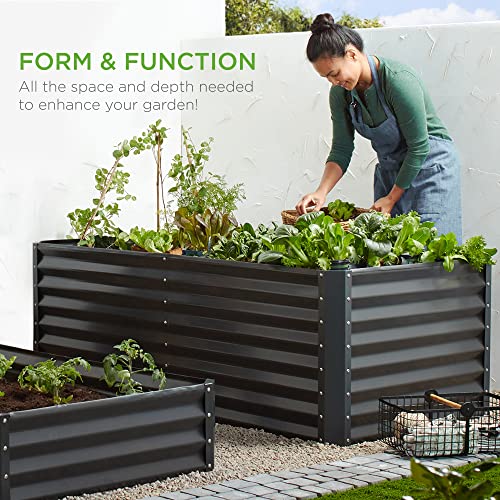
The best raised garden bed planter combines strong materials, good drainage, safe depth, and easy access for daily care.
Have you ever wanted fresh tomatoes, herbs, or flowers but faced poor soil, weeds, or a tiny patio? A raised garden bed planter can turn almost any sunny space into a neat growing area. It also reduces bending, helps control soil quality, and makes watering easier. I reviewed these popular options for build, size, drainage, comfort, and value. The right choice depends on your space, plant roots, budget, and how much soil you want to manage.
Best Choice 6x3x2ft Metal Raised Garden Bed
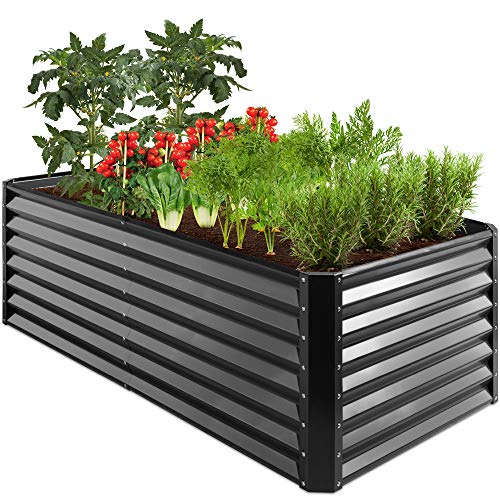
This large metal garden bed gives roots plenty of room to spread. Its 6-by-3-foot footprint suits vegetables, herbs, and mixed flower planting. The 2-foot depth is useful for deep-rooted crops such as tomatoes, carrots, and peppers. I also like the gray finish because it blends into most yards without stealing attention from the plants.
The deep design lets you build a controlled soil mix above poor ground. That can help gardeners deal with clay, gravel, or compacted lawn soil. Its broad shape offers enough room for several plant rows, though you should leave clear paths around it. The non-toxic material claim is a helpful feature for people who want a simple food-growing setup, but always follow the care and assembly instructions.
Pros:
- Large growing area for vegetables and flowers
- Deep profile supports many root crops
- Metal sides resist common outdoor wear
- Useful for improving poor native soil
- Non-toxic material claim suits edible gardens
- Gray color looks clean in most landscapes
Cons:
- Requires a large, level outdoor space
- Filling a 269-gallon bed can cost more in soil
- Assembly may take time for one person
My Recommendation
I recommend this as the best raised garden bed planter for families, serious vegetable growers, and anyone who wants a deep permanent bed. It has the space for a productive garden without requiring a full in-ground plot. It works especially well when your yard soil is poor or contaminated. Measure your site first, because this is not a small patio planter.
Rakukiri 5ft Oval Galvanized Raised Bed

The Rakukiri oval bed offers a softer look than a square metal box. Its 5-foot shape can fit beside a walkway, fence, or small lawn area. Galvanized metal handles outdoor moisture better than untreated wood, so it does not invite rot in the same way. The oval edge also removes sharp corners from busy garden paths.
This planter makes a good middle ground between a compact box and a large farm-style bed. It can hold vegetables, flowers, and herbs in a tidy central display. The recycled-material and GRS-certified design may appeal to shoppers who consider material sourcing. Before planting, place it on firm ground and plan the soil volume carefully so the bed remains stable.
Pros:
- Oval form gives the garden a softer appearance
- Galvanized metal resists rot and damp weather
- Fits well in many medium-size yards
- No wooden panels to stain or seal
- Suitable for vegetables, flowers, and herbs
- Recycled material adds an appealing sustainability feature
Cons:
- Oval walls may waste some corner space
- Metal can heat in strong summer sun
- Growing depth may not suit very deep root crops
My Recommendation
I would choose this as the best raised garden bed planter for gardeners who want a durable bed with a decorative shape. It suits a medium yard, entry garden, or side border where a harsh rectangle would look out of place. It is also a smart pick for shoppers who prefer metal over wood. Add mulch to reduce heat and moisture loss during hot weather.
Best Choice 48 x 24 x 30in Elevated Wood Bed
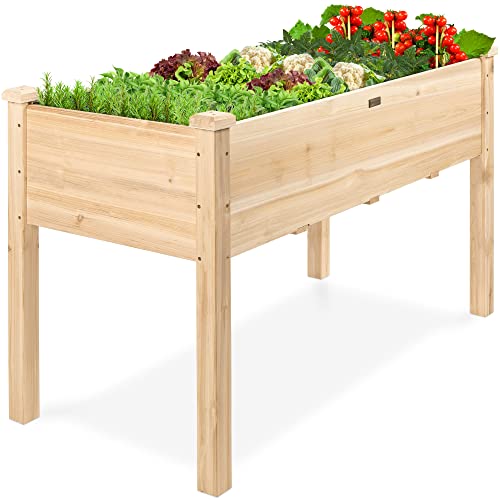
This elevated wooden planter brings the garden closer to waist level. Its 48-by-24-inch size works well on a patio, balcony, deck, or compact backyard. The raised stand can reduce bending and kneeling, which helps gardeners with sore knees or limited mobility. A bed liner helps contain soil while allowing you to manage the planting area neatly.
The 30-inch height also makes harvesting simple. I find this style useful for lettuce, basil, parsley, strawberries, and other crops that do not need a very deep root zone. Its 200-pound capacity is important because wet soil is heavy, so avoid overfilling it. Place the planter on a firm, level surface and keep drainage water away from walls or wood decking.
Pros:
- Comfortable height reduces bending and kneeling
- Works on patios, balconies, and decks
- Natural wood suits traditional outdoor spaces
- Bed liner helps hold soil in place
- Good size for herbs and salad greens
- Easy access makes routine care more pleasant
Cons:
- Limited root depth for large vegetables
- Wood needs more care than galvanized metal
- Wet soil can approach the stated weight limit
My Recommendation
This is the best raised garden bed planter for balcony gardeners, older adults, and anyone who dislikes ground-level gardening. The elevated height is its main advantage, not its total growing volume. I would use it for herbs, greens, flowers, and compact vegetables. It offers strong everyday value when comfort and access matter more than maximum crop size.
Best Choice 8x4x2ft Large Metal Garden Bed
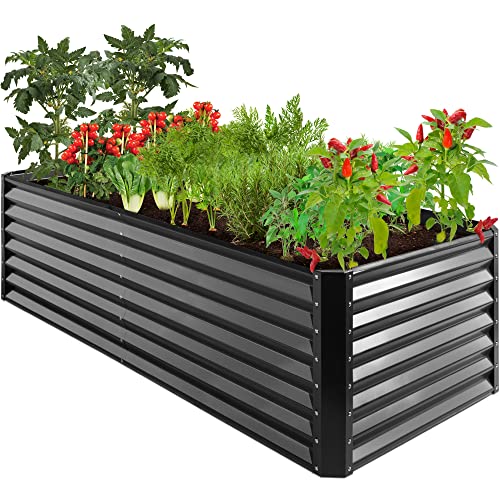
This 8-by-4-foot metal bed is built for gardeners who want a serious growing footprint. Its 2-foot depth supports a broad mix of vegetables, flowers, herbs, and root crops. The 478-gallon capacity gives you room to create a rich soil blend instead of depending on the ground below. It can become the main growing area in a backyard garden.
The large rectangle is easy to divide into crop rows or square-foot sections. That makes it easier to rotate plants, add support cages, and keep tall crops from shading short ones. The tradeoff is clear: this bed needs a level site and a lot of soil. I suggest planning delivery, assembly, and filling before buying, especially if you garden alone.
Pros:
- Very large planting area for productive gardens
- Two-foot depth supports deep roots
- Strong choice for mixed crop layouts
- Metal avoids the rot concerns of untreated wood
- Non-toxic material claim supports food gardening
- Easy to organize into rows or sections
Cons:
- Needs substantial space and soil volume
- Filling the 478-gallon bed may be expensive
- Large panels may be awkward to assemble alone
My Recommendation
I recommend this as the best raised garden bed planter for high-output backyard growing. It gives tomato plants, squash, carrots, and flowers room to thrive in one organized space. It is not the right choice for a small patio or a renter who may move soon. For a dedicated home garden, however, the capacity can justify the work and soil cost.
Best Choice 72 x 24 x 30in Elevated Wood Bed

This elevated wooden bed adds more length than most patio planters. The 72-inch design gives you room for several herbs, salad greens, and compact flowers without taking over the whole yard. Its 30-inch working height helps keep daily tasks comfortable. Six legs provide a useful base for a bed that will hold heavy, damp soil.
The divider panel helps separate crops with different watering or harvest schedules. For example, I would place herbs on one side and leafy greens on the other. The 300-pound capacity offers more flexibility than a smaller elevated box, but soil weight still requires a firm surface. The long shape is also helpful for wheelchair access from one side, provided the surrounding path is wide enough.
Pros:
- Long layout gives more planting space
- Elevated height supports comfortable gardening
- Divider helps organize different crops
- Six legs provide broad support
- Works well for patios and compact yards
- Natural wood offers a warm garden look
Cons:
- Long footprint may not suit narrow balconies
- Wood requires protection from long-term weather
- 300-pound capacity still limits soil depth
My Recommendation
This is the best raised garden bed planter for gardeners who want an elevated bed with more length and crop separation. It suits herbs, greens, flowers, and compact vegetables near a patio or kitchen door. The divider makes planning easier for beginners. I would choose it over a short planter when you have floor space but still want less bending.
Best Choice Elevated Herb Garden Bed With 10 Grids

This compact herb planter focuses on order and easy access. Ten growing compartments let you separate mint, basil, thyme, chives, lettuce, and other small plants. The elevated wooden frame keeps the planting area within easy reach. Drainage holes help excess water leave the soil after rain or careful hand watering.
The grid layout is especially helpful when you want to prevent aggressive herbs from taking over. It also makes labeling and crop rotation simple. I would place this bed near a kitchen, on a sunny patio, or beside a back door. Since each section is modest, it is better for herbs and small flowers than for large tomatoes or deep-rooted crops.
Pros:
- Ten compartments make herb planning simple
- Elevated design reduces bending
- Drainage holes help prevent soggy soil
- Compact size suits patios and balconies
- Separate cells limit fast-spreading herbs
- Easy way for beginners to start gardening
Cons:
- Small compartments limit plant size
- Frequent watering may be needed in hot weather
- Wood needs care to stay attractive outdoors
My Recommendation
I consider this the best raised garden bed planter for herb lovers, apartment gardeners, and first-time growers. The ten-grid layout turns a small footprint into a useful kitchen garden. It is also a thoughtful choice for children because each section offers a clear planting task. Choose a larger bed if your plan includes full-size vegetables or deep root crops.
Best Choice 4x2x1ft Sage Green Metal Bed

This smaller oval metal bed gives gardeners a simple way to add plants without building a large garden. Its 4-by-2-foot footprint fits near a porch, walkway, or small lawn. The one-foot depth works for herbs, lettuce, flowers, radishes, and many compact vegetables. The sage green color adds more charm than plain gray metal.
A rubber edge guard is a useful detail around children, pets, and busy paths. The oval shape also removes hard corners that can catch clothing or bump legs. With a 51-gallon capacity, this planter needs far less soil than the larger models in this review. It is a practical starter bed, but deep-rooted crops may need more room below.
Pros:
- Compact size fits small outdoor spaces
- Oval shape looks friendly and decorative
- Rubber edge guard improves everyday safety
- One-foot depth suits herbs and leafy greens
- Metal sides resist rot and insect damage
- Sage green finish adds color to a patio
Cons:
- Limited capacity restricts crop selection
- One-foot depth is shallow for some vegetables
- Metal may warm quickly in direct sun
My Recommendation
This is the best raised garden bed planter for beginners, renters, and gardeners with limited room. It gives you a manageable first bed without the soil cost or assembly demands of a large model. I especially like it for salad greens, herbs, marigolds, and radishes. Its edge guard makes it a thoughtful option for a family garden near a walkway.
How to Choose the Best Raised Garden Bed Planter
Start with the space you have, not the plants you wish you had. Measure the site and leave enough room to walk, water, harvest, and clean around the bed. A narrow path can turn a good planter into a daily nuisance. Morning sun is often ideal, but most vegetables need at least six hours of direct light.
Choose the Right Height and Depth
Ground-level beds usually offer the most soil volume for the money. They are good for root crops and large vegetables, but they still require bending. Elevated beds are kinder to backs and knees. They work well for herbs, greens, and compact plants, yet their weight limit and root depth matter.
A 6- to 12-inch bed can grow many leafy crops and herbs. A depth near 18 to 24 inches gives more room for tomatoes, carrots, and other deep-rooted plants. The best raised garden bed planter for root crops should also sit on well-drained ground. Do not assume a tall wall means every plant will use the full depth.
Metal, Wood, or Composite Material?
Galvanized metal usually resists rot and insect damage. It can last well outdoors, but it may heat in strong sun. Mulch and steady watering can reduce heat stress. Check the product details for safe material information when you plan to grow food.
Wood has a warm look and often suits decks and patios. It may need more care because rain, soil, and sun slowly wear it down. Use a safe liner only when it does not block drainage. Avoid coatings or treated materials that are not clearly marked for your intended use.
Drainage Is a Core Feature
Plants need water, but roots also need air. Soil that stays wet can cause root rot, fungus, and weak growth. Place raised beds on soil or another surface that lets water move away. For elevated beds, confirm that drain holes are open and that runoff will not stain or damage the surface below.
How Much Soil Do You Need?
Large beds can require hundreds of gallons of growing mix. That is a major cost, so calculate before ordering. Mix quality compost, topsoil, and a material that improves drainage, based on the crops you plan to grow. Do not fill a raised bed with dense native clay alone.
Keep the mix loose but not fluffy. Soil settles after watering, so leave a little space below the rim. Add compost over time rather than piling fresh material high around plant stems. A simple soil test can reveal pH and nutrient needs before you spend money on fertilizer.
Think About Access and Plant Spacing
You should be able to reach the center of a ground bed from both sides. If you can reach only one side, keep the bed narrow. This small rule prevents crushed soil and broken plants. For elevated boxes, think about chair access, legroom, and the height of nearby rails or walls.
Do not pack plants too tightly. Crowded leaves stay damp and can spread disease. Follow the spacing on seed packets, then adjust for the mature size of the plant. Trellises can save space, but place them where they will not shade low crops all day.
Raised Bed Care Tips
Water deeply when the top layer feels dry. Morning watering helps leaves dry before night and can reduce disease pressure. Add two or three inches of organic mulch, while keeping mulch away from stems. Inspect metal edges, wood joints, legs, and drainage points at the start of each season.
Rotate plant families when possible. Moving tomatoes, peppers, and eggplants to a new section can help break pest and disease cycles. Remove spent plants instead of leaving diseased leaves in the bed. In cold regions, protect perennial herbs and empty beds with compost or a cover crop.
Best For Table
| Best for | Why |
|---|---|
| Large backyard vegetable gardens | The 8×4-foot metal bed offers deep soil and broad planting space. |
| Patios, balconies, and easy access | Elevated wood beds reduce bending and keep plants close at hand. |
| Small spaces and first-time growers | The compact sage green bed or ten-grid herb planter needs less soil and care. |
FAQs Of best raised garden bed planter
What is the best material for a raised garden bed?
Galvanized metal offers strong resistance to rot and outdoor moisture. Wood gives a warmer look but may need more care. Choose based on climate, style, food-growing plans, and expected service life.
How deep should a raised garden bed be?
Six to twelve inches works for many herbs and greens. Choose 18 to 24 inches for tomatoes, carrots, and other deep-rooted plants. Always check the mature root needs of your crops.
Does a raised garden bed need a bottom?
Not always. An open-bottom bed can drain into the ground and lets roots explore below. A bottom may help on a balcony, but it must include drainage holes and support the weight of wet soil.
Can I put a raised bed on concrete?
Yes, if the planter has good drainage and the surface can support its weight. Use a liner only when it allows water to escape. Protect nearby walls and decks from constant damp runoff.
How do I fill a large raised garden bed cheaply?
Buy soil in bulk when practical, and mix quality topsoil with mature compost. Do not use fresh manure or untested fill. Calculate the bed volume first so you do not buy too much or too little.
Final Verdict: Which Should You Buy?
The Best Choice 6x3x2ft metal bed is my top pick for the best raised garden bed planter because it balances depth, space, and sturdy outdoor use. Choose an elevated wood model for comfort, or the small sage green bed for limited space.
Measure first, plan drainage, and match depth to your crops. With the right soil and care, a raised garden bed planter can make fresh growing simple in 2026.
