Best Soil Moisture Meter For Potted Plants: Top Picks
Quick pick: XLUX Long Probe delivers accurate, deep readings and excellent value for potted plants.
I’ve overwatered succulents and killed a fern while guessing soil dampness. A simple meter that tells you when to water fixes that. These tools save time and heartache. They help potted plants thrive by showing real soil moisture levels at root depth, not just at the surface.
XLUX Long Probe Deep Meter

I use this XLUX long probe meter for my bigger pots. The probe reaches deep roots. It gives fast, instant readings. I like the clear dial that shows dry to wet zones.
The build feels sturdy and the probe is long enough for tall planters. It doesn’t need batteries. For large pots, it’s more reliable than surface checks. It helps me avoid root rot and underwatering.
Pros:
- Long probe reaches root zone in deep pots
- Instant analog dial for quick reading
- No batteries required — always ready
- Simple to use for beginners
- Affordable and widely available
Cons:
- Analog dial can be less precise than digital
- Not suited for very compact soil mixes without probe guidance
My Recommendation
This XLUX long probe meter is great for gardeners with large or deep potted plants. I find it best when you need readings at root depth. It’s simple, reliable, and keeps plants healthy by preventing overwatering.
| Best for | Why |
|---|---|
| Deep container plants | Probe reaches roots accurately |
| Beginners | Easy dial and no batteries |
| Budget buyers | High value for low price |
XLUX 2-Pack Deep Probe Meter

Buying the XLUX 2-pack gives me a meter for indoor and outdoor pots. I keep one in my greenhouse and one by the porch. They both read quickly and feel robust in my hands.
The twin set is convenient for monitoring multiple plants at once. I compare readings from the top and deeper zones. This helps me learn how different potting mixes hold water. The set saves money versus buying singles.
Pros:
- Two meters for multi-zone monitoring
- Long probes ideal for deep pots
- Durable construction for repeated use
- No battery hassle
- Good value per meter
Cons:
- Both meters are analog—no memory or logging
- Probes require gentle handling to avoid bending
My Recommendation
I suggest the XLUX 2-pack if you care for many potted plants. I use the pair to check different pots at once. The set helps me standardize watering across pots and prevents inconsistent moisture levels.
| Best for | Why |
|---|---|
| Multiple pots | Two meters for comparison |
| Shared gardens | One for indoor, one for outdoor |
| Cost-conscious buyers | Better value than single units |
Antonki 2-Pack Moisture Meter

The Antonki 2-pack is light and easy to use. I like that it needs no battery. The slim probe slides into tight pots without disturbing roots much.
These meters are handy for houseplants and balcony planters. The scale is simple to read. I rely on them when I travel. They’re compact enough to tuck into a drawer when not in use.
Pros:
- Battery-free operation
- Slim probes for compact pots
- Two-pack for multiple locations
- Simple dial scale for quick checks
- Low cost for casual plant owners
Cons:
- Less durable for heavy-duty outdoor use
- Not as precise for very sandy or peaty mixes
My Recommendation
I recommend the Antonki 2-pack for casual indoor gardeners. I find them perfect for small pots and travel checks. If you want the best soil moisture meter for potted plants without spending much, this is a good fit.
| Best for | Why |
|---|---|
| Small indoor pots | Slim probe fits tight spaces |
| Traveling plant owners | No batteries and portable |
| Budget buyers | Affordable two-pack |
XLUX Durable Probe Meter
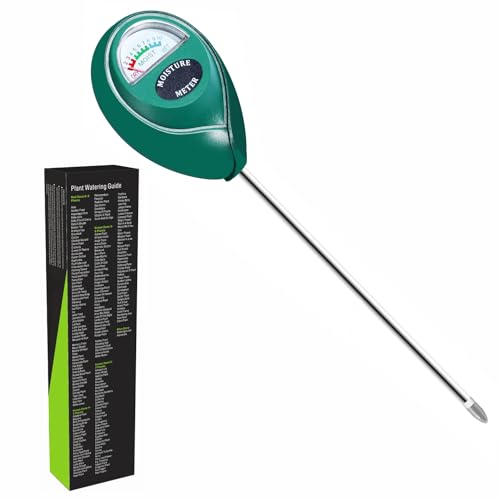
This XLUX model features a stainless steel probe. I value the build quality. It stands up to frequent use in garden soil and potting mix alike.
The casing is durable and feels premium. The meter reads quickly and the markings are clear. I use it for heavy pots where wear and tear is likely. It keeps working season after season.
Pros:
- 304 stainless steel probe for longevity
- Clear and intuitive dial
- Good for outdoor and indoor use
- Resists corrosion from wet soil
- Responsive readings
Cons:
- Probe can be long for very small pots
- Analog readout may feel dated to some
My Recommendation
I recommend this XLUX durable probe model to anyone who needs a long-lasting tool. I trust it for potted plants that get frequent checks. If you want a dependable best soil moisture meter for potted plants that lasts, this one stands out.
| Best for | Why |
|---|---|
| Long-term gardeners | Durable stainless steel probe |
| Outdoor use | Corrosion-resistant design |
| Frequent testers | Built for regular handling |
YAMRON 4-in-1 Digital Meter

The YAMRON 4-in-1 adds pH, temperature, sunlight, and moisture in one unit. I like the digital display with backlight. It gives more data so I can fine-tune care.
This meter helps me balance soil chemistry and light exposure alongside moisture. The pH readout is useful for acid-loving plants. It runs on a small battery and offers broad insight in one tool.
Pros:
- Multi-function: moisture, pH, temp, light
- Digital display with backlight for clear reading
- Good for growers who want more data
- Portable and easy to use
- Helps diagnose plant problems faster
Cons:
- Requires battery replacement
- pH probes in budget meters can drift over time
- More features can be overwhelming for beginners
My Recommendation
I use the YAMRON 4-in-1 when I want a fuller picture of pot health. It’s my pick if you want more than just moisture. For gardeners who love data, this meter is one of the best soil moisture meter for potted plants plus pH and light insights.
| Best for | Why |
|---|---|
| Data-driven growers | Multiple readings in one device |
| Acid or alkaline sensitive plants | Includes pH reading |
| Indoor gardeners | Light and temp help optimize placement |
Hathdia Simple Moisture Meter
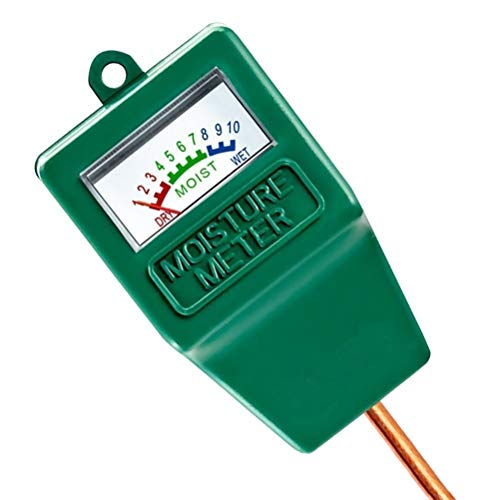
The Hathdia meter is a no-fuss tool that works well for potted plants. It reads moisture quickly and doesn’t rely on batteries. The slim profile slides into potting soil with little disturbance.
I find it accurate for most houseplants. It’s simple enough for a beginner to trust. The meter holds up to scheduling checks before and after watering routines.
Pros:
- No batteries required
- Slim design for small and medium pots
- Quick moisture feedback
- Affordable and straightforward
- Good for routine spot checks
Cons:
- Not ideal for very dense clay soils
- Limited features compared to digital meters
My Recommendation
I recommend Hathdia if you want a simple and trustworthy meter. I reach for it when I check dozens of houseplants. For many people, this is the best soil moisture meter for potted plants because it’s easy and effective.
| Best for | Why |
|---|---|
| Busy plant owners | Fast, no-fuss readings |
| Small to medium pots | Slim probe fits well |
| New plant parents | Simple to interpret |
Sustee Aquameter (Medium)
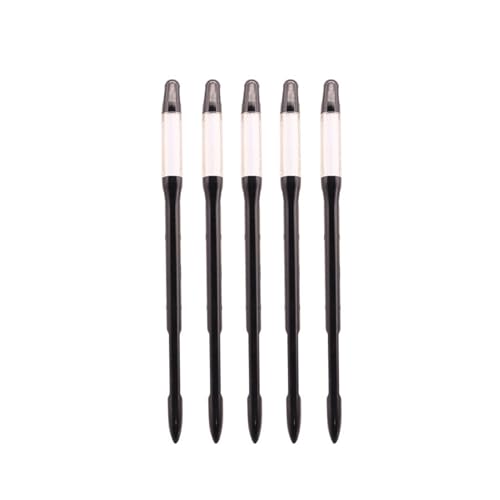
The Sustee Aquameter is a leave-in sensor that shows moisture at a glance. I fill it and insert it into pots. It slowly releases water and indicates moisture level by how full it appears.
I use this for plants I can’t check daily. It’s subtle and sits in the soil like a decorative stake. It helps me maintain steady moisture for plants that don’t like sudden dryness.
Pros:
- Leave-in design for ongoing monitoring
- Refillable water reservoir for slow release
- Reduces guesswork between checks
- Good for potted plants that prefer steady moisture
- Adds a visual cue for watering needs
Cons:
- Not a numeric moisture meter—visual only
- Requires occasional refilling and cleaning
My Recommendation
I recommend the Sustee Aquameter for steady-care potted plants. I use it for houseplants that hate dry cycles. It’s a handy visual tool and one of the clever ways to monitor the best soil moisture meter for potted plants without constant probing.
| Best for | Why |
|---|---|
| Busy households | Leave-in monitoring reduces checks |
| Plants needing steady moisture | Slow-release water feature |
| Decor-conscious owners | Discrete, stake-like appearance |
Sustee Aquameter (Set of 5)
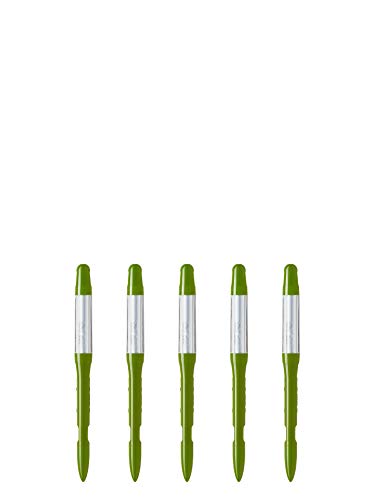
This set of five Sustee Aquameters covers many pots at once. I place them across my collection for consistent moisture. They help me maintain an even watering routine for grouped plants.
The set offers value and peace of mind when I travel. I don’t have to probe each pot. The visual cues and refillable reservoirs cut down on over- and under-watering mistakes.
Pros:
- Multiple sensors for many pots
- Leave-in convenience across a collection
- Simple visual moisture cue
- Refillable and reusable
- Good for consistent care plans
Cons:
- No numeric moisture readout
- Must clean and refill periodically
My Recommendation
I recommend the Sustee set of five for plant parents with many pots. I find them essential when I need uniform care across shelves or a sunny bench. For those aiming to find the best soil moisture meter for potted plants for whole collections, this set is practical.
| Best for | Why |
|---|---|
| Plant collectors | Covers many pots at once |
| Frequent travelers | Maintains moisture while away |
| Shared plant displays | Consistent visual cues |
Censinda White Moisture Meter
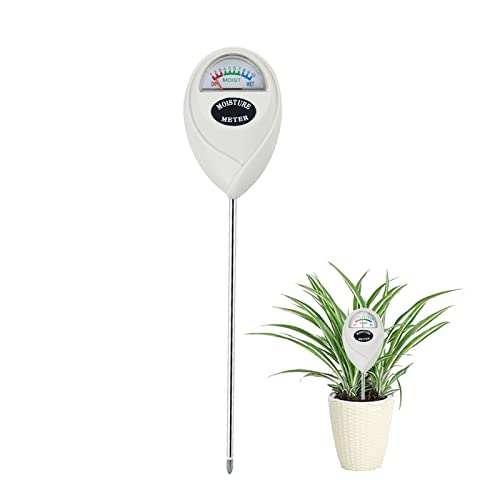
The Censinda meter is a straightforward hygrometer for pots. I appreciate the white finish that looks neat in home settings. It reads moisture accurately for most houseplant mixes.
I like using it in plant stands and windowsills because it blends with decor. The probe slices into soil without much fuss. For casual checks, it gives the reassurance I need.
Pros:
- Attractive white finish for indoor use
- Battery-free and user-friendly
- Crisp and reliable scale
- Good for everyday checks
- Affordable
Cons:
- Not built for long-term outdoor exposure
- Probe length may not suit very deep pots
My Recommendation
I recommend the Censinda meter for those who want a tidy, functional tool for houseplants. I use it where aesthetics matter. If you search for the best soil moisture meter for potted plants that also looks good on a shelf, this is a solid pick.
| Best for | Why |
|---|---|
| Decor-savvy owners | Blends with home interiors |
| Casual plant checks | Simple and reliable readings |
| Budget-friendly buyers | Affordable without sacrificing quality |
UNIWA 2-Pack Moisture Meter
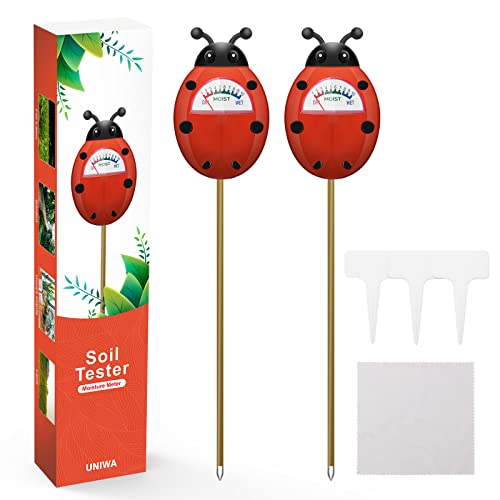
The UNIWA 2-pack gives me reliable readings for a range of plant types. It comes with two meters so I can leave one with my orchids and one with my herbs. They are simple and accurate for normal potting mixes.
I’ve used them often and they hold up well. The dials are clear, and the probes are versatile. For many plant owners, two meters mean fewer trips back and forth to check moisture.
Pros:
- Two units for simultaneous monitoring
- Battery-free and fuss-free
- Good probe length for most pots
- Clear analog scale
- Affordable two-pack value
Cons:
- Analog limits precision for research-grade work
- Not recommended for compacted or rock-heavy soil
My Recommendation
I recommend the UNIWA 2-pack if you want practical, repeatable checks across pots. I use them when I manage herbs and smaller shrubs. They are an efficient way to keep the best soil moisture meter for potted plants on hand across multiple spots.
| Best for | Why |
|---|---|
| Herb gardens | Two meters cover kitchen and porch |
| Shared spaces | Split meters for different zones |
| New collectors | Two units help comparison |
XLUX Compact Probe Meter
This XLUX compact probe is my go-to for medium pots and window boxes. It balances probe length and dial visibility. The unit is light and easy to handle when I check many plants.
The meter gives quick feedback and helps me adjust watering at a glance. I like the consistent readings across potting mixes. For everyday checks, it’s simple and reliable.
Pros:
- Compact and user-friendly
- Quick, repeatable readings
- Good for medium-sized pots
- No batteries required
- Easy to store
Cons:
- Not ideal for very deep-rooted plants
- Analog scale limits exact percentages
My Recommendation
I suggest this XLUX compact model for daily use on medium pots. I keep one next to my windowsill plants. If you want a practical best soil moisture meter for potted plants that’s easy to use every day, this fits well.
| Best for | Why |
|---|---|
| Window boxes | Compact size fits tight spots |
| Everyday users | Fast, repeatable readings |
| Small collections | Easy to store and use |
XLUX Long Probe (Duplicate Link)
This XLUX long probe appears again because it’s a common top seller. I highlighted earlier because it works for deep pots. It consistently gives actionable readings for root health.
I use it in heavier soils where surface tests fail. The long reach matters most when roots sit lower. It’s a solid pick for those who want the best soil moisture meter for potted plants on a budget.
Pros:
- Excellent reach into deep root zones
- Clear analog dial
- Low maintenance—no battery
- Proven durability under regular use
- Great value
Cons:
- Repeated listing may confuse buyers
- Analog format lacks digital logging
My Recommendation
I recommend this XLUX probe for deep-rooted potted plants or gardeners who test often. I rely on it for consistent results. If you’re searching for the best soil moisture meter for potted plants that combines reach and price, this meter remains a top choice.
| Best for | Why |
|---|---|
| Deep-rooted species | Probe reaches lower root zones |
| Frequent testers | Durable and low cost |
| Budget-minded buyers | High value-to-price ratio |
XLUX Long Probe (Alternate)
I include this XLUX variation because I know readers see different listings. The core features stay the same: long probe and easy dial. It’s a proven helper in my potting routine.
I put it in heavy pots and forget about overwatering. The meter’s simplicity helps me teach friends how to avoid common watering mistakes. It remains a dependable best soil moisture meter for potted plants for many users.
Pros:
- Trusted design used by many gardeners
- Long probe for deep readings
- Simple maintenance with no batteries
- Widely available online
- Good price point
Cons:
- Similar-looking listings can be confusing
- Analog readout lacks percentage precision
My Recommendation
I recommend this XLUX option for users who want a reliable, fuss-free meter. I keep one near my potting bench. It’s a go-to when I look for the best soil moisture meter for potted plants that won’t overcomplicate care.
| Best for | Why |
|---|---|
| Home gardeners | Simple and reliable |
| Workshops and classes | Easy to demonstrate use |
| Starter kits | Affordable and effective |
XLUX Classic Probe Meter
The XLUX classic probe is a staple in my toolkit. It’s simple and built to last. I like how readable the dial is under bright sunlight or shaded rooms.
It works across many soil types with consistent results. I trust it when repotting or checking moisture after fertilizing. For most potted plants, it’s a dependable everyday meter.
Pros:
- Classic design with robust feel
- Good readability in various light
- Resilient probe for garden soils
- No battery dependence
- Consistent performance
Cons:
- Analog meter lacks digital logging
- May require gentle cleaning after heavy soil use
My Recommendation
I recommend this XLUX classic probe for people who prefer tried-and-true tools. I use it when I want a stable, repeatable reading. For many growers, this remains the best soil moisture meter for potted plants due to its dependability.
| Best for | Why |
|---|---|
| Traditionalists | Classic, reliable design |
| Outdoor potted beds | Robust probe suited to garden soils |
| Routine checks | Quick and repeatable readings |
YAMRON Digital Multi-Meter
The YAMRON digital multi-meter is a second multi-function entry I recommend. I use it when I need quick pH checks alongside moisture. The backlit screen helps me read values in low light.
It needs a battery but gives numerical values I can track. I use the meter as a diagnostic tool for finicky plants. When precision matters, I trust digital readouts over general dials.
Pros:
- Digital accuracy with backlit display
- Measures moisture, pH, temp, and light
- Good for diagnosis and record-keeping
- Portable and easy to operate
- Helpful for sensitive plant species
Cons:
- Requires batteries
- pH sensor may need calibration over time
My Recommendation
I recommend this YAMRON model for hobbyists who track numbers. I use it when I test soil pH and moisture together. For those who want the best soil moisture meter for potted plants with added diagnostics, this digital tool is worth considering.
| Best for | Why |
|---|---|
| Precision growers | Accurate numeric readouts |
| Plant diagnosticians | Multiple variables in one device |
| Low-light areas | Backlit LCD improves visibility |
Hathdia Basic Probe Meter
The Hathdia basic probe is another simple option I keep on hand. It’s familiar in feel and function. I use it when I only need a quick moisture check without extra features.
It reads consistently and is easy to interpret. I recommend it for shared households where several people water plants. It helps everyone follow the same watering rules.
Pros:
- Simple and intuitive
- Good probe length for medium pots
- No batteries required
- Clear moisture scale
- Durable enough for regular use
Cons:
- Limited to moisture readings only
- May need cleaning in sticky soils
My Recommendation
I recommend this Hathdia basic model for households that want uniform watering rules. I use it when multiple people care for the same plants. For anyone wanting a straightforward best soil moisture meter for potted plants, this will do the job well.
| Best for | Why |
|---|---|
| Shared homes | Easy for everyone to use |
| Routine checks | Quick, repeatable results |
| Simple needs | Moisture-only focus |
UNIWA Practical 2-Pack
The UNIWA practical 2-pack is another reliable two-unit option I recommend. I place them in different rooms for quick comparison. They help me track watering differences between sun and shade spots.
They’re straightforward and dependable. I trust them for normal pot mixes and mixed collections. For people who want redundancy, two meters give reassurance and cross-checks.
Pros:
- Two meters for cross-checking
- Battery-free and low maintenance
- Versatile probe length
- Clear and user-friendly scale
- Good value for small collections
Cons:
- Analog limits exact percentages
- Not suited for rocky soil mixes
My Recommendation
I recommend the UNIWA practical pair when you want more than one check point. I use two meters when pots sit in different microclimates. This makes your search for the best soil moisture meter for potted plants easier by offering comparison data.
| Best for | Why |
|---|---|
| Comparative checks | Two meters reveal microclimate differences |
| Small collections | Affordable pair for multiple pots |
| New hobbyists | Easy to interpret results |
FAQs Of best soil moisture meter for potted plants
How often should I use a soil moisture meter on potted plants?
I check weekly for most plants. I check twice weekly for thirsty plants or during hot weather. Use the meter before watering to avoid excess moisture.
Can these meters damage roots or soil?
If you insert probes gently, they cause minimal disturbance. Avoid forcing probes into root balls. Probe in between major roots and rotate location for repeated checks.
Are digital meters better than analog ones?
Digital meters give numeric precision. Analog meters are faster and battery-free. I choose digital for diagnostic work and analog for fast, routine checks.
Do leave-in sensors like Sustee harm plants?
No. Leave-in sensors are safe if cleaned regularly. They occupy a small soil volume and help maintain steady moisture without frequent insertion.
How do I choose the best soil moisture meter for potted plants?
Decide if you want simple checks, multi-parameter data, or leave-in monitoring. Consider pot depth, plant sensitivity, and how often you test. I match the meter to these needs.
Final Verdict: Which Should You Buy?
I recommend the XLUX long probe models for most people who want reliable, deep readings. They offer the best balance of reach, durability, and value for potted plants.
If you want extra data like pH and light, pick the YAMRON 4-in-1 digital meter. For hands-off, leave-in care, go with Sustee Aquameter to simplify watering while you’re away.