


The best soil testers make it easier to manage moisture, pH, light, and nutrients for healthier plants.
A drooping houseplant, yellow lawn, or weak vegetable crop often points to a soil problem. Guessing can waste water, fertilizer, and time. The best soil testers give you useful clues before you change the soil or feed your plants. I compared the options below for home gardeners, lawn owners, and indoor plant fans. I focused on ease of use, useful readings, value, and the limits of each test so you can choose with confidence.
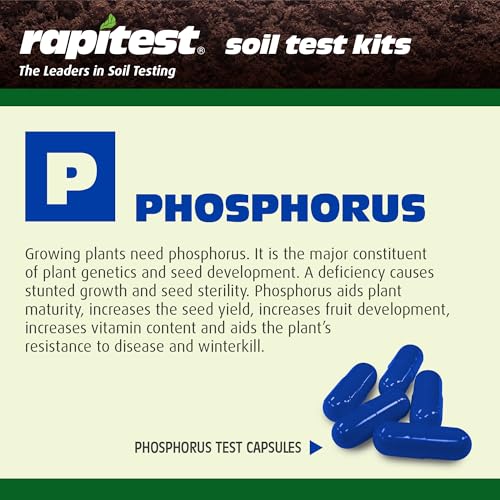
Rapitest Soil Test Kit for Gardens

The Rapitest Soil Test Kit is a classic choice for gardeners who want more than a quick moisture reading. It is made for testing soil pH and key garden nutrients, including nitrogen, phosphorus, and potash. The color chart helps you compare the test result with common plant needs. I like this style of kit because it turns a vague soil problem into a clear starting point.
This tester works well for vegetable beds, flowers, lawns, and small landscaping areas. It does require a sample, water, and a few simple steps, so it is not as instant as a digital probe. Still, a careful test can help you avoid adding fertilizer when the soil does not need it. Soil pH and nutrient tests are most useful when you take samples from several spots and mix them before testing.
Pros:
- Tests soil pH and major nutrients
- Useful for gardens, lawns, and flower beds
- Does not need batteries
- Provides a simple color guide
- Helps reduce guesswork before fertilizing
- Good choice for seasonal soil checks
Cons:
- Testing takes longer than using a digital probe
- Color matching can feel subjective
- Supplies may need replacement after repeated use
My Recommendation
I recommend the Rapitest for gardeners who want a practical soil health check instead of only measuring moisture. It suits vegetable growers and lawn owners who plan to adjust lime or fertilizer based on a test. It is also a smart pick for beginners who want a guided process. Among the best soil testers, this one stands out for nutrient testing and broad garden use. Its value is strong when you want several tests from one kit rather than a single-purpose meter.
Buladeke 7-in-1 Digital Soil Tester
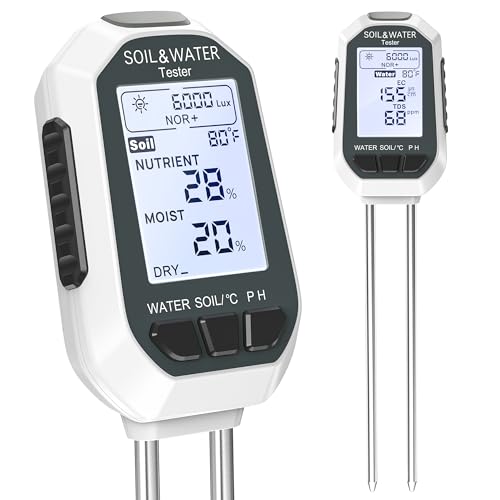
The Buladeke 7-in-1 digital soil tester targets gardeners who want many readings in one handheld tool. Depending on the selected mode, it can help check soil moisture, pH, fertility, temperature, light, and related growing conditions. The digital display is easier to read than a small analog dial. That makes it useful when you check many pots or garden beds in one session.
I see this type of tester as a garden dashboard. It can show patterns, such as one pot staying wet while another dries fast. The readings should guide your care, not replace plant observation or a laboratory soil report. Insert the probe into moist, settled soil, keep it away from stones, and wipe it clean after use for more consistent results.
Pros:
- Combines several useful readings in one tool
- Digital screen is easy to read
- Helpful for indoor plants and outdoor beds
- Can support watering and light decisions
- Reduces the need to carry separate meters
- Good fit for users who enjoy regular plant checks
Cons:
- Multi-function readings may not equal laboratory testing
- Digital tools need batteries or charging
- Probe care affects long-term performance
My Recommendation
The Buladeke is best for plant owners who want a broad set of readings from one compact device. It fits indoor plant shelves, patio containers, vegetable beds, and small lawns. I would choose it over a basic moisture meter when you also care about pH, light, and temperature. It belongs among the best soil testers for convenience, especially for people who check many plants each week. Its value comes from combining several everyday checks in one screen.
HSLGOVE 7-in-1 Soil Test Kit

The HSLGOVE soil tester is designed for gardeners who want a dual-screen view of soil and air conditions. Its listed functions include soil moisture, pH, fertility, soil temperature, air temperature, and humidity. The two-screen layout can make it easier to read related values without switching through every mode. This is a useful design for greenhouse work, indoor plants, and garden monitoring.
A tester that shows temperature and humidity can add helpful context to a moisture reading. Soil may feel damp but still dry near the roots, or a cool room may slow water use. I would use this tool to compare areas rather than treat one number as perfect. As with other electronic soil testers, clean insertion and steady contact matter more than rushing from pot to pot.
Pros:
- Offers several soil and air measurements
- Dual-screen layout supports quick reading
- Useful for indoor and outdoor growing
- Can help track moisture with temperature
- Suitable for pots, lawns, farms, and garden beds
- Gives more context than a moisture-only meter
Cons:
- Many functions may feel complex for a new gardener
- Electronic readings need sensible interpretation
- May be more tool than needed for one houseplant
My Recommendation
I recommend the HSLGOVE for serious home growers who like to monitor several conditions at once. It is a strong match for greenhouses, plant rooms, nurseries, and mixed garden spaces. The air and soil temperature information may help explain why watering patterns change. For shoppers comparing the best soil testers, this model is a good choice when a wide data set matters more than a simple one-button design. It offers useful coverage for gardeners who enjoy keeping notes and spotting trends.
7-in-1 Soil Test Kit with LCD Display

This 7-in-1 soil test kit aims to cover the main checks that affect plant care. It can measure soil moisture, pH, light intensity, fertility, and air or soil temperature. The LCD display gives the tool a modern feel and makes the results simple to view. For a gardener who wants one tester for houseplants, containers, lawns, and farm use, the broad function list is appealing.
The light feature can help when a plant looks weak even though watering seems correct. The moisture mode can also prevent the common mistake of watering by the calendar. I would still confirm unusual results with a second method, such as a finger test, a visual plant check, or a proper lab analysis. No pocket meter can replace a complete soil report when you need precise nutrient recommendations.
Pros:
- Measures several common growing conditions
- LCD display is quick to read
- Light testing helps with plant placement
- Useful for indoor plants and outdoor gardens
- Can support better watering habits
- One device covers many routine checks
Cons:
- Results can vary with soil contact and placement
- Not a replacement for professional nutrient analysis
- The large feature set may take time to learn
My Recommendation
This kit is best for curious gardeners who want a single device for daily plant care. I would consider it for a home with many houseplants, a mixed patio garden, or a lawn that receives uneven sunlight. The light function is a useful extra when you move plants around the home. It earns a place among the best soil testers for broad routine checks, though I would pair it with a lab test for major lawn or crop projects. Overall, it is a flexible option for the price.
SONKIR MS02 3-in-1 Soil pH Meter

The SONKIR MS02 focuses on three important checks: soil moisture, light, and pH. Its straightforward design makes it less intimidating than a tester with a long list of modes. It does not require batteries, which is useful when you want to walk outside and check several garden areas. The dual probe design also makes it quick to move from one pot or bed to another.
This meter is especially useful for spotting broad differences. You may find that a plant near a window receives more light than expected, or that a raised bed is drier than the surrounding soil. I would treat the pH reading as a screening tool and follow product instructions closely. For exact fertilizer or lime decisions, extension services commonly recommend a laboratory soil test.
Pros:
- Simple three-function design
- Checks moisture, light, and pH
- Does not need batteries
- Easy to carry around the garden
- Useful for indoor plants and lawns
- Good entry point for new gardeners
Cons:
- Does not measure nitrogen, phosphorus, or potassium
- Analog readings may take practice to interpret
- Probe tips need cleaning between uses
My Recommendation
I recommend the SONKIR MS02 for beginners who want basic answers without a complicated menu. It is also a practical backup tool for checking moisture and light across a home garden. If pH is your main concern but you do not need detailed nutrient data, this tester keeps the process simple. Among the best soil testers, it offers strong everyday value for small gardens and houseplants. Its battery-free design is a nice benefit for occasional users.
YAMRON 4-in-1 Digital Soil Meter

The YAMRON 4-in-1 digital soil meter is made for users who want a middle ground between a simple dial and a large multi-function tester. Its design supports routine checks for indoor and outdoor plants. A digital readout can be helpful for people who find color scales or analog needles hard to read. The compact format also works well in a tool drawer, greenhouse, or apartment plant corner.
I like four-function meters for routine plant care because they offer useful information without an overly crowded control panel. You can check a pot before watering, compare light near different windows, and watch how the soil changes after rain. The tool is most helpful when you use it at the same depth and in similar spots. Small changes in technique can create misleading results, so steady habits matter.
Pros:
- Digital display supports easy reading
- Useful balance of features and simplicity
- Suitable for indoor and outdoor plants
- Helps reduce overwatering
- Compact enough for regular use
- Good option for casual gardeners
Cons:
- May not provide detailed nutrient information
- Requires power for digital operation
- Readings can change in rocky or uneven soil
My Recommendation
The YAMRON is best for plant owners who want more help than a basic probe but less complexity than a seven-function device. I would suggest it for apartment gardeners, patio containers, and small home landscapes. It can make regular watering checks faster and less emotional, especially when a plant looks unhappy. In a list of the best soil testers, this model fits shoppers seeking a clean, simple digital experience. It offers good everyday value when you do not need a full nutrient report.
MySoil Complete Soil Test Kit

The MySoil Soil Test Kit takes a different approach from handheld meters. Instead of giving an instant probe reading, it uses a soil sample for a more complete analysis of nutrients and pH. It is designed to help you understand what your lawn or garden soil may need. This type of test is better suited to planned soil improvement than daily watering checks.
I would use the MySoil kit before starting a new lawn, rebuilding a garden bed, or applying a large amount of fertilizer. A proper sample matters, so collect soil from several locations and avoid unusual spots such as compost piles or areas beside a driveway. The results and recommendations can give you a more informed plan than guesswork. For major agricultural decisions, local lab services and extension guidance remain valuable companions.
Pros:
- Designed for nutrient and pH analysis
- Useful for lawns and larger garden projects
- Supports planned soil improvement
- Can reduce unnecessary fertilizer use
- Better suited to long-term soil decisions than a moisture meter
- Helpful for users who want recommendations
Cons:
- Does not provide instant readings in the garden
- Requires careful sample collection and sending
- Less useful for checking daily moisture
My Recommendation
I recommend MySoil for homeowners who want to improve a lawn or garden based on nutrient information. It is a strong choice before seeding, planting, or correcting a recurring growth problem. Gardeners who only need to know whether a pot is dry should choose a moisture meter instead. For shoppers comparing the best soil testers, MySoil is the better fit for deeper soil planning. Its value increases when a thoughtful report can prevent repeated, costly fertilizer mistakes.
Aenncci 2-in-1 Soil Moisture and pH Meter

The Aenncci soil tester keeps the job focused on two common needs: moisture and pH. Its large dual dials are designed for quick viewing without a digital screen or battery. That simple format can appeal to gardeners who want a tool they can grab and use at once. It works for houseplants, lawns, farms, and outdoor beds.
A two-in-one meter can help you avoid two frequent mistakes: watering dry soil too late and changing pH without checking it first. I would use it in several spots because one reading cannot represent an entire bed. Push the probe into firm but workable soil, avoid forcing it through hard stones, and wipe it after use. These small steps help protect the probe and improve repeat checks.
Pros:
- Measures moisture and pH
- Large dials are easy to view
- Does not need batteries
- Simple design suits beginners
- Useful for indoor and outdoor plants
- Quick for spot checks around the garden
Cons:
- Does not test plant nutrients
- Analog dials may not give exact lab-level values
- Hard soil can make insertion difficult
My Recommendation
The Aenncci is best for gardeners who want a basic, battery-free tool for moisture and pH checks. It is a sensible choice for houseplants, raised beds, and small lawns where speed matters. I would not select it for a full nutrient diagnosis, but it can reveal whether watering or pH deserves closer attention. Among the best soil testers, it is a straightforward option for low-cost routine care. Its simple design may be its greatest strength for occasional users.
How to Choose the Best Soil Testers
The right tester depends on the question you need to answer. If your plant is wilting, moisture is the first place to look. If leaves turn pale or growth stays weak, pH and nutrients may matter more. If you are building a lawn or vegetable bed, a sample-based nutrient test often gives better planning data than a pocket probe.
Choose the right test type
Moisture meters help you decide when to water. They are useful for houseplants, containers, and beds with uneven drainage. pH meters show whether soil is acidic or alkaline, but a single reading is only a snapshot. Nutrient kits can check elements such as nitrogen, phosphorus, and potassium, while laboratory tests provide the most dependable picture for serious soil correction.
Think about accuracy
Many inexpensive electronic testers are best for trends. For example, you can compare one pot with another or see whether a bed is drying after several sunny days. You should not assume that a low-cost reading is equal to a calibrated laboratory result. Research-based gardening guidance often recommends laboratory testing when you need exact nutrient or lime rates.
Check ease of use
A tester is only useful if you will use it. Digital screens are easy to read, while analog meters do not need batteries. Sample kits take more work but may provide more useful nutrient information. I prefer a simple tool for frequent checks and a detailed kit for major soil projects.
Look for good probe care
Soil can hold grit, salts, fertilizer residue, and moisture. Wipe probes after use and follow the care instructions supplied with the tester. Never force a thin probe into hard, rocky soil. If the soil is very dry, test technique can affect the result, so make sure the probe has firm contact around its full length.
Use several soil samples
One garden bed may contain different soil from one end to the other. Shade, roots, drainage, and past fertilizer use all change results. For a broad garden check, take small samples from several spots and mix them in a clean container. Avoid sampling directly beside a compost pile, fertilizer band, or visibly unusual patch.
What Soil pH Means for Plants
Soil pH describes how acidic or alkaline the soil is. The pH scale runs from acidic values to alkaline values, with neutral near the middle. Most garden plants grow well in a slightly acidic to near-neutral range, but the best level depends on the plant. Blueberries, for example, prefer more acidic soil than many vegetables.
pH affects how easily plants can take up nutrients. A soil may contain iron or phosphorus, yet the plant may struggle to use it if the pH is far from the preferred range. This is why adding more fertilizer does not always solve yellow leaves. A pH check can point you toward the real cause.
Do not change soil pH quickly without a plan. Lime and sulfur work over time, and the right amount depends on soil type, current pH, and the crop. For a large lawn or valuable planting area, use a reliable soil report before applying amendments. The best soil testers can help you screen a problem, but good soil care still needs patience.
How to Test Soil Moisture Correctly
Start by testing near the root zone, not only at the surface. A dry top layer may hide damp soil below, while a wet surface may dry quickly in bright sun. Insert the probe to a similar depth each time. Compare the reading with the plant’s needs and the feel of the soil.
Test more than one spot in a pot or bed. Roots do not always spread evenly, and water can move around a hard root ball. If a reading seems strange, remove the probe, clean it, and test again. You can also compare the meter with a finger check or a wooden stick.
Moisture readings are guides, not orders. A cactus and a fern should not receive water at the same level. Heavy clay may hold water longer than sandy soil. The best soil testers help you see the pattern, but plant type, weather, pot size, and drainage still guide the final decision.
Best Soil Tester Features That Matter
| Best for | Why |
|---|---|
| Nutrient and pH planning | Sample-based kits can support better fertilizer and amendment choices. |
| Houseplant watering | A simple moisture meter gives fast help before you water. |
| Many garden conditions | A multi-function digital tester can check moisture, light, pH, and temperature. |
A clear display is helpful if you garden in low light or have trouble reading a small dial. A long probe may help with deep containers, but it should still be strong enough to insert safely. A tester with several functions can save space, yet more features also mean more modes to learn. Choose the functions that solve your real problem.
Battery-free models are ready whenever you need them. Digital models may offer clearer numbers and more functions. Sample kits take extra time but can answer nutrient questions that basic meters cannot. There is no single perfect tool for every garden, so match the design to your routine.
Common Soil Testing Mistakes to Avoid
The first mistake is testing only one place. Soil changes across even a small yard. The second is fertilizing before you know whether nutrients are low. Too much fertilizer can harm plants, increase salt levels, and move into waterways.
Another mistake is treating a cheap meter as a laboratory instrument. Use handheld testers to spot trends and guide care. If your lawn fails every season, your vegetable crop stays weak, or you plan a major amendment, get a proper soil analysis.
Finally, do not ignore the plant. Leaves, stems, roots, drainage, pests, and light all tell part of the story. Soil is one piece of the puzzle. The best soil testers make that piece easier to understand, but they do not replace good observation.
FAQs Of best soil testers
Are soil testers accurate?
Accuracy varies by product and test type. Handheld meters are useful for comparisons and trends, while laboratory tests are better for exact nutrient recommendations. Follow the instructions and test several spots for a more useful result.
What is the best soil tester for houseplants?
A simple moisture meter is often enough for houseplants. A 3-in-1 or 4-in-1 model is useful if you also want light or pH information. Choose a design you will use often and clean the probe after each check.
Can a soil tester measure fertilizer levels?
Some kits test nutrients or provide a fertility reading, but basic moisture meters cannot. For dependable nitrogen, phosphorus, potassium, and pH data, use a sample-based kit or a laboratory soil test.
How often should I test garden soil?
Many home gardeners test before a new planting project and then every few years. Test sooner if plants show repeated problems or if you apply major amendments. Frequent moisture checks may be useful, especially in containers.
Do soil pH meters need calibration?
Some digital pH meters need calibration, while simple analog models may not use a calibration process. Always check the product directions. Clean probes and proper soil contact are important for either type.
Final Verdict: Which Should You Buy?
For broad soil planning, I favor the Rapitest or MySoil kits. For daily plant care, the Buladeke offers the most features, while the SONKIR keeps things simple. The best soil testers depend on whether you need nutrients, pH, moisture, or several readings.
Choose the tester that fits your garden routine. Use readings as guides, confirm major problems with a lab test, and let healthy soil support strong plants.
