Yes, you can usually put premium gas in a lawn mower, but most lawn mowers do not need it. Regular unleaded gasoline with the correct octane rating recommended by the manufacturer is typically the better choice.
Across the United States, millions of homeowners use gas-powered lawn mowers to maintain residential lawns during the growing season. When choosing fuel at a local gas station, many people wonder whether premium gasoline can improve mower performance or protect a small engine. In most cases, premium gas will run in a lawn mower safely, but it does not provide extra power or cleaning benefits unless the engine specifically requires a higher octane fuel.
Lawn mower engines are designed differently from car engines. Most walk-behind and riding lawn mowers use small air-cooled engines that are built to operate on regular unleaded gasoline with a manufacturer-specified octane level. Using the wrong fuel type, especially gasoline with excessive ethanol or old fuel, can create more problems than choosing between regular and premium gasoline.
What Happens If You Put Premium Gas in a Lawn Mower?
Putting premium gasoline in a lawn mower usually does not damage the engine if the fuel meets the manufacturer’s requirements. Premium gasoline has a higher octane rating, which helps prevent knocking in engines designed for higher compression. Most small lawn mower engines are not built to take advantage of that extra octane.
A mower designed for regular unleaded gasoline will typically perform the same with premium fuel. The engine control systems found in many vehicles that adjust ignition timing are generally not present in simple lawn mower engines, so the higher octane does not translate into additional horsepower or better cutting performance.
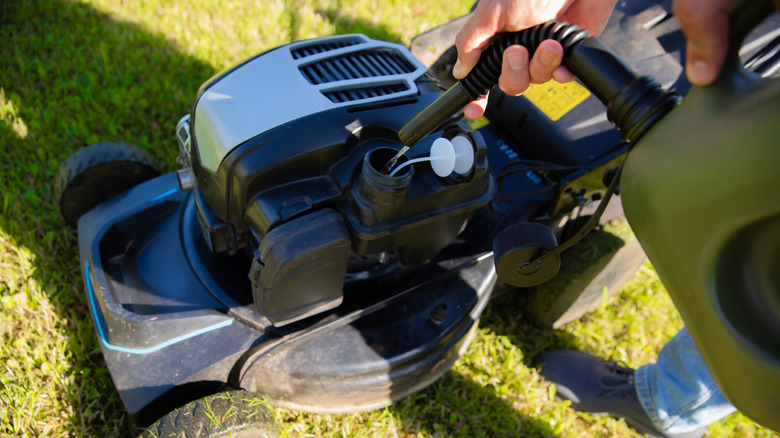
Source: housedigest.com
Safe in most cases
Premium unleaded gasoline can usually be used if it is fresh, clean, and within the fuel specifications listed by the mower manufacturer.
Limited performance benefit
Higher octane fuel does not automatically make a lawn mower run stronger, start faster, or use less fuel.
Manufacturer instructions matter
The owner’s manual is the best source for the recommended fuel type for a specific mower model.
Why Higher Octane Does Not Usually Help Small Engines
Octane measures gasoline’s resistance to premature ignition, also called engine knock. Premium fuel is designed for engines with higher compression ratios or specific performance requirements. Most lawn mower engines operate at lower compression levels and are already designed to run properly on regular gasoline.
Regular fuel is often sufficient
Most residential lawn mowers are engineered around standard unleaded gasoline rather than premium fuel.
What Type of Gas Should You Use in a Lawn Mower?
The best gasoline for a lawn mower depends on the engine manufacturer’s specifications, but many modern small engines are designed to use fresh unleaded gasoline with an appropriate octane rating. Fuel recommendations can vary between brands and models, so checking the owner’s manual is the most reliable approach.
Many manufacturers recommend gasoline with no more than 10% ethanol, commonly labeled E10. Gasoline containing higher ethanol levels may not be suitable for many small engines because ethanol can attract moisture and contribute to fuel system problems during storage.
Use clean gasoline purchased from a reliable fuel source and avoid storing fuel for extended periods without proper treatment.
Lower ethanol content
Fuel with less ethanol is often preferred for outdoor power equipment because it can reduce moisture-related fuel issues.
Correct octane rating
Follow the fuel grade listed by your mower manufacturer rather than choosing a higher octane fuel unnecessarily.
Premium Gas Versus Regular Gas for Lawn Mowers
The main difference between regular and premium gasoline is octane rating. Premium gasoline generally costs more but does not provide a measurable advantage in a lawn mower engine that was designed for regular fuel.
Regular gasoline
Usually the economical option when it matches the mower manufacturer’s requirements.
Premium gasoline
Usually safe but often unnecessary unless specifically recommended for the engine.
Can Premium Gas Damage a Lawn Mower?
Premium gasoline itself usually does not damage a lawn mower when it meets the engine’s fuel requirements. Problems are more commonly caused by contaminated fuel, old gasoline, incorrect ethanol levels, or improper storage.
Using premium gas occasionally is unlikely to create an issue, but consistently paying extra for higher octane fuel may provide no practical benefit if the mower engine does not require it.
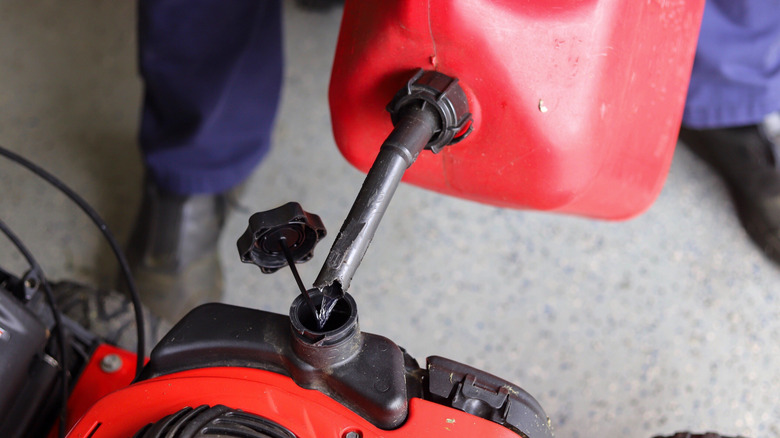
Source: hunker.com
Fuel age matters
Gasoline that has been stored too long can degrade and cause starting or running problems.
Ethanol content matters
Fuel with unsuitable ethanol levels can affect small engine fuel systems.
Maintenance matters
Oil changes, air filter cleaning, and spark plug maintenance have a greater effect on mower performance than premium fuel.
Signs Your Lawn Mower Has a Fuel Problem
If a lawn mower runs poorly after refueling, the issue may not be the octane rating. Several fuel-related problems can cause similar symptoms.
Hard starting
Old or contaminated fuel can make it difficult for the engine to start.
Engine sputtering
Fuel system restrictions or poor-quality gasoline may cause uneven operation.
Loss of power
A dirty carburetor, clogged filter, or mechanical issue may reduce cutting performance.
Common Mistakes When Fueling a Lawn Mower
Choosing premium gasoline is rarely the biggest fuel mistake lawn mower owners make. Most problems happen because of incorrect storage, contaminated fuel, or using gasoline that does not match the engine requirements.
Fuel left sitting for months can lose quality and contribute to starting problems.
Using automotive fuel additives unnecessarily
Adding products without knowing whether they are needed can create compatibility issues.
Overfilling the fuel tank
Leave room for fuel expansion and follow the mower manufacturer’s fueling instructions.
Ignoring storage preparation
Proper seasonal storage helps protect the fuel system when the mower is not used regularly.
How to Choose the Right Gas for Your Lawn Mower
The safest way to choose lawn mower fuel is to start with the engine manufacturer’s recommendation and then consider fuel freshness, ethanol content, and storage conditions. A more expensive fuel is not automatically a better fuel for your mower.
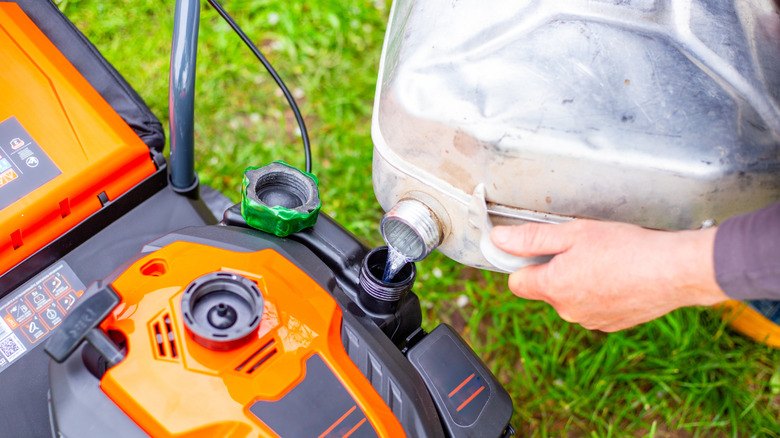
Source: crabgrasslawn.com
Step 1: Check the owner’s manual
Confirm the recommended gasoline type, octane rating, and ethanol limits for your exact mower model.
Step 2: Buy fresh fuel
Avoid using gasoline that has been stored improperly or for long periods.
Step 3: Store fuel safely
Use approved fuel containers and keep gasoline away from heat sources and open flames.
Frequently Asked Questions
Q
Can I mix premium gas with regular gas in a lawn mower?
Yes, mixing premium and regular gasoline is generally safe if both fuels meet the mower manufacturer’s requirements. The resulting fuel will have an octane level between the two gasoline types.
Q
Will premium gas make my lawn mower run better?
Usually, no. Premium gas may prevent knocking in engines designed for higher octane fuel, but most lawn mower engines do not gain extra power or efficiency from premium gasoline.
Q
Can I use ethanol-free premium gas in my lawn mower?
Ethanol-free gasoline can be suitable for many small engines if it matches the manufacturer’s fuel requirements. Some owners prefer it because it may store better, but it is still important to follow the mower manual.
Q
What happens if I accidentally put premium gas in my lawn mower?
In most cases, nothing serious happens. If the premium fuel is appropriate gasoline without harmful additives or excessive ethanol, you can typically continue using the mower normally.
Q
What gas should I avoid putting in a lawn mower?
Avoid gasoline that does not meet the engine manufacturer’s specifications, fuel with excessive ethanol content, contaminated fuel, and gasoline that has degraded from long storage.
✦ Wrapping Up
Conclusion
You can usually put premium gas in a lawn mower, but most residential mowers do not require it. The best fuel choice is the gasoline recommended by the manufacturer, with proper octane, suitable ethanol content, and good freshness.
For most homeowners, focusing on clean fuel, correct storage, and regular mower maintenance will have a greater impact on reliability than choosing premium gasoline over regular fuel.
💡 Key Takeaway
Before filling your mower, check the owner’s manual, use fresh gasoline that matches the recommended specifications, and avoid paying extra for premium fuel unless your engine specifically benefits from it.
A lawn isn’t just a patch of green—it’s an expression of care, patience, and pride. When you step outside on a sunny morning and feel the cool grass under your feet, you know it’s worth every bit of effort. Taking care of your lawn properly in 2026 means understanding the changes in climate, new eco-friendly…
Few things are more frustrating than getting ready to mow your yard, only to find your DeWalt lawn mower not working. You’ve charged the batteries, adjusted the handle, and yet — nothing happens. Or worse, it starts and stops within seconds. If you own a cordless or corded DeWalt mower, this problem can leave you…
Learn how much gas a lawn mower holds, including average fuel tank sizes for push mowers, riding mowers, and zero-turn mowers. Find practical capacity examples and fuel tips.
Can you use old gas in a lawn mower? Learn how gasoline age affects mower performance, when old fuel is still usable, how to fix bad gas problems, and when to replace it.
There’s nothing more frustrating than starting your weekend ready to mow, pulling the handle on your mower, and realizing it refuses to move forward. You feel the engine humming, the blades spinning, but the wheels just won’t budge. Suddenly, mowing turns from an easy stroll into a full-body workout. That’s when you realize the lawn…
Lawn mower carburetor adjustment screws explained in a simple guide. Learn what each screw does and tune your engine for smoother, reliable performance.

![Can You Put Premium Gas in Lawn Mower? [The Ethanol Truth] - Howgarden.blog](https://i.ytimg.com/vi/N68vnb6o71I/hq720.jpg "Can You Put Premium Gas in Lawn Mower? [The Ethanol Truth] - Howgarden.blog")