How Good Are Battery Powered Lawn Mowers: Honest Review
Introduction
Battery-powered lawn mowers are very good for many American homeowners, especially those with small or medium-sized yards. They start with a button, make less noise than gas models, need little routine care, and produce no tailpipe exhaust while you mow. For a typical suburban lawn in the United States, a cordless mower can handle weekly mowing with less mess and effort.
Gas mowers still have an edge for very large yards, tall wet grass, rough land, and long work sessions. Battery models also cost more at the start, and their run time depends on the battery size, grass condition, mower width, and cutting height.
The short answer: Choose a battery mower if you value quiet use, easy starting, and low maintenance. Choose gas if you need long, uninterrupted cutting power or regularly mow difficult grass.

How Battery-Powered Lawn Mowers Work
A battery lawn mower uses a rechargeable battery pack to power an electric motor. The motor turns the cutting blade through an electronic control system. Most current models use lithium-ion batteries, which are also common in cordless tools.
Unlike a corded electric mower, a battery mower has no power cable connected to the house. You charge the battery before mowing, insert it into the mower, and remove it for storage or charging.
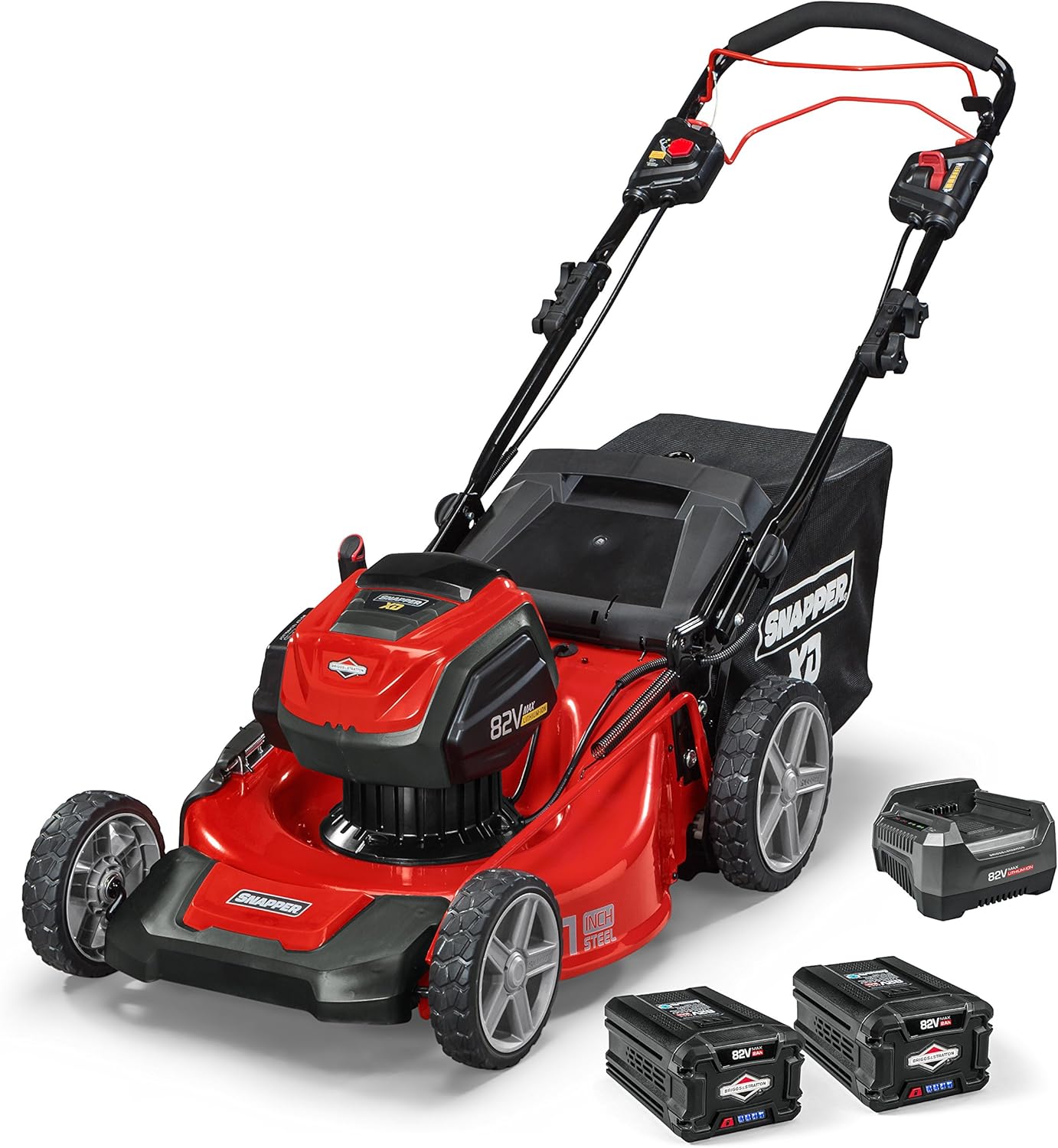
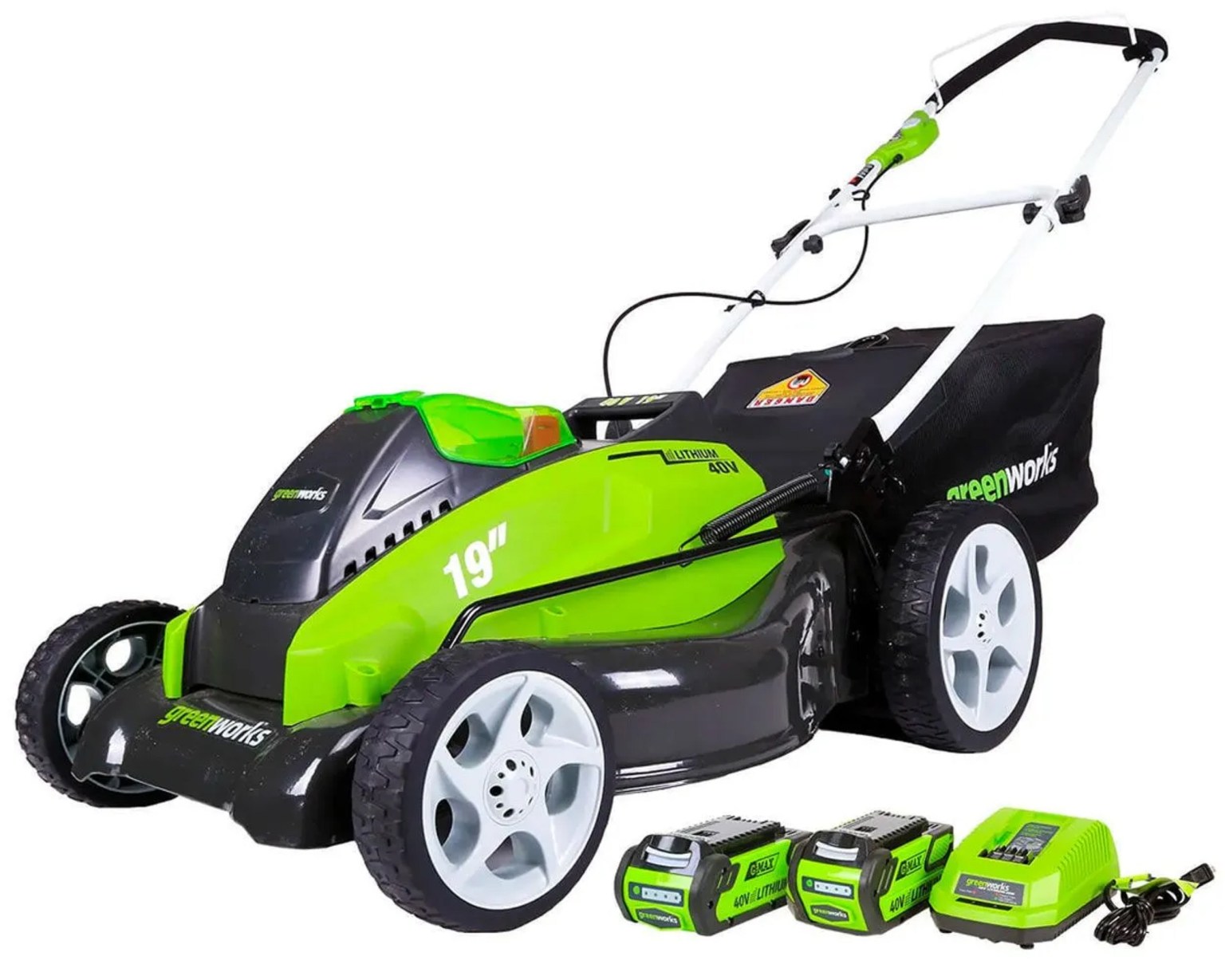
Most battery mowers include these parts:
- Battery pack: Stores electrical energy.
- Charger: Recharges the battery from a standard household outlet.
- Electric motor: Turns the blade.
- Deck: Covers and supports the blade.
- Blade: Cuts the grass.
- Control handle: Lets you start the motor and engage safety features.
- Grass bag or discharge system: Collects or spreads the clippings.
Battery capacity is often shown in watt-hours, or Wh. A simple estimate is:
Watt-hours = volts × amp-hours
For example, a 40-volt, 5-amp-hour battery stores about 200 watt-hours under its rated conditions. Real mowing time will be lower than a simple calculation may suggest because grass, terrain, blade load, and motor efficiency affect energy use.
The battery voltage printed on a mower does not tell you everything about performance. A larger battery may provide longer run time, but the mower’s blade speed, motor design, deck width, and software also matter.
How Good Are Battery Lawn Mowers in Real Use?
Battery lawn mowers perform well when the lawn is maintained, reasonably level, and small or medium in size. They can cut common residential grasses such as Kentucky bluegrass, tall fescue, perennial ryegrass, zoysia, and bermudagrass when the blade is sharp and the mower is set correctly.
Their main strengths are simple operation and low daily hassle. You do not need to mix fuel, change engine oil, clean a carburetor, or pull a starter cord. Press the start button, hold the safety control, and mow.
Their main weakness is limited stored energy. A gas mower can be refilled in a few minutes. A battery mower must be recharged or fitted with a spare battery when its charge runs low.
Typical performance by lawn type
| Lawn condition | Battery mower suitability | What to expect |
|---|---|---|
| Small, flat suburban yard | Excellent | One charge may be enough with a suitable battery |
| Medium residential yard | Good | Battery size and grass height matter |
| Large open yard | Fair to good | A spare battery may be useful |
| Thick or overgrown grass | Fair | Use a higher cut and move slowly |
| Wet grass | Poor choice | Cutting becomes harder and clippings may clog |
| Steep slopes | Model-dependent | Consider drive wheels and local safety guidance |
| Rough, uneven ground | Fair | Larger wheels and a strong deck help |
| Acreage or field grass | Often poor | Gas or commercial equipment may be better |
A battery mower is not weak simply because it is electric. It can deliver strong blade speed, especially when the motor detects heavy grass and increases power. However, that extra power uses energy faster. The mower may cut dense grass well but finish fewer square feet per charge.
Battery Mower Advantages
1. Easy starting
A battery mower usually starts with a button, key, or electronic control. There is no fuel to prime and no engine to pull-start. This is useful for people who find pull cords difficult or tiring.
2. Lower routine maintenance
Battery mowers do not need:
- Engine oil changes
- Spark plug replacement
- Carburetor cleaning
- Fuel stabilizer
- Gas can storage
- Winter fuel drainage
You still need to clean the deck, inspect the blade, check the wheels, and store the battery correctly. The maintenance burden is usually much smaller than with a gas engine.
3. Quieter operation
Battery mowers are generally quieter than gas mowers because they do not have a combustion engine. You may still hear the blade, airflow, wheels, and grass hitting the deck.
Lower noise does not mean no hearing risk. The U.S. Occupational Safety and Health Administration advises employers to manage hazardous noise exposure, and consumer safety groups commonly recommend hearing protection around loud outdoor equipment. Use protection if the mower sounds loud, if you mow for long periods, or if you also use a trimmer or blower.
4. No tailpipe exhaust while mowing
A battery mower produces no direct exhaust at the point of use. A gas mower burns fuel and produces exhaust near the operator and nearby people.
The full environmental impact is more complex. Electricity generation, battery production, shipping, and eventual recycling also have impacts. A fair comparison should consider the local electric grid, battery life, mower life, and how often the mower is used.
The U.S. Environmental Protection Agency explains that electric equipment can reduce direct emissions, but electricity-related emissions depend on how power is generated.
5. Easier storage and cleaner use
Gasoline can spill, evaporate, and leave an odor. Battery mowers avoid those problems. You can store the mower without keeping fuel nearby.
Do not store a lithium-ion battery in a hot vehicle, near a heat source, or where its terminals can touch metal objects. Follow the battery maker’s storage instructions.
6. Shared battery systems
Some brands sell batteries that work across several outdoor tools. One battery platform may power a mower, string trimmer, leaf blower, hedge trimmer, or chainsaw.
This can reduce the cost of buying batteries for each tool. It also creates a trade-off: staying with one brand may limit your future mower choices.
Battery Mower Disadvantages
1. Limited run time
Run time is the concern buyers mention most often. A manufacturer’s run-time estimate may be based on light grass, a particular battery, a specific cutting mode, or ideal conditions. It should not be treated as a guarantee for every yard.
Run time falls when you:
- Cut wet grass
- Let grass grow too tall
- Use a low cutting height
- Mow uphill
- Use self-propelled drive
- Operate in thick turf
- Use a dull blade
- Carry a heavy grass load
- Mow at full power for long periods
A self-propelled mower also uses battery energy to move its wheels. If your yard is flat, turning off self-propelled drive can extend mowing time.
2. Longer recovery after the battery runs out
A spare battery solves much of the run-time problem, but it adds cost. Fast chargers reduce waiting time, yet fast charging may create more heat and may not be included with the mower.
Always use the charger supplied or approved by the manufacturer. Do not use a damaged battery, damaged charger, or battery pack that has become swollen, unusually hot, cracked, or wet.
3. Higher purchase cost
The mower is only part of the purchase. The total cost may include:
- Battery pack
- Charger
- Spare battery
- Replacement blade
- Extended warranty
- Storage equipment
A lower-priced kit may include a smaller battery. A mower sold without a battery may appear inexpensive but cost more after you add the required pack and charger.
4. Battery replacement
Rechargeable batteries lose capacity over time. The exact life depends on charge cycles, heat, storage, use, and battery design. Eventually, the battery may hold less charge and need replacement.
Before buying, check whether replacement batteries are sold in the United States, how much they cost, and whether the manufacturer still supports the mower platform.
5. Less ideal for severe conditions
Battery mowers can struggle when grass is very tall, wet, dense, or neglected. They may shut down to protect the motor or battery if the load becomes too high.
This does not always mean the mower is defective. The blade may be blocked, the deck may be packed with grass, or the mower may be set too low. Turn the mower off, remove the battery, and inspect it only as directed by the manual.

Battery vs. Gas Lawn Mowers
The better choice depends on the work, not just the power source.
| Factor | Battery mower | Gas mower |
|---|---|---|
| Starting | Button or electronic control | Pull cord or electric start |
| Direct exhaust | None during mowing | Yes |
| Noise | Usually lower | Usually higher |
| Routine maintenance | Low | Higher |
| Refueling | Recharge battery | Add gasoline |
| Long sessions | Limited by batteries | Easy to continue with fuel |
| Heavy grass | Good on suitable models | Often stronger for sustained load |
| Storage | Keep batteries cool and dry | Manage fuel and engine storage |
| Upfront cost | Often higher with battery | Often lower for basic models |
| Fuel cost | Electricity | Gasoline and sometimes oil |
| Mechanical repair | Electrical and blade systems | Engine and fuel systems |
Choose battery if:
- Your lawn is small or medium-sized.
- You mow on a regular schedule.
- You want a quieter machine.
- You do not want to store gasoline.
- You prefer simple push-button starting.
- You already own compatible batteries.
- You can charge the mower between uses.
Choose gas if:
- You mow a large property.
- You often cut tall or wet grass.
- You need several hours of uninterrupted work.
- You maintain fields or rough areas.
- Replacement batteries are expensive or unavailable.
- You want to refuel quickly during a long job.
A hybrid approach can also work. Many homeowners use a battery mower for the main lawn and a separate gas or heavy-duty machine for rough areas. That may cost more upfront, but it matches each tool to the work.
How Much Lawn Can a Battery Mower Cut?
The answer depends on battery energy and mowing conditions. Use manufacturer run-time information as a starting point, not a promise.
A simple planning method is:
- Measure or estimate the lawn area.
- Check the mower’s stated coverage or run time.
- Reduce the estimate for hills, thick grass, low cutting height, and self-propelled use.
- Decide whether one charge is enough.
- Price a spare battery before buying the mower.
Hypothetical example
Assume a mower uses a 40-volt, 5-amp-hour battery:
- 40 volts × 5 amp-hours = about 200 watt-hours
- If the mower averages 500 watts while cutting, the theoretical runtime is about 24 minutes
- Actual runtime may be lower or higher because motor load changes during mowing
This is only a planning example. It does not predict the performance of a particular model. The mower manufacturer’s tested coverage data is more useful when the test conditions are clear.
Deck width also matters. A wider deck can reduce the number of passes, but it may require more power. A narrow mower may use less energy per pass but take longer to cover the same lawn.
What to Look For When Buying a Battery Lawn Mower
Battery voltage and capacity
Look at both voltage and amp-hours. Watt-hours provide a better rough comparison than voltage alone.
A higher-capacity battery usually costs more and weighs more. The right size is the one that can finish your lawn without creating excessive weight or cost.
Push or self-propelled drive
A push mower is often lighter, simpler, and more efficient on level ground. Self-propelled drive helps on slopes or for people who do not want to push the mower, but it uses additional battery power.
Some self-propelled models let you control the drive speed. That can improve comfort and help reduce unnecessary battery use.
Deck size
Common residential battery mower decks are often in the roughly 18- to 22-inch range, though sizes vary. A larger deck can shorten mowing time, while a smaller deck may be easier to handle in narrow spaces.
Cutting height range
Choose a mower that can reach the height recommended for your grass type. Cutting too low can stress the lawn and increase battery demand because the mower must remove more grass at once.
Mulching, bagging, and side discharge
- Mulching returns fine clippings to the lawn.
- Bagging collects clippings but adds weight and may reduce run time.
- Side discharge spreads clippings and works well when grass is not too tall.
A mower should provide the mode you will use most often. Do not assume every model includes all three.
Battery availability and warranty
Check:
- Battery warranty length
- Mower warranty length
- Replacement battery price
- Charger replacement cost
- Local service options
- Parts availability
- Whether the battery platform is still active
The warranty does not cover every failure. Read the terms for exclusions related to normal battery wear, water damage, misuse, and unauthorized chargers.
Safety features
Look for a removable safety key, blade brake or stop system, clear battery access, and a manual that explains safe operation. The Consumer Product Safety Commission has reported lawn mower injuries linked to blade contact, so never place hands or feet under the deck while the battery is installed.
How to Get Better Battery Mower Performance
Good mowing habits can matter as much as motor power.
- Mow on a regular schedule. Removing a small amount of grass reduces motor load.
- Avoid wet grass. Wet clippings are heavy and can clog the deck.
- Set the deck higher in stressful conditions. You can make a second pass later if needed.
- Keep the blade sharp. A dull blade tears grass and uses more energy.
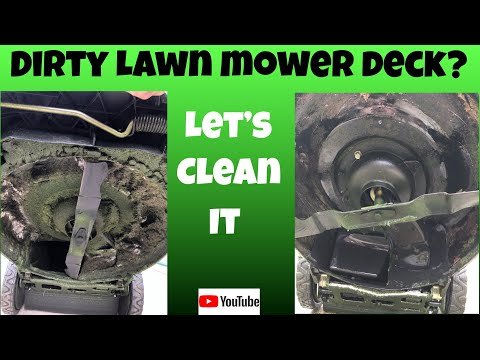
- Clean the underside safely. Remove the battery first and follow the manual.
- Use the correct battery. Do not mix incompatible packs or chargers.
- Plan charging time. Charge before the mowing day rather than after the battery is already needed.
- Use a spare battery when practical. This is often more useful than buying a larger mower.
- Keep air paths clear. Grass and debris can increase heat and reduce performance.
- Store the battery correctly. Follow the manufacturer’s temperature and charge guidance.
Never wash a battery pack with a hose or immerse it in water. Outdoor tools may resist normal moisture, but water resistance is not the same as waterproofing.
Are Battery Lawn Mowers Safe?
Battery mowers are safe when used according to the manual, but they still have sharp blades, moving parts, electrical components, and lithium-ion batteries.
Use these basic precautions:
- Keep children and pets away while mowing.
- Wear sturdy, closed-toe shoes.
- Avoid loose clothing.
- Inspect the lawn for rocks, wire, toys, and sticks.
- Turn off the mower before crossing paths or driveways.
- Remove the battery before clearing a blockage or servicing the blade.
- Do not mow in conditions the manual forbids.
- Keep the charger dry and well ventilated.
- Stop using a battery that is swollen, leaking, cracked, smoking, or unusually hot.
- Contact the manufacturer or local hazardous-waste program for damaged battery disposal.
Do not place lithium-ion batteries in household trash or curbside recycling unless your local program specifically accepts them. The U.S. Environmental Protection Agency recommends using proper battery collection and recycling channels.
Common Battery Mower Problems
The mower will not start
Check the battery charge, safety key, handle position, and start sequence. Some models require the operator to press a button before pulling or holding a safety bar.
If the battery is charged but the mower remains unresponsive, remove it and inspect the contacts for dirt or damage. Do not bend terminals or open the battery pack.
The mower stops during cutting
The blade may be blocked, the grass may be too tall, or the battery may be too hot. Turn the mower off, remove the battery, and wait for the equipment to cool before inspection.
If the mower stops repeatedly in normal grass, check the blade and deck. Continued shutdowns may require manufacturer service.
The mower leaves uncut strips
Possible causes include a dull or damaged blade, overlapping passes that are too narrow, a cutting deck set too high for the grass, or a mower that is moving too quickly.
A sharp, balanced blade is essential. Replace it if it is bent or badly worn.
The battery drains too fast
Look for wet grass, low cutting height, hills, self-propelled drive, a clogged deck, or a worn battery. Compare your use with the manufacturer’s test conditions before concluding that the mower is faulty.
The battery will not charge
Check the outlet, charger connections, battery temperature, and indicator lights. Some chargers will not charge a pack that is too hot or too cold.
Stop using the battery if it shows physical damage. Do not attempt to repair lithium-ion battery cells yourself.
Are Battery-Powered Lawn Mowers Worth It?
Battery mowers are worth it for many U.S. homeowners because they replace fuel, engine upkeep, and pull-start effort with charging and battery management. Their value is strongest when the lawn is moderate in size and mowed often.
They may not be worth it when you need to cut large acreage, handle heavy overgrowth, or work for many hours without a charging break. In those cases, the cost of extra batteries may remove much of the convenience advantage.
Use total ownership cost rather than sticker price:
Total cost = mower + battery and charger + replacement batteries + maintenance + energy or fuel
Battery electricity is usually inexpensive per mowing session, but battery replacement can be a major later expense. Gas equipment costs more to operate and maintain but can offer fast refueling and sustained output.
Frequently Asked Questions
Do battery lawn mowers cut as well as gas mowers?
Many battery mowers cut as well as gas mowers on normal residential grass. Gas models usually have an advantage when the grass is very tall, wet, dense, or continuously heavy. Blade design, motor control, deck shape, and mowing habits affect results.
How long does a battery lawn mower last?
The mower may last for many years if it is kept clean, stored properly, and serviced with the correct parts. The battery is a wear item and may need replacement before the mower itself. Actual life depends on use, heat, charging, and product quality.
Can a battery mower cut wet grass?
It may cut wet grass, but this is usually harder on the mower and lawn. Wet clippings can clog the deck, reduce run time, and create uneven cuts. Wait until the grass is dry when conditions allow.
Are battery lawn mowers cheaper than gas mowers?
They can cost less to operate because they do not use gasoline or engine oil and need less routine maintenance. However, the initial purchase price and replacement battery cost may be higher. Compare the full cost over the years you expect to use the mower.
Can I leave the battery in the mower?
Follow the manufacturer’s storage instructions. For longer storage, many manufacturers recommend removing the battery and keeping it in a cool, dry place away from heat and metal objects. Do not leave a battery in a hot shed, car, or direct sun.
Conclusion
Battery-powered lawn mowers are a strong choice for most small and medium American lawns. They are quiet, easy to start, simple to maintain, and free of direct exhaust while operating. Their main limits are run time, charging, battery replacement cost, and performance in very heavy conditions.
Before buying, measure your lawn, check the mower’s tested coverage, price a replacement battery, and decide whether you need self-propelled drive. If one charged battery can finish your normal mowing session, a battery mower will likely provide the best balance of convenience and performance.