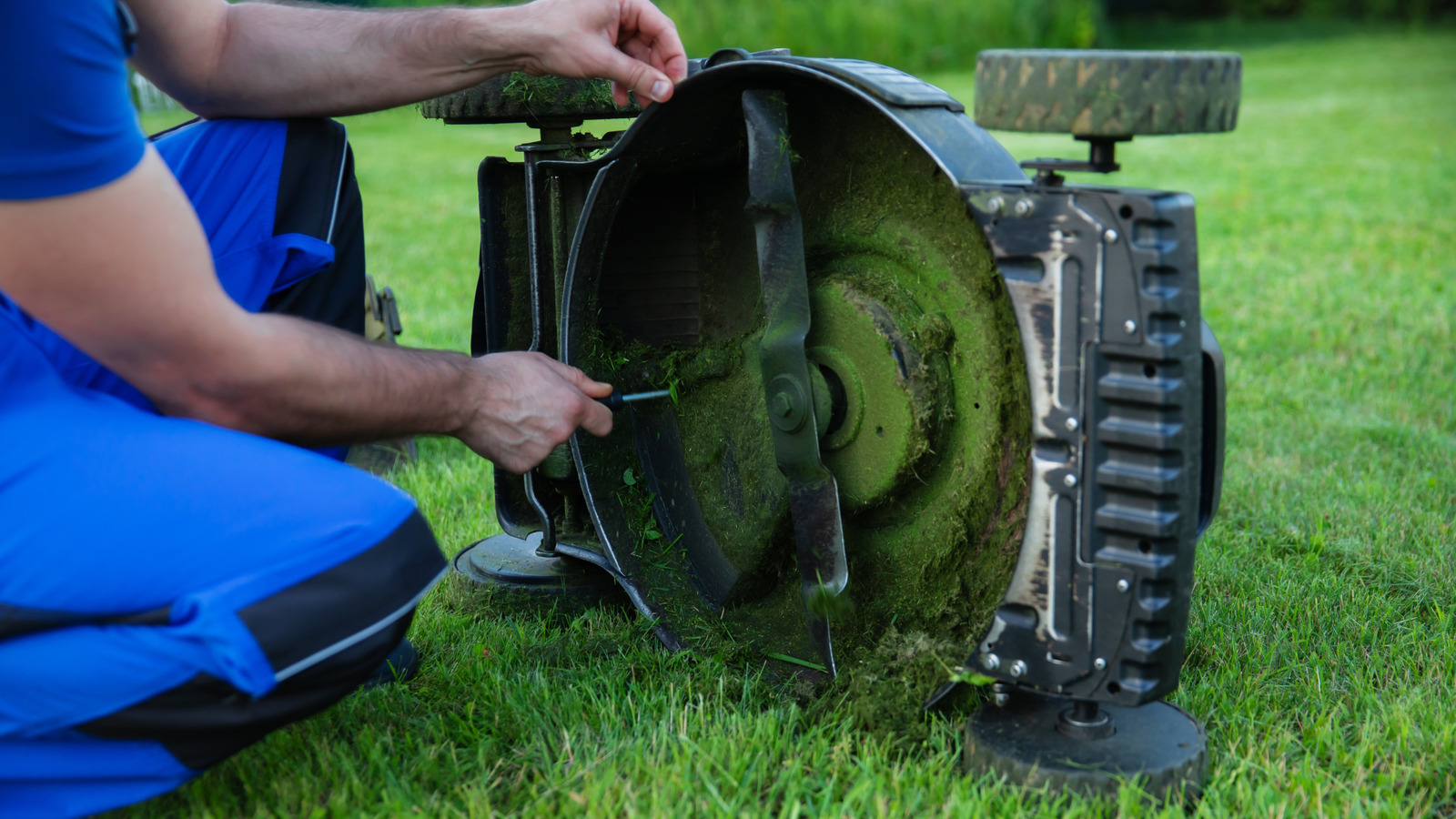
Lawn mower blades typically last about 100 to 200 hours of mowing time, which often equals one to two mowing seasons for many homeowners in the United States. Heavy use, rough terrain, and poor maintenance can shorten their lifespan.
Across the United States, homeowners use lawn mowers throughout the growing season to maintain everything from small suburban lawns to large rural properties. A mower blade may look like a simple metal component, but its condition directly affects cutting quality, grass health, fuel efficiency, and mower performance.
The actual lifespan of a lawn mower blade depends on several factors, including mowing frequency, grass conditions, soil type, blade material, sharpening habits, and whether the mower regularly hits rocks, sticks, or other debris. A well-maintained blade can often serve for multiple seasons, while a damaged blade may need replacement much sooner.
Understanding when to sharpen versus replace a lawn mower blade helps homeowners avoid uneven cuts, stressed grass, and unnecessary mower strain. This guide explains average blade life, warning signs, maintenance practices, and the factors that determine when a replacement is needed.
Most residential lawn mower blades last approximately 100 to 200 hours of mowing time under normal conditions. For many American homeowners who mow once a week during the growing season, this commonly translates to one or two years of service.
There is no fixed replacement schedule because mowing conditions differ widely. A homeowner maintaining a small, flat suburban lawn may get several seasons from a blade, while someone mowing several acres with a riding mower may wear blades much faster.
The blade lifespan also depends on whether the blade is sharpened correctly. Regular sharpening maintains cutting performance and allows a quality blade to remain usable longer, but repeated sharpening eventually removes enough metal that replacement becomes necessary.
Source: storage.googleapis.com
Light residential use
A mower used occasionally on a small, clean lawn may keep its blade for multiple seasons with proper maintenance.
Frequent mowing
Weekly mowing, large yards, or commercial-style use can reduce blade lifespan because the cutting edge experiences more wear.
Difficult conditions
Rocky soil, thick grass, wet conditions, and hidden debris can quickly damage mower blades.
What Determines Lawn Mower Blade Lifespan?
Blade durability depends on how much stress the cutting edge experiences during operation. The same blade can last very different amounts of time depending on the lawn and mowing habits.
Mowing frequency
More mowing hours create more friction and impact, increasing wear on the blade edge.
Grass and yard conditions
Thick grass, weeds, dirt contact, and debris can make blades dull faster.
Blade quality and material
Higher-quality blades may resist wear better, but all blades eventually require sharpening or replacement.
Signs Your Lawn Mower Blade Needs Sharpening or Replacement
A mower blade should be inspected when mowing performance decreases or the lawn shows signs of poor cutting. Some problems can be corrected with sharpening, while others indicate the blade should be replaced.
A sharp blade creates a clean cut that helps grass recover quickly. A worn blade tears grass instead, leaving damaged tips that may appear brown or unhealthy after mowing.
Source: detroitchinatown.org
Uneven grass height
A worn or damaged blade may fail to cut grass evenly, leaving patches of taller grass behind.
Frayed or torn grass tips
Ragged grass ends are a common sign that the blade edge is dull rather than cutting cleanly.
Excessive vibration
A bent, cracked, or unbalanced blade can create unusual vibration and may require immediate inspection.
Visible damage
Cracks, deep dents, severe rust, or a badly worn cutting edge are reasons to replace the blade.
When Should You Replace Instead of Sharpen a Blade?
Sharpening is useful when a blade is simply dull, but replacement is the safer option when the blade has structural damage or has become too thin from repeated sharpening.
Replace cracked blades
A cracked blade can break during operation and create a safety hazard.
Replace severely bent blades
A bent blade may be difficult to balance and can cause mower vibration.
Replace worn-down blades
Excessive metal loss reduces blade strength and cutting effectiveness.
How to Extend the Life of Lawn Mower Blades
Proper maintenance can significantly improve blade performance and reduce unnecessary wear. The goal is not to keep a blade forever, but to maintain safe and efficient cutting until replacement is needed.
Regular inspection, correct sharpening, and avoiding unnecessary impacts are the most effective ways to protect mower blades.
Source: blog.koenigequipment.com
Clean the mower deck
Grass buildup can contribute to moisture exposure and reduce mowing efficiency.
Avoid cutting through debris
Remove sticks, stones, and other objects from the mowing area whenever possible.
Sharpen blades correctly
A properly sharpened blade maintains cutting performance without removing excessive material.
Check blade balance
An unbalanced blade can cause vibration and additional stress on mower components.
How Often Should You Check a Lawn Mower Blade?
Many homeowners benefit from inspecting mower blades at the beginning of the mowing season and periodically during heavy use. Frequent checks help identify damage before it affects mowing results.
Before the mowing season
Inspect for rust, cracks, bends, and dull edges before the first use.
During regular mowing
Check performance if the mower begins leaving uneven cuts or producing unusual vibration.
Lawn Mower Blade Lifespan Comparison by Usage
Blade lifespan varies based on mowing conditions and workload. The following estimates provide a practical guideline rather than a guaranteed replacement schedule.
Source: nurserylady.com
Small residential lawn
A blade may last one to several seasons when used occasionally on a clean lawn and maintained properly.
Large residential property
Frequent mowing over larger areas can require more frequent sharpening and earlier replacement.
Commercial mowing
Professional mowing operations often replace or sharpen blades more frequently because of higher operating hours.
Does a Riding Mower Blade Last Longer Than a Push Mower Blade?
Riding mower blades do not automatically last longer than push mower blades. Their lifespan depends more on workload, blade design, mowing conditions, and maintenance than the mower type alone.
More cutting width
Riding mowers often cover more area, which can increase total blade wear.
Different operating conditions
Large properties may expose riding mower blades to more debris and uneven terrain.
Common Lawn Mower Blade Replacement Mistakes
Many mower owners replace blades too late or sharpen them incorrectly. Avoiding common mistakes improves safety and helps maintain consistent mowing results.
Source: obsessedlawn.com
Waiting until the lawn looks damaged
Blade problems often begin before obvious lawn damage appears.
Sharpening a damaged blade
Sharpening cannot safely repair cracks, bends, or major structural damage.
Ignoring blade balance
An unbalanced blade can increase vibration and wear on the mower.
Frequently Asked Questions
Q
How often should lawn mower blades be replaced?
Most homeowners replace mower blades every one to two years, but the correct timing depends on mowing hours, lawn conditions, and blade condition. A blade may need replacement sooner if it becomes damaged or excessively worn.
Q
Can you sharpen a lawn mower blade instead of replacing it?
Yes, a dull but otherwise healthy blade can usually be sharpened. However, blades with cracks, bends, or significant metal loss should be replaced rather than sharpened.
Q
How do I know if my mower blade is dull?
Common signs include grass blades with torn tips, uneven cutting, longer mowing time, and reduced cutting performance.
Q
Does hitting rocks damage lawn mower blades?
Yes, hitting rocks or hard objects can chip, bend, crack, or unbalance a mower blade. After a major impact, inspect the blade before continuing to mow.
Q
Is it dangerous to use a damaged lawn mower blade?
Yes, a damaged blade can create safety risks and may also harm the mower. Replace blades with cracks, severe bends, or structural damage.
✦ Wrapping Up
Conclusion
Lawn mower blades usually last around 100 to 200 hours of mowing, but their real lifespan depends on how often they are used, the conditions they handle, and how well they are maintained. Regular inspection and proper sharpening help homeowners get the best performance from their mower blades.
Replacing a blade at the right time improves cutting quality, protects the mower, and helps maintain a healthier lawn. Instead of following a fixed calendar alone, check the blade condition and replace it when wear or damage affects performance.
💡 Key Takeaway
Inspect your lawn mower blade regularly, sharpen it when it is only dull, and replace it when damage or excessive wear makes it unsafe or ineffective.
A broken or frayed lawn mower pull cord can turn what should be a relaxing Saturday chore into an instant frustration. You walk out with your coffee, ready to tidy the lawn, give the cord a pull—and nothing. The handle flies off, the rope snaps, or the recoil spring fails to retract. Suddenly, mowing becomes…
Learn how a lawn edger works, including manual, electric, and gas-powered models, blade movement, edging techniques, common mistakes, and safety tips for creating clean lawn borders.
Learn how to put gas in a lawn mower safely with this step-by-step guide. Find out what fuel to use, how much gas to add, common mistakes, and troubleshooting tips.