
How Much Does A Battery Operated Lawn Mower Cost: Guide
Introduction
In the United States, a battery-operated lawn mower usually costs $200 to $800, depending on its size, power, drive system, battery, and brand. Basic cordless push mowers often cost $200 to $400. Self-propelled models commonly cost $400 to $800. Battery riding mowers can cost $2,000 to more than $6,000.
The mower is not always the full cost. Some models include a battery and charger. Others are sold as a “tool only,” which means you must buy those parts separately. Replacement batteries can cost $100 to $400 or more, so the best value depends on the full ownership cost, not just the shelf price.
This guide explains battery lawn mower prices in the U.S., the costs that are easy to miss, and how to choose a mower that fits your yard.
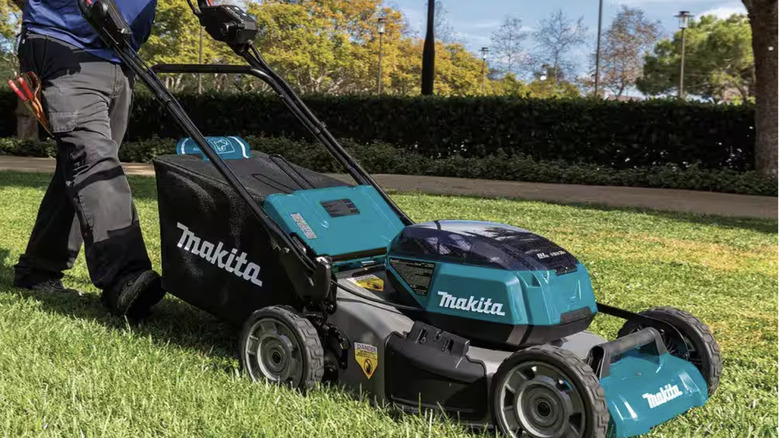
Typical Battery Lawn Mower Prices in the U.S.
The type of mower has the biggest effect on price. A small push mower costs far less than a large self-propelled or riding model.
| Battery mower type | Typical U.S. price | Battery and charger |
|---|---|---|
| Small push mower | $200–$350 | Often included |
| Standard push mower | $300–$500 | Included with many kits |
| Self-propelled mower | $400–$800 | Usually included, but check |
| High-end self-propelled mower | $700–$1,200+ | May include larger batteries |
| Wide-deck or commercial mower | $800–$1,500+ | Often sold with high-capacity batteries |
| Battery riding mower | $2,000–$6,000+ | Usually included |
| Battery zero-turn mower | $4,000–$10,000+ | Usually included |
These are planning ranges for common U.S. retail pricing. Prices change with sales, battery size, included accessories, and model updates. A mower listed at $300 may be less expensive than a $250 tool-only model if the $300 package includes a battery and charger.
A basic push mower is often enough for a small, mostly flat lawn. Self-propelled models cost more but can reduce effort on larger yards, hills, or thick grass. Riding mowers are a different class of equipment and make sense mainly for large properties.
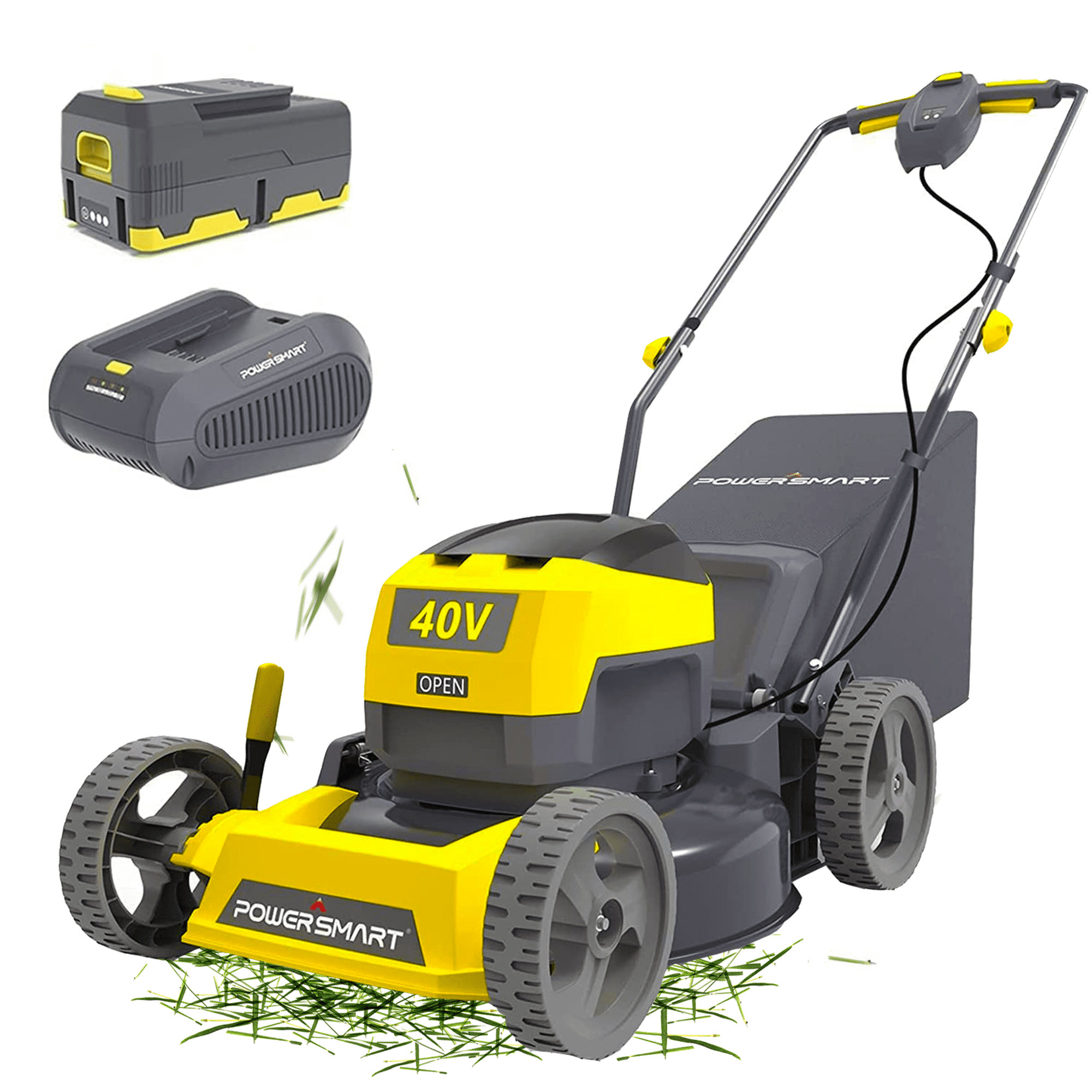
What Does a Battery Push Mower Cost?
A battery push mower generally costs $200 to $500 in the United States. The low end usually includes a smaller cutting deck, a smaller battery, and fewer features. Midrange models often have a 19- or 21-inch deck, adjustable cutting height, and a battery with enough energy for a typical suburban lawn.
A push mower does not drive itself. You must provide the force to move it. That makes it simple, light, and less expensive, but it may be tiring on slopes or uneven ground.
Common price factors include:
- Cutting width: A wider deck can reduce mowing time but may raise the price.
- Battery capacity: Larger batteries usually cost more and may run longer.
- Motor design: Brushless motors often appear on midrange and premium models.
- Deck material: Plastic, steel, and composite decks have different weight and durability traits.
- Grass handling: Bagging, mulching, and side discharge systems may come standard or vary by model.
- Included kit: The battery and charger can add a large amount to the total cost.
For a small U.S. lawn under about ¼ acre, a quality push mower may offer the best balance of price, weight, and maintenance. Yard shape, grass type, slopes, and mowing frequency still matter more than lot size alone.

What Does a Self-Propelled Battery Mower Cost?
A self-propelled battery mower typically costs $400 to $800. Premium models can cost more than $1,000 when they include large batteries, advanced controls, stronger decks, or commercial-grade parts.
Self-propelled mowers use a motor to turn the wheels. Some let you adjust the travel speed. This feature can help on hills, thick grass, and larger lawns, but it uses extra battery power.
A self-propelled mower may be worth the added cost when:
- Your lawn has slopes.
- You have difficulty pushing a mower.
- The grass grows thick or wet.
- Your property is large enough that pushing becomes tiring.
- You want more control on uneven ground.
The trade-off is simple: you pay more for less physical effort and often shorter runtime. The drive motor uses part of the stored energy. If you do not need self-propulsion, a push mower may give you more mowing time per charge.
Before buying, check whether the drive system has variable speed control. A mower that moves too fast can be awkward around trees, garden beds, and narrow paths.
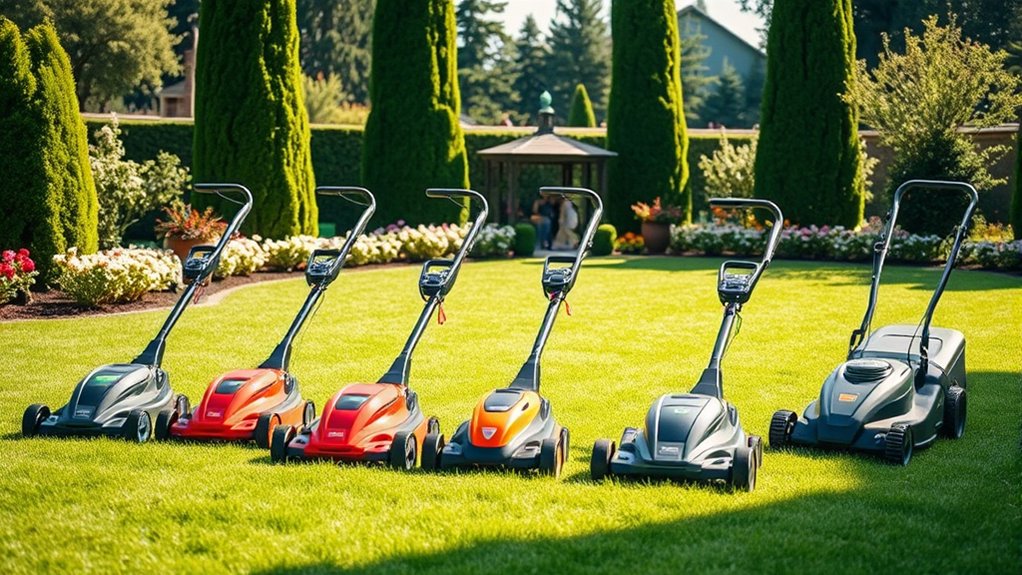
How Much Do the Battery and Charger Add?
A battery and charger can add $100 to $400 or more to the purchase price. Large batteries and premium battery platforms cost the most.
Many manufacturers sell outdoor power tools on a shared battery platform. One battery may work with a mower, leaf blower, string trimmer, or chainsaw from the same system. This can lower the cost of later tools, but it can also lock you into one brand’s battery ecosystem.
Check these details before comparing prices:
- Is the battery included?
- Is the charger included?
- What is the battery capacity?
- Is the battery compatible with other tools you own?
- Does the mower require one battery or two?
- Is the listed price for a kit or a bare tool?
A “tool-only” mower can look inexpensive in an online search. It may be a good deal if you already own compatible batteries. It may be a poor deal if you must buy a battery and charger afterward.
Battery capacity and mower runtime
Battery capacity is often shown in amp-hours, or Ah. Watt-hours provide a more useful comparison:
Watt-hours = volts × amp-hours
For example, a 40-volt battery rated at 5 Ah stores about:
40 volts × 5 Ah = 200 watt-hours
Actual mowing time varies. Tall grass, wet grass, slopes, high cutting settings, blade condition, temperature, and driving speed all affect runtime. A manufacturer’s runtime claim may use controlled conditions that differ from your lawn.
Treat runtime as a range, not a promise. A second battery can be useful for a large yard, but it may cost several hundred dollars.
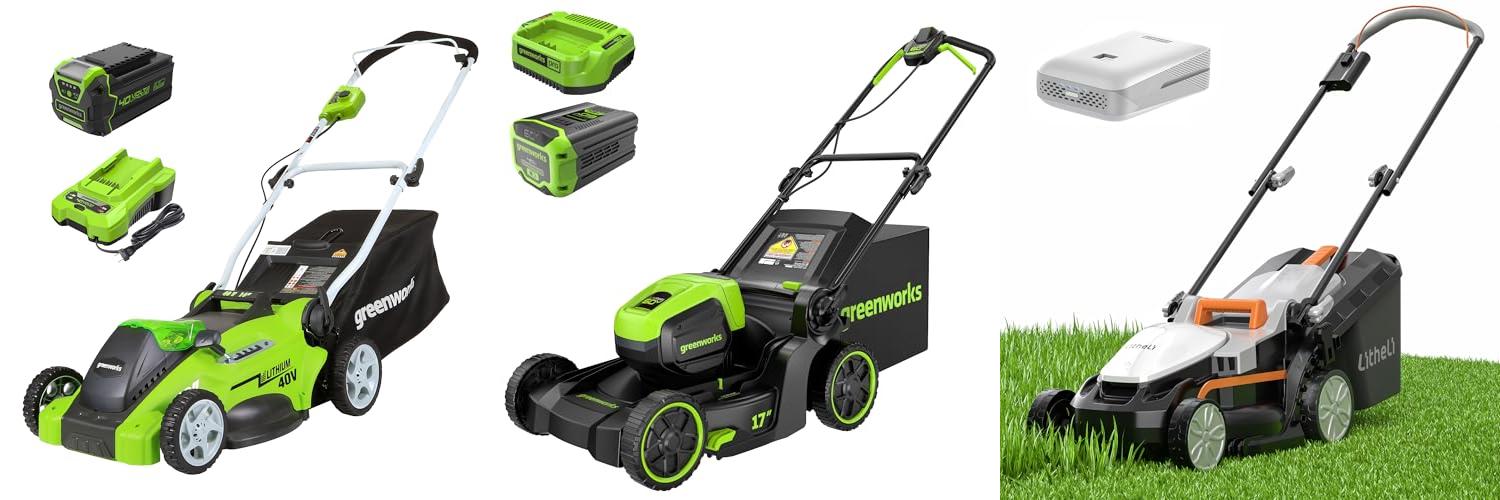
Battery Mower Cost by Yard Size
The right price depends on how much grass you need to cut in one session. A small mower may be cheaper, but a larger battery or spare battery can make the job easier.
| Yard condition | Likely mower choice | Approximate starting budget |
|---|---|---|
| Small, flat lawn | Push mower with one battery | $200–$400 |
| Medium suburban lawn | 20- or 21-inch push mower | $300–$550 |
| Medium lawn with hills | Self-propelled mower | $450–$850 |
| Large lawn | Self-propelled mower with large battery | $600–$1,200 |
| Very large property | Wide-deck or riding mower | $2,000–$6,000+ |
These categories are not strict rules. A dense lawn can use more energy than a larger lawn with thin grass. Frequent mowing also helps because short, dry grass is usually easier to cut than tall growth.
A simple cost calculation
Use this formula to estimate the purchase total:
Total starting cost = mower + battery + charger + required accessories
Example:
- Mower: $350
- Battery: included
- Charger: included
- Replacement blade: $25
- Grass bag: included
Estimated starting cost: $375
Another example:
- Tool-only mower: $300
- Battery: $180
- Charger: $70
- Replacement blade: $25
Estimated starting cost: $575
The second mower has the lower advertised price but the higher ready-to-use cost.

What Are the Ongoing Costs of a Battery Lawn Mower?
Battery mowers usually have lower routine maintenance costs than gas mowers. They do not need gasoline, engine oil, spark plugs, fuel filters, or carburetor service. However, the battery is a major long-term expense.
Typical ongoing costs include:
| Cost | Common planning range |
|---|---|
| Replacement blade | $15–$60 |
| Blade sharpening | $10–$30 |
| Replacement battery | $100–$400+ |
| Charger replacement | $40–$150+ |
| Grass bag | $30–$100+ |
| Wheels or small parts | $10–$75 |
| Electricity for charging | Usually a small cost per use |
Electricity cost depends on battery size and your local utility rate. A rough formula is:
Charging cost = battery kilowatt-hours × local electricity price
A 200-watt-hour battery stores about 0.2 kilowatt-hours. If your electricity rate is $0.20 per kilowatt-hour, one full charge would use about $0.04 of electricity before charging losses. Actual cost will be somewhat higher because charging is not perfectly efficient.
The battery replacement cycle varies by battery chemistry, storage conditions, use, and charging habits. Do not assume a precise lifespan without checking the manufacturer’s warranty and service information.
Battery Mower vs. Gas Mower: Which Costs Less?
A battery mower often costs more at the time of purchase than a basic gas mower. It may cost less to operate because electricity is usually cheaper than gasoline and routine engine service is not required.
Battery mower advantages
- No gasoline storage
- No oil changes
- Lower noise than most gas mowers
- No exhaust from the mower while operating
- Push-button starting on many models
- Less routine engine maintenance
- Easier storage for many homeowners
Battery mower limits
- Runtime is limited by battery capacity
- Charging takes time
- Replacement batteries can be expensive
- Performance may drop in very tall or wet grass
- Batteries can lose capacity over time
- Some models are heavier than they appear
Gas mower advantages
- Quick refueling
- Long operation with spare fuel
- Many models handle heavy grass well
- Fuel is widely available
Gas mower limits
- Requires gasoline and engine oil
- Needs more routine maintenance
- Produces exhaust while running
- Can be louder and harder to start
- Fuel can degrade during storage
The less expensive choice over several years depends on your use. A battery mower may offer a lower ownership cost for a homeowner who already uses the same battery platform. A gas mower may remain practical for very large areas or long mowing sessions without access to charging.
What Features Raise the Price?
Features raise the cost when they add materials, motor power, controls, or battery capacity. They do not all provide equal value.
Larger cutting decks
A 21-inch deck is common for residential mowers. Wider decks can reduce the number of passes, but they may be heavier and harder to maneuver in small yards.
Self-propulsion
Self-propulsion adds a drive motor and controls. It is most useful on hills and large lawns. It has less value on a small, flat yard.
Brushless motors
Brushless motors are common in midrange and premium battery tools. They can be efficient and durable, but the motor label alone does not prove that one mower will cut better than another.
Dual-battery systems
Some mowers use two batteries at once. This can extend runtime or provide more power. It also raises the cost of batteries and charging equipment.
Smart controls
Some premium mowers include digital displays, app features, load controls, or automatic speed adjustment. These features may be useful, but they should not replace checking basic factors such as deck design, blade access, battery cost, and service support.
Steel decks
Steel can provide a solid feel, but it may add weight and may require care to limit rust. Composite and plastic decks can reduce weight. The best material depends on how you store and use the mower.
How to Choose a Battery Mower Without Overpaying
Start with the lawn, not the feature list. Measure the area you mow, note any hills, and decide whether you need to finish the job on one charge.
Use this process:
- Set the full budget. Include the battery, charger, blade, and possible second battery.
- Choose push or self-propelled. Pick self-propelled for regular slopes or if pushing causes strain.
- Check the cutting width. A wider deck can save time, but it may reduce maneuverability.
- Compare watt-hours. Voltage alone does not show how much energy a battery stores.
- Confirm the kit contents. Look for the exact battery size and charger included.
- Check the battery platform. A shared system may save money if you already own compatible tools.
- Read the warranty terms. Look for separate coverage for the mower, battery, and charger.
- Check parts support. Blades, bags, wheels, and batteries should be available in the United States.
- Review storage guidance. Batteries should be stored under the conditions listed by the manufacturer.
- Compare the total cost. Do not compare a complete kit with a bare tool.
A low price is useful only when the mower can finish your lawn, fit your storage space, and receive support when a battery or part wears out.
Common Mistakes That Increase the Real Cost
The most common mistake is comparing sticker prices instead of complete kits. A mower that appears cheap may need a battery, charger, bag, or special adapter.
Other mistakes include:
- Buying a small battery for a large or hilly lawn
- Assuming higher voltage always means longer runtime
- Ignoring the cost of a second battery
- Storing the battery in extreme heat or cold
- Leaving wet grass packed under the deck
- Using a dull blade, which can increase cutting effort
- Buying a mower with no clear parts or battery support
- Choosing self-propulsion when a push mower would meet the need
- Forgetting that thick, wet grass can reduce runtime
- Treating manufacturer runtime claims as guaranteed results
Follow the owner’s manual for charging, cleaning, blade removal, and storage. Remove the battery before cleaning or servicing the mower when the manual directs you to do so. Never work near the blade while the battery is installed.
If the mower becomes unusually hot, smells burnt, makes a new grinding sound, or shows damage to the battery pack, stop using it. Follow the manufacturer’s service instructions rather than opening the battery yourself.
Is a Battery-Operated Lawn Mower Worth the Cost?
A battery-operated lawn mower is often worth the cost for U.S. homeowners who want low routine maintenance, quiet operation, and no gasoline. The value is strongest when the mower fits the lawn size and shares batteries with other outdoor tools.
A battery mower may not be the best fit when you mow a very large property, need many hours of continuous use, or regularly cut heavy, wet grass. In those cases, compare a larger battery system, a spare battery, a commercial model, or a gas mower.
For many homeowners, a practical target is:
- $250–$400 for a small push mower
- $400–$700 for a capable self-propelled mower
- $700–$1,200 for a premium residential mower with more battery capacity
- $2,000 or more for a riding battery mower
The best price is the lowest complete cost that gives you enough cutting time, safe handling, and access to replacement parts.
Frequently Asked Questions
Do battery lawn mowers cost more than gas mowers?
They often have a higher purchase price than basic gas mowers, especially when the battery and charger are included. They may reduce operating and maintenance costs because they do not need gasoline, oil, spark plugs, or engine servicing.
How long do battery lawn mower batteries last?
Battery life depends on the battery design, charging habits, storage conditions, workload, and temperature. Check the manufacturer’s warranty and replacement policy. A battery that no longer provides enough runtime may need replacement even if the mower itself still works.
Is a 40-volt or 80-volt mower better?
Neither voltage is automatically better. Voltage must be considered with amp-hours, watt-hours, motor design, deck size, and the lawn’s demands. Compare the complete battery system and expected runtime rather than voltage alone.
Can one battery power other lawn tools?
Often, yes, but only within the same battery platform and compatible product range. Check the manufacturer’s compatibility chart. Batteries with similar voltage are not automatically interchangeable.
How much does it cost to charge a battery mower?
Charging usually costs only a few cents per full charge for a typical residential battery, but the exact amount depends on battery capacity, charging losses, and your local electricity rate. The battery’s purchase and eventual replacement cost are usually much larger expenses.
Final Cost Guide
Expect to pay about $200 to $800 for most residential battery lawn mowers in the United States. Push mowers sit near the lower end. Self-propelled models cost more. Riding and zero-turn battery mowers can cost several thousand dollars.
Before buying, add the mower, battery, charger, spare battery, replacement blade, and likely maintenance parts. Then match the total to your lawn size, slopes, grass conditions, and storage needs. That approach gives you a more realistic answer to the question, “How much does a battery-operated lawn mower cost?”


