Stihl 4 Mix Engine Problems: Common Causes And Fixes
A Stihl 4-MIX engine can feel like a smart middle ground between a two-stroke and a four-stroke engine. It uses a four-stroke design for cleaner running and strong torque, yet it runs on a gas-and-oil mix like many two-stroke tools. This design powers many Stihl trimmers, brushcutters, edgers, hedge trimmers, and blowers.
When a 4-MIX engine will not start, runs rough, smokes, loses power, or makes a ticking sound, the cause is often simple. Old fuel, a dirty air filter, a worn spark plug, or valve clearance can stop the engine from working well. Some repairs are easy for a new homeowner. Others need a small-engine repair shop.
This guide explains the most common Stihl 4-MIX engine problems, what causes them, how to test them, and when to stop troubleshooting. It also covers fuel mix, cold starts, storage, noise, safety, and long-term care. Whether you own a small suburban yard, a hilly lot, or a larger property, the goal is to help you make a safe and informed choice.

Affiliate disclosure: This article may contain affiliate links. If you buy through one of these links, we may earn a commission at no extra cost to you. Always confirm the part number, fuel instructions, and fit in your owner’s manual before buying.
Why Stihl 4-MIX engines develop problems
the main reason Stihl 4-MIX engines can be hard to diagnose is their mixed design. They have valves, a camshaft, and four-stroke operation, but they usually use a 50:1 gasoline-and-two-stroke-oil mix. That means both fuel quality and valve service matter.
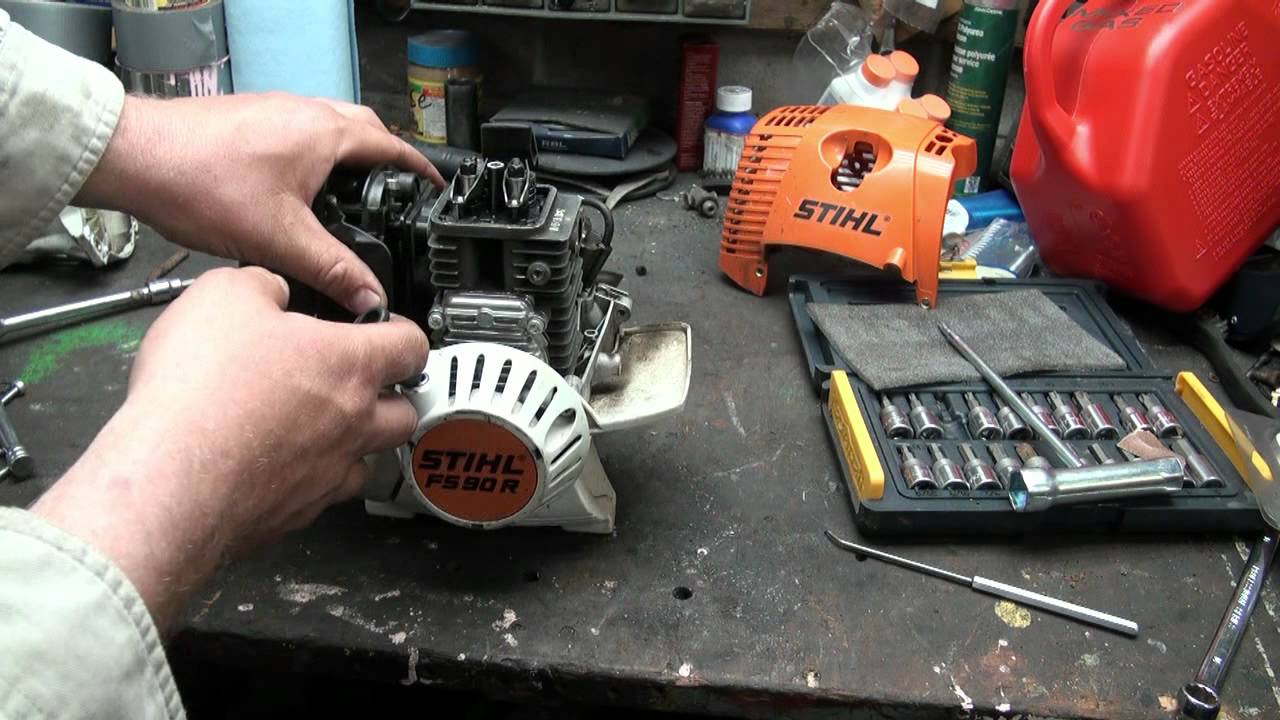
A typical 4-MIX engine does not use a separate oil sump like a lawn mower engine. The oil in the fuel mix helps lubricate internal parts. If the mix is wrong, the engine may smoke, foul the spark plug, wear faster, or lose power.
The engine also has more valve parts than a simple two-stroke engine. Valve clearance can change as the engine wears. If the clearance becomes too tight, the valve may not close fully. This can cause hard starting, low compression, backfiring, or a loss of power.
How the 4-MIX design differs from a two-stroke
A basic two-stroke engine completes its power cycle in two piston strokes. A 4-MIX engine completes the cycle in four strokes. This can provide a steady power feel and strong torque at lower speed.

The trade-off is added mechanical complexity. A 4-MIX engine has intake and exhaust valves, a camshaft, rocker arms, and valve clearance settings. These parts need clean oil mist from the correct fuel mix and may need adjustment over time.
| Engine type | Main fuel system | Common service point |
|---|---|---|
| Two-stroke | Gasoline and two-stroke oil mix | Carburetor, plug, exhaust screen |
| Stihl 4-MIX | Gasoline and two-stroke oil mix | Fuel system, plug, valve clearance |
| Traditional four-stroke | Gasoline with separate crankcase oil | Oil level, valves, carburetor |
The key point is simple: do not treat a 4-MIX tool exactly like a basic two-stroke trimmer or a lawn mower. Follow the model-specific manual.
Quick answer: the most common Stihl 4-MIX problems
The most common Stihl 4-MIX problems are stale or incorrect fuel, a clogged air filter, a fouled spark plug, a blocked spark-arrestor screen, a dirty carburetor, incorrect valve clearance, and a damaged fuel line. Start with fresh fuel at the correct mix, then check the filter, plug, exhaust screen, and fuel flow. If the engine has low compression or valve noise, seek professional service.

A simple repair may take 10 minutes. A valve repair or carburetor rebuild can take much longer. Always remove the spark plug boot before servicing moving or cutting parts, and never work on a hot engine.
Symptoms that point to a fault
The symptom often gives you the best first clue. A tool that never fires needs a different check than one that starts and dies after 30 seconds.

Use this table as a starting point. It does not replace the service instructions for your exact Stihl model.
| Symptom | Likely causes | First checks |
|---|---|---|
| Engine will not start | Old fuel, no spark, flooded cylinder, blocked filter | Fuel, spark plug, choke position |
| Starts but dies | Restricted fuel flow, dirty carburetor, air leak | Fuel line, filter, tank vent |
| Runs only with choke | Lean fuel mix, air leak, dirty carburetor | Intake boot, carburetor, filter |
| Surges at idle | Air leak, dirty carburetor, poor fuel | Intake parts and fuel |
| Hard to start hot | Tight valves, vapor issues, flooded engine | Valve clearance and plug |
| White or blue smoke | Too much oil, overfilled mix, tipped tool | Fuel mix and storage position |
| Low power | Clogged screen, dirty filter, valve issue | Exhaust screen, filter, compression |
| Ticking or tapping | Valve train wear or loose clearance | Stop and inspect valves |
| Fuel leaks | Cracked line, loose grommet, damaged cap | Tank, lines, carburetor |
A useful rule is to change one thing at a time. If you replace the plug, adjust the carburetor, and clean the exhaust at once, you may not know what solved the problem.
Fuel and starting problems
Fuel trouble causes a large share of Stihl 4-MIX complaints. Modern pump gasoline can degrade during storage, especially in a hot shed or garage. Ethanol fuel can also attract moisture and damage some fuel-system parts over time.

Use fresh fuel mixed with the correct Stihl two-stroke oil or an approved equivalent. Many Stihl handheld tools use a 50:1 ratio, but you must confirm the ratio in your manual. Do not guess based on another trimmer.
Wrong fuel ratio
Too much oil can cause heavy smoke, a wet spark plug, carbon buildup, and poor throttle response. Too little oil can reduce lubrication and may lead to severe engine damage.

Do not “fix” a rich mix by adding more gasoline to a partly filled container unless you can calculate the ratio correctly. The safer choice is to dispose of the questionable fuel properly and mix a fresh batch.
| Fuel mistake | What you may notice | Better action |
|---|---|---|
| Too much oil | Smoke, fouled plug, weak running | Drain and mix fresh fuel |
| Too little oil | Noise, heat, rapid wear | Stop using the tool |
| Old fuel | Hard start, surging, varnish | Drain and use fresh fuel |
| Water in fuel | Stalling, corrosion, poor combustion | Drain tank and inspect system |
Stale gasoline
Gasoline can lose volatility as it ages. The tool may crank but fail to start because the fuel no longer vaporizes well. A sticky residue can also block the carburetor’s small passages.

Drain old fuel into an approved container. Do not pour it on soil, into a storm drain, or down a household drain. Take old fuel to a local hazardous-waste collection site or an approved recycling point.
Cold-start mistakes
A cold 4-MIX engine needs the correct starting sequence. Many models use a primer bulb, choke lever, throttle lock, and decompression system. The exact steps vary.

If you use full choke after the engine has already fired, you can flood it. A flooded engine often smells strongly of fuel and has a wet spark plug.
A common safe approach is to follow the manual closely: prime as directed, use the cold-start setting, pull until the engine attempts to fire, then move to the run position. Do not hold the throttle wide open during starting unless Stihl specifically says to do so.
🔧 Quick Fix: If the engine smells flooded, switch off the choke, place the control in the run position, and follow the manual’s flooded-engine procedure. If the plug is wet, remove it, let it dry fully, and inspect it before reinstalling.
Air, spark, and exhaust restrictions
A gasoline engine needs three basic things: fuel, air, and ignition. It also needs to expel exhaust. A problem in any one of these areas can create similar symptoms.

Start with the easiest checks. Inspect the air filter, spark plug, and spark-arrestor screen. These parts are common service items and often cost less than a carburetor repair.
Dirty air filter
A foam or felt air filter can load with dust, grass seeds, and fine soil. A restricted filter reduces airflow and can make the engine run rich. The tool may smoke, bog when you squeeze the throttle, or fail to reach normal speed.

Clean or replace the filter as the manual allows. Do not use a damaged filter. A torn filter can let abrasive dust enter the engine and wear the cylinder and piston.
Fouled or worn spark plug
A spark plug can foul with oil, carbon, or fuel. It can also wear at the electrode. A plug may spark in open air but fail under pressure inside the cylinder, so visual inspection is not always enough.

Use the correct plug type and gap listed for your model. Do not pry hard on the electrode. Replace a plug with a cracked insulator, badly worn electrode, or heavy deposits.
| Spark plug appearance | Possible meaning | Suggested response |
|---|---|---|
| Wet with fuel | Flooding or weak ignition | Dry or replace, then check starting |
| Dry and light tan | Often normal combustion | Check other systems if the tool fails |
| Black and sooty | Rich fuel, dirty filter, weak spark | Clean systems and inspect plug |
| Oily | Excess oil or internal wear | Check mix and compression |
| Damaged insulator | Plug failure or impact | Replace with the correct part |
A spark plug inspection can give clues, but it cannot prove the engine is healthy. Compression and valve condition may still need testing.
Blocked spark-arrestor screen
The spark-arrestor screen sits in the muffler area. Carbon can block it, especially when the engine runs on old fuel or an incorrect oil ratio. The engine may start but lose power as the exhaust flow becomes restricted.

Allow the muffler to cool fully before inspection. Remove the screen only as directed by the manual. Clean or replace it if permitted. Never operate the tool without a required spark-arrestor screen.
⚠️ Safety Warning: Wear safety glasses and gloves around the muffler and screen. Carbon flakes can enter your eyes. Keep the tool away from dry grass when testing because hot exhaust parts can start a fire.
Carburetor and fuel-system faults
The carburetor mixes fuel and air. Tiny passages inside it can clog with varnish. Fuel lines can harden, split, or collapse. A damaged tank vent can also stop fuel from flowing as the tank develops a vacuum.

These faults often appear as “starts and dies” or “runs only on choke.” The choke enriches the mixture. If the engine runs only with choke, it may not be getting enough fuel through the normal circuit, or extra air may be entering through a leak.
Fuel line, filter, and tank vent
A fuel filter sits inside the fuel tank on many handheld tools. It can become restricted by dirt. A fuel line can crack near the tank grommet or carburetor.

Inspect the lines for cracks, softness, kinks, and loose connections. Do not pull hard on a line inside the tank. A replacement line must match the model and fuel resistance requirements.
The tank vent allows air to enter as fuel leaves. If it blocks, the engine may run for a short time and then die. After the engine stops, opening the fuel cap may release a vacuum. This clue does not prove the vent is bad, but it is worth checking.
Carburetor adjustment
Some older Stihl tools have adjustable high-speed and low-speed mixture screws. Many newer models use limited-adjustment or fixed carburetors. Do not remove limiter caps or change settings without the service instructions.
A wrong adjustment can make the engine run too lean. A lean mixture can create excessive heat and damage the piston. It can also make the tool scream at high speed without doing useful work.
Carburetor cleaning may involve small gaskets, metering diaphragms, needle valves, and springs. If you have not repaired a diaphragm carburetor before, a shop may be the better choice.
Valve clearance and compression issues
Valve problems are a major difference between 4-MIX engines and simple two-stroke tools. The intake and exhaust valves must open and close at the right time. Their clearance must also stay within the model’s specification.
If clearance is too tight, a valve may not seal when the engine heats up. This can cause hard hot starts, low power, backfiring, and low compression. If clearance is too loose, you may hear a tapping sound and see poor valve timing.
Signs of incorrect valve clearance
Look for these signs:
- The engine starts when cold but will not restart hot.
- The tool has weak compression.
- It backfires through the intake or exhaust.
- It loses power after several minutes.
- It makes a regular ticking sound.
- A fresh plug and clean fuel do not solve the issue.
A compression test can help, but a low reading may come from a tight valve, worn rings, a damaged cylinder, or a decompression system. Testing the valve clearance is often the next step.
Can a homeowner adjust the valves?
An experienced DIYer with a clean workbench, feeler gauges, and the correct service data may be able to adjust valve clearance. A first-time homeowner may find this job harder than replacing a plug or filter.
The engine must be positioned correctly before measurement. The cover gasket may need replacement. Dirt must not enter the valve area. Use the exact clearance values for the engine model, not a general number from an online forum.
For a senior, a gift buyer, or a homeowner who depends on the tool each week, a repair shop can save time and avoid a costly mistake. A tool that is hard to start because of valves is not a good fit for someone who cannot safely perform routine service.
Common Stihl 4-MIX problems and solutions
The table below links common complaints with practical first steps. These are diagnostic directions, not a promise that one fix will solve every case.
| Problem | Likely source | Practical next step |
|---|---|---|
| No start after storage | Old fuel or stuck carburetor | Drain fuel and inspect fuel system |
| Starts, then stalls | Tank vent, filter, or carburetor | Check fuel flow and vent |
| Runs only on choke | Lean mixture or air leak | Inspect intake and carburetor |
| Heavy smoke | Incorrect fuel mix | Drain and mix fresh fuel |
| Weak cutting power | Dirty filter or screen | Clean filter and exhaust screen |
| Hard hot starting | Tight valve clearance | Test valve clearance |
| High idle | Air leak or throttle issue | Inspect intake and control linkage |
| Fuel in air filter area | Flooding or needle issue | Stop and inspect carburetor |
| Ticking noise | Valve train problem | Stop and seek service |
| Fuel leak | Line, tank seal, or carburetor | Do not operate until repaired |
The best first repair is usually the least invasive one. Fresh fuel, a clean filter, and a correct spark plug can solve many basic faults.
A safe step-by-step troubleshooting order
Troubleshoot from simple to complex. This approach reduces wasted money and lowers the chance of making the fault worse.
1. Read the model manual
Find the exact model number on the tool. Stihl has used the 4-MIX design in several products, and service details can differ. Check fuel ratio, plug type, filter care, starting steps, and valve instructions.
2. Check the work area and tool condition
Move the tool to a clear bench. Remove the cutting attachment if the manual allows it. Inspect the throttle, stop switch, guard, shaft, and housing for damage.
3. Confirm the fuel
Check the age and mix. If the fuel is old, cloudy, contaminated, or of unknown ratio, drain it safely. Prepare a small amount of fresh fuel in an approved container.
4. Inspect the air filter
Remove the filter as directed. Replace it if it is torn, hardened, or badly packed with dirt. Make sure it seats correctly when installed.
5. Check the spark plug
Remove the plug boot before removing the plug. Inspect the plug, confirm the part number, and replace it if fouled or damaged. Follow the manual for gap and tightening.
6. Inspect the exhaust screen
With the engine cold, check the spark-arrestor screen. A blocked screen can limit power. Clean or replace it only by the approved method.
7. Check fuel flow
Inspect the tank filter, fuel lines, and grommet. Look for cracks and loose connections. Replace damaged fuel parts with model-correct components.
8. Consider the carburetor
If the tool still runs only on choke, surges, or dies, the carburetor may need cleaning or rebuilding. Do not turn adjustment screws at random.
9. Test valve clearance and compression
If the problem remains, valve clearance or compression may be at fault. This is a good point to use a repair shop unless you have the tools and service data.
💡 Pro Tip: Take a photo before removing fuel lines, springs, or linkage. Small engine parts often look alike, but their position matters.
Maintenance that prevents 4-MIX trouble
The best way to prevent Stihl 4-MIX engine problems is to control fuel quality, keep air moving, and service the valve train when required. A few minutes of care can prevent a long repair later.
| Service item | When to check | Why it matters |
|---|---|---|
| Fuel mix | Every time you refuel | Protects lubrication and combustion |
| Air filter | Often in dusty work | Prevents abrasive dirt from entering |
| Spark plug | At scheduled service | Supports reliable ignition |
| Exhaust screen | When power drops | Prevents restricted exhaust flow |
| Fuel lines | During seasonal checks | Stops air leaks and fuel leaks |
| Valve clearance | At manual interval or symptoms | Supports compression and timing |
| Cutting head or blade | Before use | Reduces vibration and strain |
Takeaways are simple: dust calls for more filter checks, and long storage calls for careful fuel handling. A tool used in dry grass, on a farm, or near loose soil may need more frequent care than one used on a small city lot.
Storage in a garage or shed
Before long storage, follow the manual’s fuel instructions. Some owners drain the tank and run the engine dry. Others use fresh fuel with stabilizer. The correct choice depends on the model and the storage period.
Store the tool upright in a dry place. Keep it away from heaters, pilot lights, sparks, and direct sun. Fuel should remain in an approved container and follow local storage rules.
Seasonal effects
Cold weather can make starting harder. Hot weather can reveal valve, vapor, or fuel-flow problems. Wet grass and high humidity can also increase debris around filters and cooling areas.
Do not use a gas tool in a closed garage or shed. Carbon monoxide can build up quickly. Run the engine only outdoors, away from doors, windows, and air intakes.
What repairs cost in time and skill
Repair difficulty depends on the fault and your tools. A first-time homeowner may handle a filter or plug. A skilled DIYer may handle fuel lines or a carburetor kit. Valve work and compression faults often justify professional service.
| Repair level | Examples | Typical skill |
|---|---|---|
| Basic | Fuel, filter, plug, screen | Beginner with the manual |
| Moderate | Fuel lines, tank filter, carburetor cleaning | Careful DIYer |
| Advanced | Valve adjustment, compression diagnosis | Experienced DIYer or shop |
| Major | Cylinder, piston, crankshaft repair | Professional technician |
Do not judge a repair by part cost alone. A low-cost gasket can take hours to install if access is poor. A shop may also have the correct tachometer, compression tester, service data, and model-specific parts.
When to stop troubleshooting and call a shop
Call a qualified repair shop when the engine has a fuel leak, damaged wiring, very low compression, severe valve noise, a seized starter, or repeated overheating. Stop using the tool if it produces metal noise, heavy smoke with the correct mix, or a strong fuel smell.
A repair shop is also wise when the tool is under warranty. Unauthorized carburetor or valve changes may affect warranty coverage. Ask for a written estimate before approving major work.
For a small yard, repair may be cheaper than replacement. For a large property where the tool runs for hours each week, a quality repair can protect your work schedule. For a senior or gift recipient, ease of starting and safe handling may matter more than saving a small repair fee.
When replacement makes more sense
Replacement may make sense when the cylinder is badly scored, parts are unavailable, or the repair cost approaches the value of the tool. Compare the repair estimate with a new electric, battery, or gas tool that fits the yard.
Battery string trimmers and blowers can reduce fuel storage and routine engine service. They still need battery care, charger space, and correct voltage compatibility. A corded tool may fit a small yard with an outdoor outlet, but the cord can limit reach and create a trip hazard.
| Yard and user | Often suitable choice | Limitation |
|---|---|---|
| Small, flat yard | Battery or corded tool | Battery runtime or cord reach |
| Large yard with brush | Gas 4-MIX or strong battery tool | More service or higher battery cost |
| Hilly property | Self-propelled or specialized equipment | Slope safety still matters |
| Senior user | Light, easy-start battery tool | May lack heavy-duty runtime |
| Rural acreage | Gas brushcutter or larger equipment | Fuel and noise management |
The right replacement depends on lot size, slope, grass type, brush, storage, and local rules. A riding mower or zero-turn mower may suit broad turf, while a string trimmer remains useful around fences, trees, and edging.
4-MIX versus other outdoor power choices
A Stihl 4-MIX tool is not automatically better than every alternative. It suits users who want gas power, strong torque, and no separate crankcase oil. It may not suit someone who wants quiet operation and almost no fuel service.
Battery equipment can be easier for small yards and gift buyers. Gas equipment can be useful for long sessions far from an outlet. Robotic mowers, reel mowers, and electric push mowers solve different lawn-care needs and should not be compared only by engine power.
Noise and neighbor concerns
Gas engines are usually louder than battery tools. Ear protection is important, and local noise ordinances may limit operating hours. An HOA may also restrict gas equipment, fuel storage, or weekend work.
Check city, county, and HOA rules before buying or using a gas tool. Rules can differ by neighborhood and may change over time.
Environmental and disposal notes
Do not discard gasoline, oil-mixed fuel, spark plugs, or batteries in household trash unless local guidance allows it. Take old gas and oil to a hazardous-waste site. Recycle lithium-ion batteries at a designated drop-off.
Usable outdoor equipment can often be donated, sold, or recycled through a local program. Keep fuel out of soil and drains. Good disposal protects water, pets, turfgrass, and people.
📜 Check Local Rules: Confirm gas-equipment limits, noise hours, fuel-storage rules, and HOA restrictions before you buy. These rules matter just as much as engine size.
Safety rules for diagnosis and use
Safe repair starts before you touch the tool. Wear safety glasses, hearing protection, work gloves, and closed-toe shoes. Clear rocks, wire, sticks, and other debris before operating a trimmer, brushcutter, edger, leaf blower, or mower.
Keep children and pets away from the work area. Never refuel a hot engine. Let it cool outdoors before adding fuel, and wipe up spills at once.
Disconnect the spark plug boot before servicing parts that can move. For battery equipment, remove the battery before service. Never mow wet grass on a slope, and never operate a gas engine inside a garage, shed, or other closed space.
Cutting attachment safety
A brushcutter can throw stones and cut through hidden wire. Use the guard, handle, harness, and cutting attachment listed for the tool. Do not install a blade or trimmer head unless the manual approves it.
Inspect mower blades, trimmer line, and edger blades before use. Replace cracked or badly worn parts. Vibration often means something is loose, bent, unbalanced, or damaged.
Frequently asked questions
Q: What fuel does a Stihl 4-MIX engine use?
A: Many Stihl 4-MIX handheld engines use gasoline mixed with two-stroke oil, often at 50:1. Confirm the ratio and approved fuel type in your exact owner’s manual. Do not use straight gasoline unless the manual specifically says otherwise.
Q: Why does my Stihl 4-MIX smoke so much?
A: The most common causes are too much oil in the fuel, old fuel, a flooded engine, or a dirty air filter. Stop using the tool if smoke is heavy or the engine runs poorly. Drain questionable fuel and prepare the correct mix.
Q: Why does my 4-MIX start and then die?
A: Possible causes include a blocked fuel filter, damaged fuel line, blocked tank vent, dirty carburetor, or restricted exhaust screen. Check fresh fuel, the filter, and the screen first. If it runs only with choke, a lean condition or air leak may be present.
Q: Why does it run only with the choke on?
A: The engine may not receive enough fuel through its normal circuit, or extra air may enter through an intake leak. A dirty carburetor is common. Avoid random adjustment because a lean setting can overheat the engine.
Q: How often should I adjust the valves?
A: Use the service interval in your model’s manual. Valve adjustment may also be needed if the tool becomes hard to start hot, loses compression, backfires, or develops valve noise. The clearance value is model-specific.
Q: Can I use regular pump gas in a Stihl 4-MIX?
A: Use fuel that meets the manual’s octane and ethanol limits. Fresh fuel is usually safer than old fuel. Avoid fuel that has been stored for a long time or has an unknown oil ratio.
Q: Is a Stihl 4-MIX engine worth repairing?
A: It can be worth repairing when the tool is in good condition and the fault is a filter, plug, fuel line, screen, or minor carburetor issue. Replacement may make more sense if the cylinder, crankshaft, or valve train has major damage.
Q: How long can a Stihl 4-MIX engine last?
A: Service life depends on fuel quality, dust, workload, storage, maintenance, and repair history. A tool used lightly in a small yard may last much longer than one used daily in dry brush. There is no reliable life span for every owner.
Q: Can I run a 4-MIX engine without two-stroke oil?
A: No, not unless your exact manual says the engine uses a separate oil system. Many Stihl 4-MIX handheld engines rely on oil mixed into the fuel. Straight gasoline can cause severe damage.
Q: Why is my 4-MIX hard to start when hot?
A: Tight valve clearance, flooding, vapor problems, a worn spark plug, or a weak ignition component can cause hot-start trouble. Check the simple items first, then have valve clearance and compression tested.
Q: Should I adjust the carburetor myself?
A: Only if your model allows adjustment and you have the correct service instructions and tools. If the engine runs lean, it can overheat. A repair shop is safer for unclear settings or damaged limiter caps.
Q: Is a battery tool better for a small yard?
A: Often, yes, if the yard is small and flat and you value low noise and simple starts. Check battery voltage, amp-hours, charger time, runtime claims, and compatibility. For long brush work far from an outlet, a gas tool may still fit better.
Q: Can I store mixed fuel in the tool over winter?
A: Follow the manual’s storage method. Some tools may be stored with treated fuel, while others benefit from draining the tank. Use an approved fuel container and keep it away from heat and ignition sources.
Q: Why does my 4-MIX make a ticking sound?
A: Ticking can come from valve clearance, rocker arms, or other valve-train parts. Stop using the tool if the noise is new, loud, or paired with low power. Have it inspected before internal damage grows.
Q: What should I do with old fuel?
A: Store it in an approved container and take it to a local hazardous-waste collection site or fuel-recycling program. Never pour it into soil, a storm drain, or a sink.
Final thoughts
Stihl 4-MIX engine problems usually become easier to solve when you work in a clear order. Start with fresh fuel, the correct oil ratio, the air filter, spark plug, and exhaust screen. Then inspect fuel lines, the tank vent, and the carburetor before moving to valve clearance or compression.
For a first-time homeowner, basic checks may be enough. An experienced DIYer may handle fuel-system work or valve adjustment with the right manual and tools. A senior, gift buyer, or busy homeowner may be better served by a repair shop or a lighter battery tool.
Keep the engine clean, store fuel with care, follow the manual, and respect safety rules. If the tool leaks fuel, makes metal noise, overheats, or has low compression, stop troubleshooting and get professional help. A careful repair choice can protect your budget, your lawn-care routine, and the people around you.