


The John Deere X580 Mower Problems often stem from routine wear, improper maintenance, or user error. While this mower is known for reliability, issues like engine stalling, blade dullness, and transmission troubles can occur if not addressed promptly. With the right knowledge and care, most problems can be resolved without costly repairs.
Key Takeaways
- Engine Issues: Common causes include clogged air filters, old fuel, or spark plug failures. Regular maintenance prevents most of these.
- Blade Problems: Dull or unbalanced blades lead to uneven cutting and strain on the engine. Sharpening or replacing blades is essential.
- Transmission Troubles: The hydrostatic transmission may fail due to low fluid or contamination. Check fluid levels and inspect for leaks.
- Electrical Glitches: Dead batteries, loose wiring, or corroded terminals often cause starting issues. Always inspect connections.
- Hydrostatic System Maintenance: Proper care of the hydrostatic system extends mower life. Flush and refill fluid as recommended.
- User Errors: Overloading the mower, mowing wet grass, or ignoring maintenance schedules can lead to avoidable breakdowns.
📑 Table of Contents
Introduction
Have you ever been in the middle of mowing your lawn, only to have your John Deere X580 Mower suddenly stall or refuse to start? You’re not alone. Even with its reputation for durability and performance, the X580—a popular mid-range zero-turn mower—can run into its share of problems. From engine hiccups to blade wear and hydrostatic system quirks, these issues can be frustrating, especially when you’re on a tight schedule. But don’t worry—most John Deere X580 mower problems are fixable with a little know-how and regular maintenance.
In this article, we’ll walk you through the most common issues owners face, explain why they happen, and give you practical, step-by-step solutions. Whether you’re troubleshooting a sputtering engine or dealing with a sluggish blade, you’ll find actionable advice here. We’ll also share maintenance tips to help you avoid future problems. Think of this as your go-to guide for keeping your X580 running like new.
Common Engine Problems and How to Fix Them
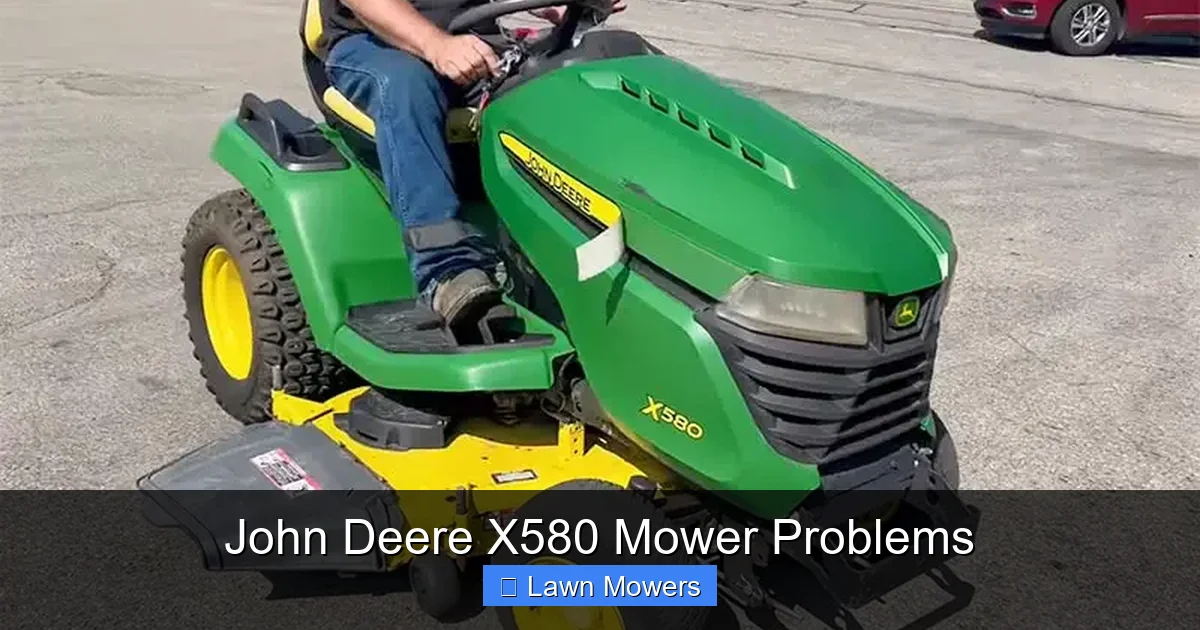
One of the most frequent complaints about the John Deere X580 Mower is engine-related issues. These can range from difficulty starting to sudden shutdowns. The good news? Many engine problems are easy to diagnose and fix with basic tools and a little patience.
Visual guide about John Deere X580 Mower Problems
Image source: lawnmowerswiki.com
Engine Won’t Start or Cranks Slowly
If your X580 cranks slowly or won’t start at all, the first thing to check is the battery. A weak or dead battery is often the culprit. Use a multimeter to test the voltage—it should read around 12.6 volts when fully charged. If it’s below 12 volts, try jump-starting the mower or charging the battery overnight. If that doesn’t work, inspect the battery terminals for corrosion. Clean them with a wire brush and baking soda solution.
Next, look at the fuel system. Old or contaminated fuel can prevent the engine from starting. Drain the fuel tank and replace it with fresh gasoline mixed with a high-quality two-cycle oil (if required). Also, check the fuel filter—clogged filters restrict fuel flow and can cause starting issues.
Engine Runs Rough or Stalls
An engine that runs rough—with sputtering or misfiring—often points to a dirty air filter or a faulty spark plug. The John Deere X580 has a dual-element air filter system. Over time, the foam element can get clogged with dirt and debris, restricting airflow. Remove the air filter cover, clean the foam element with mild soap and water (let it dry completely), and replace the paper filter if it’s damaged.
Spark plugs wear out over time. If your mower has been running poorly, pull the spark plug and inspect it. Look for signs of wear, fouling, or damage. Replace it with a new one that matches the manufacturer’s specifications. A clean spark plug ensures a strong, reliable spark and smooth engine operation.
Loss of Power During Operation
Experiencing a loss of power while mowing? This could be due to a clogged fuel line, a dirty carburetor, or a worn-out engine. Carburetors can gum up over time, especially if old fuel sits in the tank. Remove the carburetor and clean it with a carburetor cleaner. Pay special attention to the jets and float bowl. Reassemble carefully and reinstall.
Another possibility is a worn piston or valve seal, which can cause compression loss. This usually requires professional repair, but regular oil changes and using high-quality fuel can prevent internal engine damage.
Blade and Cutting System Issues
The cutting system is the heart of your mower’s performance. Dull, unbalanced, or damaged blades not only ruin the look of your lawn but also strain the engine. The John Deere X580 uses a high-lift blade design, which is effective but requires proper maintenance.

Visual guide about John Deere X580 Mower Problems
Image source: farmsunseed.com
Dull Blades
Dull blades tear grass instead of cutting it cleanly, leading to brown tips and a ragged appearance. To test if your blades are dull, hold them up to a light. If the edges look rounded or rolled, it’s time to sharpen them. Use a bench grinder or file to sharpen each blade evenly. Make sure to maintain the original angle—usually around 30 degrees—to preserve performance.
Pro tip: Never sharpen blades while they’re still on the mower. Remove them, clamp them securely, and work on both sides. Balance the blade after sharpening by hanging it on a blade balancer. An unbalanced blade can vibrate excessively and damage the spindle.
Uneven Cutting
Uneven cutting can result from several factors: uneven blade height, a bent blade, or a worn-out spindle. Check the blade height across the deck. Adjust the deck lift knob to ensure all blades are at the same level. If one side is higher, the mower may cut unevenly.
A bent blade creates an imbalance and causes the mower to tilt. Inspect blades for dents or warping. Replace damaged blades immediately. Also, check the spindle bearings. Worn bearings can cause the blade to wobble and lead to uneven cuts.
Blades Won’t Engage
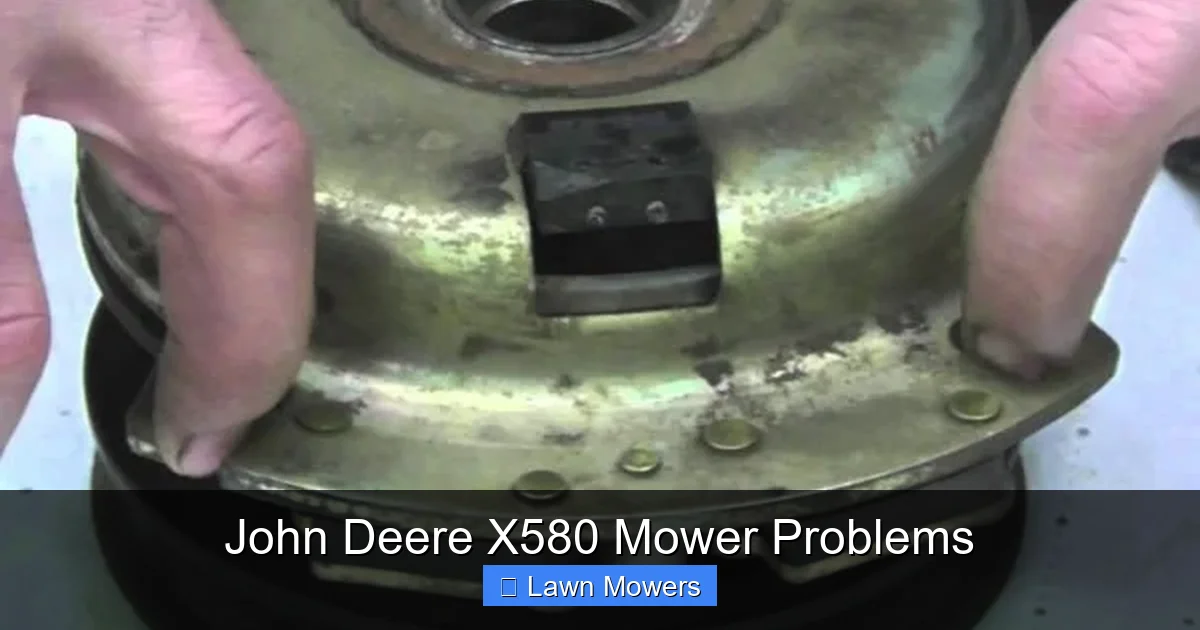
If the blades won’t engage when you pull the control lever, the issue may be in the PTO (Power Take-Off) system. The PTO clutch uses a magnetic field to engage the blades. A weak or failing clutch won’t generate enough force. Test the clutch by measuring its resistance with a multimeter—it should read between 2 and 5 ohms. If it’s out of range, the clutch may need replacement.
Also, check the drive belt. A loose or worn belt can slip and prevent blade engagement. Inspect the belt for cracks, fraying, or looseness. Adjust the tension or replace the belt if necessary.
Hydrostatic Transmission Problems
The John Deere X580 uses a hydrostatic transmission, which allows for smooth, variable-speed control without manual shifting. While reliable, this system can develop problems if not properly maintained.
Visual guide about John Deere X580 Mower Problems
Image source: tankbig.com
Sluggish or Unresponsive Speed
If your mower feels sluggish or doesn’t respond quickly to control levers, the hydrostatic system may be the issue. Start by checking the transmission fluid level. The fluid reservoir is usually located near the engine. If it’s low, top it up with the manufacturer-recommended hydraulic fluid. Use a high-quality ISO 46 or equivalent fluid.
Next, inspect for leaks. Look under the mower for signs of fluid pooling. Common leak points include the pump, hoses, and seals. Tighten loose connections and replace damaged hoses. If the fluid is contaminated or has a burnt smell, it’s time to flush the system and replace the fluid.
Strange Noises from the Transmission
Whining, grinding, or clicking noises from the transmission are red flags. These sounds often indicate worn internal components, such as the pump or motor. A failing pump can reduce fluid pressure and cause poor performance. In some cases, the entire transmission assembly may need replacement.
To diagnose, check the fluid level and condition again. Low or dirty fluid can cause noise and damage. If the fluid looks clean but the noise persists, consult a certified technician. Replacing the transmission is a complex job best left to professionals.
Transmission Slipping
If the wheels spin without moving the mower forward, the transmission may be slipping. This is often due to a worn drive belt or a failing hydrostatic pump. Inspect the belt for wear and proper tension. Replace it if necessary.
Also, check the pump. A worn pump won’t generate enough pressure to transfer power to the wheels. Signs of a bad pump include reduced speed, noise, and fluid leaks. Rebuilding or replacing the pump may be required.
Electrical and Starting System Troubles
The electrical system in the John Deere X580 powers the ignition, lights, and starter motor. Electrical issues can prevent the mower from starting or cause erratic behavior.
Dead Battery
A dead battery is the most common electrical problem. If the mower won’t crank, start by testing the battery voltage. If it’s below 12 volts, charge it. If it won’t hold a charge, the battery may be faulty and need replacement.
Also, check the alternator or charging system. If the battery keeps dying, the alternator may not be charging it properly. Have it tested at a service center.
Starter Motor Issues
If the starter motor clicks but doesn’t turn the engine, the solenoid may be faulty. Test the solenoid by checking for continuity with a multimeter. Replace it if it’s defective.
Worn starter brushes or a failing motor can also cause starting problems. These components are harder to test at home and may require professional diagnosis.
Fuses and Relays
Blown fuses or faulty relays can interrupt power to critical systems. Locate the fuse box (usually near the battery) and check for blown fuses. Replace them with fuses of the same rating. If a relay is suspected, swap it with a known good one to test.
Maintenance Tips to Prevent Problems
Prevention is always better than repair. Regular maintenance can significantly reduce the likelihood of John Deere X580 mower problems.
Follow the Maintenance Schedule
Refer to your owner’s manual for the recommended maintenance schedule. This typically includes oil changes every 50 hours, air filter cleaning or replacement, and blade sharpening. Stick to it religiously.
Clean the Mower After Use
Lawn clippings, dirt, and debris can accumulate under the deck and around the engine. After each use, remove the deck and clean it thoroughly. Use a pressure washer on a low setting to avoid damaging seals. Don’t forget to clean the undercarriage and engine compartment.
Store Properly
Store your mower in a dry, covered area. If storing for the winter, drain the fuel or add a fuel stabilizer. Change the oil and filter, and remove the spark plug to prevent corrosion. Cover the mower to protect it from dust and moisture.
Use Quality Fuel and Oil
Always use fresh, high-octane fuel and the recommended oil grade. Old fuel can gum up the carburetor and fuel lines. Use a fuel stabilizer if storing the mower for extended periods.
Check Belts and Hoses Regularly
Inspect drive belts and hydraulic hoses for cracks, fraying, or wear. Replace them as needed. Tighten loose belts to prevent slippage.
When to Call a Professional
While many John Deere X580 mower problems can be fixed at home, some issues require professional attention. If you’re dealing with internal engine damage, complex transmission repairs, or electrical faults, it’s best to consult a certified technician.
Also, if you’re uncomfortable performing maintenance tasks—like replacing the hydrostatic pump or rebuilding the carburetor—don’t risk it. Improper repairs can cause more damage and void your warranty.
Conclusion
The John Deere X580 Mower is a dependable machine, but like any piece of equipment, it’s not immune to problems. From engine stalling to blade dullness and transmission issues, most common problems have straightforward solutions. By understanding the root causes and following a solid maintenance routine, you can keep your X580 running smoothly for years.
Remember, the key to avoiding John Deere X580 mower problems is proactive care. Regular cleaning, timely oil changes, and prompt attention to warning signs can save you time, money, and frustration. Whether you’re sharpening blades, checking fluid levels, or replacing a spark plug, small efforts go a long way.
So the next time your mower gives you trouble, don’t panic. Grab your tools, consult this guide, and tackle the issue with confidence. With a little knowledge and elbow grease, your John Deere X580 will continue to deliver a perfect cut—every time.
Frequently Asked Questions
Why is my John Deere X580 not starting?
Common causes include a dead battery, old fuel, clogged air filter, or faulty spark plug. Check the battery voltage, inspect the fuel, and clean or replace the air filter. Replace the spark plug if necessary.
How often should I sharpen the blades on my X580?
Sharpen blades every 25–50 hours of use, or when you notice uneven cutting or a ragged appearance. Dull blades strain the engine and damage grass.
What type of oil should I use in my John Deere X580?
Use high-quality SAE 10W-30 or 10W-40 oil, depending on the season. Always check the owner’s manual for specific recommendations and change the oil every 50 hours.
Why is my X580 mower cutting unevenly?
Uneven cutting is often due to uneven blade height, a dull or bent blade, or worn spindle bearings. Check and adjust the deck height, sharpen or replace blades, and inspect the spindle.
How do I fix a slipping hydrostatic transmission?
Check the transmission fluid level and condition. Replace the fluid if contaminated. Inspect the drive belt for wear and tension. If the problem persists, the pump may need rebuilding or replacement.
Can I replace the hydrostatic pump myself?
Replacing the hydrostatic pump is a complex job that requires specialized tools and knowledge. It’s recommended to have it done by a certified technician to avoid further damage.
