The best gas for most lawn mowers in the United States is fresh unleaded gasoline with an octane rating of 87 and no more than 10% ethanol (E10). If available, ethanol-free gasoline can be a better option for seasonal equipment because it reduces some fuel-related storage problems.
Across the United States, most residential lawn mowers are designed to run on regular unleaded gasoline commonly sold at gas stations. For the majority of push mowers, riding mowers, and zero-turn mowers, 87 octane gasoline with up to 10% ethanol is the standard fuel recommended by many small-engine manufacturers.
Choosing the right fuel is not only about octane. Fuel freshness, ethanol content, storage conditions, and following the engine manufacturer’s manual have a major effect on starting performance and engine life. Using the wrong fuel or storing gasoline improperly can lead to hard starts, clogged carburetors, and unnecessary repairs.
The best gas for a lawn mower is typically fresh regular unleaded gasoline with an octane rating of 87 and an ethanol content of 10% or less. This fuel meets the needs of many common small engines used in residential lawn equipment.
A lawn mower engine does not usually benefit from premium gasoline because higher octane fuel is designed to resist knocking in engines with higher compression ratios. Most mower engines are built to operate efficiently on regular fuel.
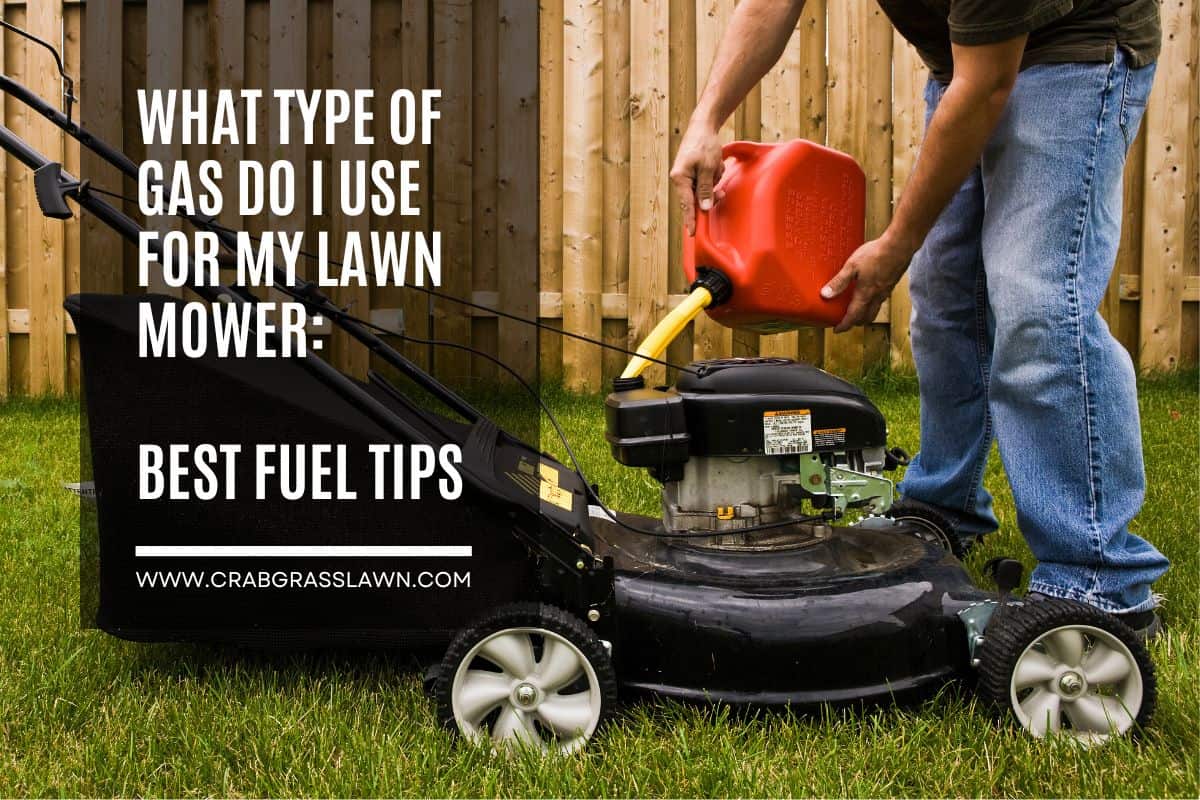
Source: cuttingresource.com
Recommended fuel
Fresh unleaded gasoline with 87 octane is suitable for many residential lawn mower engines.
Ethanol limit
Many manufacturers recommend avoiding gasoline with more than 10% ethanol because higher blends may damage small-engine fuel systems.
Fuel quality
Clean, fresh gasoline is more important than using expensive premium fuel.
Why Regular Gasoline Usually Works Best
Most walk-behind and riding lawnmower engines are low-compression engines that do not require high-octane fuel. Regular gasoline provides enough resistance to premature combustion while keeping fuel costs lower.
Using premium gasoline in an engine designed for regular fuel generally does not create extra power or better cutting performance.
Lower cost
Regular gasoline is usually less expensive and meets the needs of most mower engines.
Engine compatibility
Many small engines are calibrated for standard unleaded gasoline.
Understanding Octane Ratings for Lawn Mower Fuel
Octane measures gasoline’s ability to resist engine knock caused by uncontrolled combustion. A higher octane number does not automatically mean more power or better fuel quality for every engine.
For most lawn mowers sold in the United States, 87 octane gasoline is the normal recommendation. Premium fuels with 91 or 93 octane are usually unnecessary unless specifically required by the manufacturer.
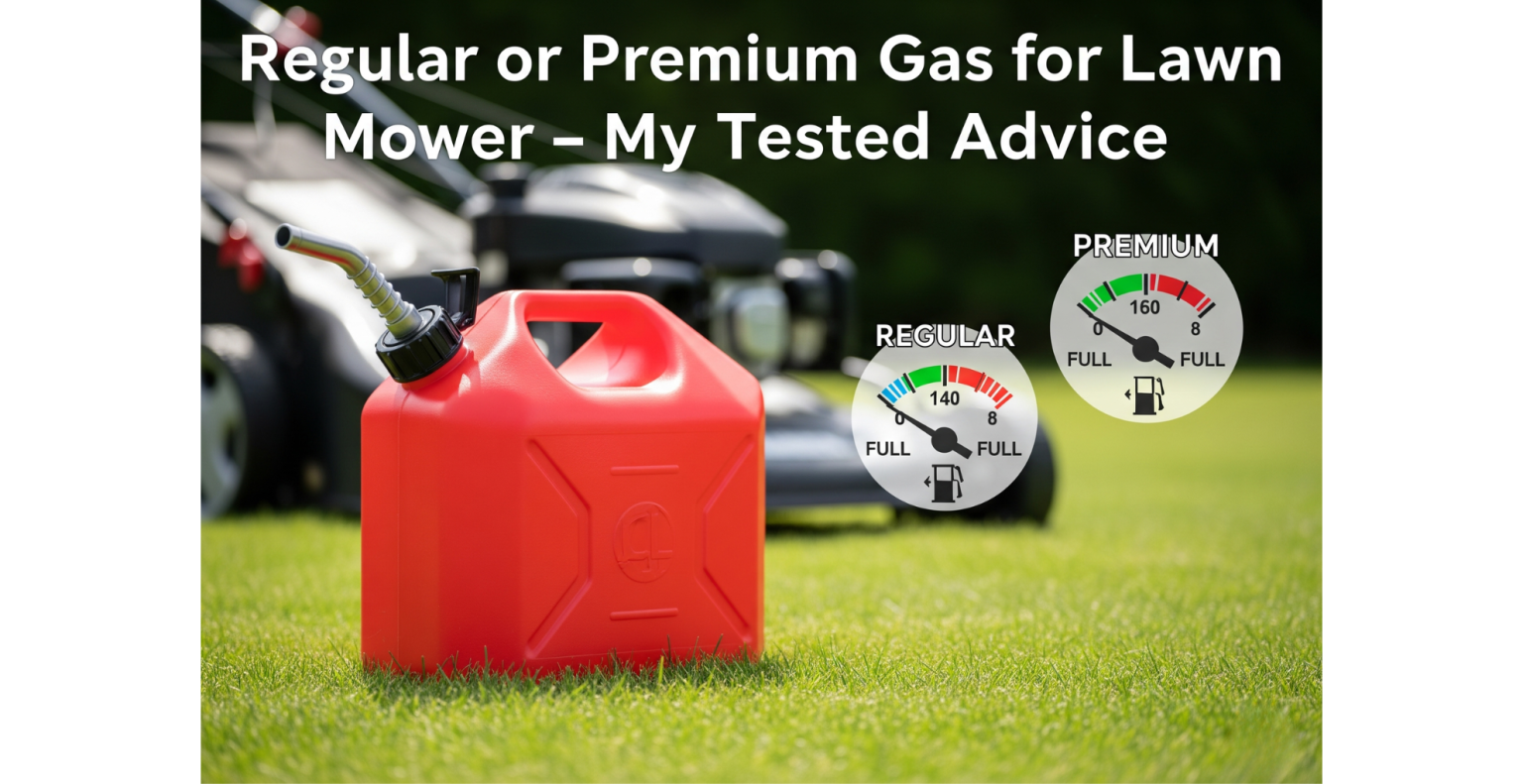
Source: outdoorguide.com
87 octane
The common choice for many residential lawn mower engines.
91 to 93 octane
Usually designed for engines that require higher resistance to knock, not typical mower engines.
Diesel fuel
Never use diesel in a gasoline-powered lawn mower engine.
E10 gasoline, which contains up to 10% ethanol, is widely available throughout the United States and is approved for many modern lawn mower engines. Ethanol-free gasoline is another option that some owners prefer, especially when equipment sits unused for weeks or months.
Ethanol can attract moisture from the environment, and long storage periods can increase the chance of fuel system problems. However, using fresh E10 gasoline correctly is acceptable for many mower engines.
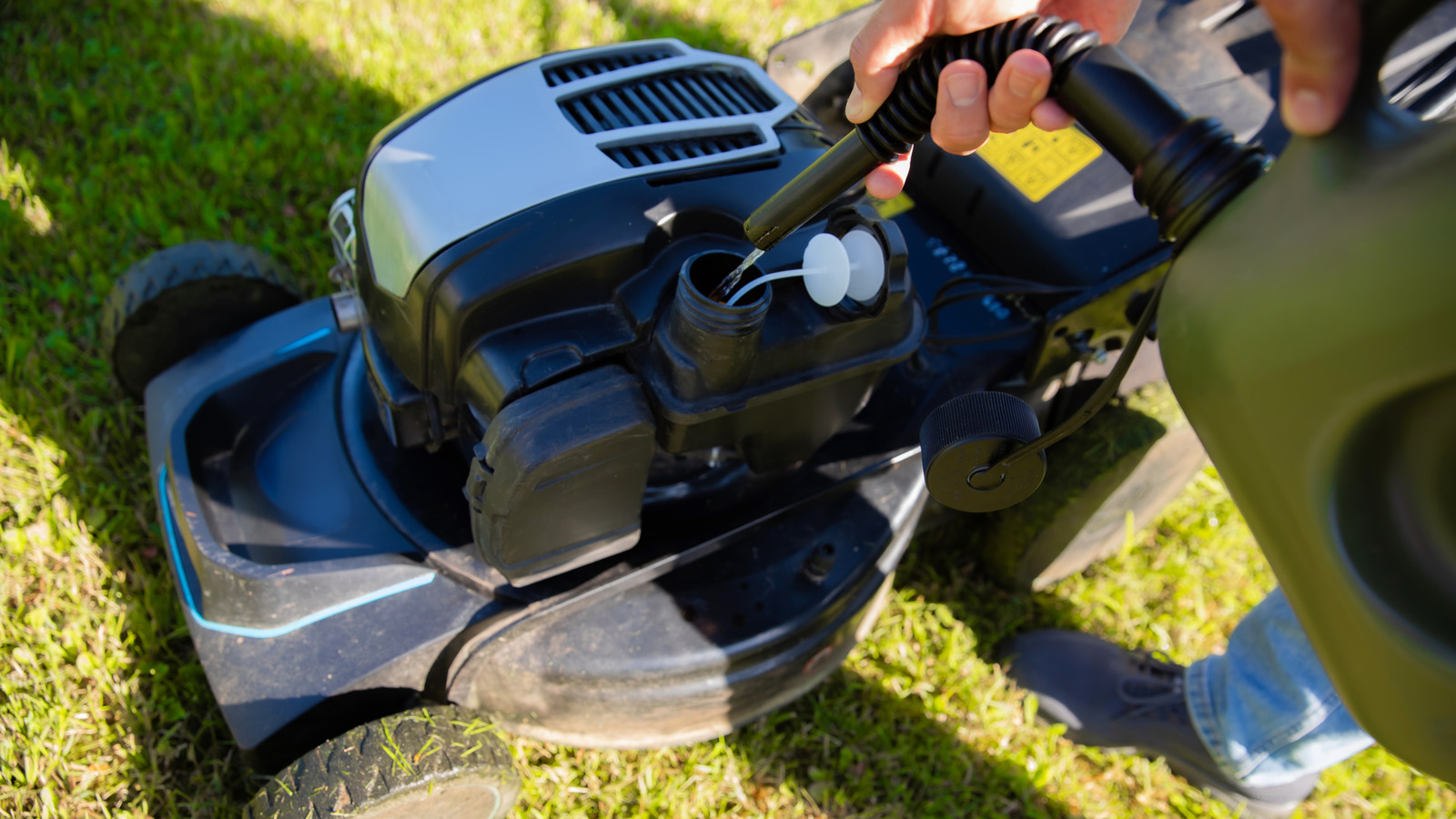
Source: outdoorguide.com
E10 gasoline
Common pump gasoline containing up to 10% ethanol and suitable for many approved engines.
Ethanol-free gasoline
A useful option for seasonal equipment because it avoids ethanol-related storage concerns.
Avoid higher ethanol blends
Fuel containing higher ethanol percentages may not be approved for many lawn mower engines.
Which Fuel Is Better for Long-Term Storage?
For a mower that will sit unused during winter or long storage periods, ethanol-free gasoline may reduce some fuel degradation concerns. Proper storage practices, such as using fresh fuel and following manufacturer instructions, remain essential.
A fuel stabilizer may also be recommended for stored gasoline, especially when fuel cannot be used quickly.
Seasonal mower owners
May benefit from ethanol-free fuel when available and practical.
How to Choose Gas for Your Specific Lawn Mower
The safest way to choose fuel is to check the engine owner’s manual before filling the tank. Different manufacturers and engine models can have different fuel requirements.
Consider how often you mow, how long fuel stays stored, and what gasoline options are available in your area.
Source: i.ytimg.com
Check the owner’s manual
Follow the exact fuel recommendation provided by the engine manufacturer.
Buy fresh fuel
Avoid gasoline that has been stored for long periods without proper treatment.
Match fuel to usage
Frequent mowing and seasonal storage may require different fuel management practices.
Many lawn mower starting problems are caused by fuel mistakes rather than engine failures. Avoiding a few common errors can improve reliability and reduce maintenance needs.
Fuel-related issues often happen when gasoline becomes stale, contains too much ethanol, or remains in the mower during long storage periods.
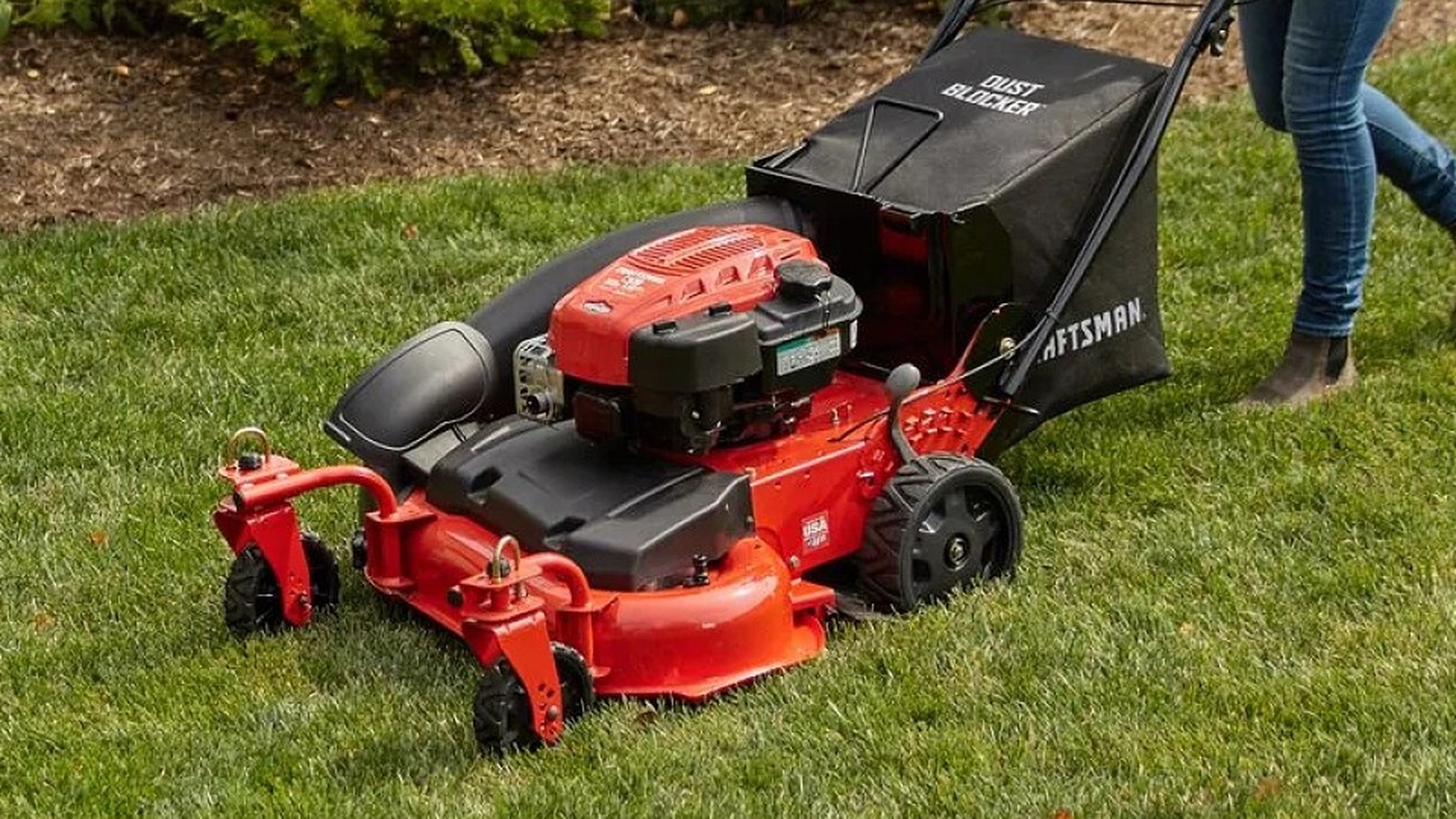
Source: slashgear.com
Using old gasoline
Stale fuel can make engines harder to start and may affect combustion.
Choosing the wrong ethanol blend
Higher ethanol fuels may not be compatible with some small engines.
Leaving fuel untreated for months
Long storage without proper preparation can contribute to fuel system problems.
Frequently Asked Questions
Q
Can I use regular gas in my lawn mower?
Yes, most lawn mowers can use regular unleaded gasoline with an octane rating of 87. Always confirm the recommendation in your mower’s owner’s manual before use.
Q
Is premium gas better for a lawn mower?
Premium gas is not usually better for lawn mowers unless the engine manufacturer specifically requires higher octane fuel. Most mower engines are designed for regular gasoline.
Q
Is ethanol-free gas worth using in a lawn mower?
Ethanol-free gas can be useful for lawn mowers that are stored for long periods because it avoids ethanol-related moisture concerns. However, properly stored fresh E10 gasoline works for many approved engines.
Q
How long does lawn mower gas last?
Gasoline quality declines over time, especially when exposed to heat and air. For best results, use fresh fuel and follow storage recommendations from the engine manufacturer.
Q
What happens if I put the wrong gas in my lawn mower?
Using incorrect fuel can cause poor performance, starting problems, or engine damage. If the wrong fuel is added, stop using the mower and consult the owner’s manual or a qualified repair professional.
✦ Wrapping Up
Conclusion
For most lawn mowers in the United States, the best gas choice is fresh 87 octane unleaded gasoline with no more than 10% ethanol. Premium fuel is usually unnecessary unless the engine manufacturer recommends it.
The condition of the fuel, proper storage, and following the mower manual have a greater impact on performance than simply choosing a higher-priced gasoline.
💡 Key Takeaway
Use fresh regular unleaded gasoline, avoid unapproved ethanol blends, store fuel correctly, and always follow your lawn mower manufacturer’s fuel instructions.
Learn the correct type of gas for a Toro lawn mower, including recommended fuel grades, ethanol limits, fuel storage tips, and common mistakes to avoid.
It’s a bright Saturday morning, the grass is waving at you, and your trusty DeWalt gas mower sits waiting. You pull the cord—nothing. You press the electric start—silence. That sinking feeling in your stomach grows. You’re not alone; “DeWalt Gas Lawn Mower Not Starting” is one of the most common issues homeowners face during mowing…
When your Craftsman lawn mower starts sputtering, losing power, or guzzling fuel faster than usual, the culprit is often something small but mighty—your air filter. The air filter is like the lungs of your mower. When it’s clean, your engine breathes easy. When it’s clogged, your engine struggles to perform. Many people overlook this simple…
If you’ve ever gone out to mow your yard, turned the key, and your mower just sputters or refuses to start, you’re not alone. One of the most common reasons a riding lawn mower fuel filter not filling up after sitting or running is a problem in the fuel delivery system. It can be frustrating…
When your Craftsman lawn mower is not moving, it can feel like your weekend plans have just been mowed down. You turn the key, the engine hums beautifully, blades spin just fine—but the mower refuses to budge. Whether you’re pushing a self-propelled Craftsman walk-behind mower or sitting on a powerful riding model, this issue is…
There’s nothing more frustrating than starting your weekend ready to mow, pulling the handle on your mower, and realizing it refuses to move forward. You feel the engine humming, the blades spinning, but the wheels just won’t budge. Suddenly, mowing turns from an easy stroll into a full-body workout. That’s when you realize the lawn…